




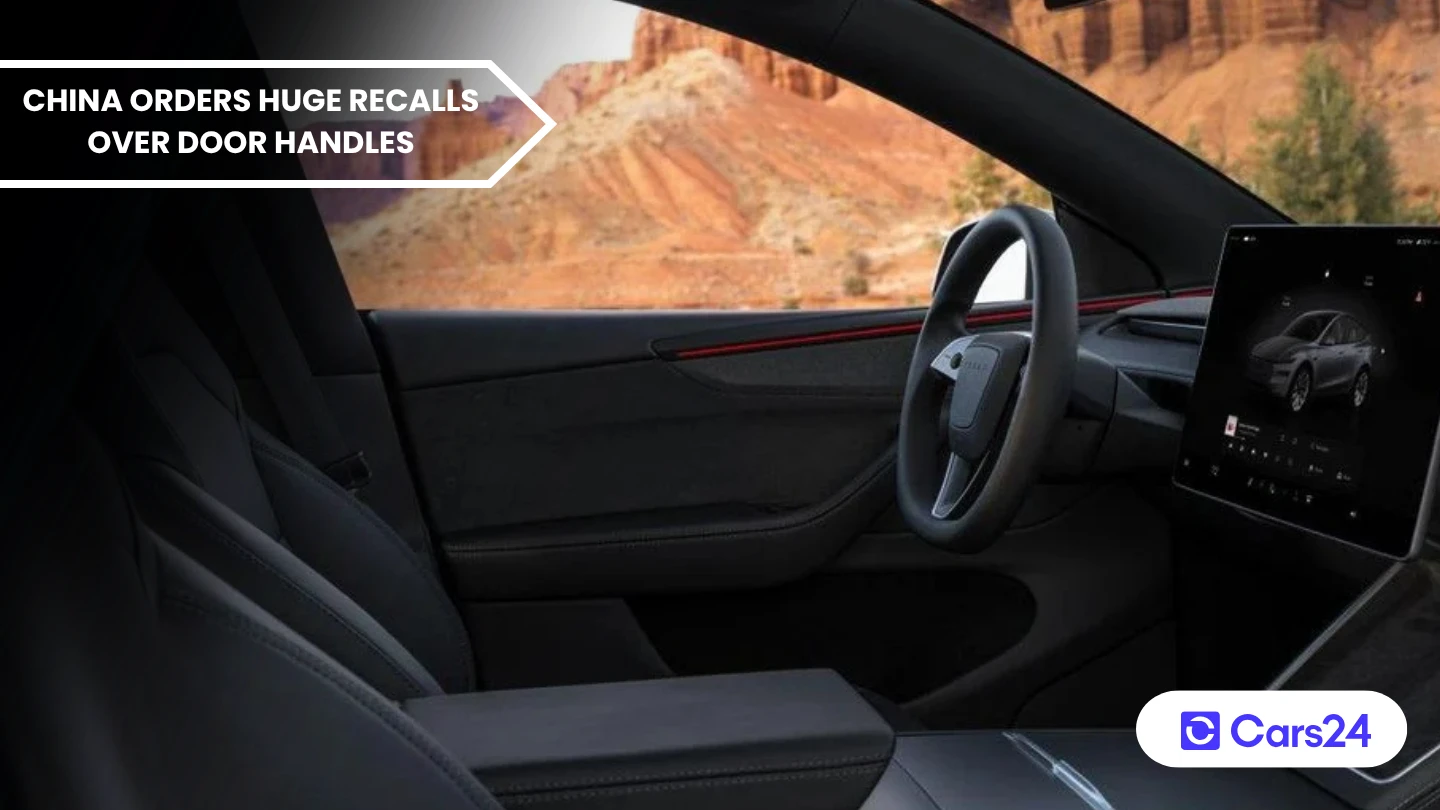
Key highlights:
- About 4.3 million vehicles recalled for hard-to-find emergency door releases
- Tesla models are hit the hardest with over 3 million recalls
- Complete ban on concealed door handles initiates in January 2026
China has launched a massive wave of vehicle recalls after regulators found that emergency mechanical door handles inside some cars blend into the cabin trim, making them difficult to identify and operate during an emergency.
The recalls cover around 4.3 million vehicles from brands including Tesla, Leapmotor, Xiaomi, Xpeng, Geely, Chery, Dongfeng, Hongqi and BAIC, out of which Tesla faces the biggest recall of almost 3 million China-made vehicles. This action comes before China’s tougher door-handle safety standard takes effect in January 2027.
What triggered the recalls?
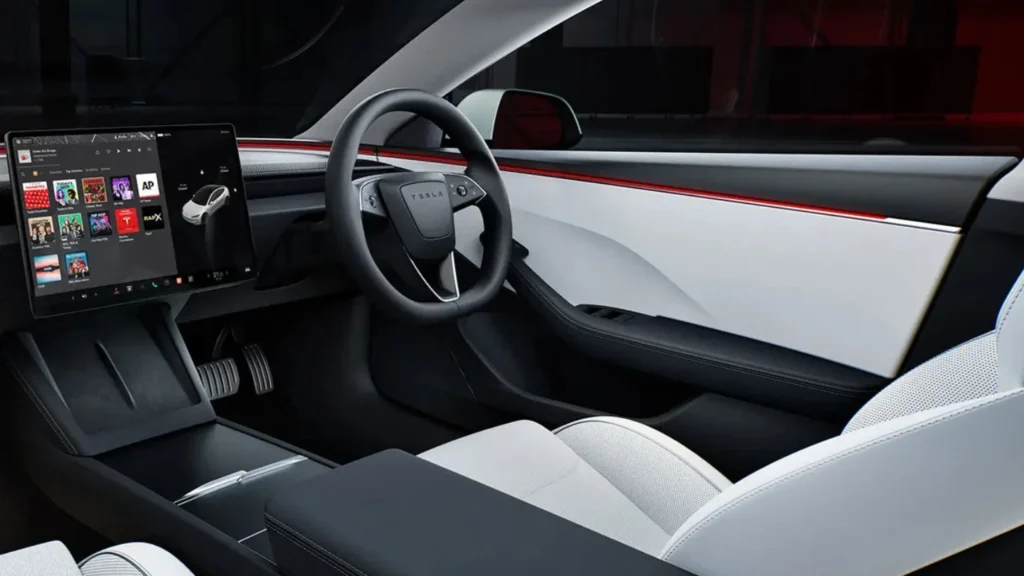
The affected cars use interior emergency mechanical door releases that can look too similar to the surrounding cabin trim, which makes it difficult to locate and operate the handle in urgent situations like a road accident or vehicle fire.
The solution involves both hardware labelling and software. Automakers will now add warning labels to the emergency mechanical handles free of charge as part of the recall, and the units will also receive an OTA software update that adds a post-accident window-lowering function.
SAMR announces the recalls
China’s State Administration for Market Regulation (SAMR) released the recall plans under the country’s defective-vehicle recall regulations. The total units mentioned amount to 4,275,733, and this makes it one of the largest automotive recall campaigns ever reported.
Here are the carmakers in China and the number of vehicles recalled:
| Manufacturer | Models | Vehicles recalled |
|---|---|---|
| Zeekr | 007, X | 92,658 |
| FAW Hongqi | EH7, Tiangong 08 | 4,035 |
| BAIC BluePark | ArcFox Kaola | 46,860 |
| Dongfeng | Nammi 06, Aeolus L8, eπ 007, eπ 008 | 53,452 |
| Leapmotor | C01, C11 | 371,200 |
| Chery | iCaur 03, Fulwin X3 | 64,488 |
| Tesla (China-made) | Model 3, Model X | 2,975,910 |
| Tesla (Imported) | Model 3, Model X, Model S | 46,041 |
| Xiaomi | 2024 SU7 | 390,435 |
| Xpeng | G6, P7+, X9 | 264,842 |
Tesla accounts for the largest share of the campaign, and the recall covers 2,975,910 China-made Model 3 and Model X vehicles, plus another 46,041 imported Model 3, Model X and Model S vehicles. That puts Tesla’s total affected vehicles at more than three million.
The recall campaign comes after several fatal cases linked to emergency-release concerns, and one of the most widely discussed incidents involved a Xiaomi SU7 crash that killed three university students.
Reports said the occupants couldn’t find the emergency release mechanisms hidden inside storage compartments in the door panels and couldn’t leave the burning vehicle.
Also read: Could Mahindra’s ADAS prevent kangaroo crashes?
New door-handle rules arrive in 2027
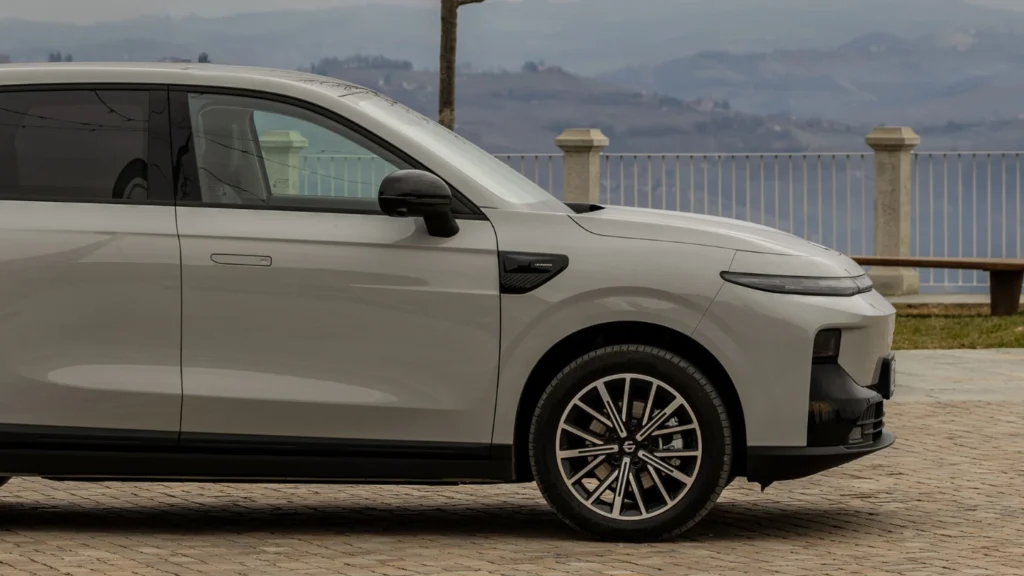
China is moving to completely ban fully concealed electronic door handles. Its Ministry of Industry and Information Technology has already published the technical requirements for the Automobile Door Handle Safety standard, and the rules take effect in January 2027. Under the new requirements:
- Every door must have an external handle with a mechanical release function
- Internal mechanical handles must remain easy to identify and clearly visible
- Internal handles must sit within 300mm of the door edge
The standard hasn’t taken effect yet, but Chinese authorities have already started tightening enforcement around emergency door-release systems.
How could this recall affect cars in Australia?
This massive recall will likely force global automakers to abandon fully electronic, flush door handles and pivot back to physical mechanical fail-safes. Because China is Australia’s top source of new vehicle imports now, these regulatory updates will reshape the local automotive landscape through supply chain consolidation, safety design overhauls, and potential legislative pressure.
According to the University of Melbourne, the land Down Under also faces a risk of becoming a dumping ground for these unsafe EV designs as current Australian Design Rules (ADRs) do not outlaw hidden electronic handles.

Comments
New Comment