




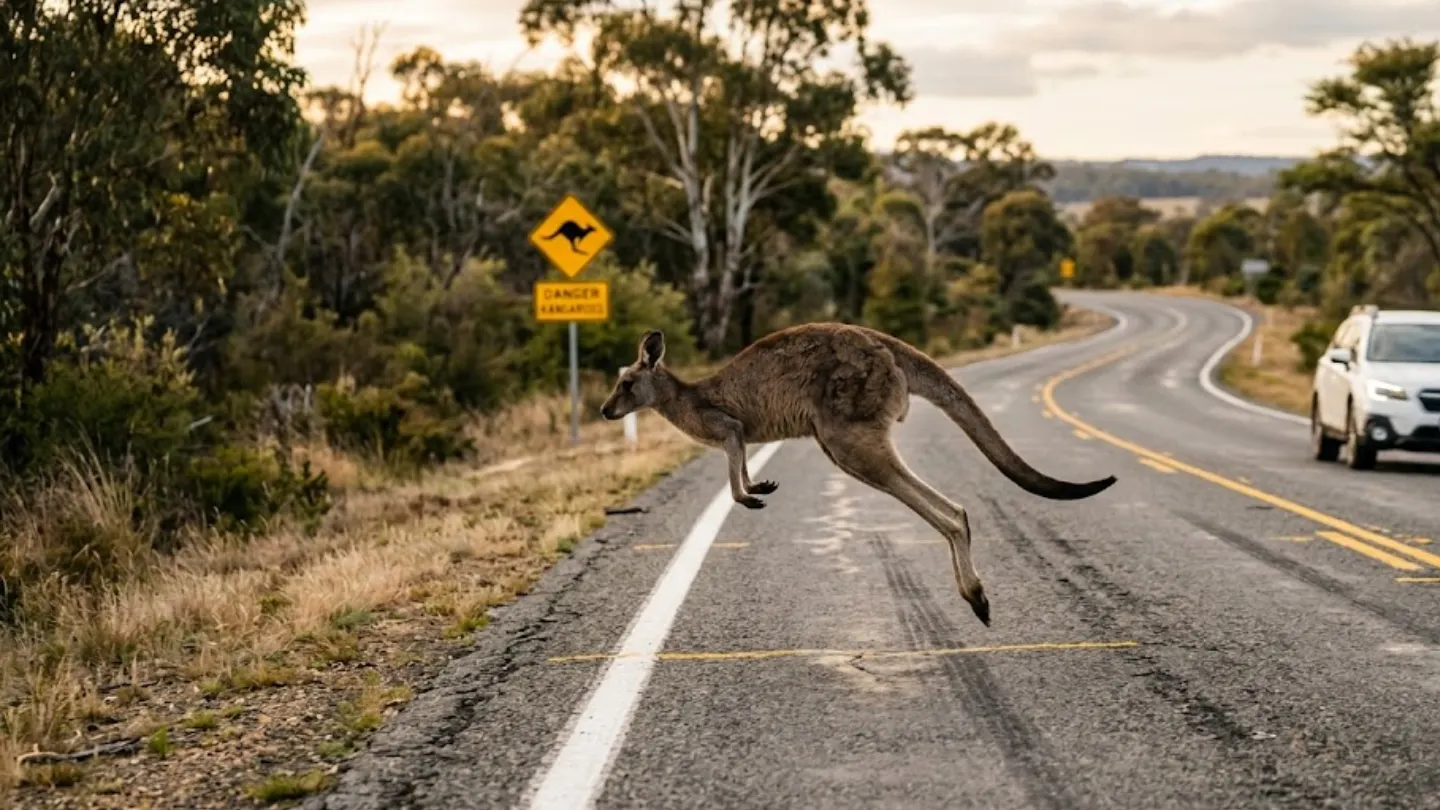
Mahindra has developed ADAS technology that can detect cattle on Indian roads, and the carmaker says the system could potentially be adapted to recognise kangaroos in Australia.
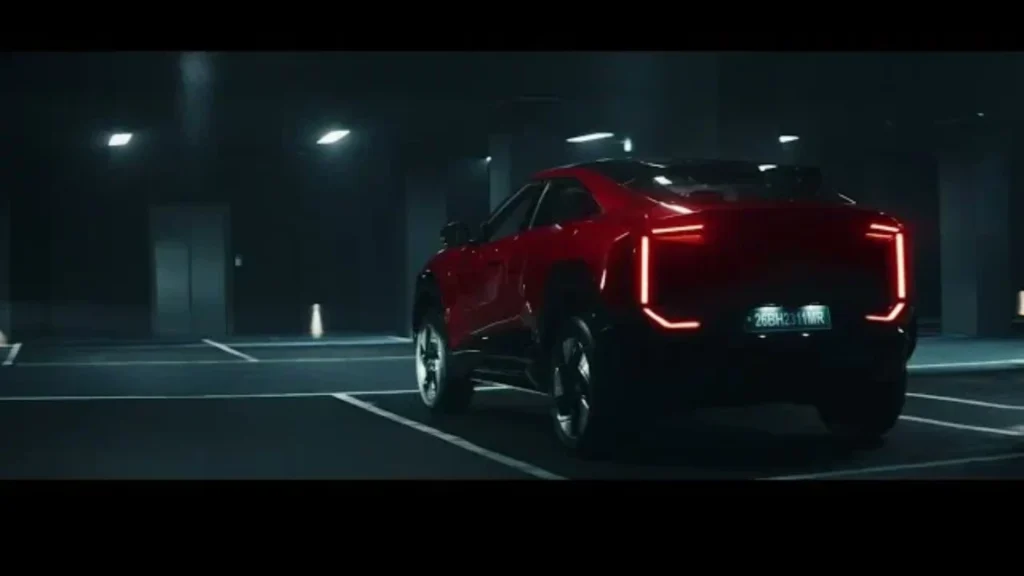
The technology, available on models including the BE 6, XEV 9e and XUV7XO, uses a combination of five radars and a vision camera to identify animals and other obstacles. It can warn the driver and, in certain situations, automatically apply the brakes to help avoid a collision.
That could be particularly useful in Australia, where kangaroo collisions are a significant problem for motorists. NRMA Insurance recorded more than 15,000 animal-collision claims in 2025, with kangaroos accounting for 84 per cent of those claims. Winter was also the peak period for animal collisions, while rural and regional roads presented a higher risk.
Read more: Geely targets 1,000 km-plus EVs using solid-state batteries
Mahindra’s ADAS can detect cattle on the road
Mahindra developed its animal-detection capability as part of its broader Level 2+ ADAS package. The system was developed with Indian road conditions in mind, where cattle can unexpectedly wander onto roads. The cow-detection technology reportedly took around three years of development and fine-tuning.
It is designed to identify a cow measuring at least 100cm tall and 50cm wide, before warning the driver and potentially intervening with the brakes. Mahindra says the system can also recognise other road users and obstacles, including pedestrians, vehicles and barricades.
Could Mahindra ADAS detect kangaroos?
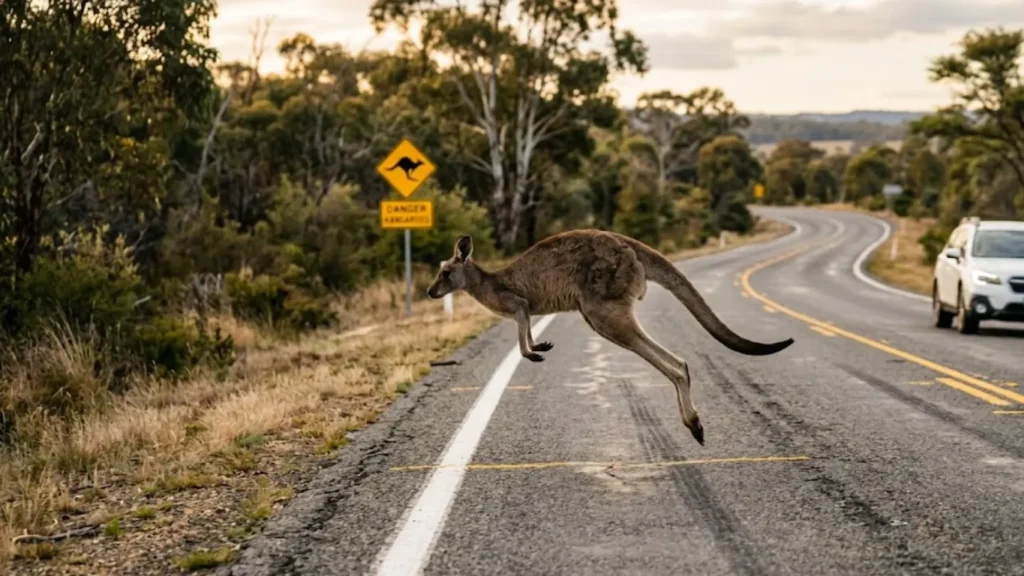
According to Mahindra engineer Binoy Paul, who headed the animal-detection project, there is no fundamental limitation preventing the technology from being adapted to recognise other animals. That could include kangaroos, although developing a system that works reliably would require further development and testing.
Kangaroos would present a considerably different challenge from cattle. They are smaller, move faster and can suddenly change direction or jump into the path of an approaching vehicle. A kangaroo-specific system would therefore need to identify the animal and determine whether it is likely to enter the vehicle’s path, rather than simply recognising it as an object.
Mahindra has not announced a production-ready kangaroo detection system for Australia. The company is only suggesting that its existing animal-detection technology could potentially be adapted for kangaroos, wombats and wallabies.
Why kangaroo detection could matter in Australia
Kangaroo strikes can cause significant damage to vehicles and create risks for drivers, particularly on regional and rural roads. The risk is also higher around dawn, dusk and at night, when kangaroos are more active and visibility can be reduced.
Trying to avoid a kangaroo by suddenly swerving can create another danger, potentially causing a driver to lose control or collide with another vehicle. An ADAS system capable of identifying a kangaroo and automatically braking could potentially reduce the need for such evasive manoeuvres.
However, the technology would need to be extensively tested in Australian conditions before drivers could rely on it.
Mahindra isn’t the only carmaker working on animal safety
Automakers have been developing technology to reduce animal collisions for years. Volvo previously developed a system designed to detect large animals such as moose, addressing a particular road-safety issue in parts of Europe.
Volkswagen has also been developing an Australian-focused solution with its RooBadge. Rather than detecting and braking for a kangaroo, the technology attempts to deter the animal from approaching the road using sounds.
The RooBadge has been developed with the University of Melbourne and WIRES and remains a separate approach to Australia’s kangaroo-collision problem.
Could Mahindra bring kangaroo detection to Australia?
There is currently no confirmation that Mahindra will introduce kangaroo-specific detection technology on vehicles sold in Australia. The carmaker has demonstrated that its ADAS can be adapted to deal with road conditions specific to particular markets, but a kangaroo detection system would require substantial software development and local testing.
For now, Mahindra’s kangaroo crash prevention technology remains a possibility rather than a confirmed vehicle feature. However, with kangaroos accounting for such a large share of animal-collision claims in Australia, the technology could have a meaningful role to play if Mahindra can successfully adapt it to Australian wildlife.

Comments
New Comment