




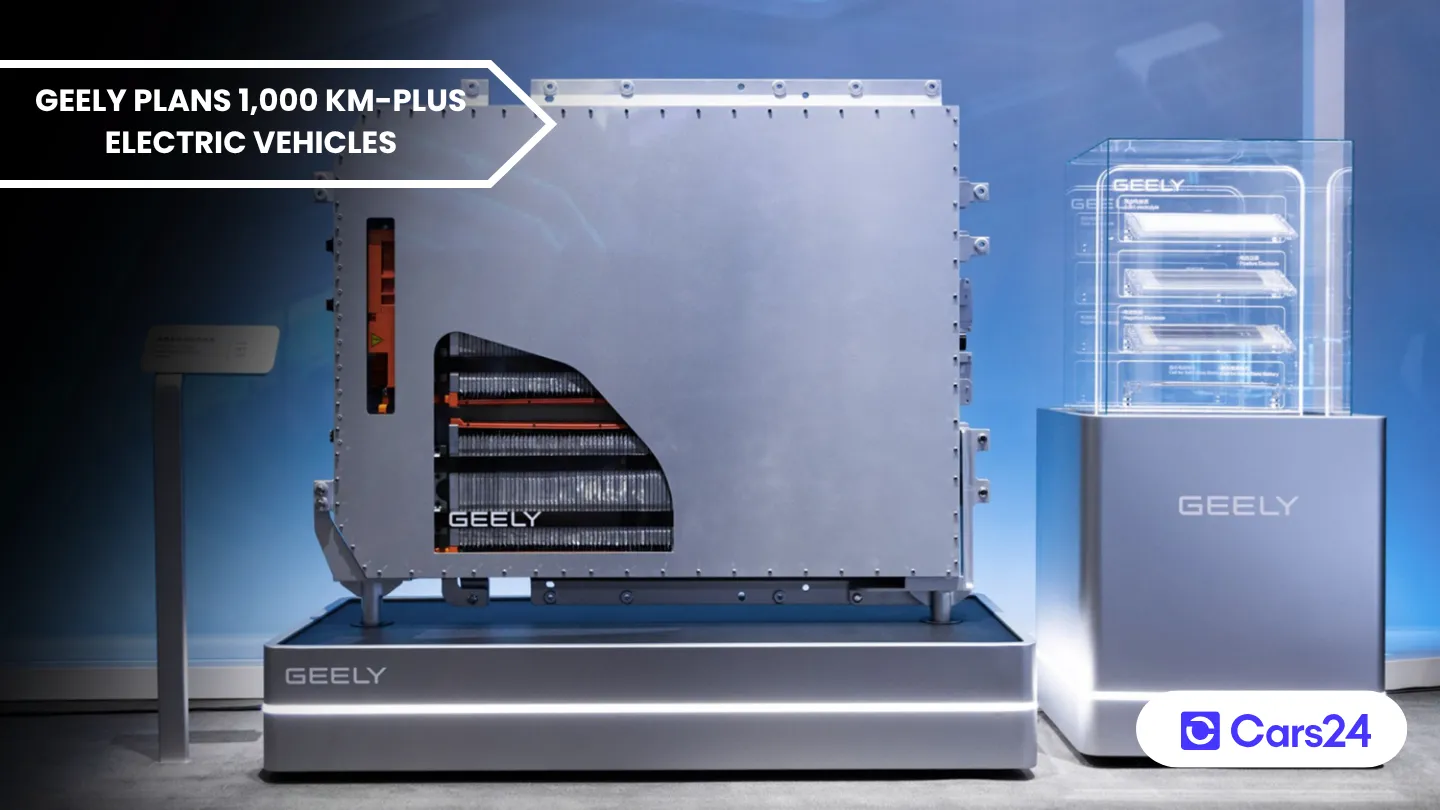
Geely has confirmed plans to begin pilot deployment of its in-house solid-state batteries in 2027, which offer more than 1000km of electric driving range from a single charge.
The Chinese automotive giant says its new battery cells will reach 500Wh/kg, which is more than double the energy density of today’s average liquid lithium-ion EV batteries.
Geely Holding owns major brands sold in Australia, including Volvo, Polestar, Zeekr, Lotus and Smart, and the brand claims mass deployment for retail customers will begin around 2030 with its premium lineups such as flagship Zeekr, Volvo, or Polestar models before trickling down to mainstream cars.
Toyota, BYD and Nio are also pursuing long-range EV technology through their own technical approaches, and each company is working towards EVs capable of travelling more than 1000km on a single charge.
1000km-plus range is the target
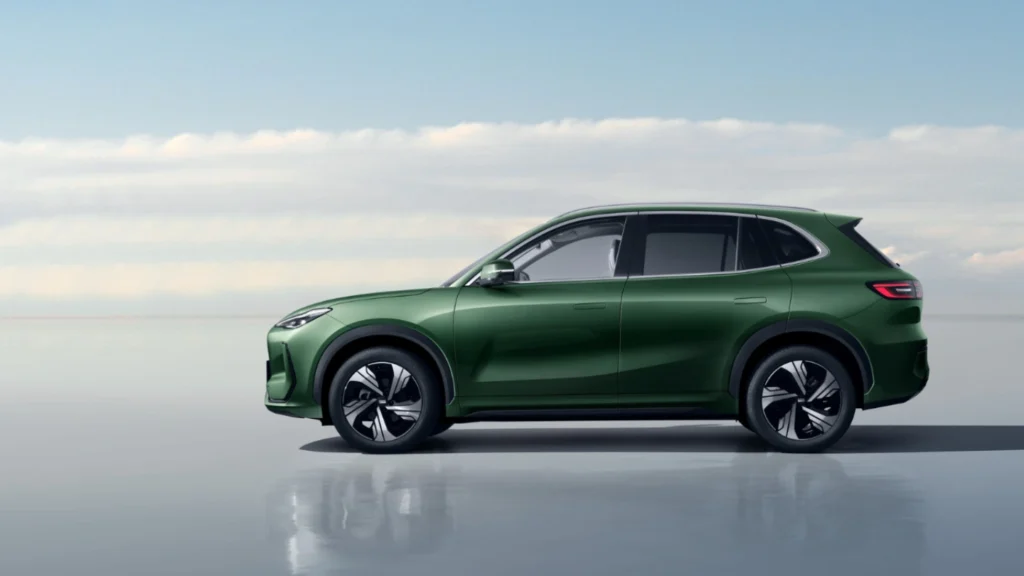
Geely says vehicles equipped with its all-solid-state battery packs will achieve driving ranges comparable with traditional diesel vehicles and expects the technology to push upcoming EVs such as the Geely EX5, Volvo EX60 and Zeekr 7X well beyond the 1000km mark.
That figure depends on the final vehicle and battery integration, but Geely has now put a clear (range) target behind its solid-state battery programme.
500Wh/kg energy density
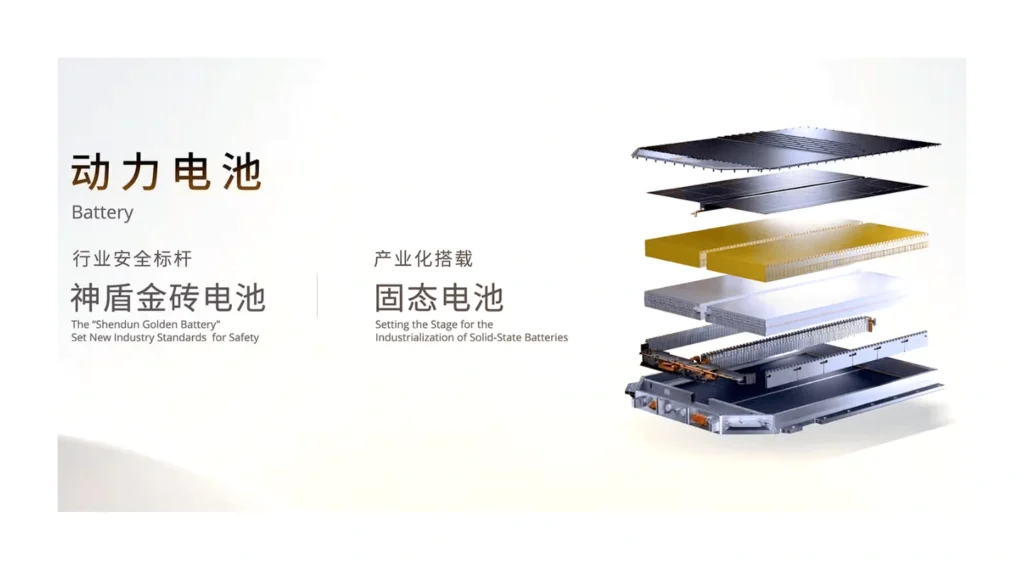
Geely says its production-intent solid-state cells will achieve 500Wh/kg, and that this figure exceeds twice the energy density of today’s average liquid lithium-ion EV batteries. Higher energy density allows manufacturers to store more energy without increasing battery weight to the same extent.
One million kilometres of battery life
Geely also claims its next-generation battery packs will offer an operational lifespan of up to 1,000,000km, which would significantly reduce concerns around long-term battery degradation. The claim forms part of Geely’s stated technical targets for the new battery technology.
Also read: Debuting 2026 Geely EX2 price and specs revealed
Pilot deployment starts in 2027
Geely plans to begin pilot deployment and trial production across its brands as soon as 2027, and it’s no surprise that the announcement follows statements from BYD and CATL, which have also discussed solid-state battery trial production in 2027.
Geely’s initial rollout will focus on pilot trials rather than full-scale production, and the company expects genuine mass production for everyday consumer vehicles closer to 2030, as manufacturing costs fall.
Testing starts before the rollout
Geely isn’t waiting until 2027 to put the battery through its paces and says it will complete its first fully integrated, all-solid-state battery pack in 2026. That pack will then undergo rigorous testing, including on-road testing, crash-scenario testing, and thermal-cycling validation.
Dow partnership tackles extreme temperatures
Geely has also partnered with Dow Chemical to develop specialised adhesives for its battery cells, which must remain chemically stable across temperatures ranging from -40°C to 120°C. That work forms part of Geely’s effort to prepare the solid-state battery for real-world vehicle use.
Australia could benefit but will need to wait
Geely’s brands already have a strong presence in Australia, and Volvo and Polestar sit among the group’s established local brands, while Zeekr and Lotus also operate in the Australian market. That gives Australia a potential pathway to receive Geely’s solid-state battery technology once the company begins global exports.
Australia’s EV market also relies heavily on imported vehicles from China and Japan, which makes advances from manufacturers in those markets particularly relevant to local buyers.
Explore even more accessible, second-hand Geely cars on Cars24 with a 30-day return policy.

Comments
New Comment