




Key highlights:
- Citroën previews a production 2CV EV due by 2028
- Targets 1 tonne and a €15,000 (A$24,000) starting price
- Retro styling meets modern technology and a playful cabin
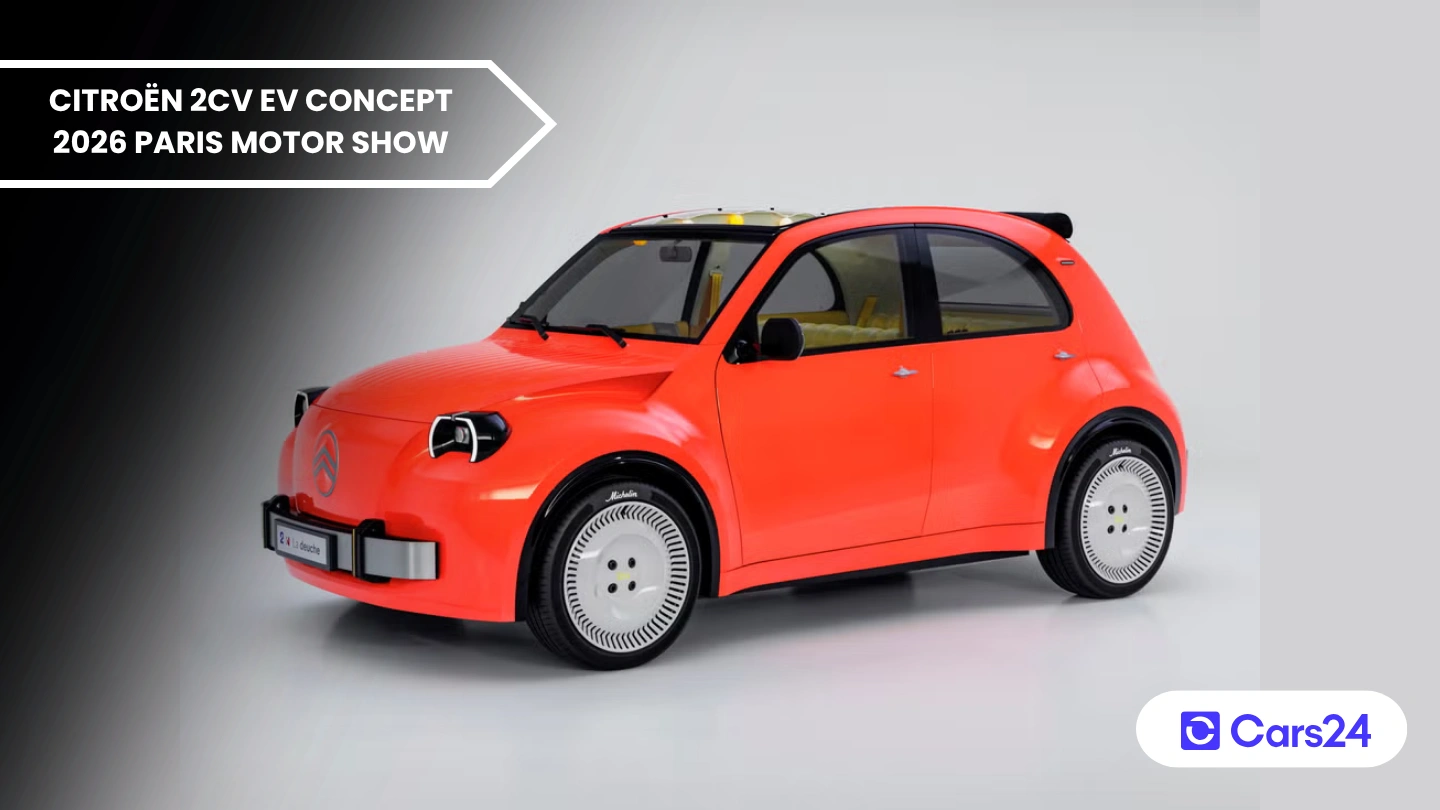
Citroën has unveiled a 2CV Concept that brings the spirit of its iconic French runabout into the electric era, and it’s designed to preview a production compact EV due by 2028.
The retail model is expected to cost around €15,000 (A$24,000) in Europe, and unlike many retro-inspired revivals, it stays remarkably close to the original car’s compact dimensions while focusing on lightweight construction, simple design and affordable ownership. However, Australian buyers are unlikely to get their hands on the revived 2CV.
Citroën 2CV EV: A compact electric car for the future
Citroën says it didn’t set out to recreate the original 2CV. Instead, it wanted to imagine a small, practical and enjoyable electric car for the future, using the famous model from its back catalogue for inspiration.
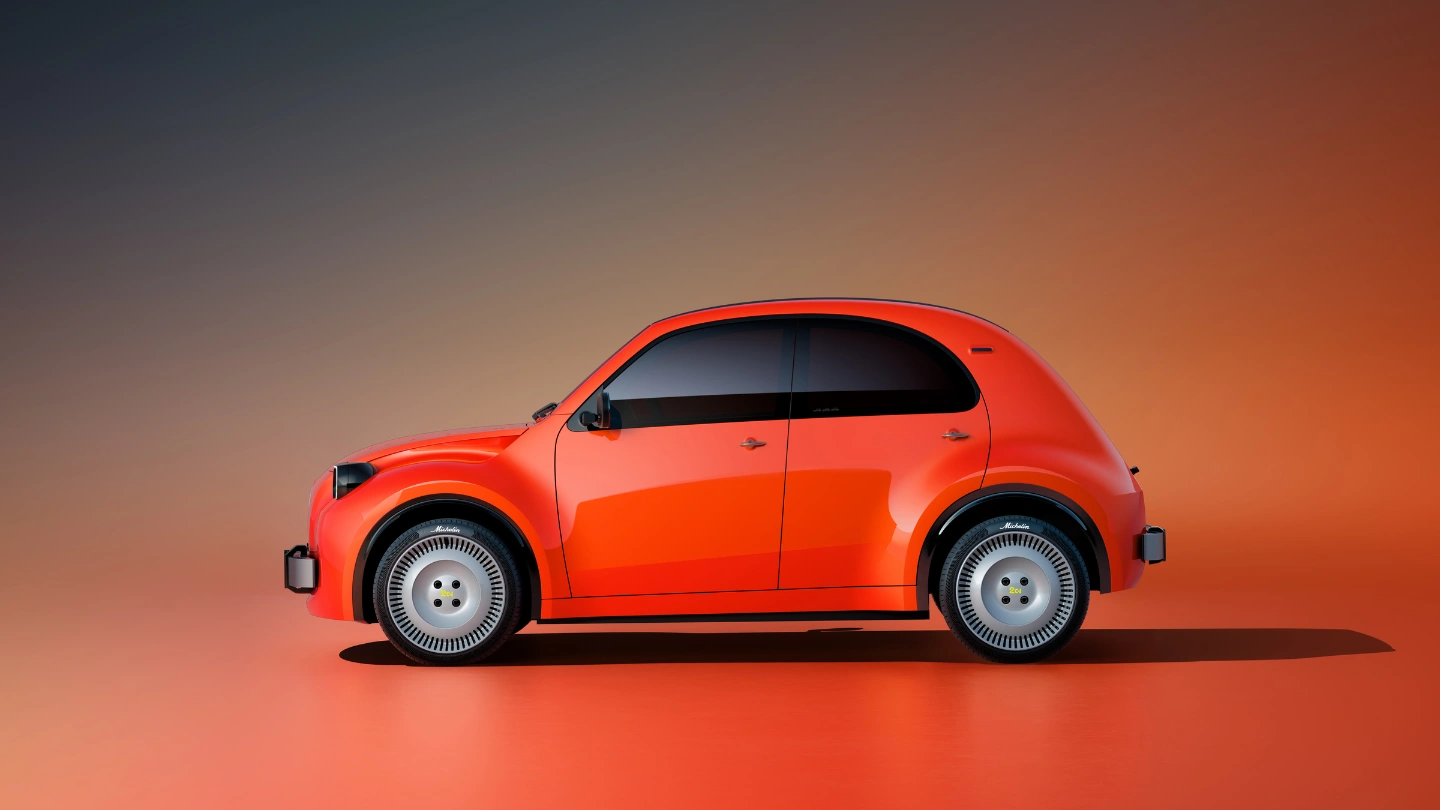
The concept features an electric motor and battery instead of the original’s tiny petrol engine, and at 3.76 metres long, it’s actually shorter than the original 2CV, which measured 3.86 metres. That’s a significant departure from retro revivals such as the Mini, Volkswagen Beetle and Renault Twingo, which have grown considerably compared with their predecessors.
Citroën is targeting a weight of just one tonne, and the company argues that reducing mass allows it to use a smaller, more affordable battery.
The production model is due by 2028, will be built in Europe and is expected to comply with E-Car regulations. An Australian launch looks highly unlikely.
Citroën briefly sold the original 2CV in Australia during the 1950s, but the revived electric version faces a different market situation. Distributor Inchcape decided to drop the Citroën brand locally in 2024.
Powertrain: Electric, but with a familiar sound
Citroën hasn’t released detailed technical specifications for the concept beyond its overall length, and we don’t yet know its electric motor output, battery capacity, charging performance or driving range.
However, the company has revealed two unusual details about the driving experience. At startup, the electric motor has been tuned to sound like the original 2CV, and the horn also reproduces the sound of the classic car.
The one-tonne weight target is another important part of the plan, as by keeping the car light, Citroën hopes to avoid the need for a larger, more expensive battery.
Also read: All-new Suzuki eSky electric kei car launches in Japan
Exterior design: Faithful to the original
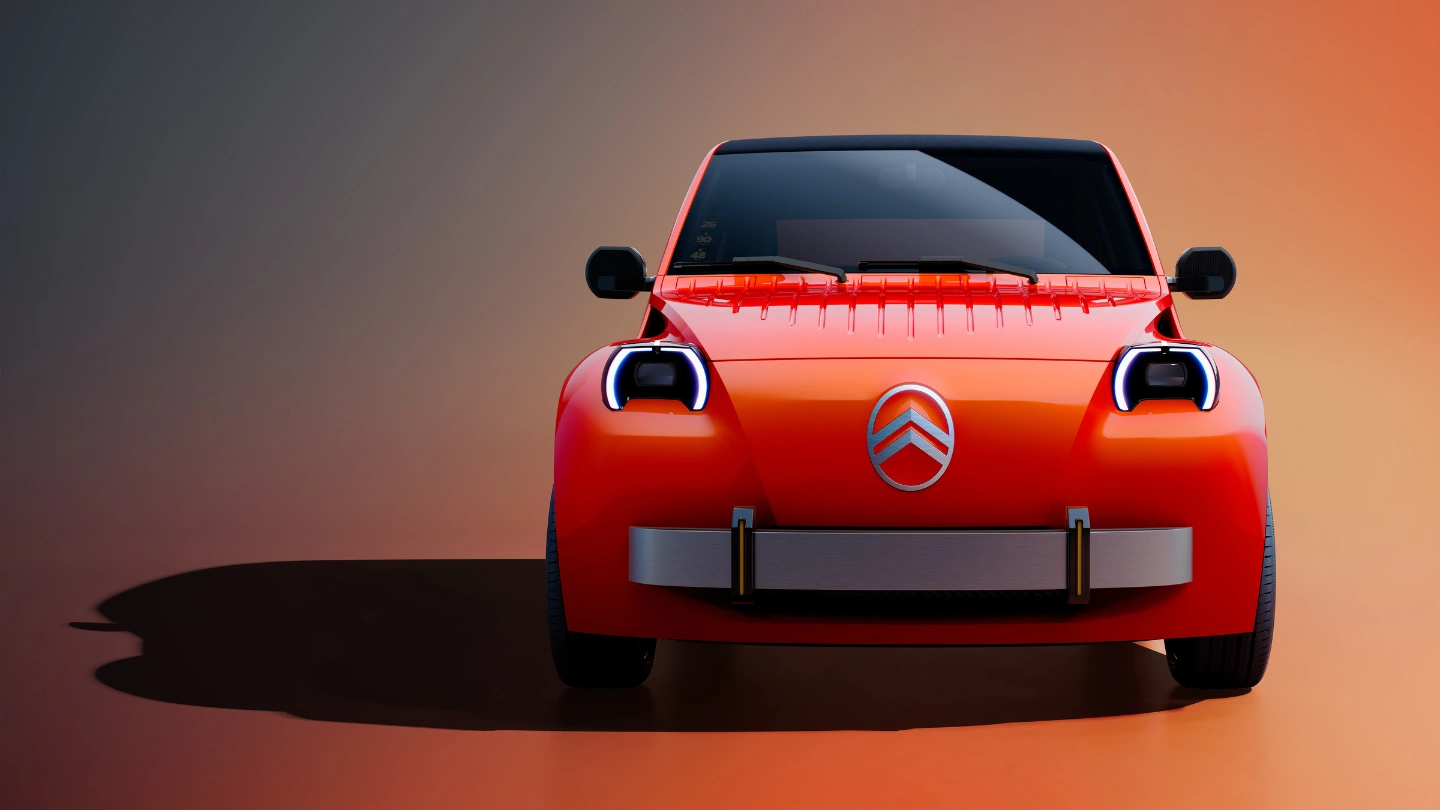
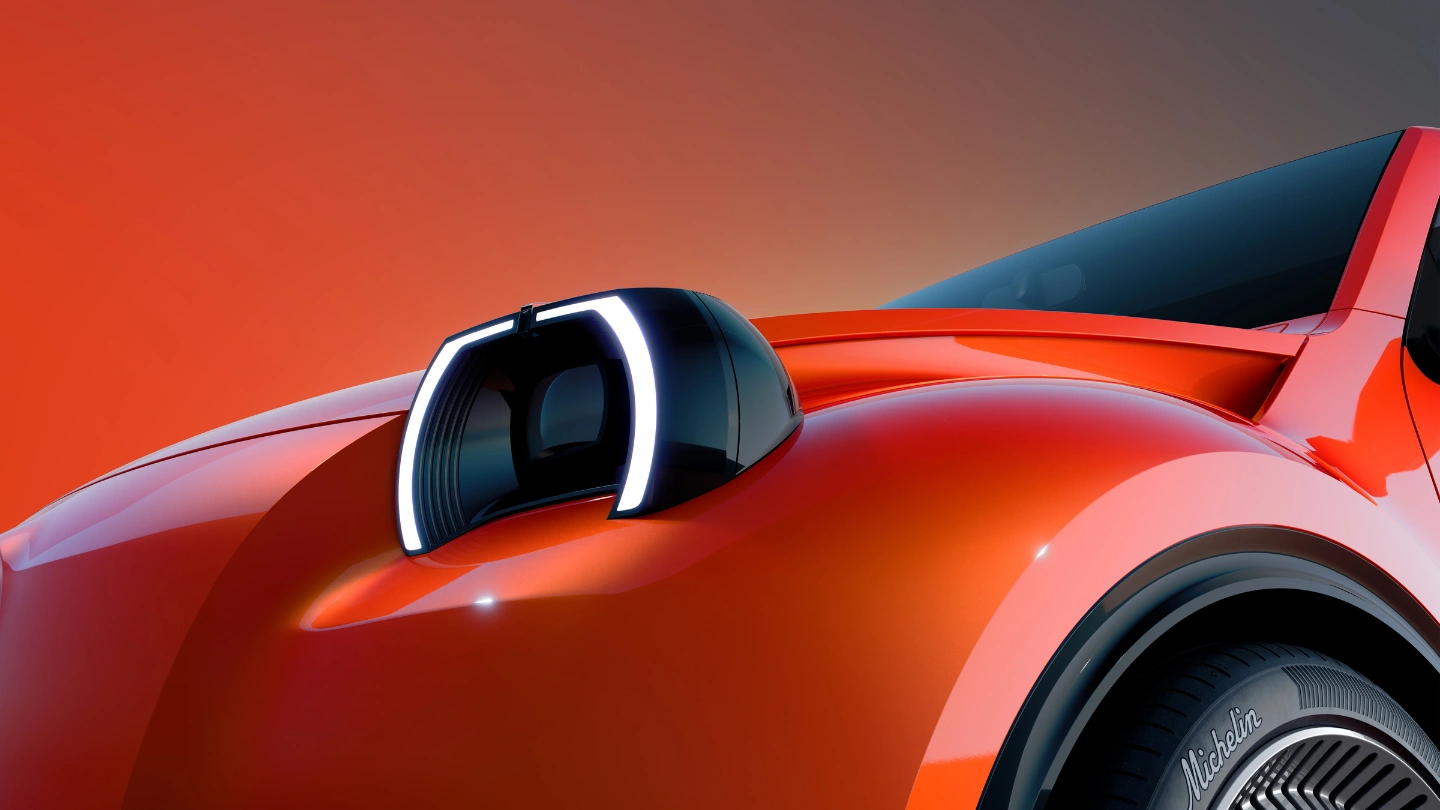
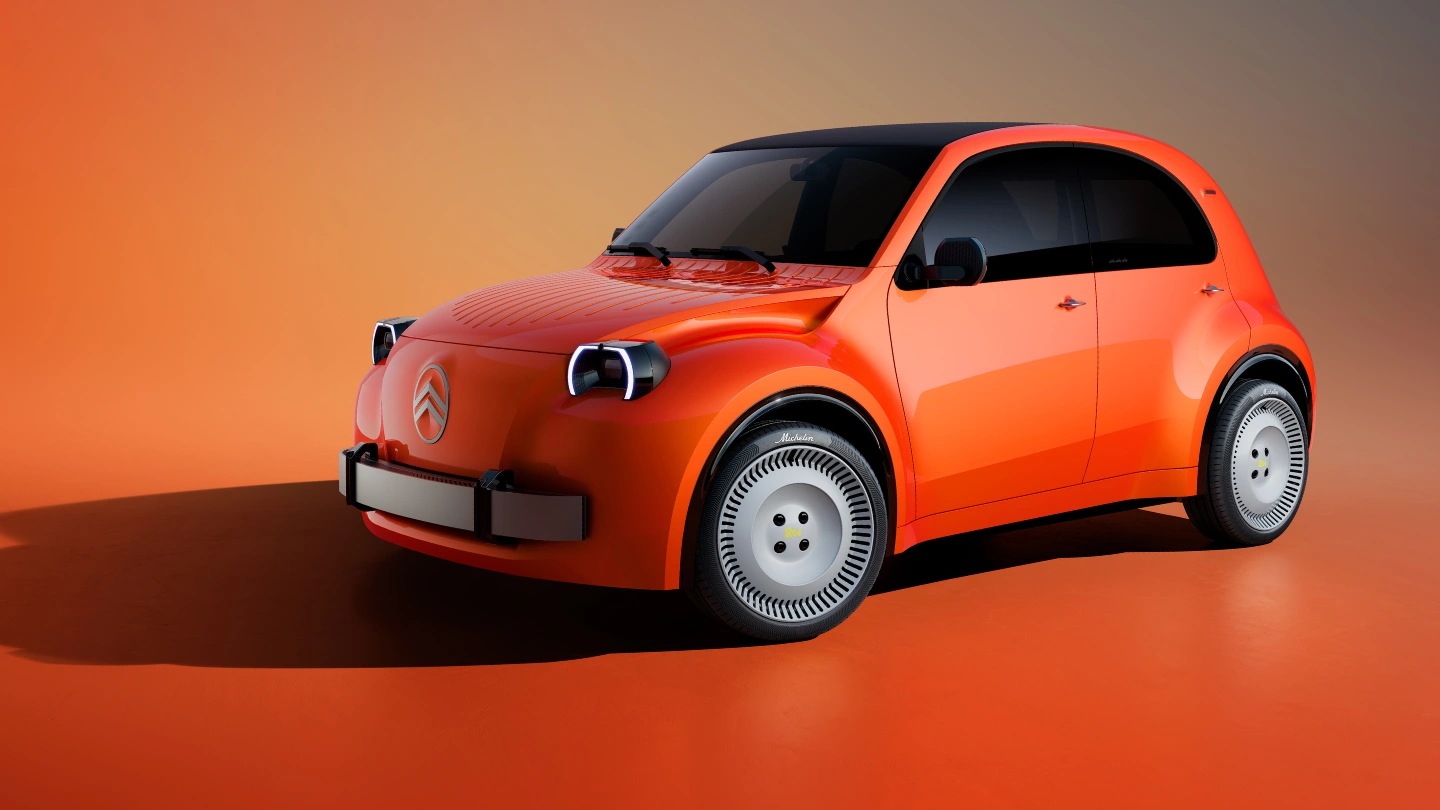
The concept closely follows the classic 2CV’s distinctive shape, including its tall, rounded body, “eye-like” headlights, ribbed bonnet, indicators mounted on the C-pillars and opening canvas roof.
Citroën has also reworked several details to keep manufacturing and repair costs down. The concept uses flat body surfaces, bumpers separated from the main bodywork and air intakes beneath the windscreen.
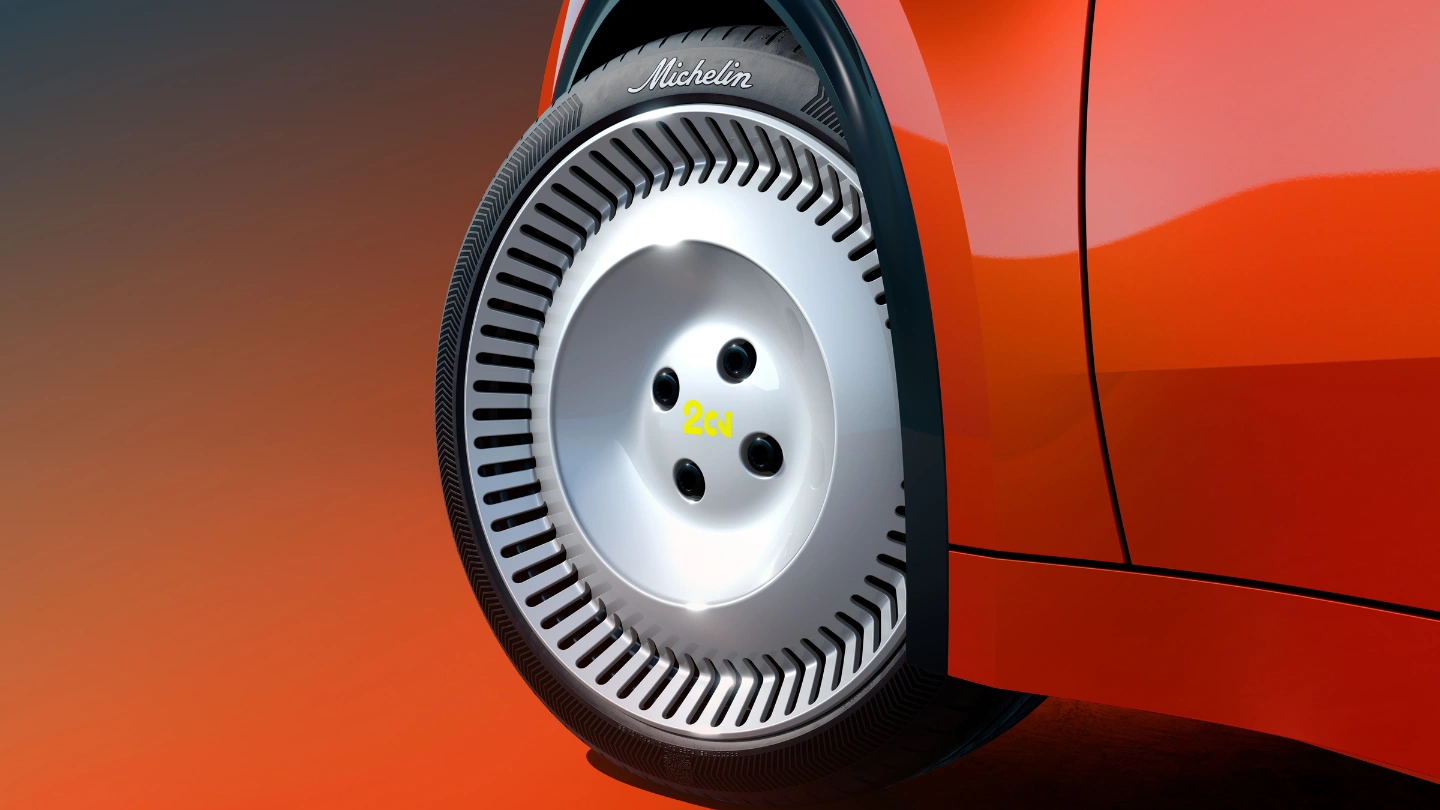
Its 18-inch steel wheels are considerably larger than those of the original car, although their design pays tribute to the classic model, and Michelin tyres complete the setup.
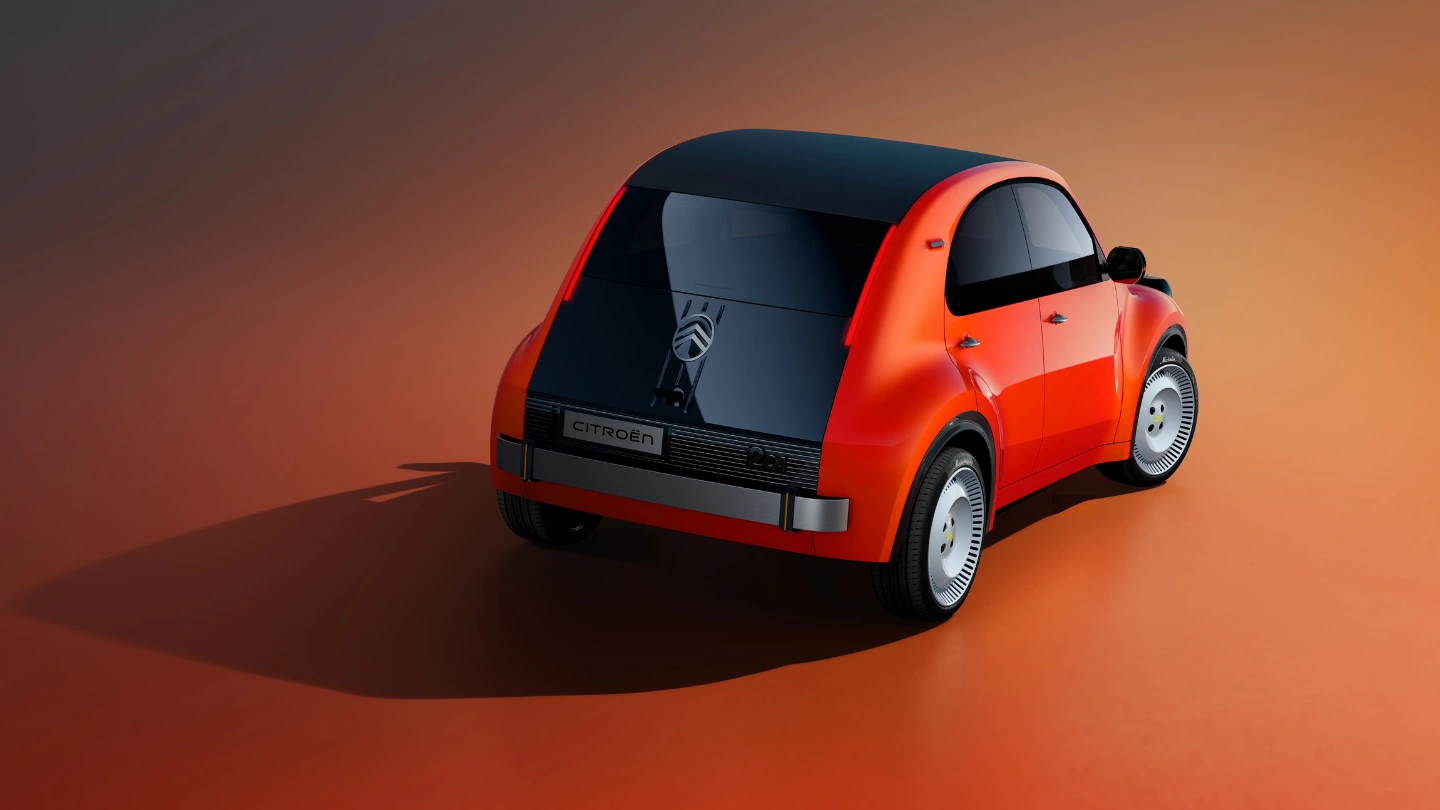
At the rear, the concept replaces the original’s small tail-lights near the bumper with thin, vertical light assemblies on either side of the rear window. The car is presented in a bright, orange-red paint finish, called “Infra Red,” which gives this concept car a bold, energetic road presence.
The overall approach combines recognisable 2CV styling with a deliberate focus on simpler construction.
Interior: Retro charm meets modern technology
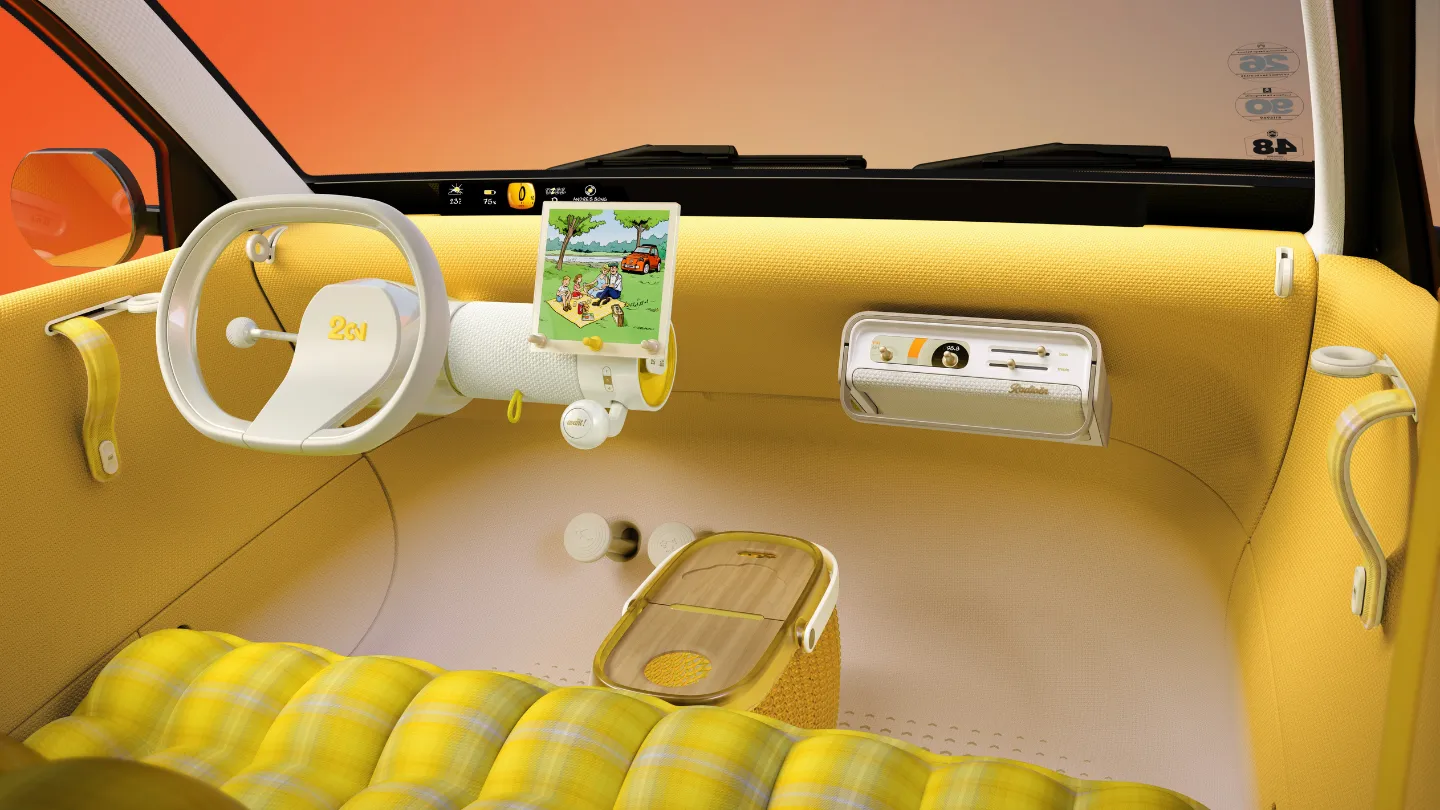
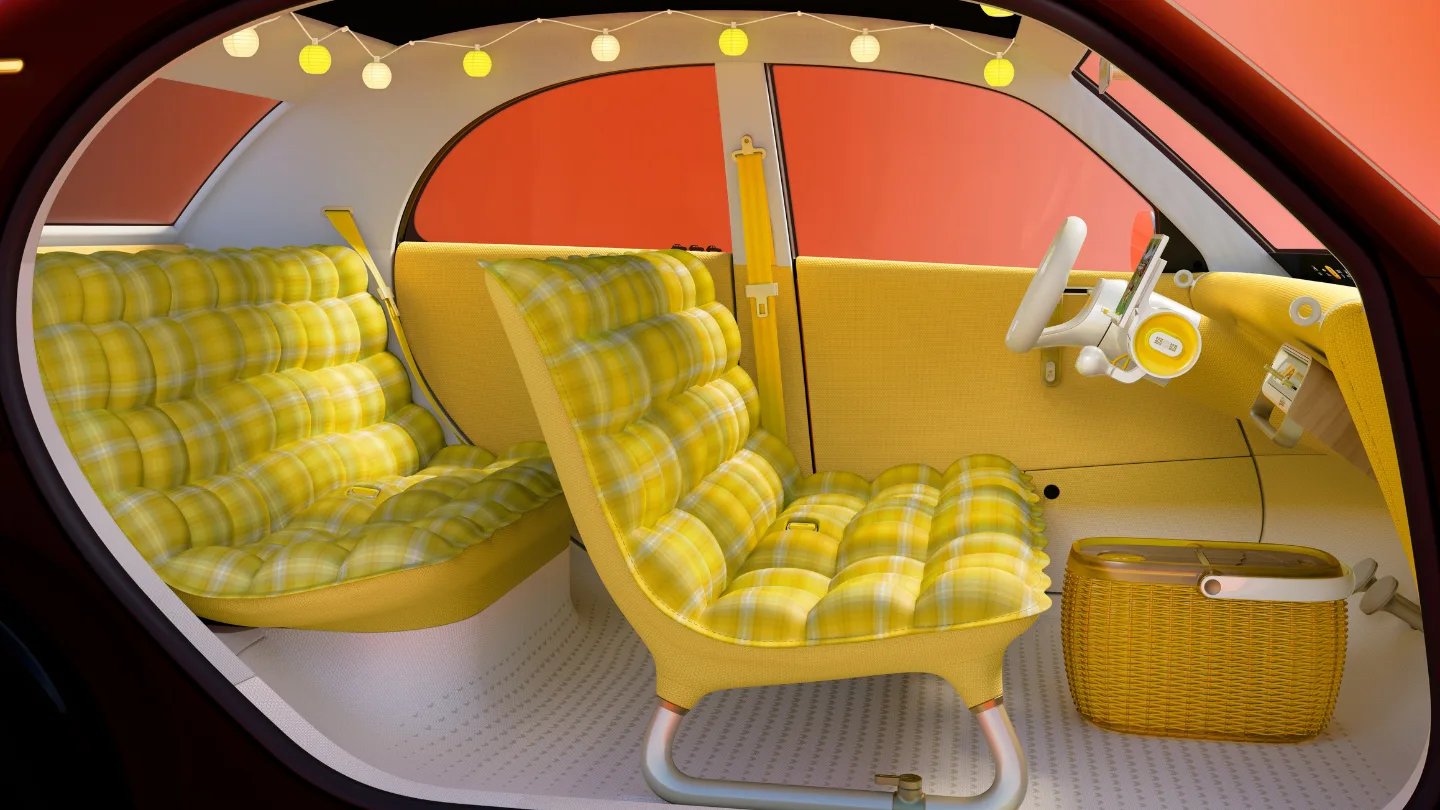
The cabin continues the concept’s retro theme, but Citroën hasn’t stripped away modern technology. Instead, it combines a simple, almost hollowed-out dashboard with textured fabric and contemporary displays.
The main dashboard components, which are the single-spoke steering wheel, gear selector and 8.0-inch infotainment touchscreen, all connect to a cylindrical structure. Here’s how the main interior features come together:
- Detachable Radioën: A removable radio that doubles as a portable speaker, allowing occupants to enjoy music outside the car.
- Digital instrument display: Sits ahead of the driver at the base of the windscreen.
- Removable storage basket: Takes the place of a conventional centre console.
- Soft-strap door handles: Replace traditional rigid handles.
- Bench seating: Both front and rear benches feature vibrant yellow-and-white tartan upholstery. The front bench is removable.
- Mixed materials: Beige details reference the original car’s Bakelite trim, while wood and bio-based plastic also feature.
- Opening fabric roof: String lights around the roof opening give the cabin the feel of a Parisian patio rather than a basic economy car.
Citroën has also scattered playful details throughout the cabin; for example, the brake pedal features a tortoise, while the accelerator carries a rabbit, giving small nods to the contrasting personalities of slow and fast.
A brief history of the original Citroën 2CV
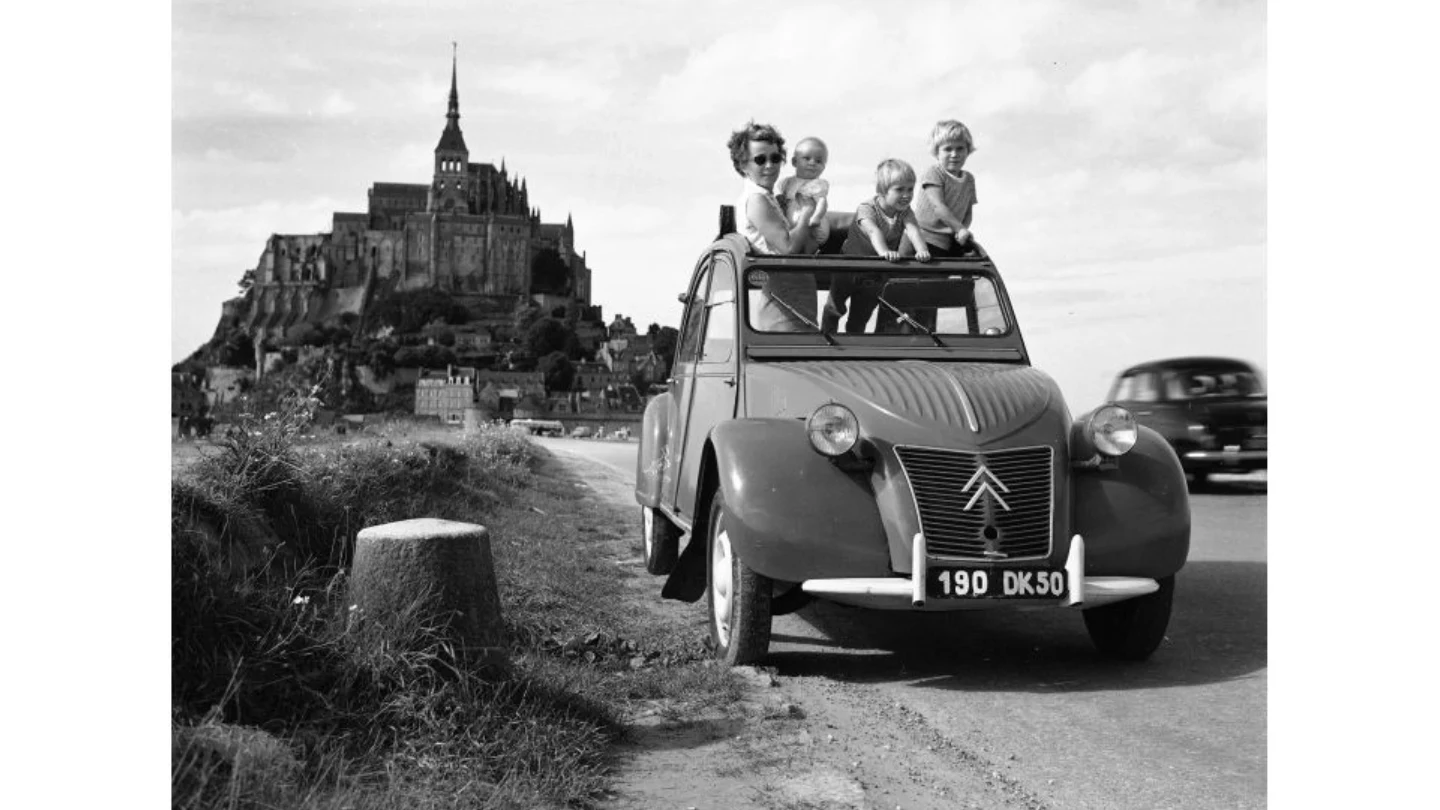
The 2CV’s story began in the 1930s, not long after Michelin took Citroën out of bankruptcy, and its development had to remain concealed after World War II began. Citroën redesigned the car to meet restrictions imposed by post-war rationing before unveiling it at the 1948 Paris motor show, and it went on sale in Europe in 1949.
The original model used a 6.6kW, 375cc engine and introduced several notable features for its time, including radial tyres, a folding fabric roof, long-legged suspension and front-wheel drive.
Its name stood for deux chevaux, meaning “two horses” or “two taxable horsepower”, referring to the tax class in which it competed.
Citroën designed the car around a straightforward brief: transport four people and 50kg of potatoes, reach 60km/h, remain economical and easy to maintain, and suit both rural and urban buyers.
The 2CV also spawned several derivatives:
- Ami sedan: A saloon based on the 2CV family
- Mehari: An off-road-oriented model
- Dyane: A hatchback intended to replace the original 2CV, but it went out of production before its predecessor
Like Volkswagen’s Beetle, the 2CV enjoyed an exceptionally long production run, and Citroën finally ended production in 1990.
Where it will sit in Citroën’s EV range
Citroën plans to position the production 2CV at the affordable end of its European EV lineup, alongside the Ami quadricycle and e-C3.
| Model | European price |
|---|---|
| Citroën Ami | €8,490 (A$13,600) |
| Citroën e-C3 | €12,990 (A$20,850) |
| Production 2CV EV (expected) | €15,000 (A$24,000) |
The 2CV will cost more than the Ami and e-C3 at launch, based on these indicative prices, but Citroën has yet to announce the production car’s final specifications or pricing.

Comments
New Comment