




Key highlights
- The new Tucson N Line features exclusive 20-inch alloy wheels, red interior accents and sport seats.
- Hybrid and plug-in hybrid versions produce up to 215kW and offer towing capacities of up to 1,910kg.
- Australian pricing, specifications and launch timing have yet to be confirmed.
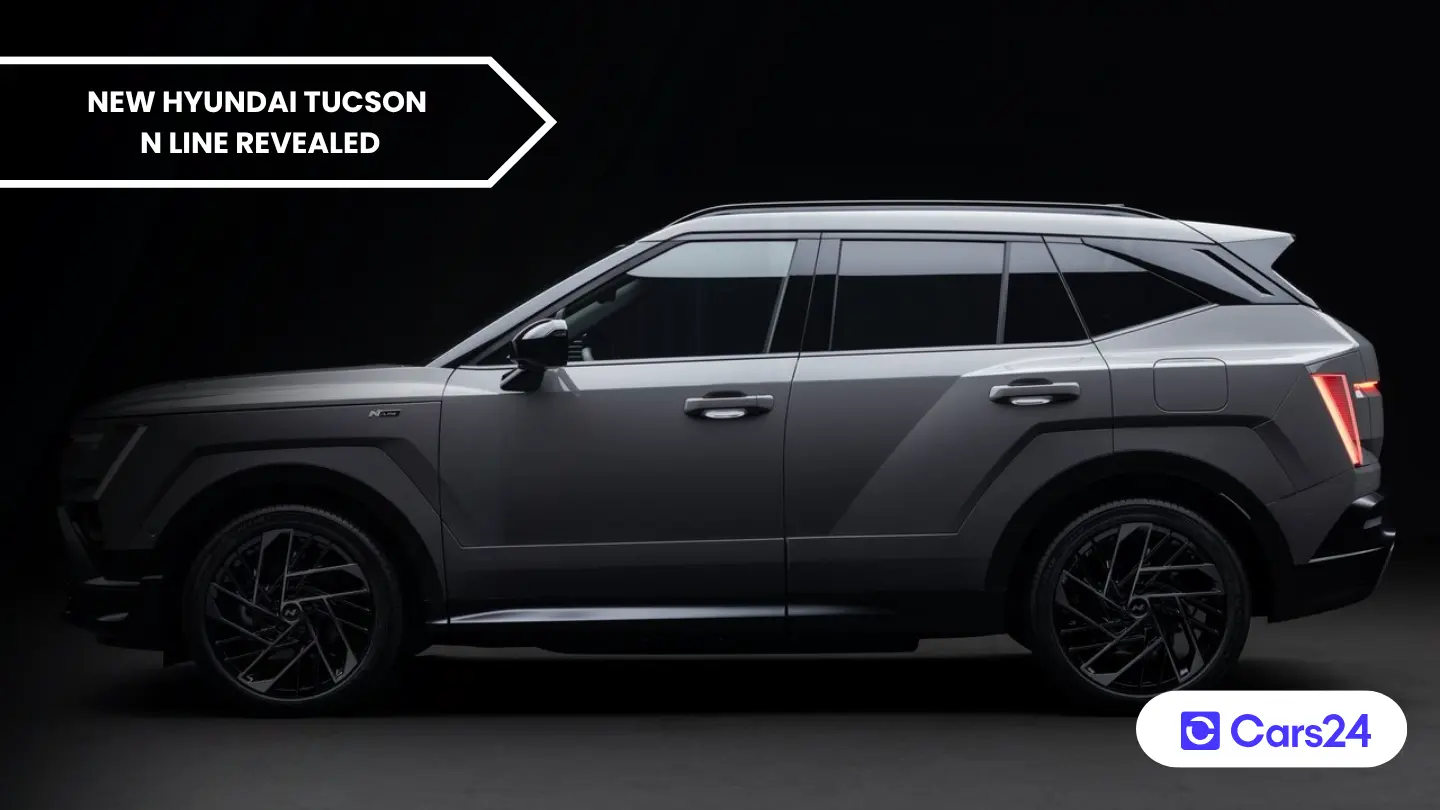
Hyundai has unveiled the new-generation Tucson N Line at the Paris Motor Show, adding a sportier-looking version to its recently revealed mid-size SUV. The latest model builds on the standard Tucson’s angular design with revised bumpers, black exterior details and larger alloy wheels.
The N Line is primarily a styling package rather than a dedicated performance model. It retains the practicality of the regular Tucson while adding design elements inspired by Hyundai’s N performance sub-brand.
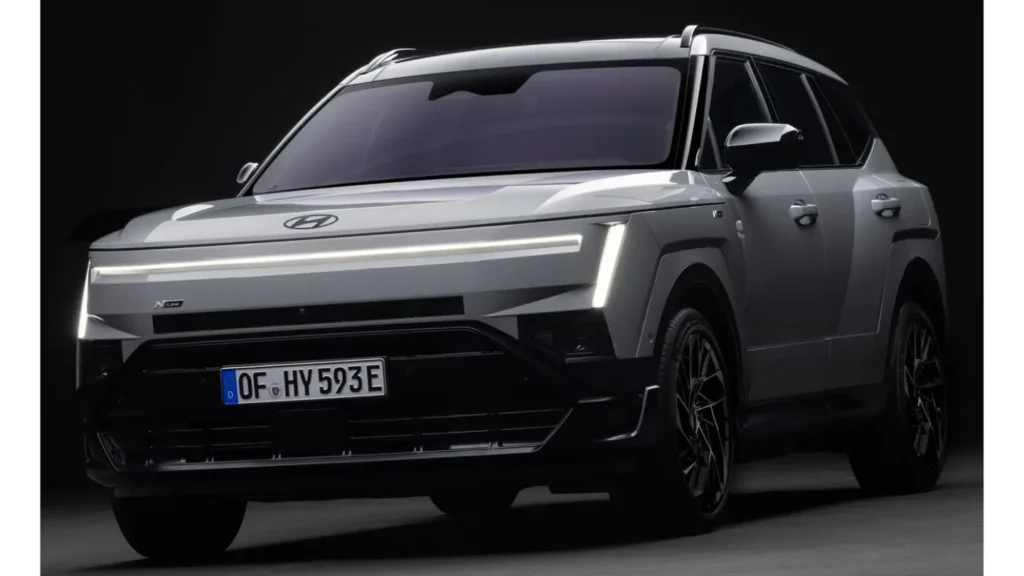
At the front, a more pronounced chin spoiler and satin-black air ducts give the SUV a sharper appearance. The side profile features muscular side skirts, body-coloured lower door trims and gloss-black mirror caps.
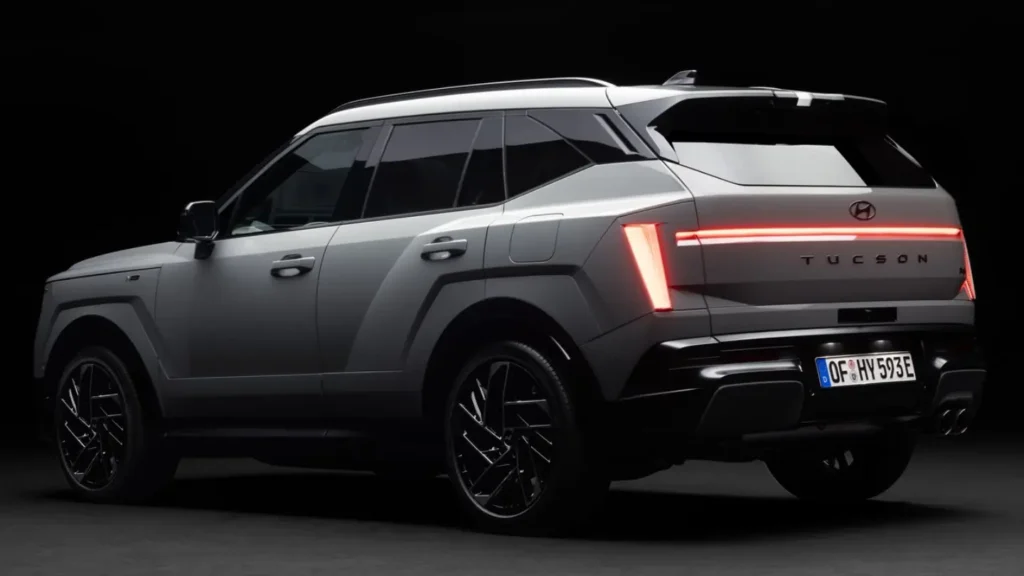
The rear gets a sculpted bumper with diffuser-style inserts and twin exhaust outlets. Model-specific 20-inch alloy wheels complete the exterior changes.
Hyundai has also retained the new Tucson’s H-Edge lighting design and sculptural rear lamps. Available Micro Pixel Lighting uses 25,600 individual LED pixels to control light patterns and create welcome and farewell animations.
Read more: Hyundai Inster gets $1500 price cut, but loses heat pump and V2L
Cabin gets sport seats and updated technology
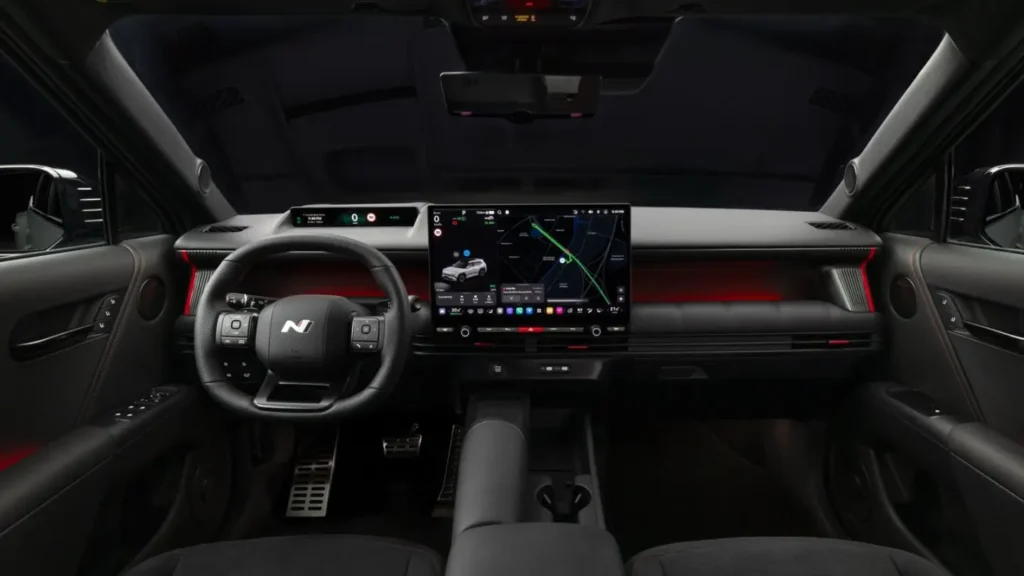
Inside, the Tucson N Line adopts a black interior with red stitching and contrasting accents across the seats, dashboard and door trims. The front sport seats combine leather and textile suede, while the N steering wheel features perforated leather grips and dark-metal detailing.
Metal pedals, an additional footrest and N Line scuff plates further distinguish the cabin from the standard model.
Despite the sportier treatment, the SUV retains its focus on family use. Boot capacity is rated at up to 613 litres, measured using the VDA method. The rear bench splits in a 4:2:4 configuration and slides by 150mm, allowing occupants to adjust the balance between passenger space and luggage room.
Depending on the variant, equipment can include an Ergo Motion driver’s seat, relaxation seats for the front occupants and Multi-Air Mode climate control.
The technology package includes a 17-inch infotainment display running Hyundai’s Pleos Connect system, based on Android Automotive OS. Other available features include Digital Key 2.0, dual 15W wireless phone chargers, a digital centre mirror and a 12-speaker Bang & Olufsen sound system.
Hyundai SmartSense driver assistance technology includes features such as Forward Collision-Avoidance Assist 2.0, Highway Driving Assist 2.0 and Remote Smart Parking Assist.
Three electrified powertrains available
The new Tucson N Line will be offered with three powertrain options, depending on the market. The entry-level 1.6-litre turbo-petrol mild-hybrid produces 110kW and uses a 48-volt electrical system to assist the engine. It is paired with a seven-speed dual-clutch transmission and front-wheel drive.
The full-hybrid version combines a 1.6-litre turbo-petrol engine with a 1.49kWh battery, delivering a claimed combined output of 180kW. Buyers can choose front-wheel drive or all-wheel drive, with power sent through a six-speed automatic transmission.
This version has a maximum braked towing capacity of up to 1,910kg, supported by Trailer Reversing Assist.
At the top of the range, the plug-in hybrid combines the 1.6-litre turbo-petrol engine with a 17.1kWh battery. Its combined system output is 215kW, while the claimed electric-only driving range reaches up to 67km with the N Line’s 20-inch wheels.
The plug-in hybrid is available with front-wheel drive or all-wheel drive and has a maximum towing capacity of up to 1,810kg. These figures are based on the specifications announced for the model and should not be treated as confirmed Australian-market figures.
Will the new Hyundai Tucson N Line come to Australia?
The Tucson competes in Australia’s crowded mid-size SUV market, where buyers can choose from petrol, hybrid and plug-in hybrid models. A sportier N Line variant could appeal to drivers who want a more distinctive design without stepping up to a dedicated performance SUV.
The hybrid options could also interest Australian families looking to reduce petrol use without relying entirely on charging infrastructure. The plug-in hybrid’s claimed 67km electric range may suit shorter daily commutes, provided owners can charge regularly.
However, Hyundai has not confirmed Australian pricing, specifications or launch timing for the new Tucson N Line. It is also unclear which powertrains and equipment packages would be offered locally.
Until those details are announced, Australian buyers will need to wait for confirmation before comparing the new model with locally available mid-size SUVs.

Comments
New Comment