




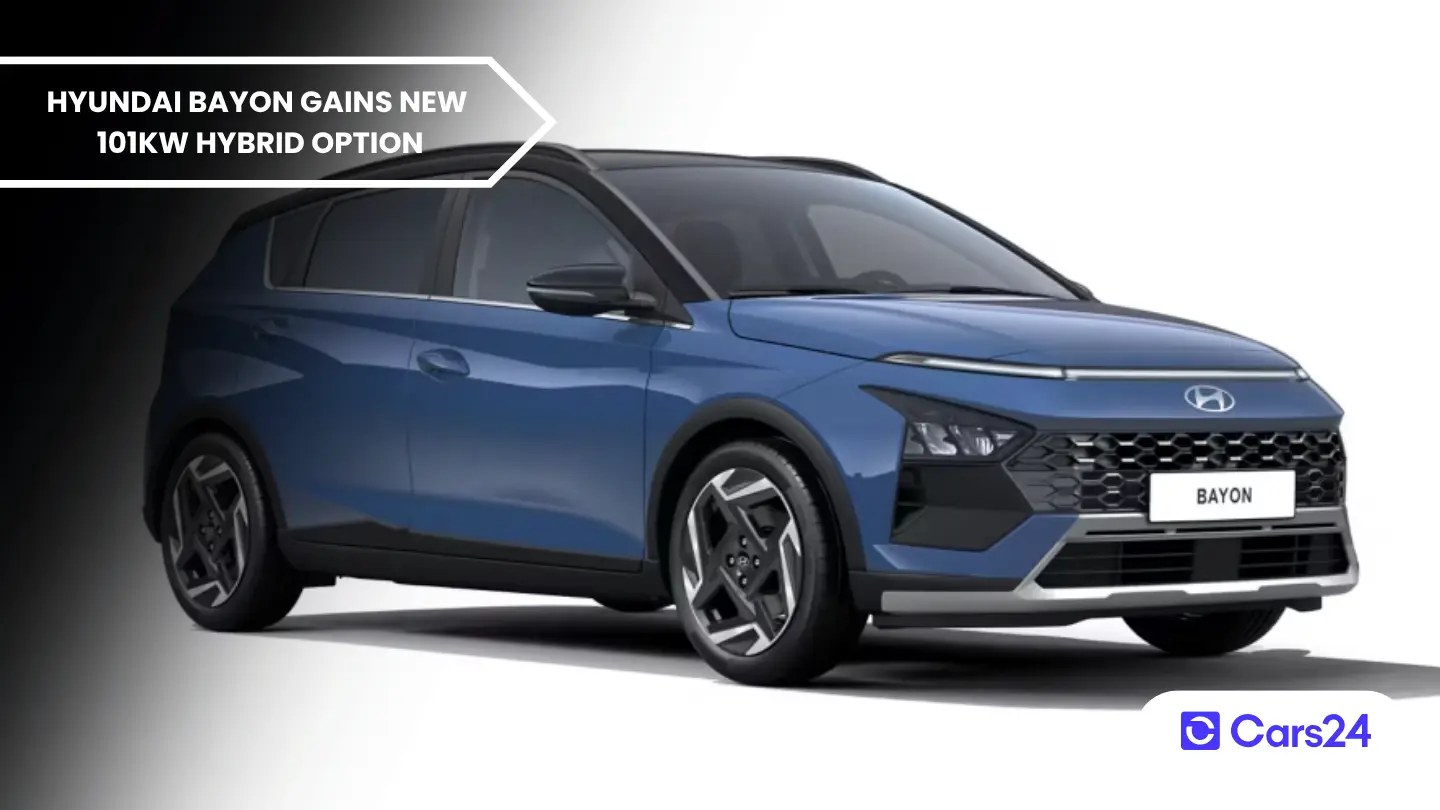
Key highlights
- The new Bayon introduces a 1.6-litre hybrid powertrain producing 101kW, paired with a six-speed dual-clutch automatic transmission.
- Petrol engines remain available, with outputs of 66kW and 85kW, while the hybrid sacrifices some boot space.
- European sales are scheduled to begin in early 2027, but Australian availability has not been confirmed.
Hyundai is expanding the powertrain options for its smallest SUV with the introduction of a hybrid version of the redesigned Bayon. Unveiled at the 2026 Paris Motor Show, the new model combines a 1.6-litre hybrid system with updated technology and a more substantial exterior design.
The addition of a hybrid option is the biggest mechanical change for the Bayon, which first went on sale in 2021 and received a facelift in 2024. The new generation will continue to offer petrol engines, giving buyers a choice between conventional power and electrification without moving to a fully electric vehicle.
The Bayon sits below the Kona in Hyundai’s European SUV range. Its compact positioning is intended to appeal to buyers who want the higher seating position and practicality of an SUV without the larger footprint of a mid-size model.
Read more: 2027 Xpeng G9L revealed at the 2026 Paris Motor Show
New 101kW hybrid joins petrol options
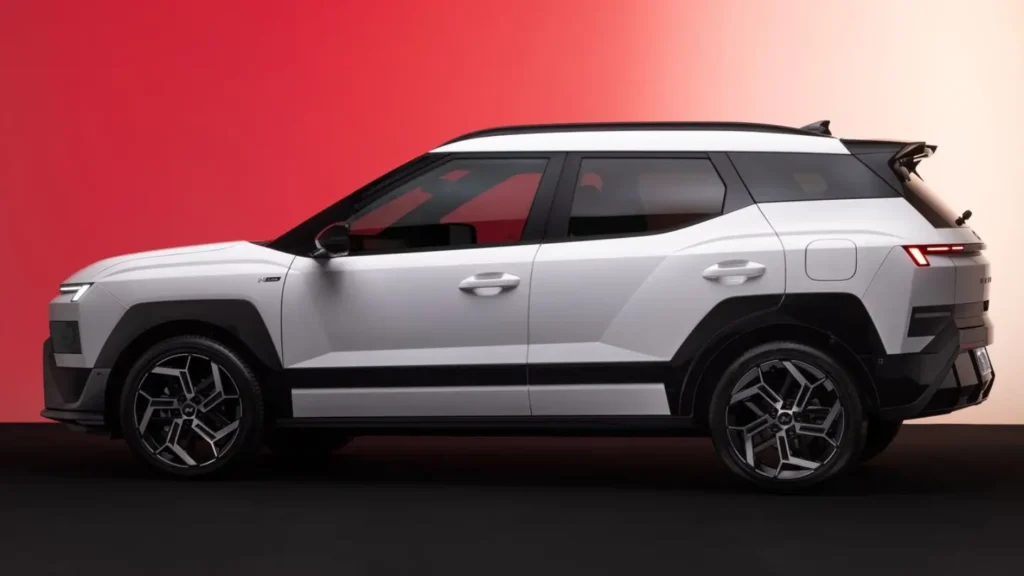
The new Bayon’s hybrid powertrain combines a 1.6-litre petrol engine with an electric motor to deliver a combined output of 101kW. It is paired with a six-speed dual-clutch automatic transmission, with drive sent to the front wheels.
Steering-wheel paddles allow drivers to adjust regenerative braking. This system recovers some energy as the vehicle slows down and feeds it back into the battery, helping improve energy efficiency.
However, the hybrid system comes with a practical compromise. Hyundai has confirmed that the battery and associated hardware reduce the Bayon’s boot capacity, although the final luggage-space figures have not yet been announced. Kerb weight, acceleration and fuel consumption figures for the hybrid are also yet to be confirmed.
Petrol-powered versions will remain part of the range. The entry-level 1.0-litre turbocharged three-cylinder engine produces 66kW and is available with either a six-speed manual or seven-speed dual-clutch automatic transmission.
A higher-output version of the same engine produces 85kW and offers the same transmission choices. Hyundai quotes a 0-100km/h time of 10.8 seconds for this version, while the 66kW variant takes 14.1 seconds.
The hybrid’s eventual appeal will depend partly on its real-world fuel consumption and price premium over the petrol versions. Those details are not yet available, making it too early to determine how much buyers could save on running costs.
A more substantial look for Hyundai’s smallest SUV
The redesigned Bayon moves towards a more upright, angular appearance, with styling cues drawn from Hyundai’s latest Tucson. A raised bonnet, sharper bodywork and distinctive daytime running lights give it a more assertive look than the outgoing model.
An N Line variant will also join the range. It adds a sportier body kit, 18-inch alloy wheels, twin exhaust outlets and red stitching inside the cabin, along with metal sports pedals.
Despite the tougher appearance, the new Bay remains a front-wheel-drive SUV. Hyundai has not announced an all-wheel-drive version.
The changes are largely about design rather than off-road ability. The Bayon remains positioned as a compact urban SUV, with its smaller footprint intended to suit everyday driving and city parking.
More equipment and digital features inside
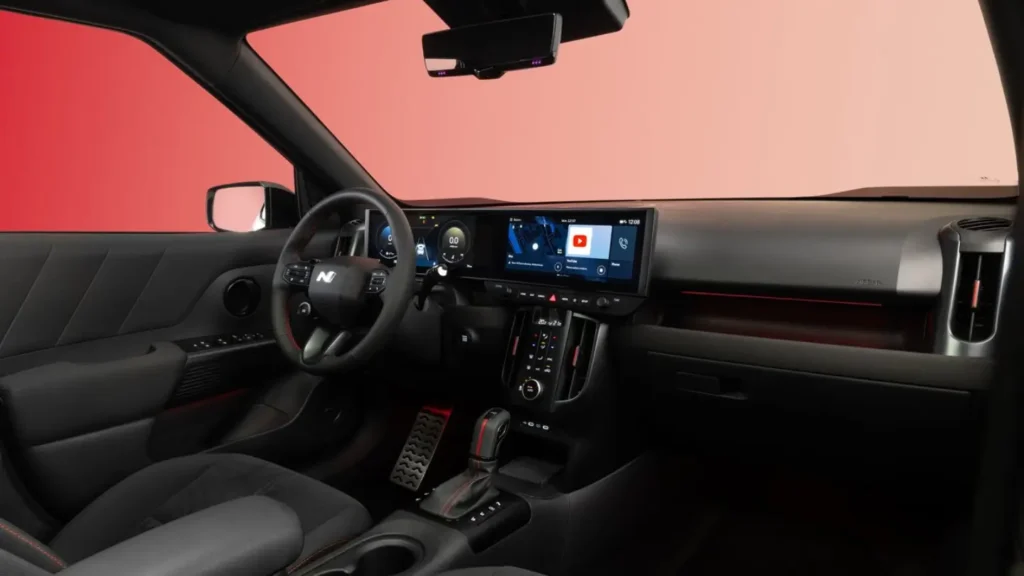
The new cabin gains optional dual 12.3-inch displays, combining the digital instrument cluster and infotainment system. Other available features include ventilated front seats, a panoramic sunroof, a surround-view camera and Hyundai Digital Key 2, which allows compatible smartphones to lock, unlock and start the vehicle.
A Bose premium sound system will also be available. Hyundai has retained physical buttons on the centre console, although the climate controls use touch-sensitive surfaces.
The equipment list suggests a greater emphasis on convenience and technology, but the full specification breakdown has not yet been announced. It is therefore unclear which features will be standard and which will be reserved for higher-grade variants.
Is the new Hyundai Bayon coming to Australia?
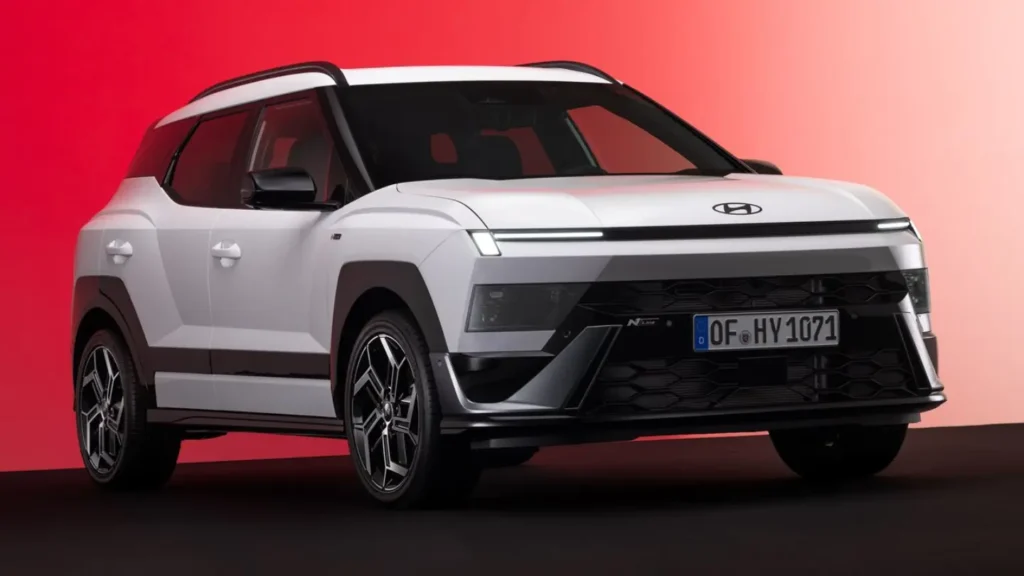
Hyundai plans to begin European sales of the redesigned Bayon in early 2027. The company has not confirmed Australian pricing, specifications or local launch timing.
For Australian buyers, the hybrid powertrain could make the Bayon worth watching if it eventually joins the local range. A small SUV with a conventional petrol engine and a hybrid alternative could suit drivers who want to reduce fuel use without switching to a fully electric vehicle.
However, the Bayon’s suitability for Australia will depend on more than its powertrain. Pricing, rear-seat space, boot capacity and the equipment offered locally would all influence how it compares with established small SUVs.
For now, the redesigned Bayon remains a European-market reveal. Hyundai Australia has yet to confirm whether it will be sold locally, so buyers should not assume the new hybrid will arrive here.

Comments
New Comment