




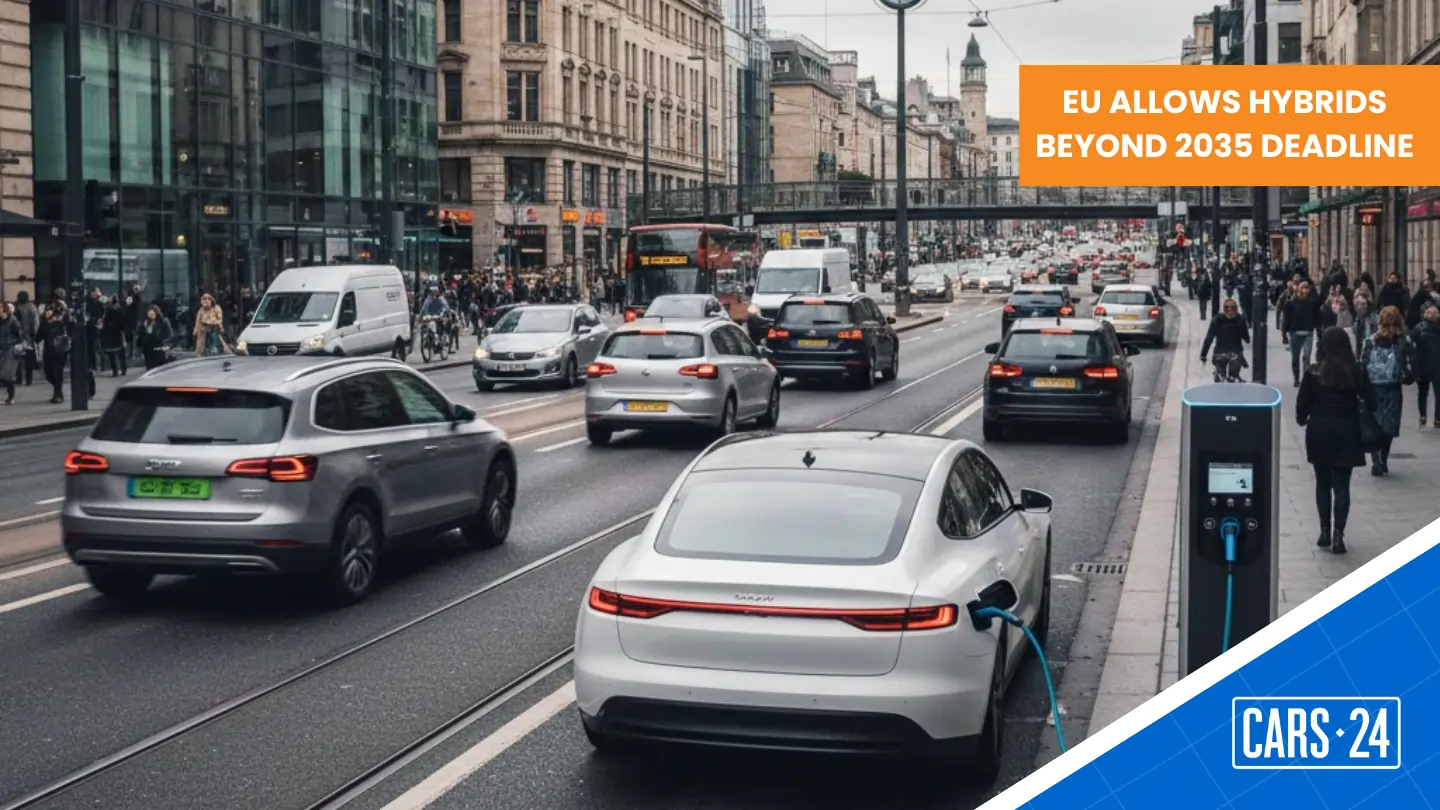
Europe has formally proposed changes to its planned 2035 ban on internal combustion engine (ICE), marking a major shift in the region’s emissions policy as automakers struggle with slowing electric vehicle (EV) demand and infrastructure challenges.
The European Commission (EC) has proposed changes that would allow the continued sale of a limited number of vehicles using combustion engines beyond 2035, provided their emissions are offset through alternative measures. The proposal still needs approval from EU governments and the European Parliament.
What was the original 2035 ban?
Under the previous regulations, all new passenger cars and vans sold in the EU from 2035 onwards had to produce zero tailpipe CO₂ emissions
- This effectively banned:
- Petrol cars
- Diesel cars
- Hybrids
- Plug-in hybrids
- Automakers exceeding fleet emissions targets faced significant financial penalties
However, vehicles already on the road were not affected by this ban.
The rule was designed to support the EU’s goal of achieving carbon neutrality by 2050, based on the assumption that cars remain on European roads for around 15 years.
What is changing now?
The European Commission has proposed replacing the 100% zero-emissions target with a 90% fleet-wide CO₂ emissions reduction by 2035, compared with 2021 levels.
Key changes at a glance
The revised proposal significantly alters how compliance would be measured after 2035.
| Item | Old Rule | New Proposal |
| 2035 target | 100% zero-emissions | 90% CO₂ reduction |
| ICE vehicles | Fully banned | Limited numbers allowed |
| Hybrids & PHEVs | Not allowed | Allowed with offsets |
| Compliance | Tailpipe only | Fleet-wide + offsets |
In practical terms, the Commission expects around 90% of new vehicles sold in 2035 to be electric. The remaining 10% to include:
- Petrol
- Diesel
- Hybrid
- Plug-in hybrid
- Range-extender vehicles
How will emissions be offset?
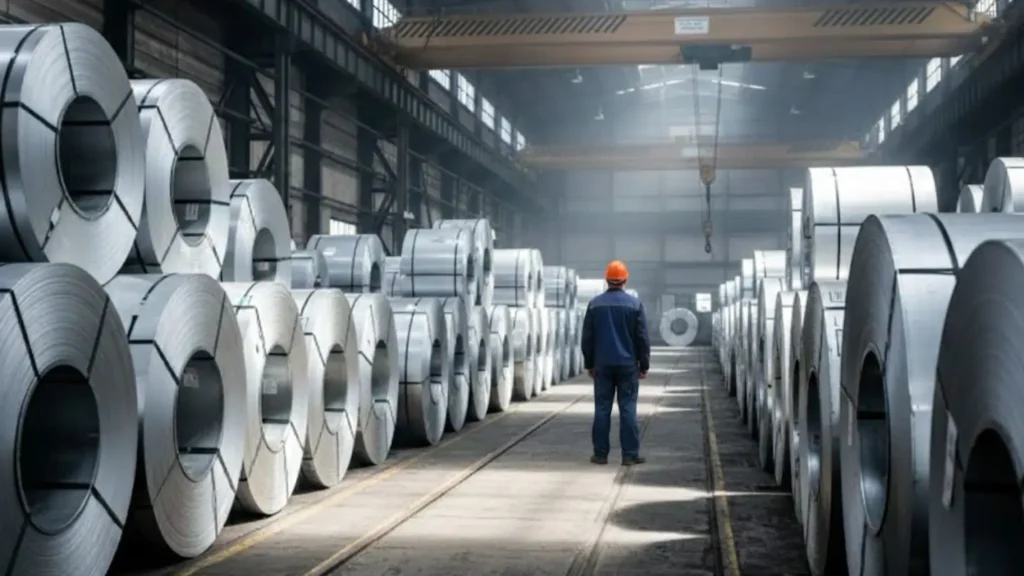
Any remaining emissions from combustion-engine vehicles would need to be compensated using alternative measures, including:
- Synthetic e-fuels
- Non-food biofuels (e.g. agricultural waste, used cooking oil)
- Low-emission or ‘green’ steel produced in the EU
- Other approved low-carbon production methods
This approach follows what the Commission calls the principle of “technological neutrality”.
Support for small electric cars
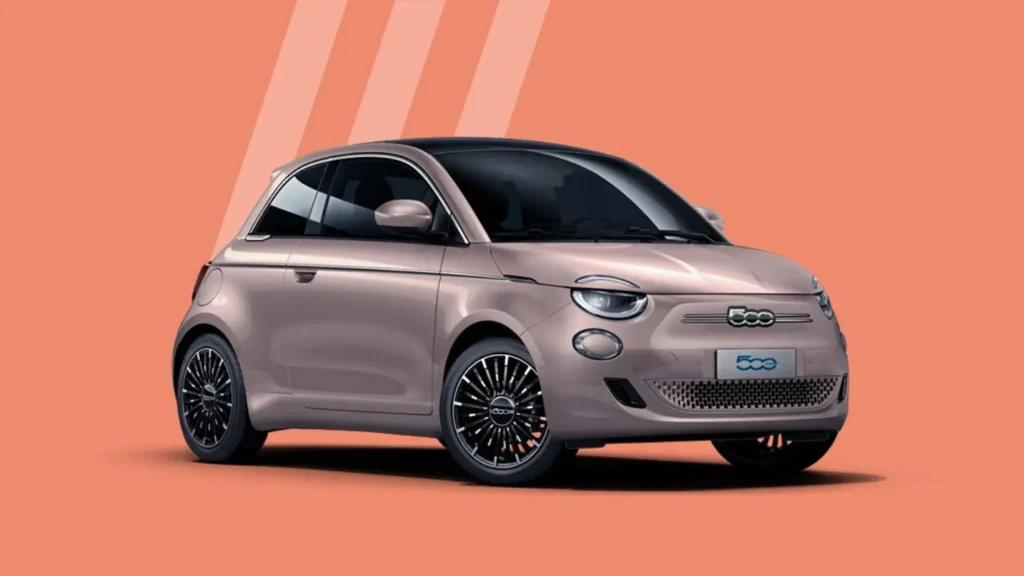
To strengthen Europe’s EV industry and counter growing competition from China, the proposal also includes:
- ‘Super credits’ for small, EU-built electric vehicles
- A new lighter regulatory category for small EVs
- Incentives aimed at keeping affordable EV production within Europe
Why did the EU change course?

Automakers have been lobbying for flexibility, citing several challenges:
- Slower-than-expected EV adoption
- Inadequate charging infrastructure in many regions
- High EV development costs
- Increasing competition from Chinese EV manufacturers
Current EU sales mix (to October 2025)
| Powertrain | Market share |
| Battery electric (BEV) | 16.4% |
| Hybrid (HEV) | 34.6% |
| Plug-in hybrid (PHEV) | 9.1% |
| Petrol & diesel | Remainder |
While EV sales are growing, hybrids and PHEVs are driving most of the market momentum.
Automaker reactions remain divided
Automakers have responded with mixed reactions to the European Commission’s proposal to soften the 2035 combustion engine ban, highlighting a clear split within the industry.
Volkswagen welcomed the changes, calling the proposal “economically sound overall”. The company said the decision to support small electric vehicles is particularly favourable, while allowing combustion-engine vehicles with emissions offsetting is a pragmatic approach that better reflects current market conditions.
Ford has also pushed for greater flexibility, urging policymakers to include hybrid vehicles in the 2035 framework. The shift follows a difficult period for the US automaker, which recently took a US$19.5 billion writedown related to its EV business and has cancelled several electric vehicle programs globally.
On the other side of the debate, Polestar strongly criticised the move, warning it could harm Europe’s long-term competitiveness. The EV-focused brand argued that Europe does not have a demand problem, but rather a confidence problem. It said allowing fossil-fuel vehicles beyond 2035 risks locking in pollution well into the 2050s.
Stellantis, which operates brands including Jeep, Peugeot, Citroën, and Fiat, said the proposal does not go far enough to address the industry’s challenges. The company raised particular concerns about light commercial vehicles, describing the situation for vans and commercial fleets as critical. It also argued that the proposal lacks sufficient flexibility around the 2030 emissions targets.
Environmental groups echoed some of these concerns, warning that easing emissions rules could undermine investment in charging infrastructure and slow Europe’s transition to electric vehicles.
What happens next?

The European Commission will formally present the revised emissions proposal to the European Parliament in 2026. For the changes to come into effect, the plan must be approved by both EU member states and the European Parliament.
The proposal also includes adjustments to the interim 2030 targets. Passenger cars would be required to achieve a 55 per cent reduction in carbon dioxide emissions relative to 2021 levels, averaged over 2030–2032. For vans, the 2030 reduction target would be eased to 40 per cent, down from the current 50 per cent requirement.
The bigger picture
Analysts say the EU’s decision reflects a broader global shift away from rigid electrification deadlines toward more flexible compliance systems. Rather than abandoning electrification altogether, Europe appears to be buying time, attempting to balance climate ambitions with industrial competitiveness as the automotive industry navigates a slower and more complex transition than initially expected.

Comments
New Comment