




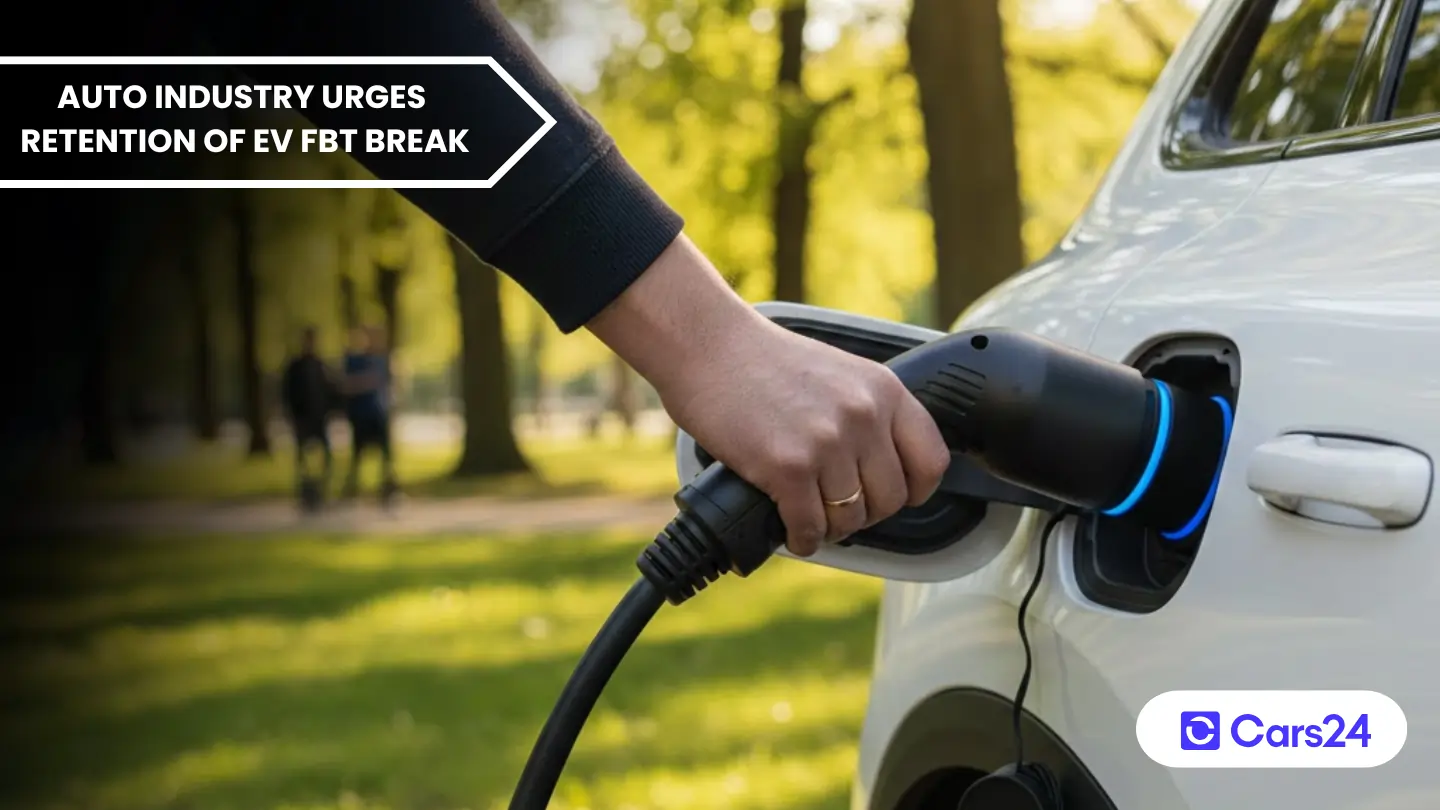
A pivotal review of Australia’s primary electric vehicle tax incentive has ignited a complex debate, placing the government at the centre of competing priorities: maintaining hard-won market momentum, managing fiscal responsibility, and ensuring an equitable transition to lower emissions.
The policy under scrutiny, the Electric Car Discount, has become a cornerstone of the nation’s EV adoption strategy since its introduction in July 2022. By exempting eligible battery-electric vehicles from the Fringe Benefits Tax (FBT) when acquired through novated leasing, it has significantly lowered the effective purchase price for thousands of salaried employees.
With the Treasury’s statutory review now underway, major automotive industry bodies have presented a unified, data-heavy case for the incentive’s retention, warning that its abrupt removal could stall progress just as the market begins to accelerate.
The policy’s proven impact
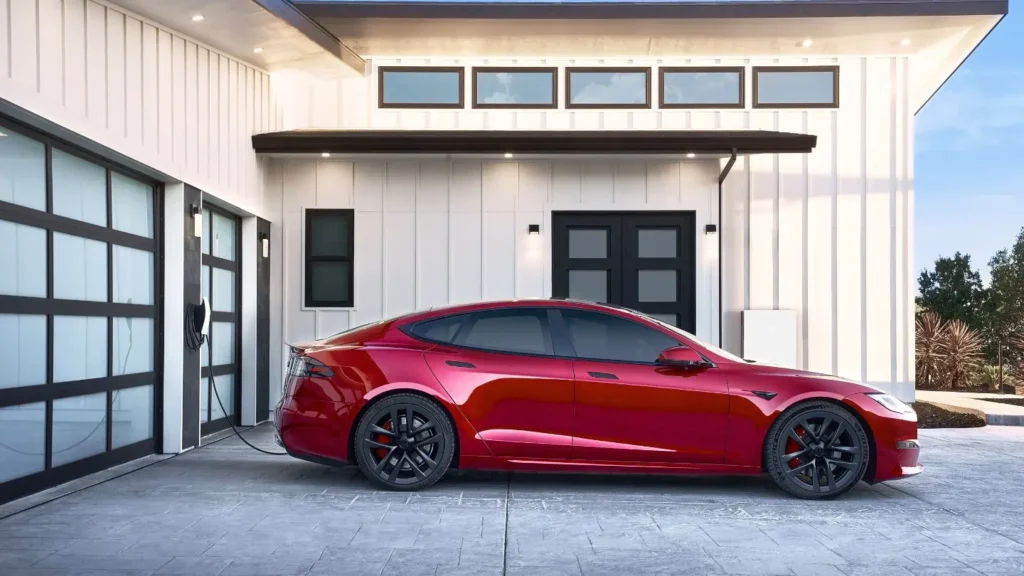
Submissions from the Federal Chamber of Automotive Industries (FCAI), the Electric Vehicle Council (EVC), and the National Automotive Leasing and Salary Packaging Association (NALSPA) point to a clear correlation between the policy and rising EV sales figures.
NALSPA data indicates the national BEV market share rose from 1.4% in 2021 to 8.3% in 2025, attributing over 100,000 additional EV sales directly to the discount. The EVC reports an even higher current market share of approximately 13%. Both groups credit the FBT exemption with reducing the upfront cost barrier that has long been cited as the primary obstacle for Australian consumers.
“The Electric Car Discount was introduced to drive up EV uptake, drive down emissions and make EVs more affordable, and it has been a remarkable success for the government on all fronts,” stated NALSPA chief executive Rohan Martin.
A delicate balancing act for the government
The review, conducted by the Australian Centre for Evaluation within Treasury, faces a multifaceted challenge. It must weigh the policy’s success in stimulating demand against several factors:
- Fiscal Sustainability: The exemption represents forgone government revenue at a time of budget constraints.
- Market Evolution: A core question is when the EV market might mature enough to operate without direct purchase incentives.
- Equity Concerns: Critics have noted the policy’s benefits are primarily accessible to salaried workers with access to novated leasing, raising questions about fairness for other buyers.
The industry’s central argument- A two-pronged approach
The unifying theme across all industry submissions is that supply-side regulation alone is insufficient. They argue that the New Vehicle Efficiency Standard (NVES), which mandates cleaner vehicle fleets from manufacturers, must be complemented by sustained demand-side support.
“Manufacturers have responded to the NVES by expanding the range of BEVs available, with more than 100 models now on sale,” said FCAI chief executive Tony Weber. “Supply-side regulation alone will not deliver the transition. Consumer demand must also be supported if Australia is to meet its emissions reduction objectives in an affordable and practical way.”
The groups point to a stark domestic precedent: when the FBT exemption was removed from plug-in hybrid electric vehicles (PHEVs) in March 2025, novated lease settlements for those models reportedly fell by 94% in the following quarter.
International lessons and future recommendations
Industry advocates have cautioned against following international examples where incentive removal led to market downturns. “International experience shows that EV sales can retreat quickly when demand-side incentives are removed too early,” noted EVC chief executive Julie Delvecchio, referencing policy shifts in Germany, Canada, and New Zealand.
While strongly advocating for the exemption’s retention, the submissions also suggest pathways for reform:
- The FCAI recommends extending similar tariff exemptions to electric light commercial vehicles.
- The EVC calls for a review of broader demand-side measures, such as rebates or GST adjustments, to support consumers who cannot access novated leasing.
The path forward
The Treasury’s review is expected to deliver its findings by mid-2027. Its conclusions will signal the government’s long-term strategy for the transport transition, whether it views the Electric Car Discount as a temporary catalyst or an enduring component of its climate policy framework.
The coming months of analysis and deliberation will determine if Australia’s EV adoption curve continues its upward trajectory or confronts a new set of speed bumps.

Comments
New Comment