




Key highlights
- Ford Australia ended local vehicle manufacturing on 7 October 2016 after 91 years of production.
- The final Australian-made Ford was a blue FG X Falcon XR6 sedan built at Broadmeadows.
- Ford still uses Australian engineering expertise to develop vehicles including the Ranger and Everest for global markets.
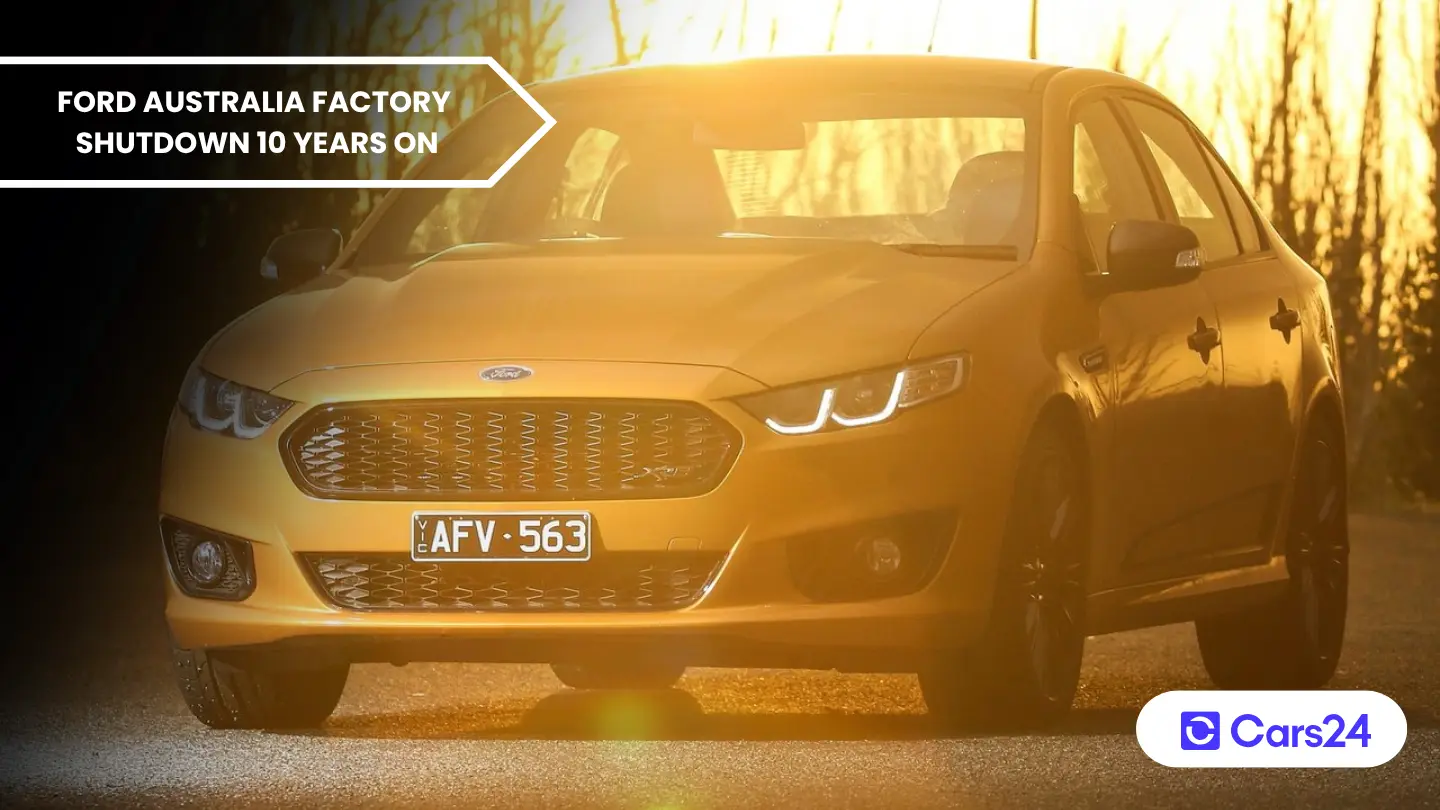
It has been 10 years since Ford Australia switched off its final vehicle production line at Broadmeadows, Melbourne, bringing an end to one of the longest chapters in Australian automotive history. On 7 October 2016, a blue Ford Falcon FG X XR6 became the last Australian-made Ford to leave the factory. It was the 4,356,628th vehicle manufactured by Ford in Australia since the company began local production in 1925.
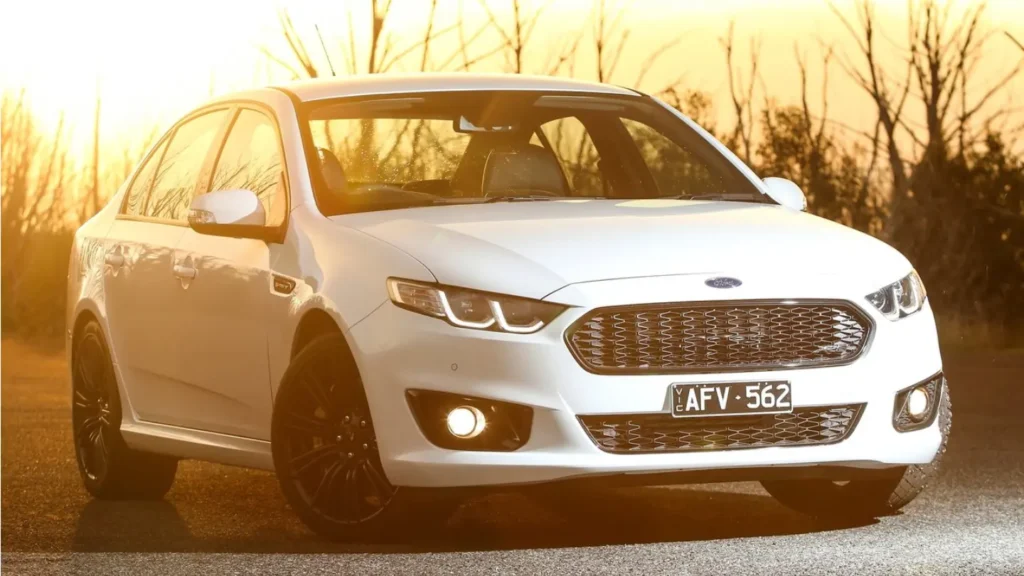
The final Falcon was more than just another car leaving the production line. It represented the end of a model line that had become deeply embedded in Australian motoring, from the early Falcons of the 1960s through to the performance-focused XR and GT models of later generations.
The Broadmeadows factory itself had been producing vehicles since 1960, when the first Australian-built Falcon was made there. Over the decades, the site produced a range of Ford models, including the Falcon, Fairlane, LTD and Territory.
Ford’s Australian manufacturing story, however, began earlier. The company established its Australian operations in 1925 and initially assembled Model T cars in Geelong. Production later expanded to several Australian locations before manufacturing was consolidated around Victoria.
Read more: 2027 Ford Everest Wolftrak arrives with green trim and a $3000 premium over the Sport
Why did Ford stop building cars here?
Ford announced in May 2013 that it would end vehicle manufacturing in Australia in October 2016. The decision followed years of financial pressure and falling demand, with Ford reporting a $141 million loss in the financial year before the announcement. The company said around 1,200 positions would ultimately be affected across its Broadmeadows and Geelong operations.
By the time production ended, around 600 manufacturing workers lost their jobs, while some employees moved into other roles within Ford or remained temporarily to help with decommissioning. Ford was the first of Australia’s remaining major car manufacturers to close its local production lines. Toyota and Holden followed in 2017, with Toyota ending production at Altona in October and Holden closing its Elizabeth plant later that month. That made the Ford shutdown a major turning point for Australian manufacturing, rather than simply the end of the Falcon.
Ford did not completely leave Australia
While the factory closure ended Australian vehicle production, Ford did not abandon the country. The company retained its design, engineering, research and development operations in Victoria, including facilities in Broadmeadows and Geelong and the You Yangs Proving Ground.
That decision has proved significant. Ford’s Australian engineering operation has played a major role in the development of vehicles sold around the world. The locally developed T6 platform underpins the Ford Ranger and Everest, while Australian teams have also worked on specialised vehicles for international markets.
Ford now employs around 1,500 people across its Australian technical operations, according to the company. Its work includes engineering and development for the Ranger, Ranger Raptor and Everest, as well as specialised vehicles for applications including mining and emergency services. That means Australian-developed automotive expertise did not disappear when the final Falcon left the factory. Instead, the nature of the work changed.
From Falcon production to Ranger and Everest development
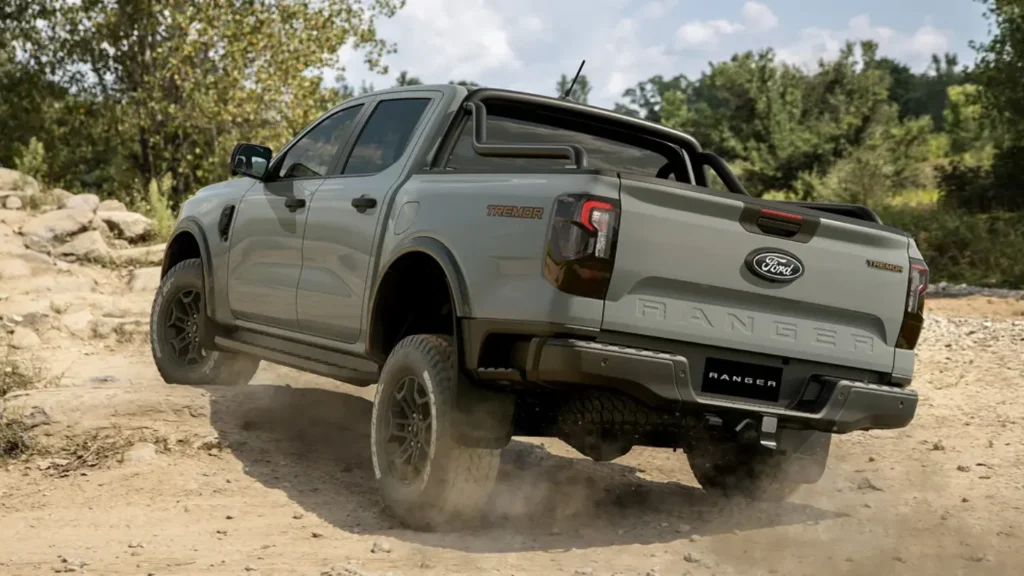
The contrast between Ford’s Australian operations in 2016 and 2026 is significant. A decade ago, hundreds of workers were building Falcons and Territory SUVs on a production line that had operated for decades. Today, Australian engineers and designers are contributing to vehicles produced for markets around the world. The Ford Ranger has become particularly important to Ford’s modern Australian identity. It is no longer an Australian-built vehicle, but the ute’s development has strong Australian roots. The same T6 architecture also underpins Everest, giving Ford’s local engineering operation an influence that extends well beyond Australia’s borders.
The Broadmeadows site itself has also changed dramatically. The former production facility has been demolished, with plans now being developed for a large data-centre precinct on part of the former factory site. Ford’s technical operations, however, remain part of the company’s Australian footprint. For Australian car enthusiasts, the anniversary is still largely remembered through the image of that final blue Falcon leaving the line.
But Ford’s Australian story did not finish when the factory closed. Ten years on, the Falcon is gone, Australian vehicle manufacturing has disappeared, and the factories that once produced millions of cars have largely been repurposed. What remains is a different kind of Australian automotive industry, one built around engineering, design, testing and vehicle development rather than mass production. And while today’s Ranger and Everest may be built overseas, the expertise behind them still carries a distinctly Australian connection.

Comments
New Comment