




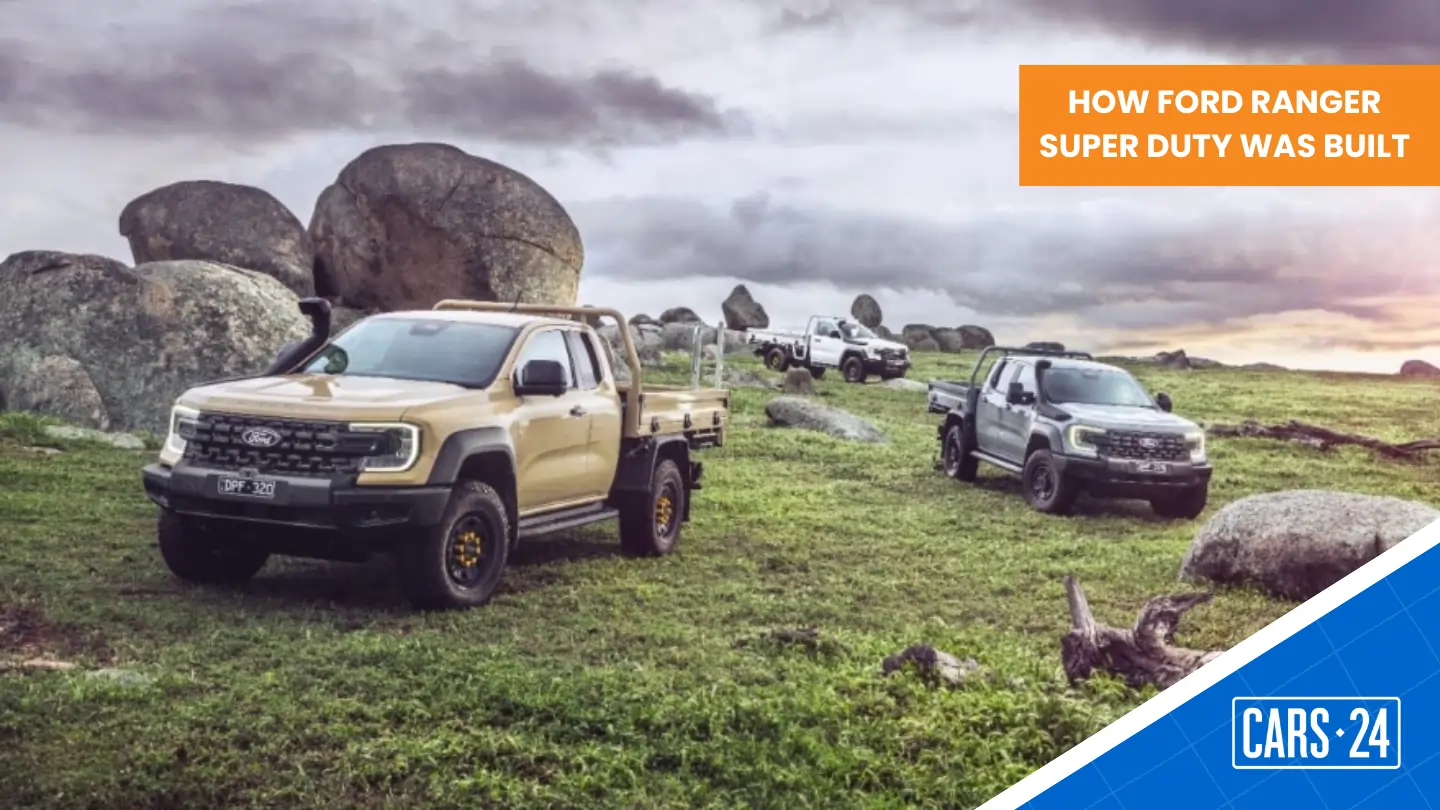
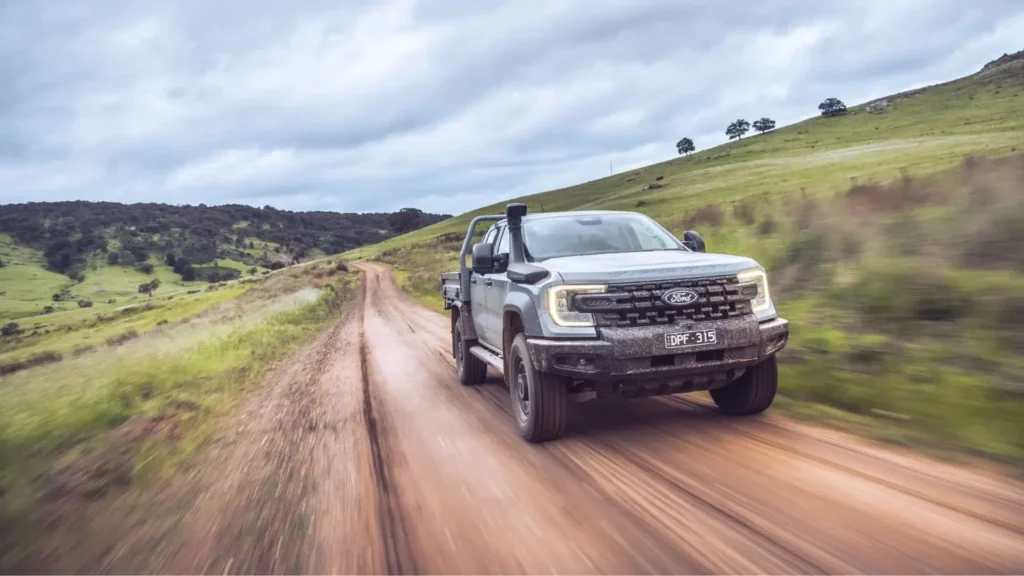
Ford has released a detailed breakdown of how the Ford Ranger Super Duty was developed, offering a rare behind-the-scenes engineering showcase that reveals the decisions, testing, and problem-solving that went into the brand’s toughest Ranger ever. Published under the title “Answering the call: how we built the Ranger Super Duty,” the feature highlights one core message: this model exists because working Australians asked for it.
Built for super heavy-duty
The American brand says the Ford Ranger Super Duty was created in response to requests from industries that need more than the current Ranger and Raptor can withstand in the long term. These needs reportedly came from mining fleets, remote-site contractors, and heavy-towing operations.
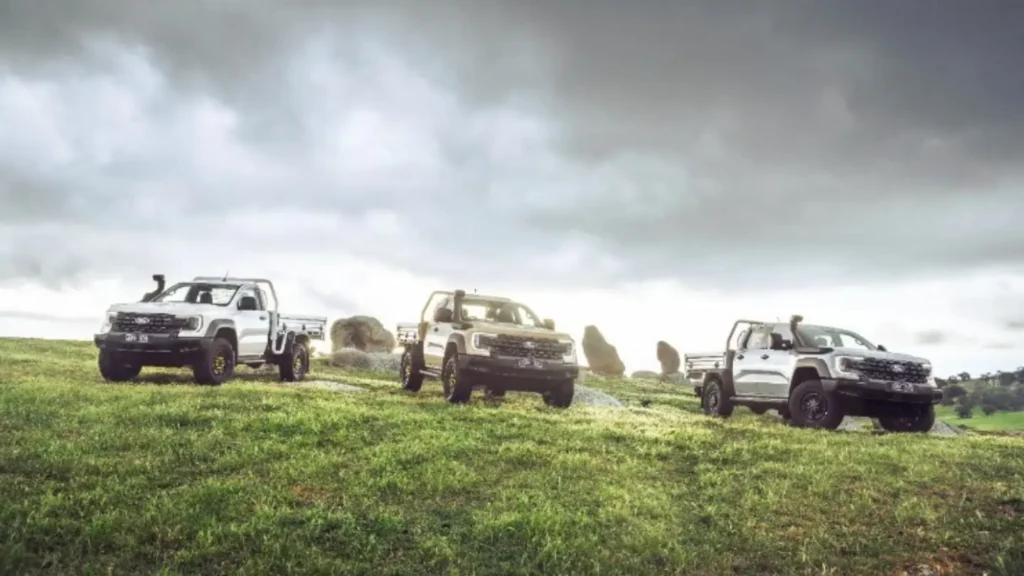
According to the engineering team, the project focused on endurance under constant load rather than peak performance during weekends.
Toughened components take centre stage
Ford says the Ranger Super Duty uses upgraded hardware closer to that of commercial trucks than that of mainstream dual-cab utes.
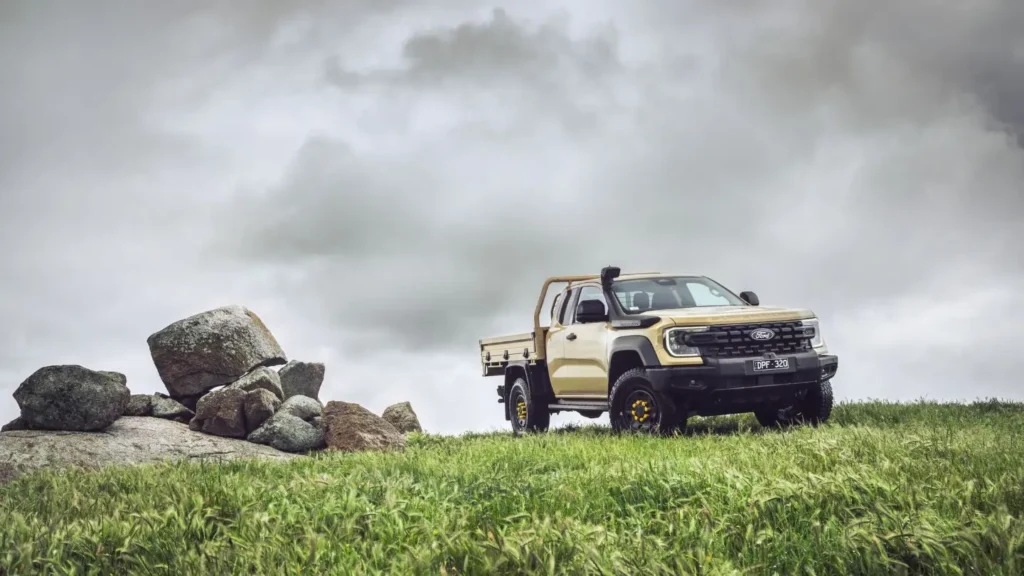
The American vehicle maker states that the Ford Ranger Super Duty receives the following enhancements for durability:
- Reinforced chassis sections and strengthened mounting points
- Heavy-duty leaf springs and uprated dampers
- Driveline components designed for long-duration towing
- New cooling strategies for the engine and transmission under heavy load
- The revised braking system is meant for repeated heavy stopping
Frame, Axles, and Cab-Chassis enhancements
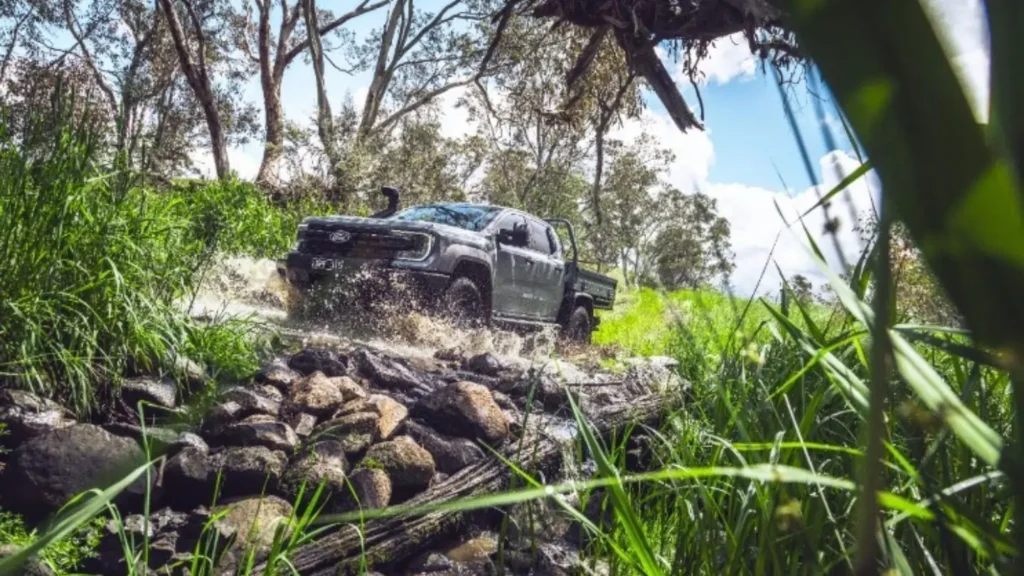
Ford reports that the Ranger Super Duty also has the following advantages over the regular Ranger ute:
- A reinforced frame designed for durability and easy upfitting
- Heavy-duty rear axle and driveshafts
- Eight-stud wheel hubs with larger bolts
- Advanced rear driver assistance technology, including trailer monitoring
These features are aimed at enhancing payload handling and safety for work and off-road scenarios.
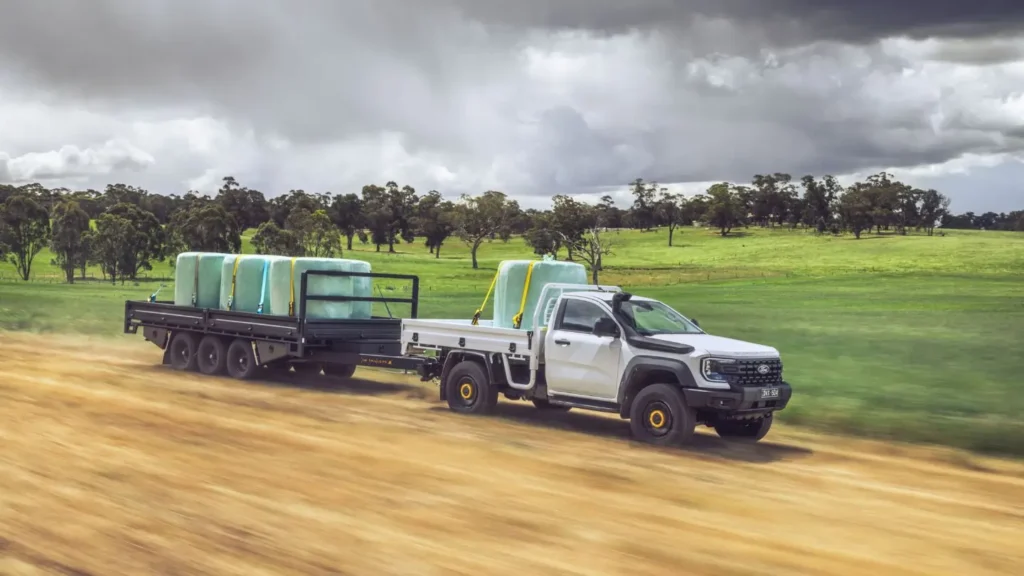
However, Ford has not yet disclosed several crucial details regarding the new Ranger Super Duty. The questions yet to be answered include:
- Weight comparison vs the standard Ranger
- Load and payload capacity figures
- Final gearing specifications for the driveline
- Whether cooling upgrades relate to a new or existing powertrain
- Stopping-distance results under full load
Durability testing is referenced
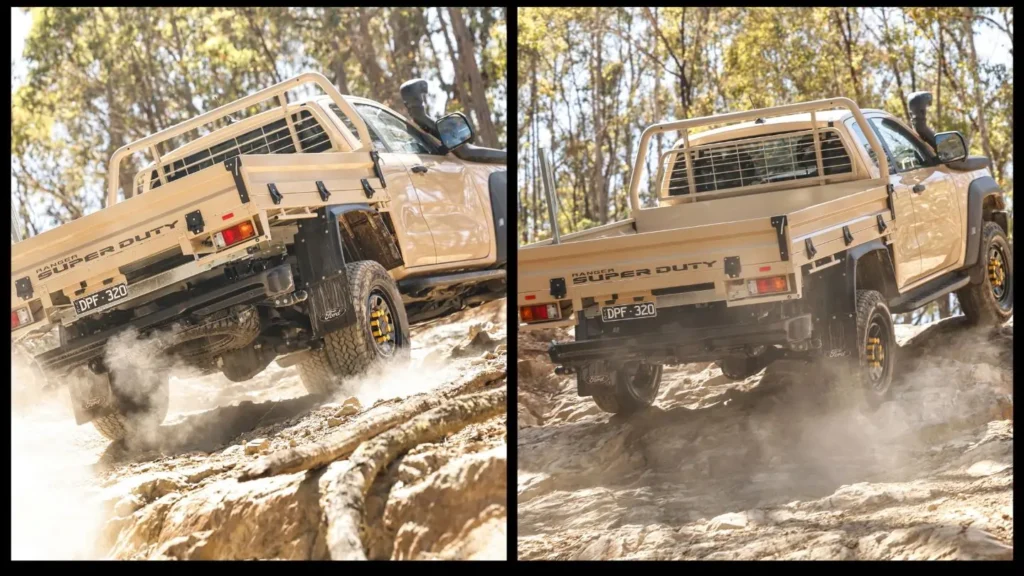
The Ford Ranger Super Duty was developed in response to industry feedback that required more than the standard Ranger or Raptor could provide. Mining fleets, remote-site contractors, and heavy-towing operators reportedly asked for a truck with higher payload and towing capabilities.
Ford engineers say the focus was on sustained performance under heavy loads rather than short-term, peak performance. Development priorities included:
- Fully loaded highway towing
- Sustained heavy-load capability
- Efficient cooling during prolonged work
- Reduced maintenance requirements
- Structural durability in remote locations
These priorities influenced upgrades across the chassis, suspension, braking, and cooling systems.
Extensive testing
 +2 Photos
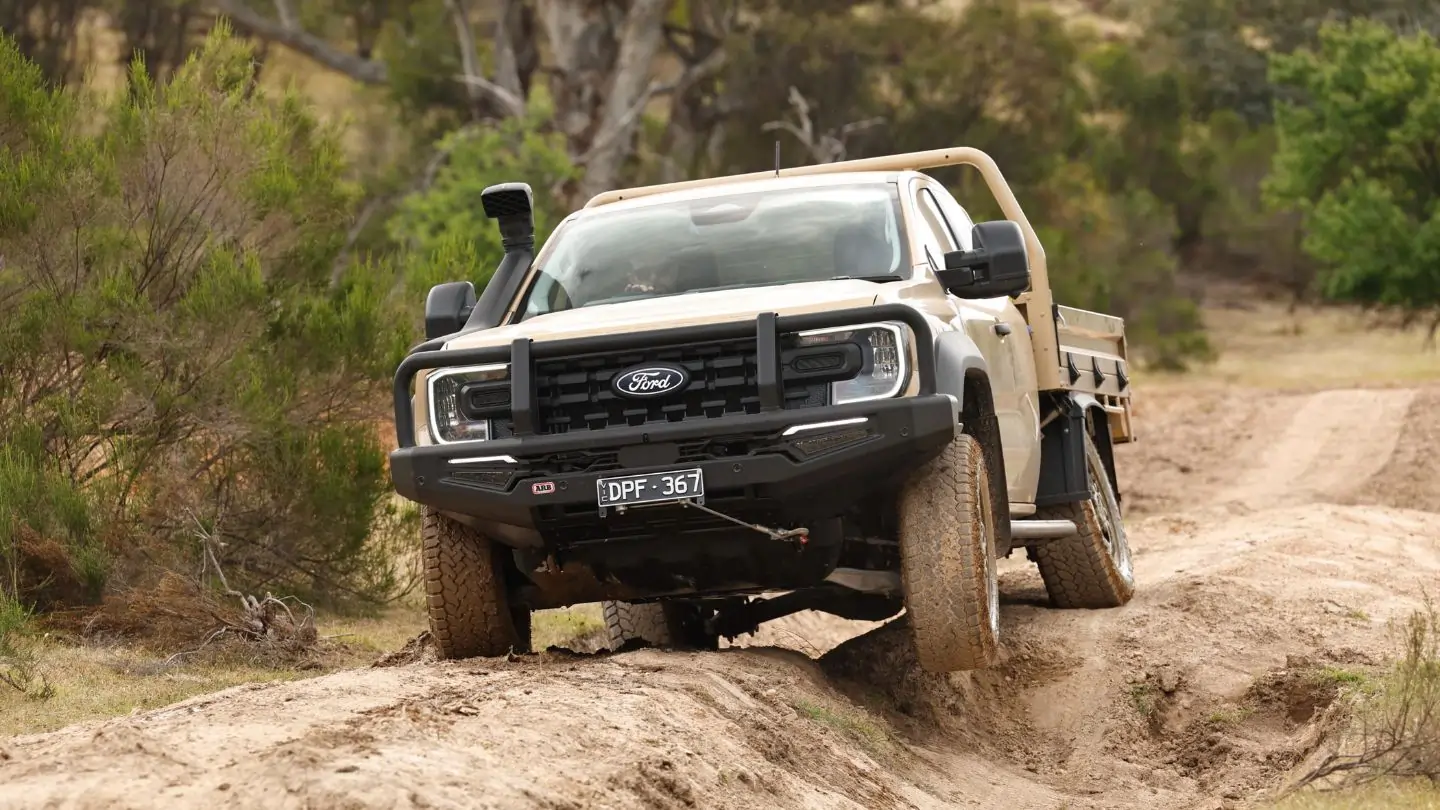
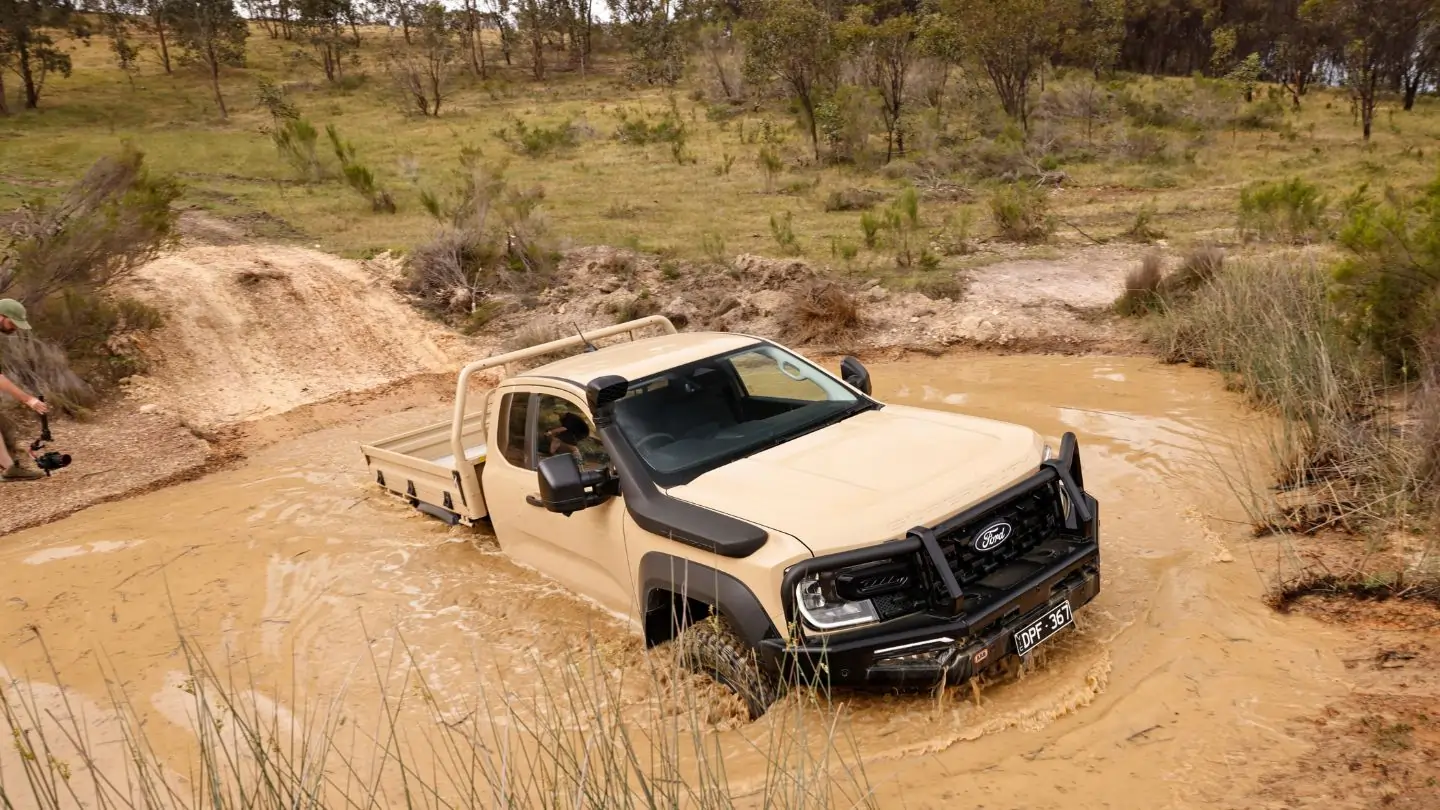


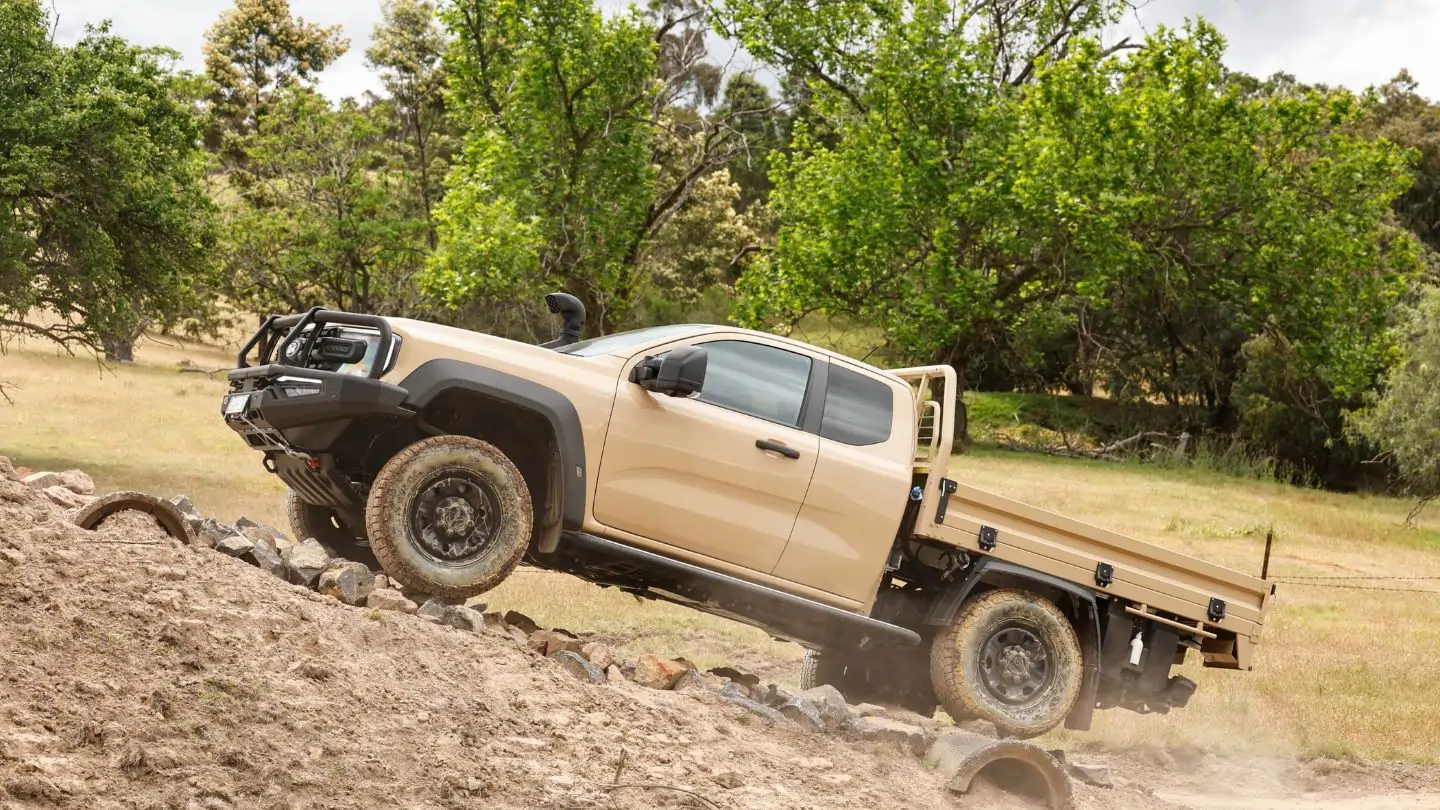
The Ford Ranger Super Duty was subjected to rigorous testing in both controlled and real-world conditions. Testing environments reportedly included:
- Fully loaded highway towing
- Off-road corrugations and washouts
- Construction-site durability loops
- Deep mud and sand tracks
- 40ºC+ ambient heat cycles
 +2 Photos
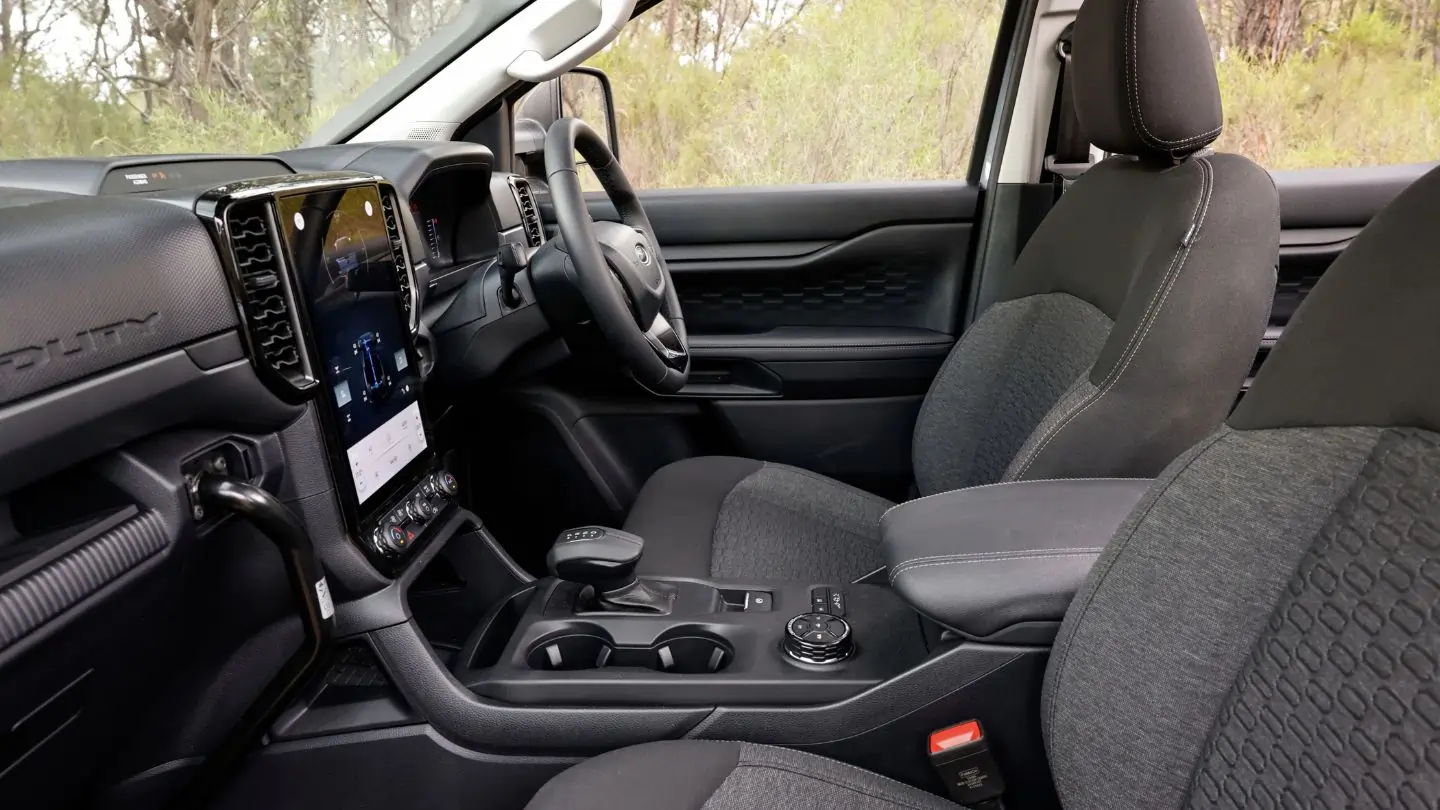
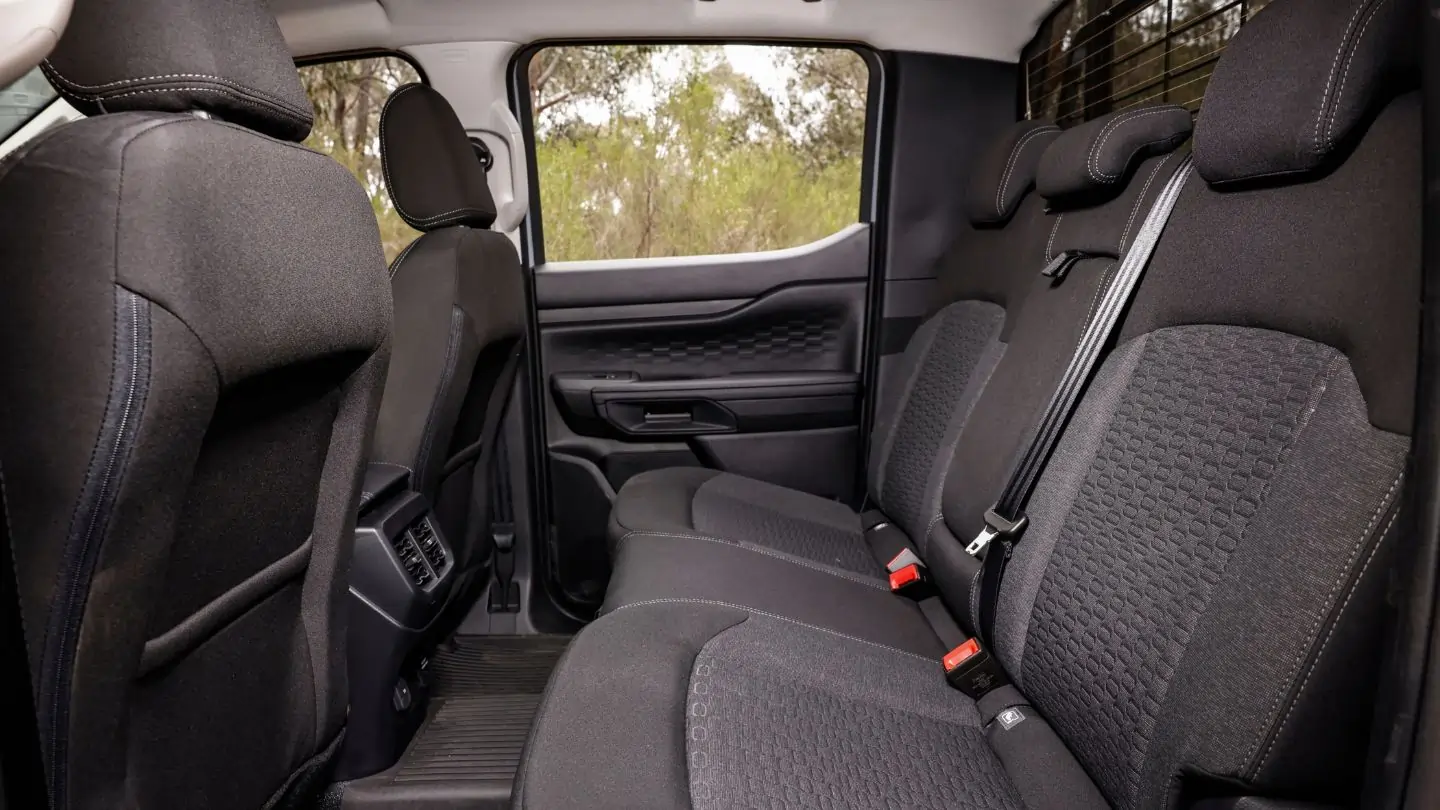
Test objectives included thermal management under load, braking consistency during repeated heavy stops, ride control with payload, and minimised component wear. Ford has not disclosed testing duration, distance covered, or whether continuous towing was included.
Powertrain and off-road systems
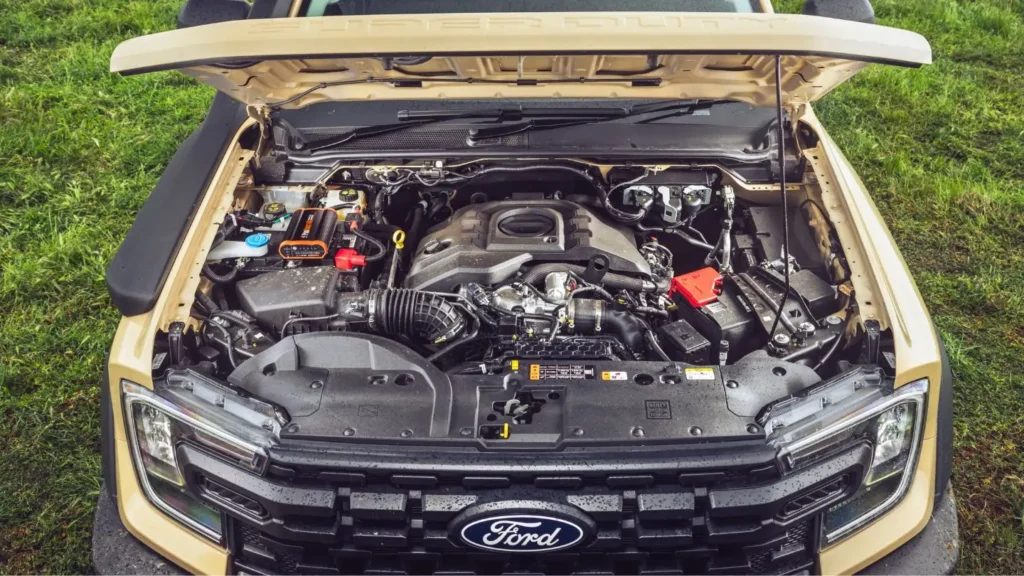
The Ford Ranger Super Duty features a 3.0L V6 turbo diesel compliant with EU6.2 emissions standards. Ford has added improvements, including:
- High-mounted breathers for differential, transmission, fuel, and transfer case
- Improved water-wading depth of 850mm
- Seven selectable drive modes (Normal, Eco, Tow/Haul, Mud/Ruts, Sand, Rock Crawl)
- Upgraded low-range gearing and two-speed transfer case
- Standard front and rear locking differentials
Ford says these changes are intended to handle extreme low-range performance and maintain traction in challenging off-road conditions.
Smart features
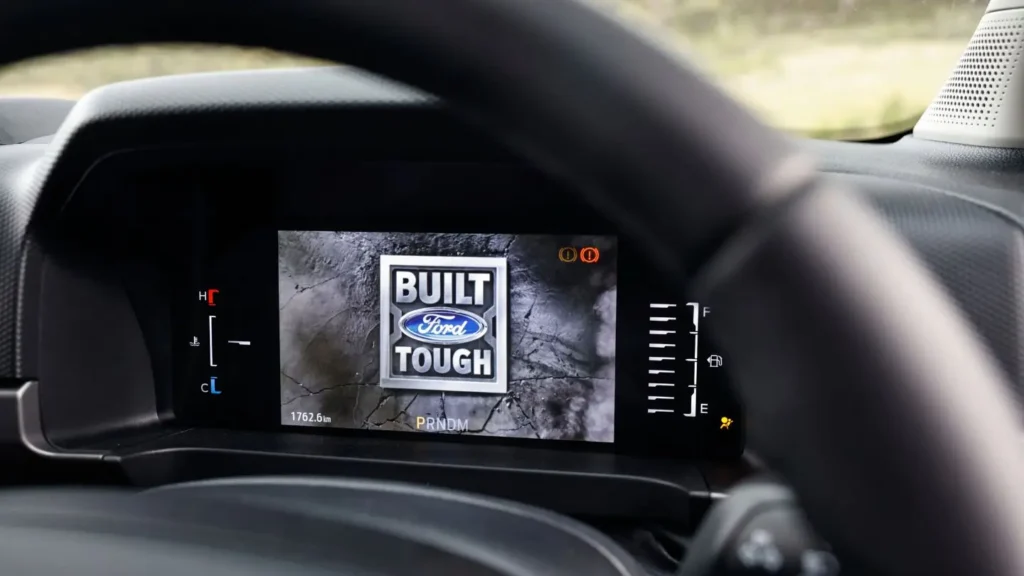
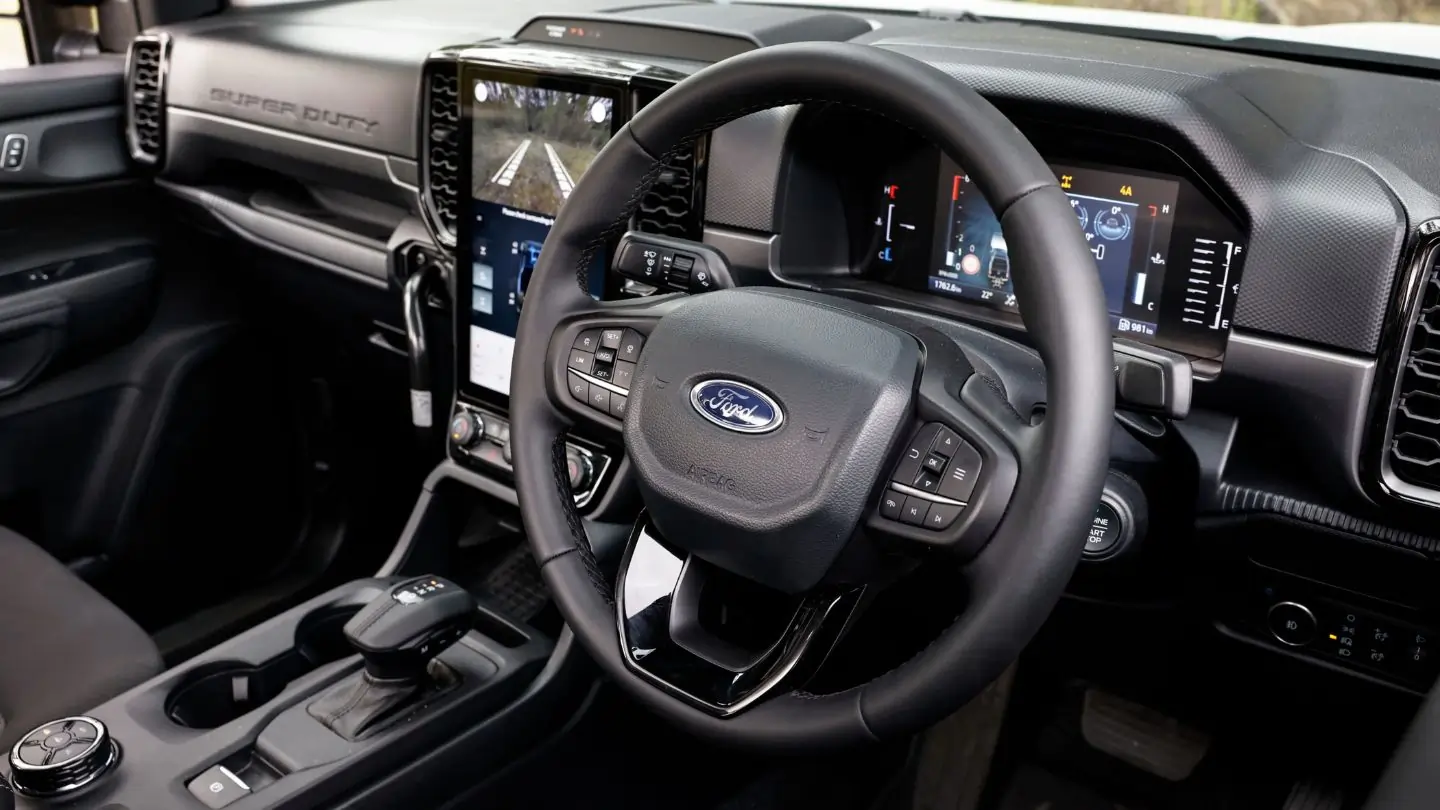
Ford has equipped the Ranger Super Duty with technology to assist drivers in managing heavy loads:
- Onboard Scales – Estimates current payload using suspension sensors
- Smart Hitch – Estimates trailer tongue weight
- Off-Road Shortcut Button – Provides quick access to the off-road display and control
- Trail Control – Low-speed off-road cruise control
- Trail Turn Assist – Reduces turning radius on slippery surfaces
Where does the Ford Ranger Super Duty sit in the lineup?
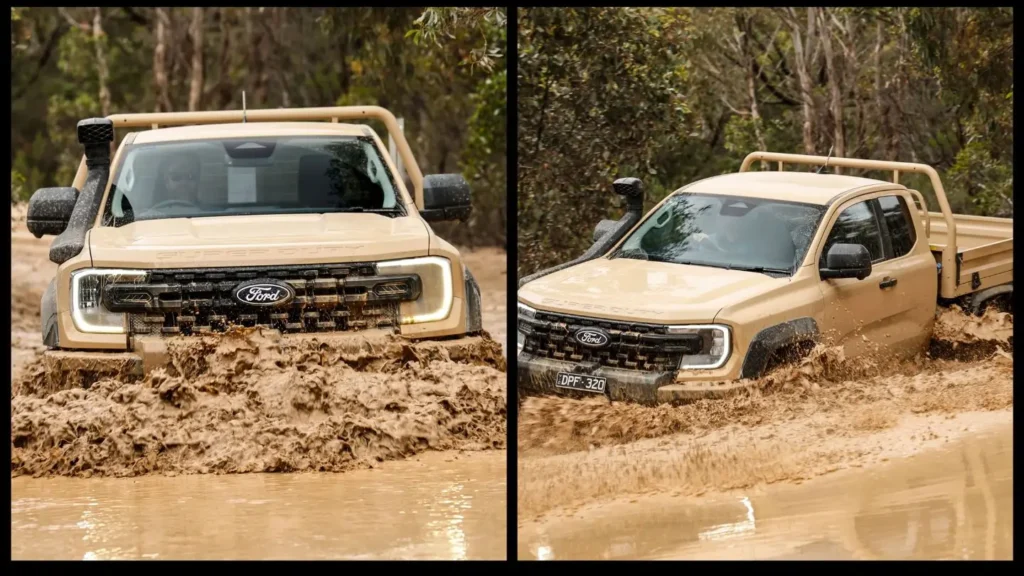
The Ford Ranger Super Duty is clearly aimed at buyers who need maximum durability and heavy-duty capability. With pricing above the Ranger Raptor and features designed for demanding work, it appears the touger ute is targeted majorly at mining fleets, contractors, and other commercial users, rather than casual buyers.
But some questions still remain. Its purpose and price suggest that its main rivals are other trade-focused utes, such as the Toyota Hilux GR Sport and the LC 79 update. Will private buyers be able to purchase it? Will the ute remain limited to fleet owners?
The premium price and the heavy-duty orientation of the Ford Ranger Super Duty currently make the ute most appealing to those who need a serious workhorse capable of handling extreme loads and tough terrains.
The takeaway
Ford’s latest update finally sheds light on why the Ford Ranger Super Duty exists and how it differs from the mainstream Ford Ranger family. The engineering appears focused on heavy-duty performance, and the component upgrades are substantial. It is clearly designed as a serious work-oriented platform rather than a cosmetic variant.
A number of key figures, including pricing, delivery timing, broad capability intent, towing, GVM, and payload capabilities, are now public. However, real-world performance will only become clearer once vehicles reach customers, fleets and independent testers in early 2026. For now, the Ford Ranger Super Duty will continue to be defined more by claims than confirmed capability.
The rougher, tougher Ranger has quickly become one of the most closely watched utes in the segment, not because it promises the most power on paper, but because many buyers want to see how its heavy-duty upgrades translate to day-to-day work once it’s in the field.

Comments
New Comment