




Key highlights
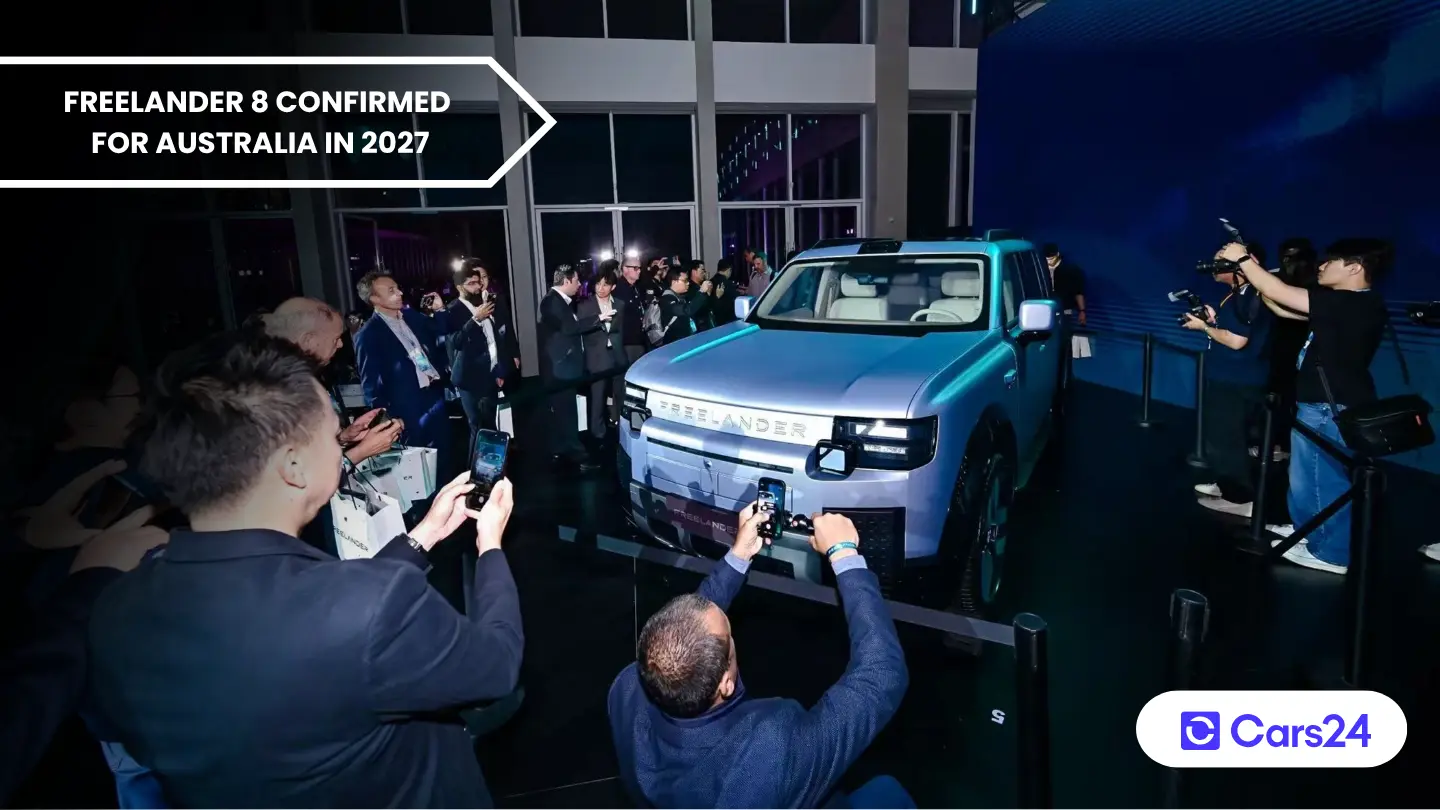
- The Freelander 8 will launch in Australia in 2027 as the first model from the new Chery-JLR joint-venture brand.
- The large SUV combines a 610kW dual-motor drivetrain with a 60kWh battery and a petrol range-extender engine.
- Australian pricing, specifications and the exact 2027 launch timing have not yet been announced.
The new Freelander brand will launch in Australia in 2027, with the large Freelander 8 SUV set to be its first model locally. Created by Chery and Jaguar Land Rover (JLR), Freelander is a new standalone brand built through their existing 50:50 joint venture, Chery Jaguar Land Rover. The brand officially launched internationally in September 2026, with Australia and New Zealand identified as priority right-hand-drive markets.
Kym Mellow, formerly of Mazda Australia and Inchcape Australasia, has been appointed Head of Freelander Australia and New Zealand. The company says the Freelander 8 will compete with premium large SUVs from established European and Japanese brands, although Australian pricing and specifications have not yet been confirmed. The exact Australian launch timing in 2027 is also yet to be announced.
Read more: 2028 Mitsubishi Triton to gain new Pajero diesel
A very large SUV with an unusual powertrain
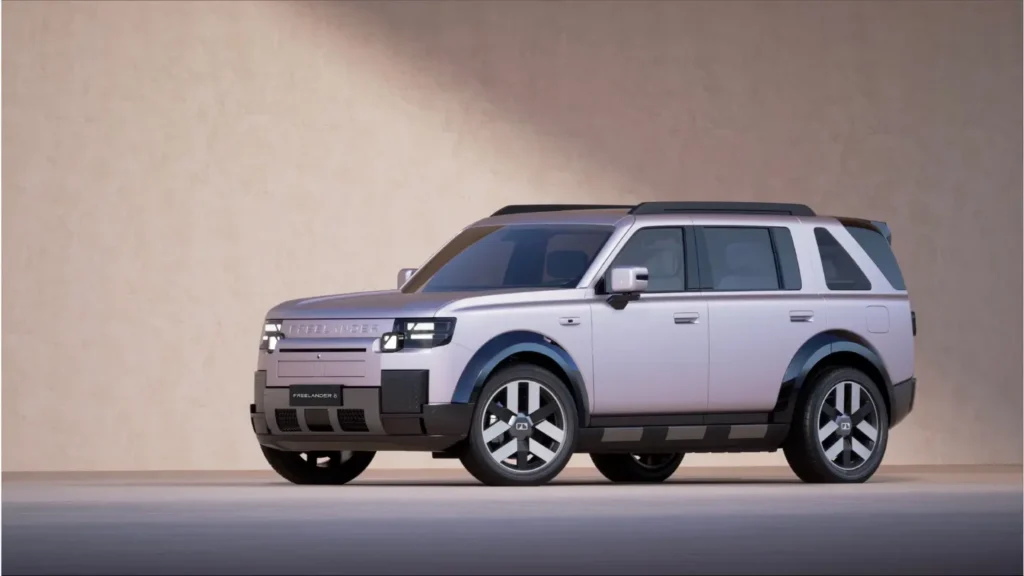
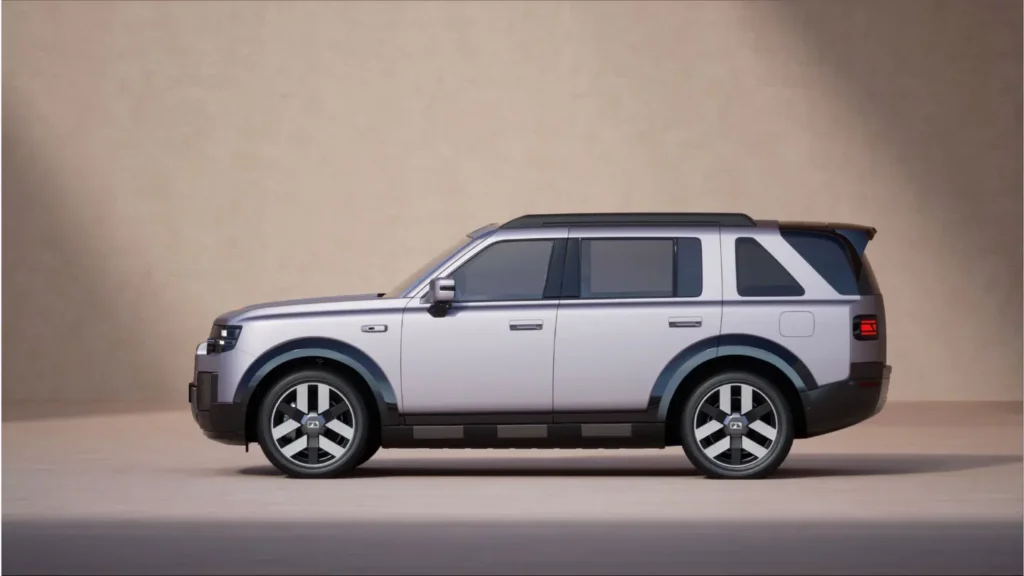
The Freelander 8 measures 5185mm long, 2050mm wide and 1898mm tall, with a 3040mm wheelbase. That puts it firmly into the large SUV category, rather than the compact SUV territory associated with the original Freelander sold in Australia from the late 1990s. In China, the Freelander 8 is currently offered with a dual-motor all-wheel-drive extended-range electric vehicle (EREV) powertrain.
It produces a claimed 610kW and 813Nm, with a 0-100km/h time of 4.6 seconds despite weighing 2980kg. The system uses a 60kWh nickel manganese cobalt battery, providing a claimed 310km of electric driving range under the WLTC testing standard. Once the battery needs charging, a 1.5-litre turbocharged four-cylinder petrol engine acts as a generator. It produces 105kW and 220Nm, but does not directly drive the wheels. An 800V electrical system allows DC fast charging at up to 350kW. Whether these specifications will carry over to Australia has not been confirmed.
Freelander 8 brings serious off-road hardware
Despite its electric-focused powertrain, the Freelander 8 has been developed with off-road driving in mind. The SUV has selectable 4L and 4H modes, a front differential lock and adjustable suspension. Its standard ride height is 270mm, with up to 70mm of additional clearance available for rougher terrain. It can also lower by 50mm to make getting in and out easier and improve its road-going stance.
The claimed wading depth is 900mm. Freelander says the engine air intake sits 1213mm above the ground, while the air-conditioning intake is 1141mm high. The doors, tailgate and other areas also feature triple sealing. Those figures will be of particular interest in Australia, where large SUVs are often expected to handle everything from urban commuting to gravel roads and remote touring.
High-tech interior targets premium rivals
Inside, the Freelander 8 takes a more luxury-focused approach, with five- and six-seat configurations planned. A 15.6-inch central touchscreen is joined by physical controls and centre-console dials, while a 46.3-inch 8K display stretches across the dashboard at the base of the windscreen. Rear passengers get a 17.3-inch roof-mounted entertainment screen, while other features include lie-flat front seats, fold-out tables, second-row captain’s chairs, electric rear window shades and a 10-litre refrigerated cooler.
Production of the Freelander 8 began in China in July 2026 at the Chery Jaguar Land Rover factory in Changshu. Freelander plans to introduce six models globally over the next five years, although the Freelander 8 is currently the only model confirmed for Australia. For Australian buyers, the next major pieces of the puzzle will be local pricing, final specifications and the size of the dealer and after-sales network. All three are yet to be announced ahead of the 2027 launch.

Comments
New Comment