




Key highlights
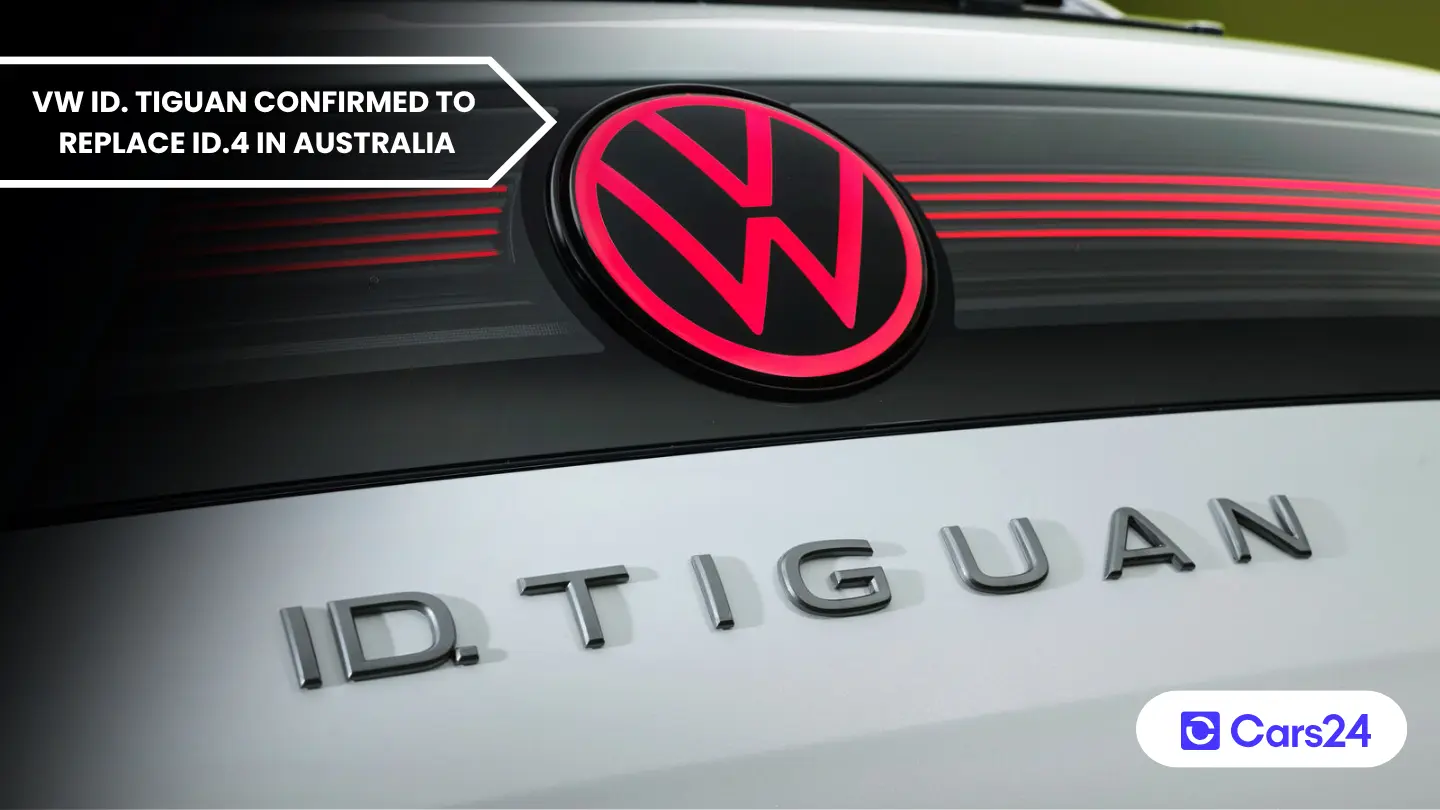
- The ID. Tiguan will replace both the ID.4 and coupe-styled ID.5 when it launches overseas in 2027.
- Volkswagen is expected to move the electric SUV to its updated MEB+ platform with new battery and motor technology.
- Australian pricing and availability for the ID. Tiguan have not yet been confirmed.
Volkswagen is preparing a major overhaul of its electric SUV range, with the current ID.4 set to return in 2027 as the Volkswagen ID. Tiguan. The new model will effectively replace both the ID.4 and its coupe-styled ID.5 sibling, consolidating the two electric SUVs into one model. Volkswagen is expected to unveil the ID. Tiguan in October 2026, ahead of its 2027 arrival.
Despite the new name, this isn’t expected to be an entirely new vehicle. Volkswagen has reportedly compared the change with the transition from the Golf Mk5 to the Mk6, suggesting the ID. Tiguan will retain similar dimensions to the ID.4 while receiving substantial changes to its styling, technology and mechanical package. The conventional Tiguan will continue alongside it with petrol, diesel and hybrid powertrains, meaning the ID. Tiguan will effectively become the electric member of the Tiguan family.
More than a styling update
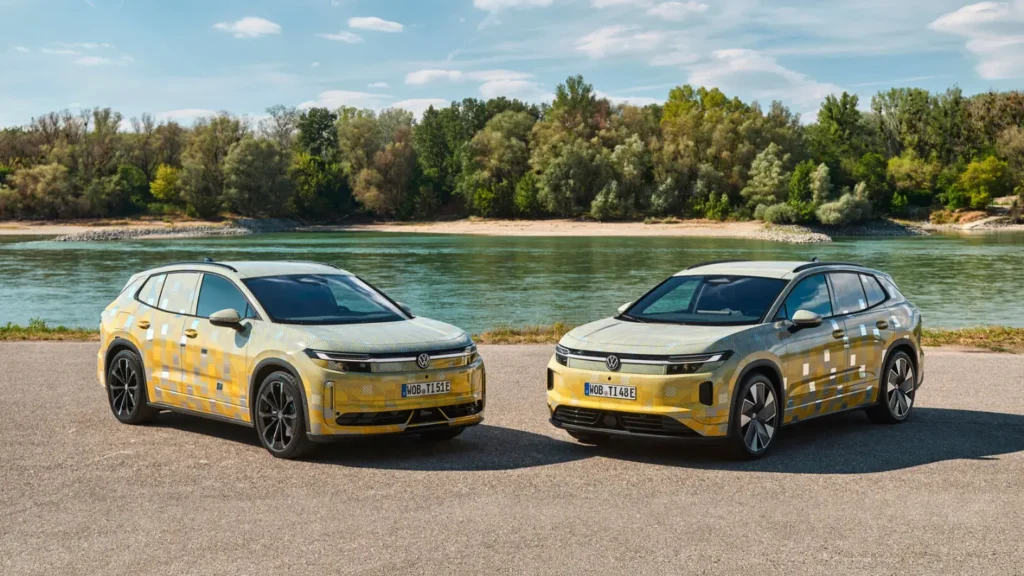
The ID. Tiguan is expected to adopt Volkswagen Group’s updated MEB+ electric-car architecture, which made its debut with the ID.3 Neo earlier in 2026. The platform changes are expected to bring more efficient electric motors, while overseas reports point to two battery options. An entry-level 58kWh lithium-iron phosphate (LFP) battery is expected, while higher-grade versions are tipped to use a 77kWh nickel-manganese-cobalt (NMC) battery.
These battery details are not yet confirmed for Australia. The current ID.4 sold in Australia uses a 77kWh battery, while a smaller 52kWh NMC battery has been available in some overseas markets. Whether Volkswagen Australia adopts the new 58kWh and 77kWh combination remains to be seen. The ID. Tiguan is also expected to retain the choice of rear- and all-wheel drive.
A more conventional interior
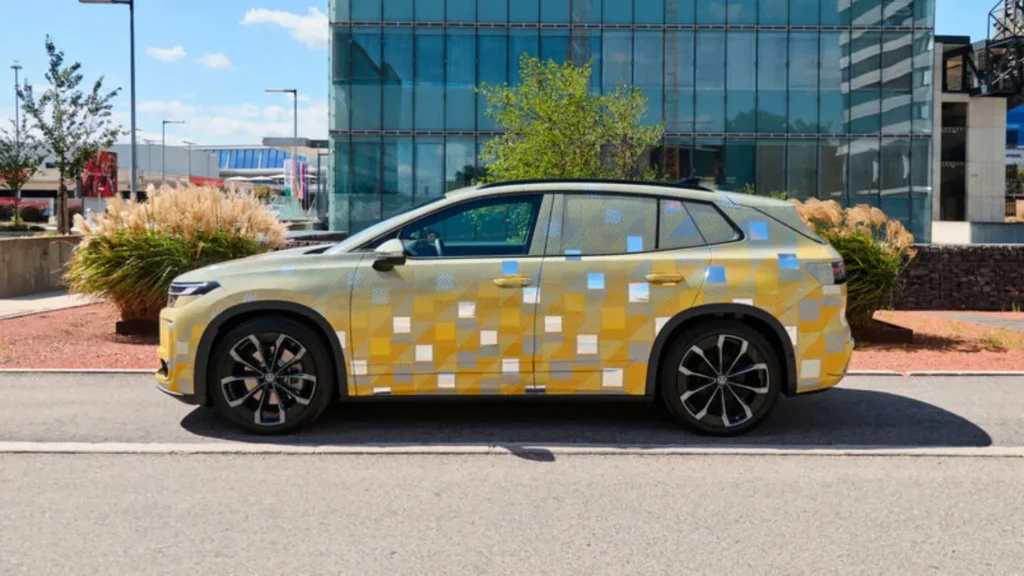
Inside, Volkswagen appears to be addressing some of the criticisms levelled at earlier ID models by bringing more physical controls and updated software. The Volkswagen ID. Tiguan is expected to follow the ID.3 Neo with a larger digital instrument display, revised infotainment software and higher-quality cabin materials. Digital key functionality is also expected. One of the more noticeable changes could be the return of conventional exterior door handles. The ID.4 uses flush-fitting handles, while the new ID. Tiguan is expected to adopt a more conventional design similar to the petrol-powered Tiguan.
The electric SUV is also expected to gain one-pedal driving, while vehicle-to-load (V2L) functionality is likely to carry over after being introduced on the ID.4 in overseas markets. For Australian buyers, V2L could be particularly useful for powering small appliances or equipment away from a conventional power outlet, although the feature’s local availability is yet to be confirmed.
What does this mean for Australia?
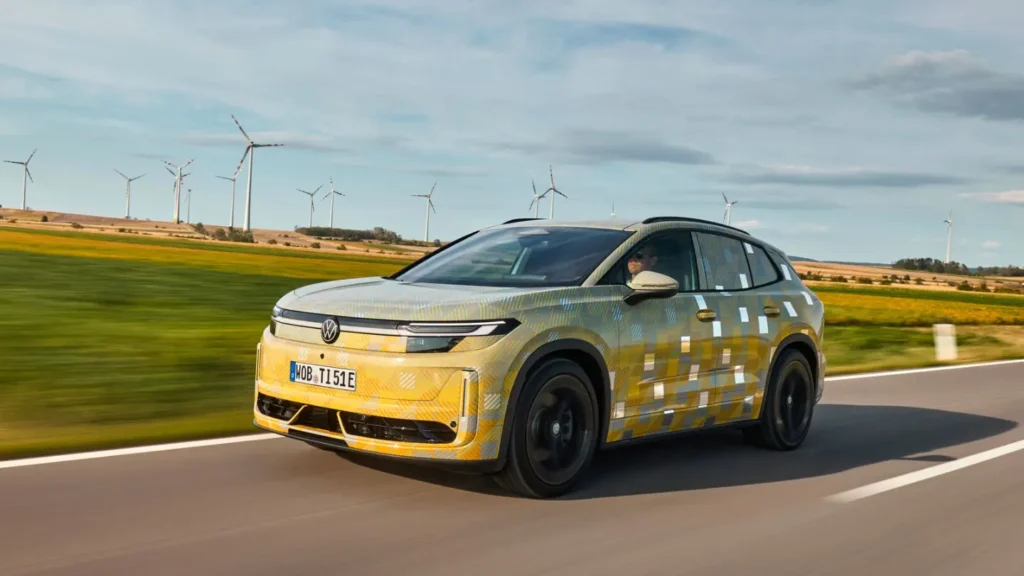
Volkswagen Australia currently sells the ID.4, making the ID. Tiguan’s future here is particularly relevant. However, Australian launch timing, specifications and pricing have not yet been confirmed. That means it is too early to say whether Australia will receive the full range of battery and drivetrain combinations expected overseas, or whether local specifications will differ.
The name change could also make Volkswagen’s electric SUV line-up easier for Australian buyers to understand. Rather than having separate ID.4 and ID.5 models sitting alongside the petrol-powered Tiguan, the ID. Tiguan will use an established Volkswagen name while remaining clearly identifiable as the electric version. More information should emerge when the new Volkswagen ID. Tiguan will be unveiled in October 2026.

Comments
New Comment