




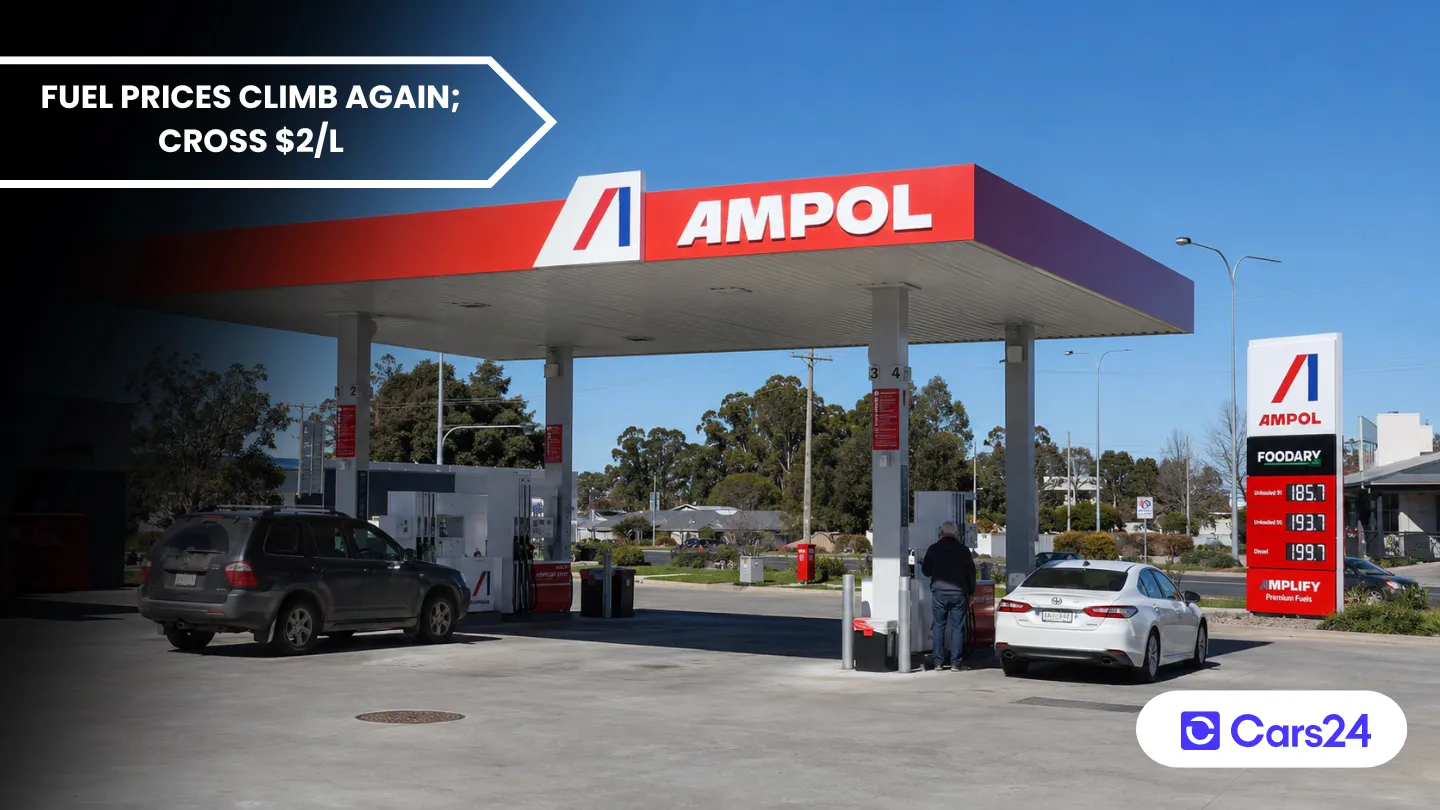
Australia’s average petrol price has recently climbed back to higher levels as the Middle East conflict continues to block shipment routes. Motorists observed some relief after the peak price increase in March 2026 through to late July 2026, but it seems like the average price is retracing its way to more than $2 per litre.
There has been no official comment on the extension of the fuel excise discount of 16 cents per litre ending on 1 August 2026, but the ministers assure motorists not to panic and that the relief of some kind will come.
Why are fuel prices going up again?
Treasury briefed federal MPs after Brent crude oil prices rose 28% following US President Donald Trump declaring that the Memorandum of Understanding between the United States and Iran was over. The briefing warned that fuel price pressures could intensify if the conflict in the Middle East continues.
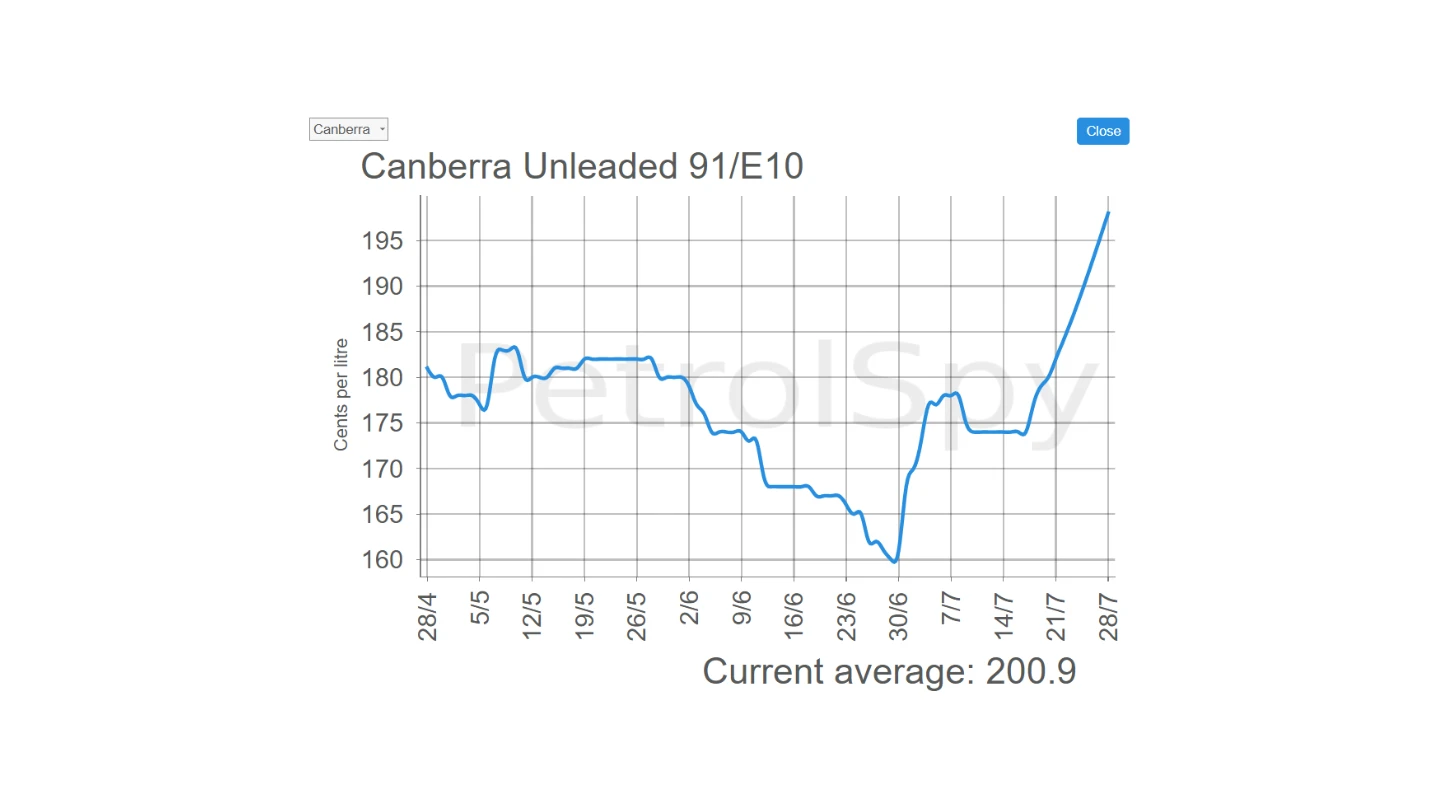
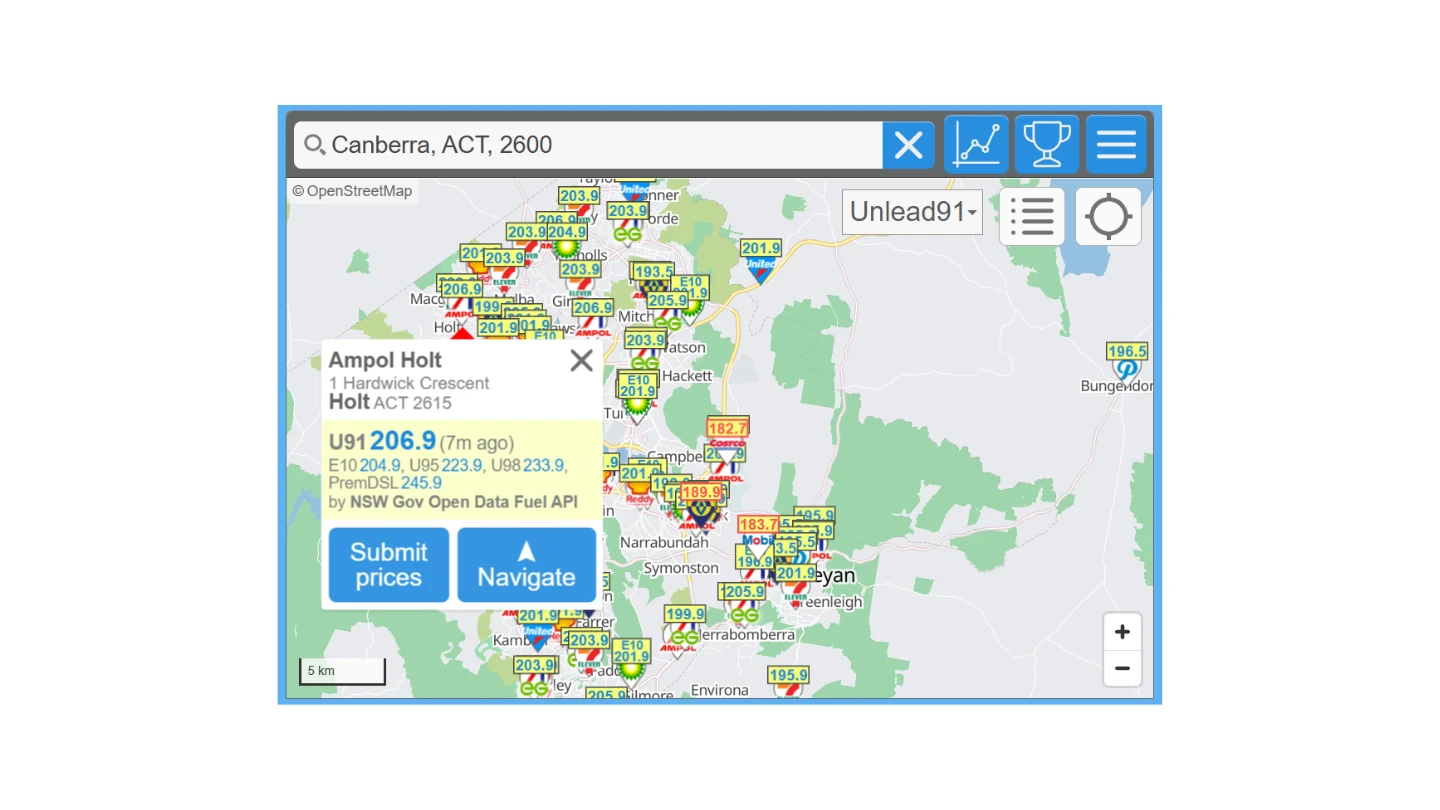
Crude oil futures also traded above US$100 ($143) per barrel on 24 July, raising the possibility of further increases at the bowser. Average petrol price reached $2 per litre last week, with Unleaded 91 petrol reaching as high as $2.07 per litre in Canberra.
Oil market faces greater risk
The initial energy shock eased as fuel shipments were rerouted around disruptions in the Strait of Hormuz and several countries released strategic fuel reserves. Those emergency measures have now reduced the market’s ability to absorb future supply disruptions.
That leaves global oil prices more exposed if further supply problems emerge.
Fuel excise discount nears its end
The federal government extended fuel excise relief in June 2026, but reduced the level of support from 26.3 cents per litre to 16 cents per litre from July 1, 2026. The current arrangement is due to end completely on 1 August, when the full 52.6 cents per litre fuel excise will return unless the government announces another extension.
Also read: Australians bought an EV every 77 seconds as June sales hit record
Government stops short of another extension
Foreign Minister Penny Wong said extending the fuel excise discount is not part of the government’s current plan. She said the government’s intention remains to allow the temporary discount to expire this weekend.
Treasurer Jim Chalmers said the global economy needs a lasting end to the conflict as quickly as possible. He warned that a prolonged conflict could place greater pressure on inflation and economic growth both in Australia and overseas.
Minister leaves door open to further support
Resources Minister Madeleine King said the government understands the pressure higher fuel prices place on Australian households.
She said the government has provided relief before, will continue monitoring prices and will consider further support if necessary, particularly if conflict in the Middle East continues to push fuel prices higher.
ACCC warns petrol retailers
The Australian Competition and Consumer Commission (ACCC) says it will continue monitoring petrol retailers and has received expanded powers to scrutinise pricing behaviour more closely. The government says Aussies should not expect petrol prices to jump immediately when the fuel excise discount expires because service stations purchase fuel in advance.
The ACCC has warned it will investigate and penalise retailers that use the tax change to justify excessive price increases or artificially raise prices before higher wholesale costs reach the market.
Government announces new energy investment
Climate Change and Energy Minister Chris Bowen said Australia continues to maintain a secure fuel outlook despite ongoing global uncertainty.
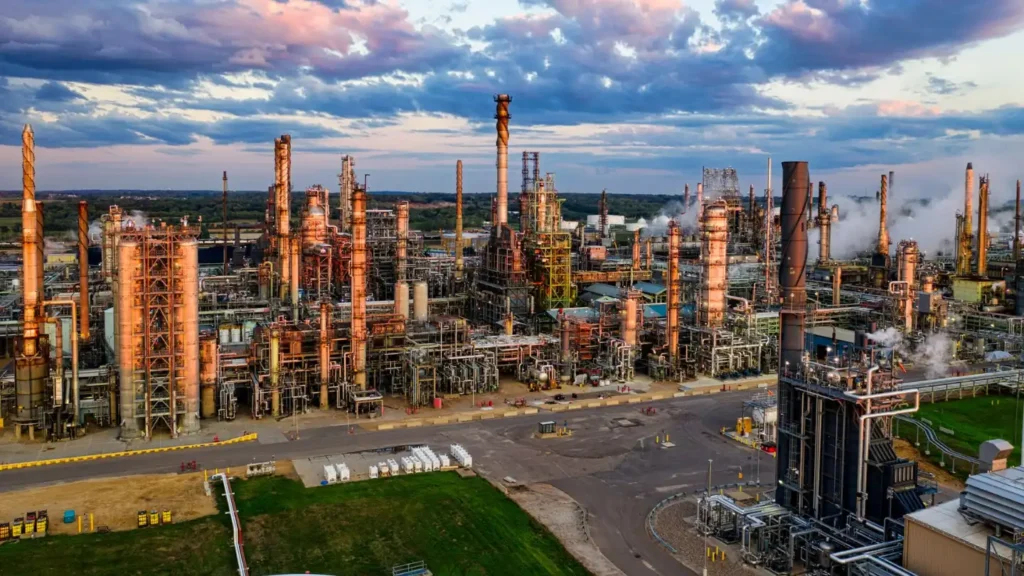
The government has also announced a $15 billion energy package, including $10 million for feasibility studies into building a new domestic oil refinery.
Mr Bowen said strengthening Australia’s onshore fuel refining capability provides a practical response to growing concerns about global energy supply chains and supports the country’s long-term energy security.

Comments
New Comment