




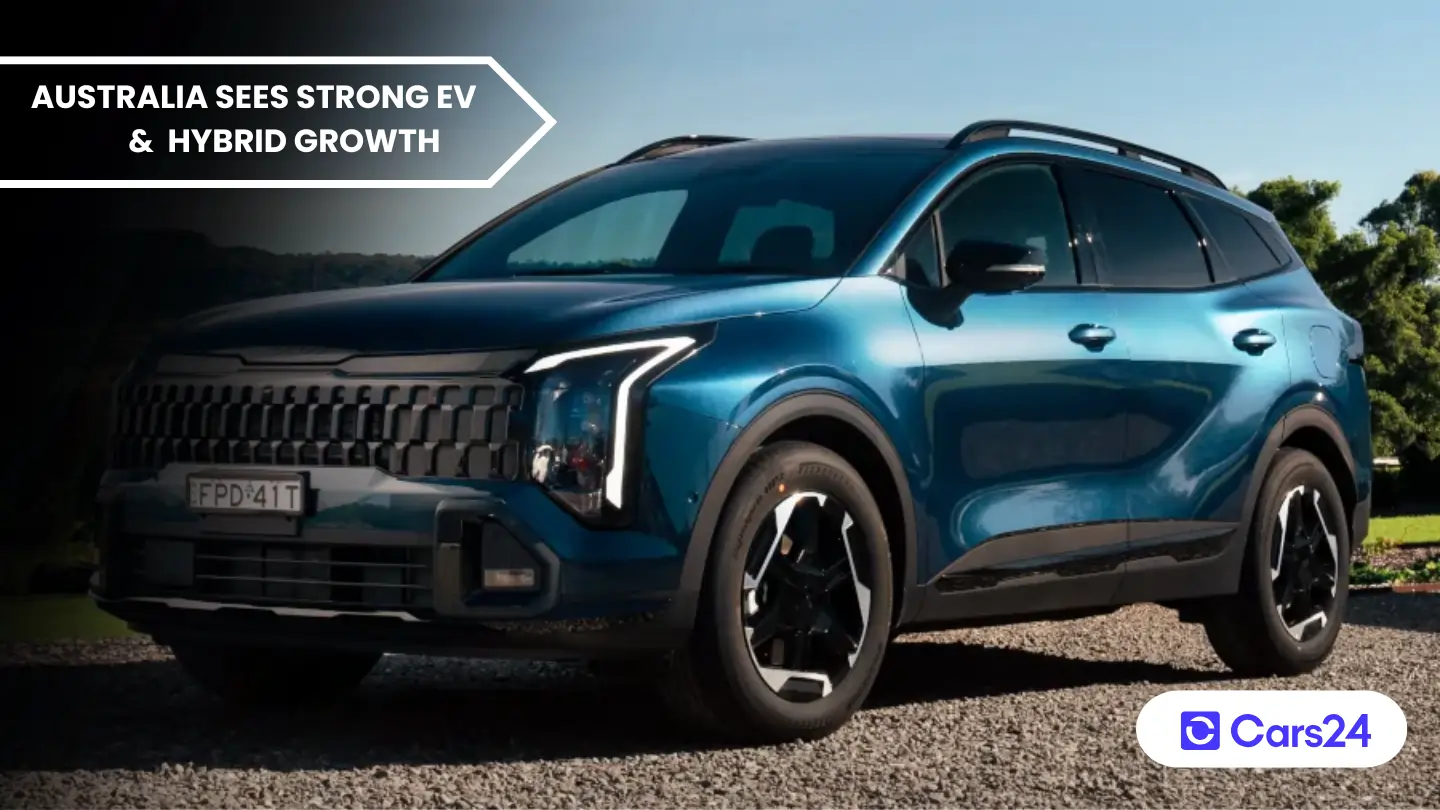
Australia’s shift toward electrified mobility continued to gather pace in April 2026, with hybrid vehicles posting strong double-digit growth even as electric vehicles (EVs) set fresh records in market share.
Latest VFACTS data released by the Federal Chamber of Automotive Industries (FCAI) and Electric Vehicle Council (EVC) shows hybrid sales rose 27.1 per cent year-on-year, reaching 18,162 units for the month. The result reinforces a broader pattern emerging across the Australian market: while EVs are growing rapidly, hybrids remain the most immediate and widely adopted bridge technology for mainstream buyers.
The trend comes amid a market that is steadily rebalancing away from traditional petrol and diesel powertrains, and toward electrified options that include hybrids, plug-in hybrids (PHEVs), and battery-electric vehicles.
EV growth sets the pace, but hybrids expand the base
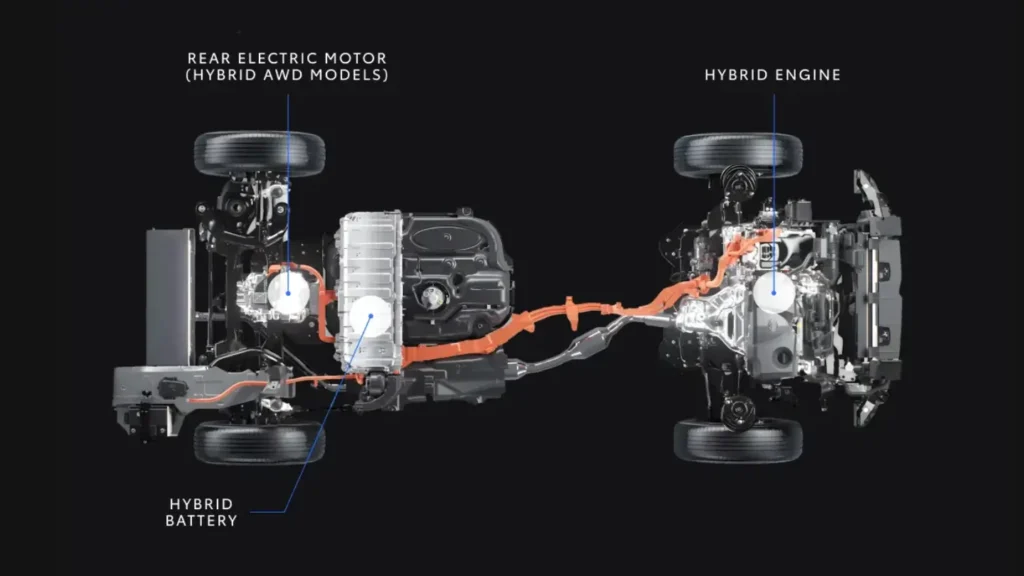
Battery-electric vehicles accounted for a record 16.4 per cent of total new-car sales in April, with 15,459 EVs sold. However, hybrids remain the larger electrified category in absolute volume terms, reflecting their broader acceptance across price points and vehicle segments.
Unlike EVs, which are still navigating infrastructure, pricing, and model availability constraints, hybrids continue to benefit from familiarity and ease of adoption. They require no charging behaviour change, yet still offer meaningful fuel savings, an equation that continues to resonate with Australian buyers.
Read more: What is a hybrid vehicle? Everything you need to know
Toyota RAV4 anchors hybrid momentum
Much of the hybrid uplift in April can be traced to strong demand for the new-generation Toyota RAV4, which returned to the top of Australia’s sales charts with 3,729 deliveries.
The RAV4 has long been central to Australia’s hybrid uptake, but the latest model change has amplified that role. Toyota’s ramp-up of deliveries coincided with more than 10,000 orders reported for the model, indicating sustained underlying demand rather than short-term supply effects.
The SUV’s hybrid-heavy lineup has made it a structural driver of electrification in the mainstream market, particularly in the highly competitive medium SUV segment.
Broader hybrid adoption across segments
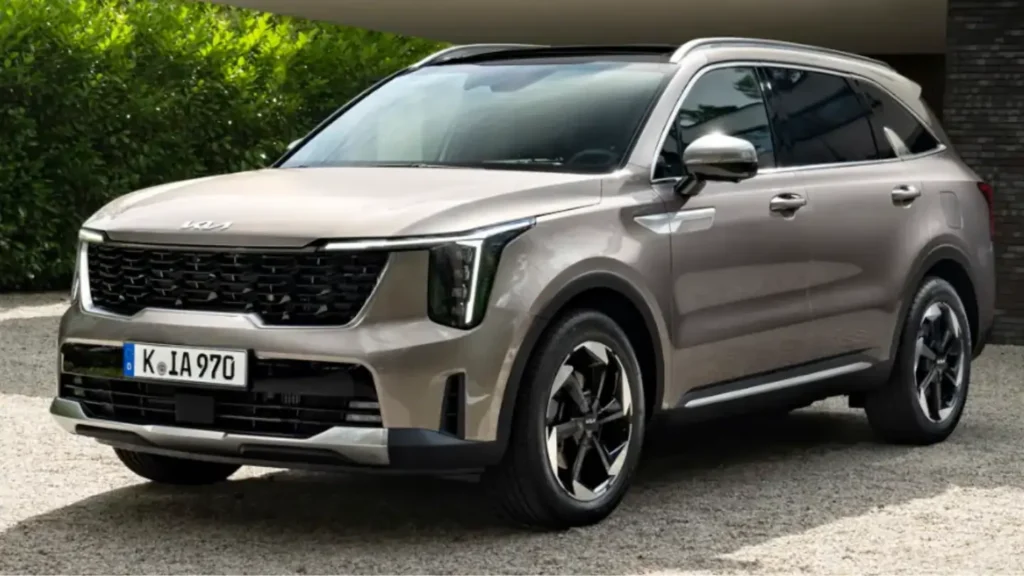
Beyond the RAV4, hybrid penetration is becoming increasingly visible across multiple segments, particularly in passenger cars and mid-size SUVs.
The Toyota Camry continued to dominate the medium car segment under $60,000, reinforcing its position as one of the last strongholds for traditional passenger sedans in an SUV-dominated market.
At the same time, hybrid and electrified offerings are gaining traction in compact and small SUV categories. Models such as the Hyundai Kona and GWM Haval Jolion featured among the top performers in their respective segments, reflecting growing consumer acceptance of electrified drivetrains beyond premium price brackets.
This widening adoption suggests hybrids are no longer confined to a few flagship nameplates but are instead diffusing across the mainstream vehicle fleet.
Plug-in hybrids rebound after policy reset
Plug-in hybrid vehicles also recorded a significant rebound, with sales surging 270 per cent year-on-year to 9,628 units.
However, the sharp increase is partially shaped by timing effects. April 2025 marked the first full month after the removal of Fringe Benefits Tax (FBT) exemptions for PHEVs, which had previously inflated demand. The comparison base therefore remains unusually low.
Even so, the recovery indicates that plug-in hybrids continue to hold relevance, particularly for buyers seeking partial electrification without committing fully to battery-electric ownership.
Read more: Best-selling Hybrid cars in Australia in 2025
Market shift pressures petrol and diesel
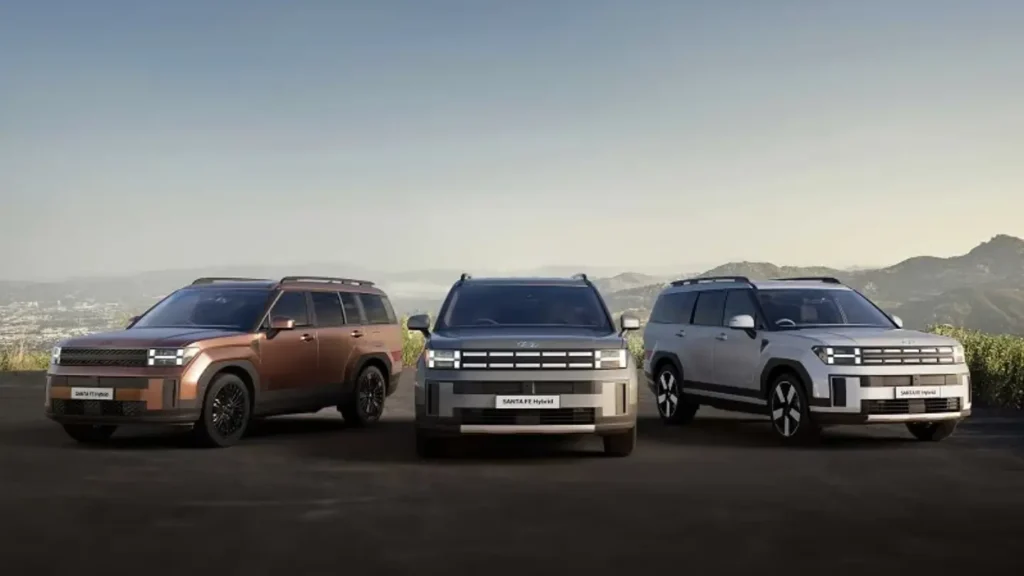
The growth in hybrid and EV sales has come at the expense of conventional powertrains.
Petrol vehicle sales fell 30.1 per cent year-on-year, while diesel declined 21.7 per cent in April. The contraction underscores a structural shift in the Australian market rather than a cyclical downturn.
While diesel remains relevant in ute and large SUV segments, its overall share is gradually eroding as electrified alternatives improve in availability and affordability.
Brands with hybrid depth gain ground
The data also highlights an emerging competitive divide in the Australian market.
Manufacturers with broader hybrid and electrified portfolios are outperforming those with limited offerings in this space. BYD, for example, continued its rapid ascent, while Kia and Hyundai posted steady gains supported by expanded hybrid and EV line-ups.
In contrast, legacy players such as Ford and Mazda remain more exposed to declines in traditional combustion segments, despite continued strength in core models like the Ranger and CX-5.
A transitional market taking shape
Taken together, the April 2026 results point to a market in transition rather than transformation completed.
EVs are clearly accelerating, evidenced by record share levels and triple-digit growth rates across multiple brands. But hybrids remain the volume backbone of electrification, offering a practical middle step for mass-market buyers.
At the same time, the steady decline of petrol and diesel models suggests that internal combustion is not disappearing abruptly, but is instead being gradually displaced by a layered mix of hybrid and electric technologies.
For now, Australia’s electrified transition is being defined less by a single technology shift and more by parallel adoption curves. Hybrids sit at the centre of that movement.

Comments
New Comment