




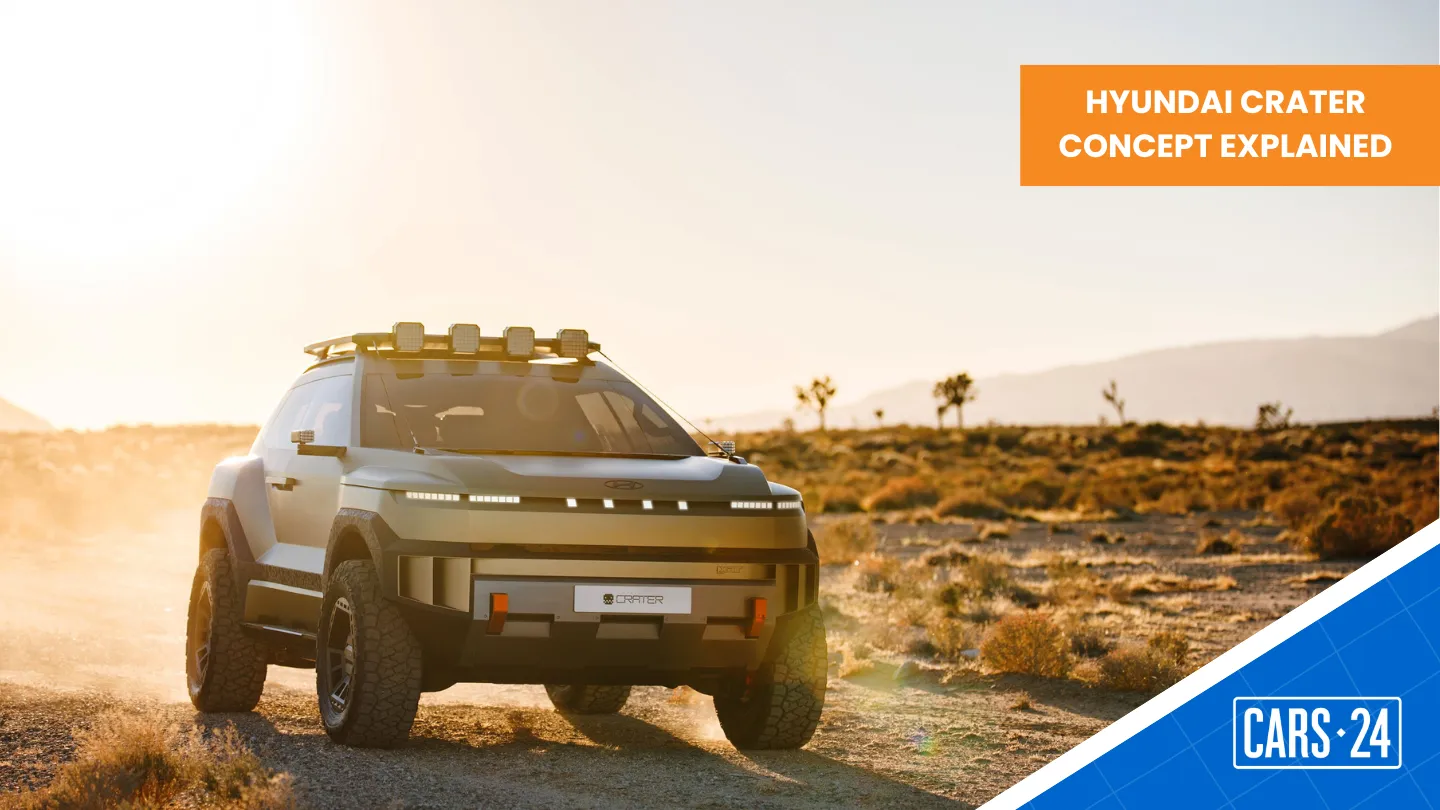
Hyundai has unveiled a new vision for a compact, rugged SUV with the global debut of the Crater Concept. This is a design study conceived in California and revealed at the Automobility LA 2025 motor show that pushes the Hyundai XRT rugged sub-brand into more extreme territory.
Looks like Hyundai is intently studying the compact, lifestyle off-roader market, a space currently occupied by the Ford Bronco Sport and Jeep Wrangler in Australia.
Bold exterior design elements
 +3 Photos
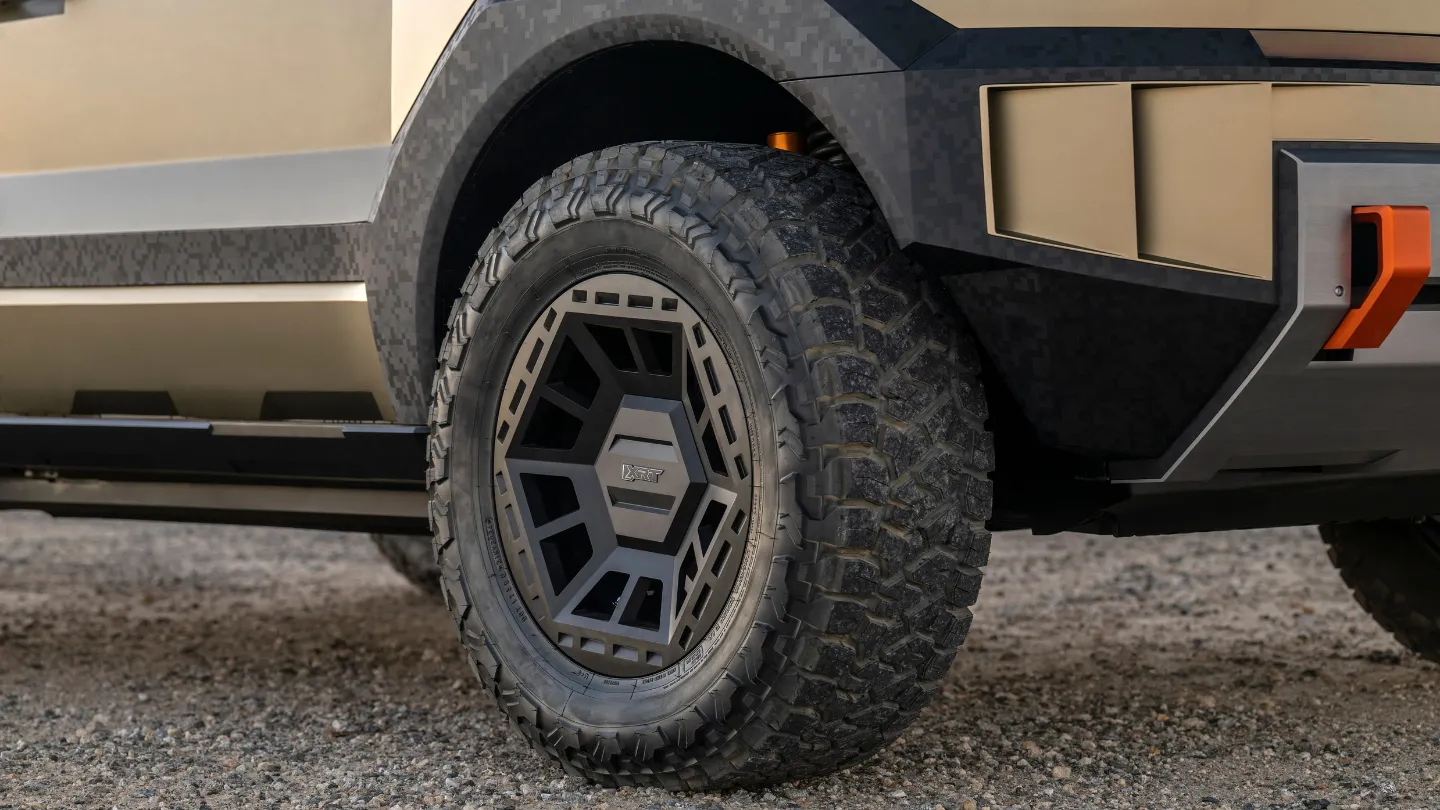


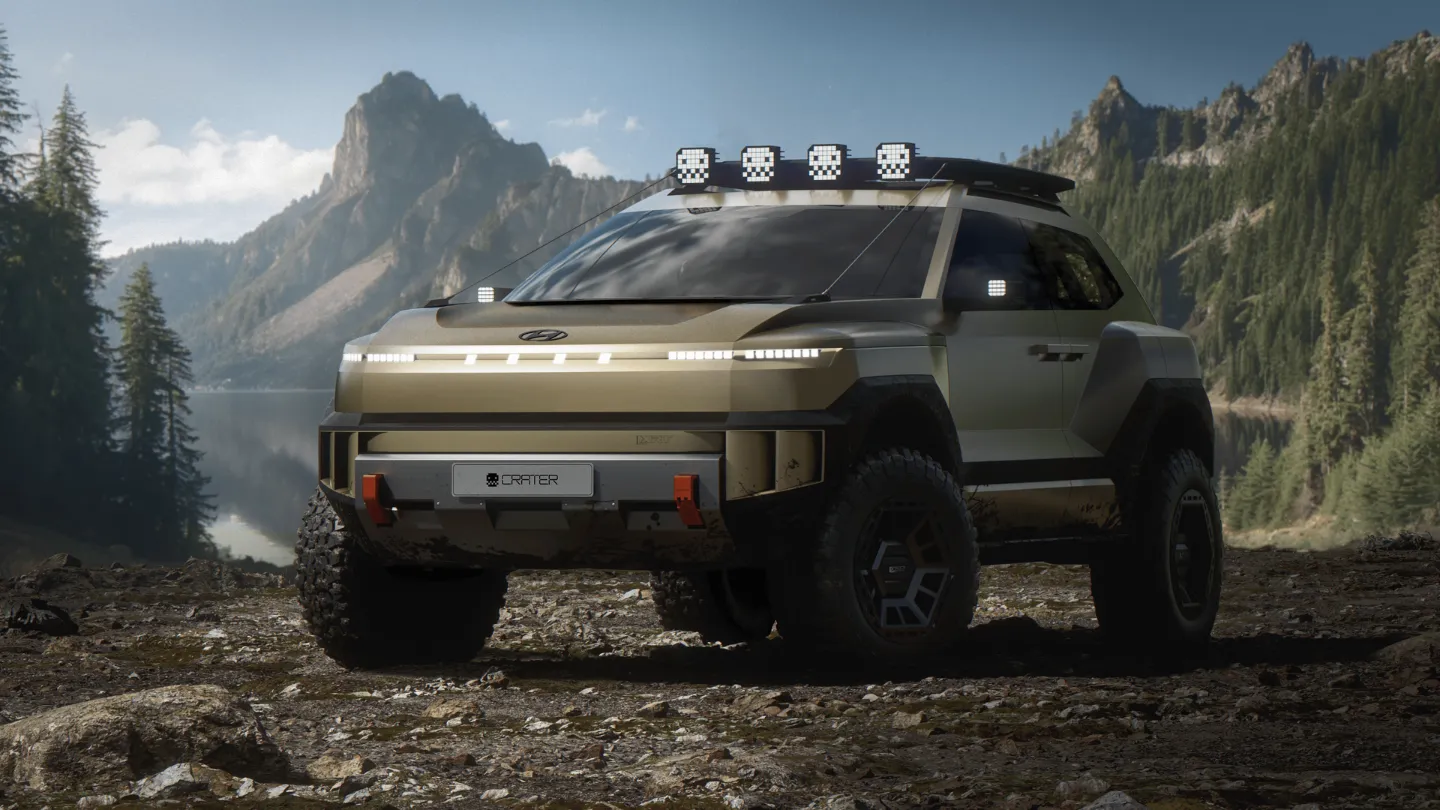
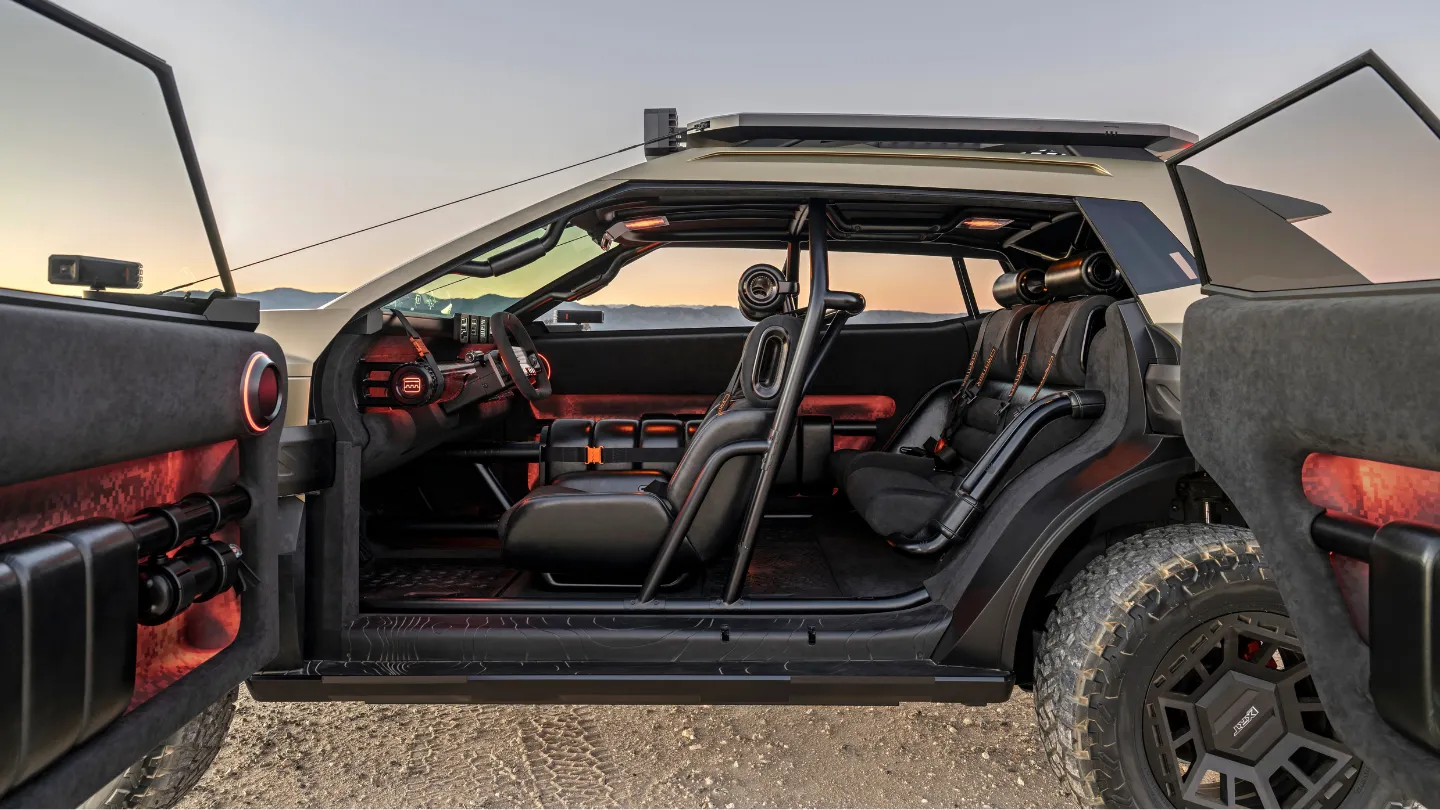
Dubbed the “Art of Steel,” the design language for the Crater Concept treats the bodywork like sculpted metal armour. Like many other recent concepts, there’s more than a hint of “Cyberpunk wastelands” with this one. The Crater’s stance is unapologetically rugged and seemingly capable with its short overhangs, high ground clearance, and 33-inch off-road tyres on fractal-inspired hexagonal wheels.
A wide skid plate visually anchors the vehicle, while sheer fenders and utility-case-inspired rocker panels represent protection. The “Limb Risers” (cables from the bonnet to the roof) are a delightful, rally-bred touch for narrow, overgrown trails.
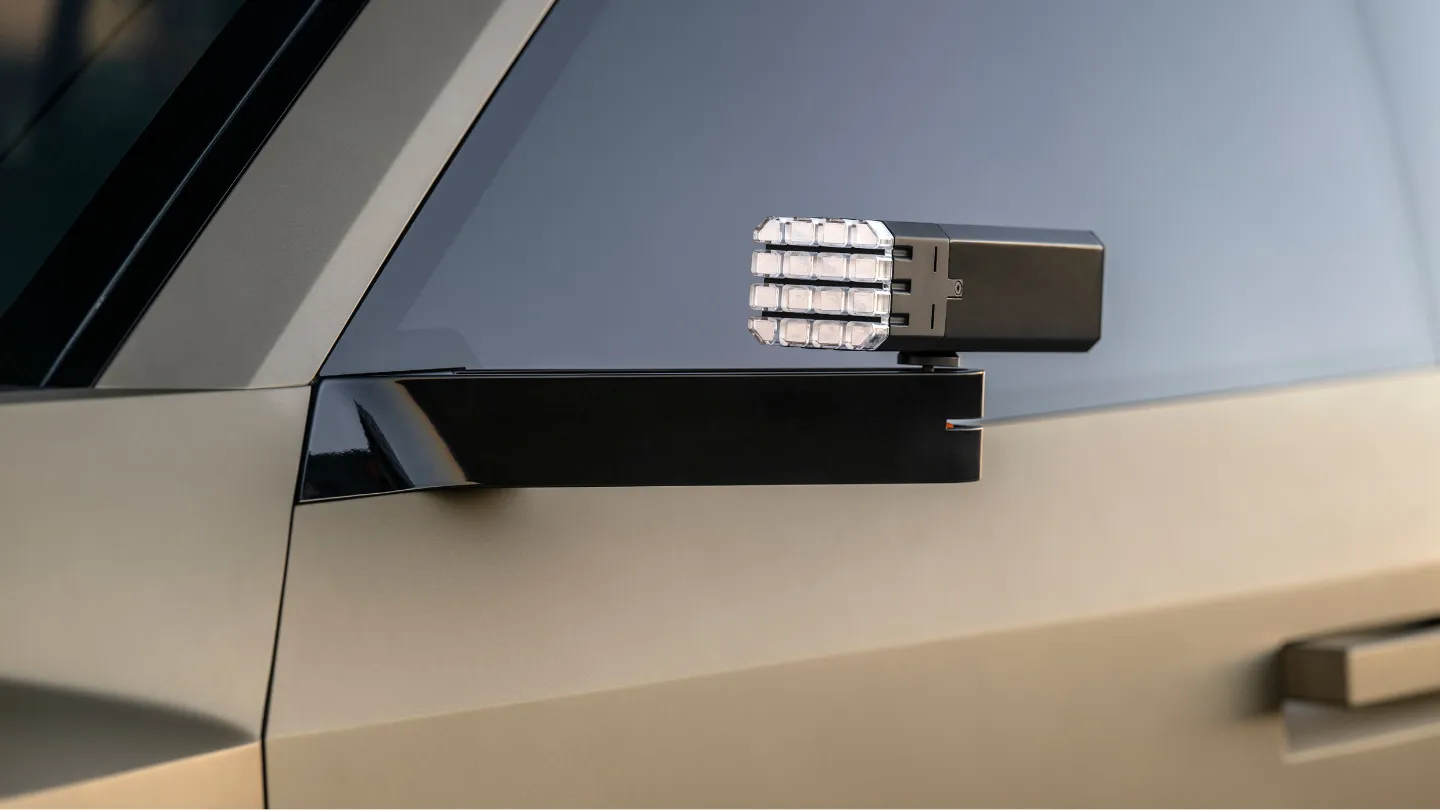
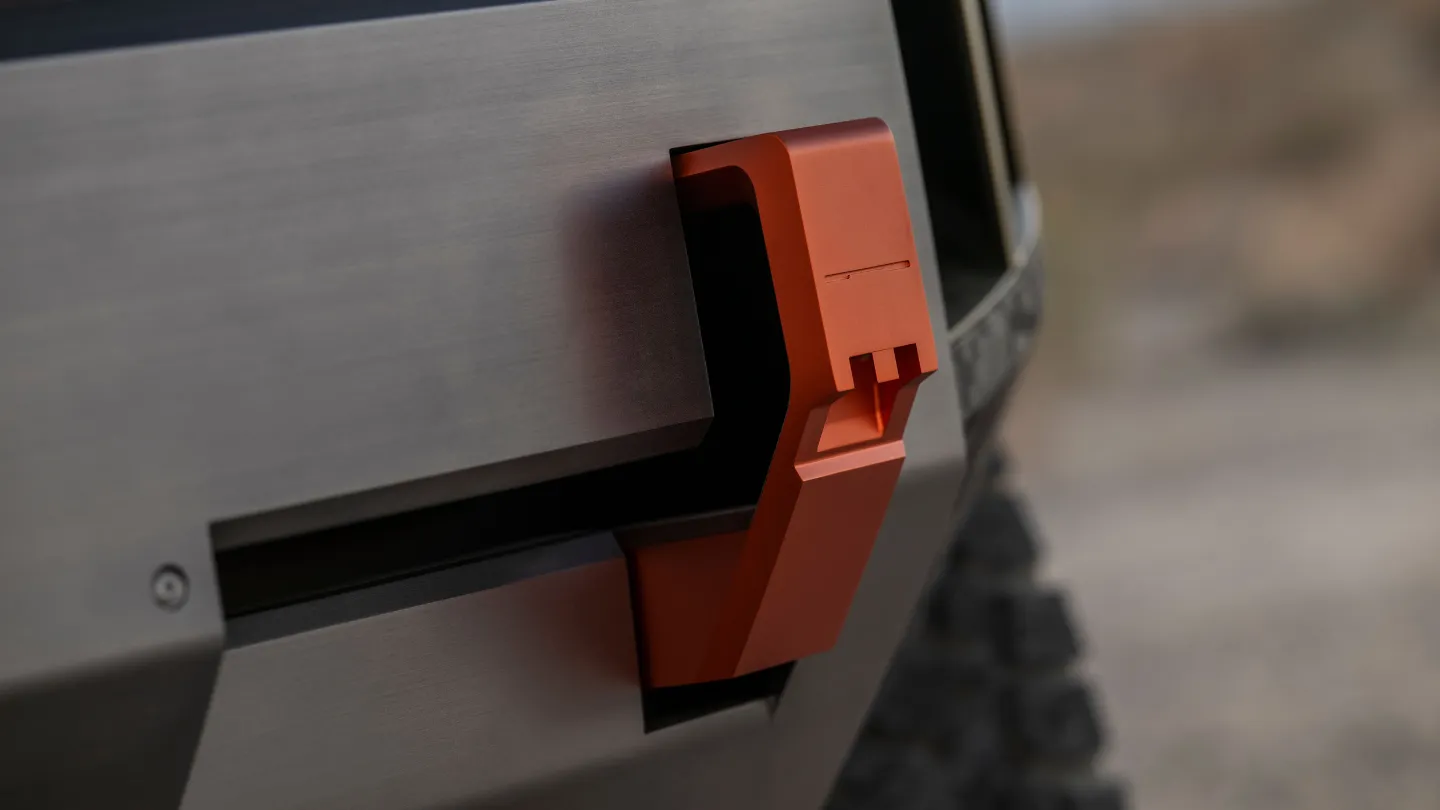
The built-in recovery hook that doubles as a bottle opener is a neat touch that would resonate on any campsite. The side-mirror cameras that detach to become flashlights or action cams are the kind of clever, multi-functional thinking for modern adventures. Oh, and by the way, it has suicide doors to access the back seats.
MORE: Hyundai Concept Three EV debuted at IAA Mobility 2025
Futuristic compact, off-road narrative
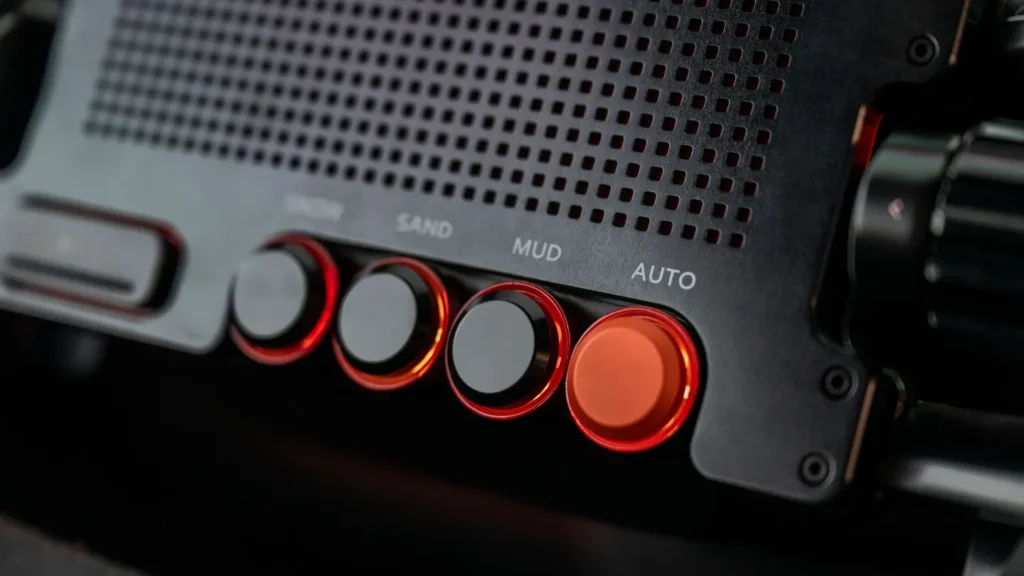
The Hyundai Crater Concept is built on a compact monocoque architecture, something you’d usually find in a nimble, urban-friendly vehicle. However, with this concept, Hyundai’s thought is that the monocoque build isn’t a compromise when the road ends. The Crater has a dedicated off-road controller that sits centrally, giving an intuitive command over front and rear locking differentials to the driver.
This is complemented by a terrain mode selector with SNOW, SAND, MUD, and a dedicated XRT mode. The massive skid plate is a primary piece of armour for the underbody against scrapes and dings from jutting-out rocks and rough undergrowth.
The Hyundai off-roader concept also includes typical specialised off-road features like: Downhill Brake Control (DBC), Trailer Brake Control, and some not-so-typical factory-fit features such as the Limb Risers (the front cables). It also has a robust roof platform, designed as a mounting point for auxiliary lighting and storage.
SangYup Lee, Executive VP and Head of Hyundai and Genesis Global Design, said, “CRATER began with a question: ‘What does freedom look like?’ This vehicle stands as our answer. It is a vision shaped by our unending drive to explore — to inspire our customers to explore deeper and embrace the impact of adventure.”
MORE: 2026 Santa Fe gets tech upgrade and price hike
Interior design elements and technology
 +2 Photos
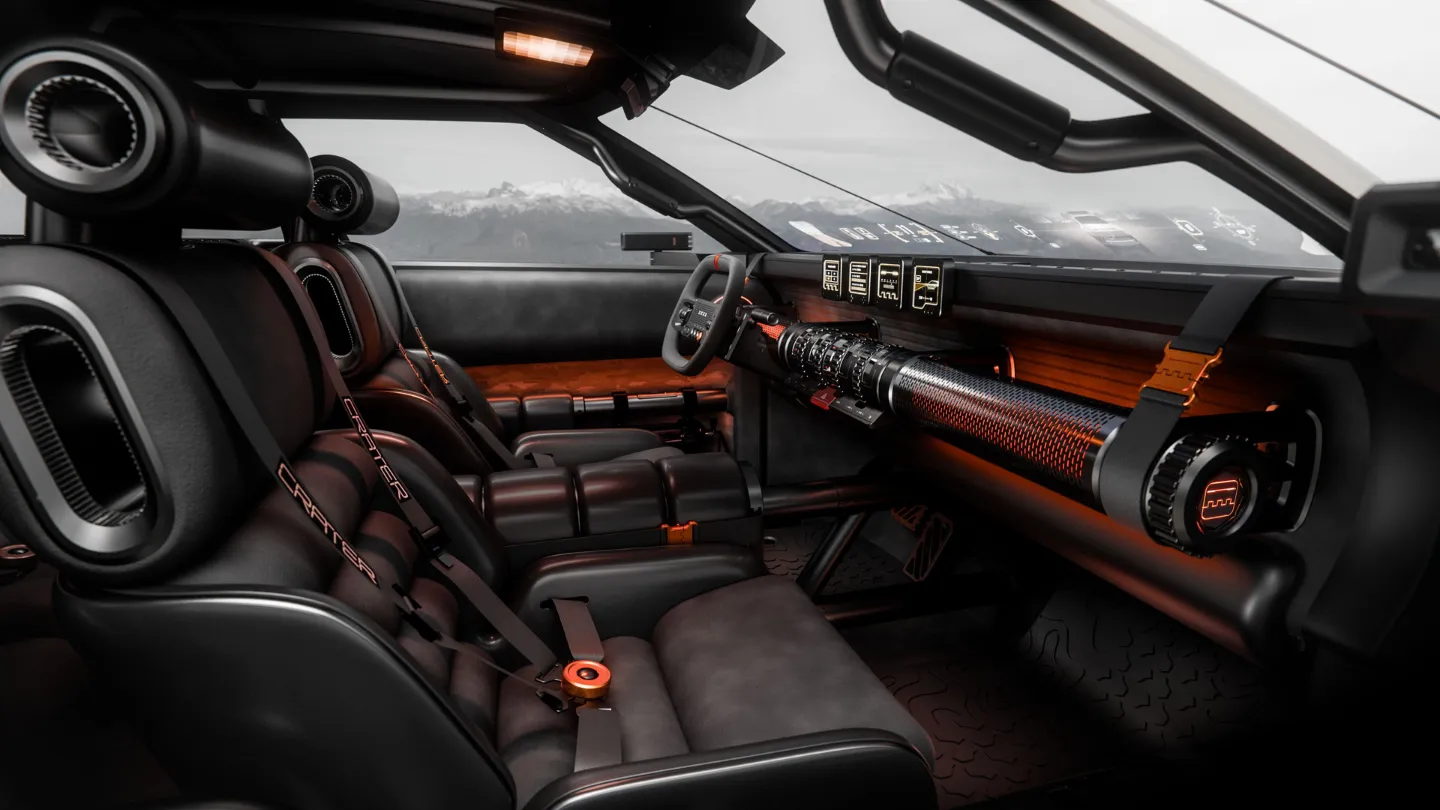
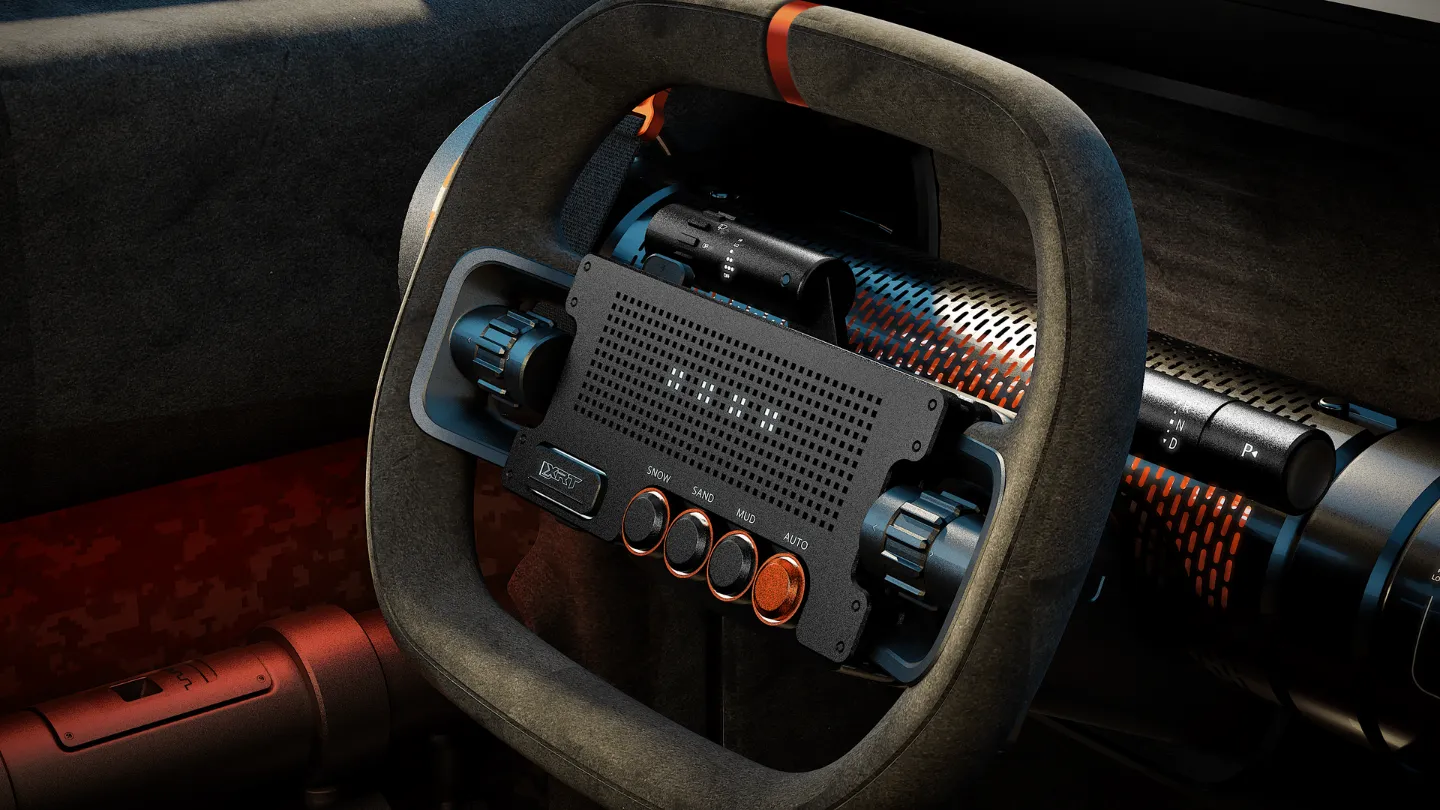
The Hyundai Crater Concept feels like a tech-savvy explorer’s mobile base camp inside. It’s got a mix of futuristic yet minimal design built for off-the-grid adventures. It features a flexible infotainment system that leverages your smartphone or tablet with the BYOD (Bring Your Own Device) philosophy.
The dashboard is dominated by a high-brow crash pad that wraps around the cabin like a single, bent sheet of metal. The centre console has an ergonomic cylindrical design with tactile buttons, and it even houses a removable Bluetooth speaker, ready for impromptu entertainment. There’s also a compass and altimeter integrated into the digital driver’s display.
The cabin is swathed in a “Black Ember” theme with neutral black leather and tactile black Alcantara. Vibrant anodised orange is strategically splashed across critical touchpoints like seat straps, control accents, and the tactile off-road controller. The squared-off steering wheel has a central pixel display with quick-access terrain mode buttons.
This colour scheme inside the Crater Concept is meant to evoke the energy of an outdoor experience like a desert sunset or a campfire.
A full-width HUD projects crucial information, like a novel rearview camera feed, keeping the driver’s eyes on the trail. The exposed functional roll cage and integrated grab handles promise safety and give it a raw visual appeal. There’s a flat floor and what seems like a structural set of beams separating the front footwell of the driver and co-driver.
The seats are wraparound forms with 3D padding, ample bolsters, and cylindrical cushions for stability and comfort. The 4-point harnesses in seats hint at serious off-road intent.
MORE: 2026 Hyundai Tucson gets price cuts, loses turbo
Potential preview of the Hyundai XRT brand
The Hyundai Crater Concept certainly is not the first off-road-focused build from the brand, with multiple showcases for the SEMA show over the years. The Crater is a ground-up, serious off-roader redesign with adventure-focused geometry and functional hardware.
While these extremely modified concepts rarely make their way to production, they have spawned the Hyundai brand of slightly more rugged than standard variants with the XRT badge.
The current crop of models featuring an XRT trim includes the Hyundai Tucson, Hyundai Santa Fe and Hyundai Santa Cruz ute, featuring a tougher styling on a standard car.
Additionally, the Hyundai Ioniq 5 EV and the Hyundai Palisade full-size SUV are also confirmed to get the XRT treatment for 2026. However, these XRT variants are offered primarily in the USA, and none in Australia so far.
The Crater is a lifestyle SUV for rock crawlers and overlanders. This concept clearly exists above the current lineup in both ambition and focus.
Future outlook of the Hyundai Crater Concept
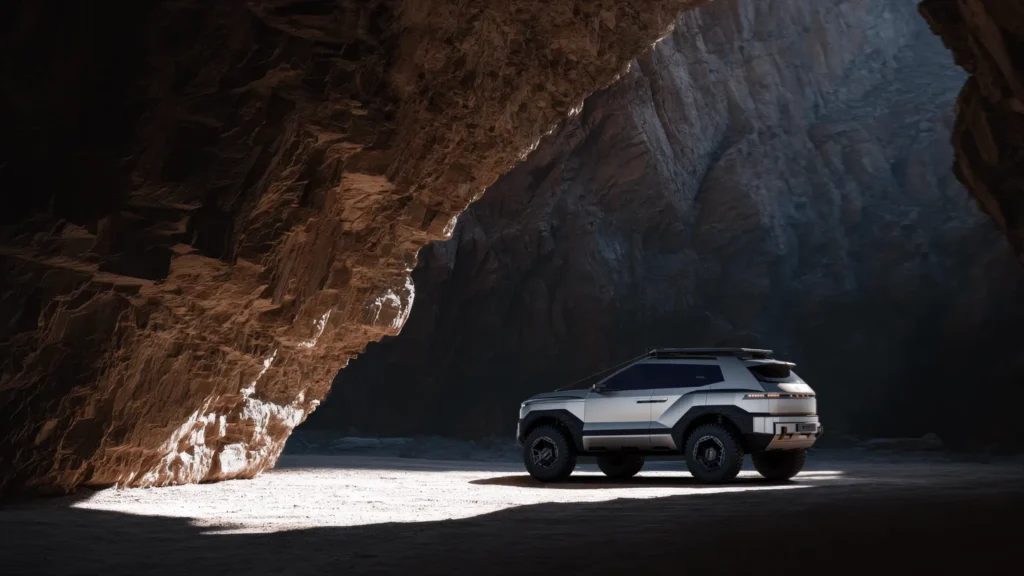
The Hyundai Crater Concept will never be produced, as much as we would want it to. However, its core ideas can reach production in the near future, like the “Art of Steel” design, the clever functions (bottle opener, removable lights), and BYOD philosophy.
This concept vehicle is for people who love to be outdoors in a tech-laden vehicle. The Crater Concept could be an inspirational, compelling preview of the next-gen adventure-focused Hyundai SUV.

Comments
New Comment