




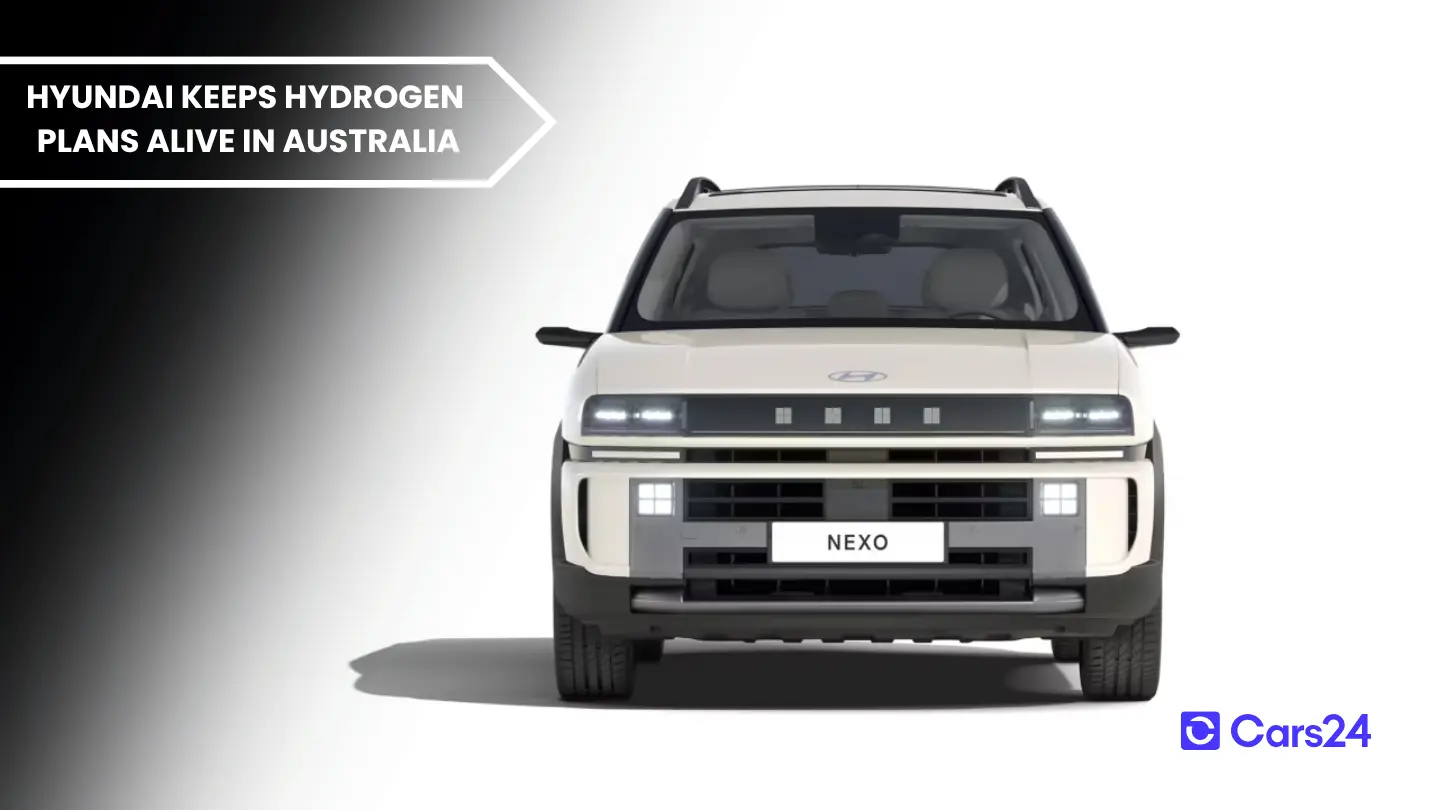
Key highlights
- Hyundai says hydrogen passenger cars still have a future, despite the technology struggling to gain mainstream acceptance.
- The next-generation fuel-cell vehicle remains under evaluation, with no confirmed Australian launch plans.
- High vehicle costs and limited refuelling infrastructure continue to make hydrogen cars difficult to sell locally.
Hydrogen-powered passenger cars may have slipped out of the spotlight as electric vehicles become more common, but Hyundai Australia isn’t ready to give up on the technology.
The carmaker is still evaluating whether to bring another hydrogen-powered vehicle to Australia, although it admits finding enough customers will be key to making the business case work.
Scott Nargar, Hyundai Australia’s Senior Manager of Future Mobility and Government Relations, said hydrogen-powered passenger cars were far from dead.
“Hydrogen isn’t dead for passenger vehicles,” Nargar said, confirming the company was still assessing its next-generation fuel-cell vehicle for the local market. “The biggest thing is you’ve got to find is customers.”
However, Hyundai hasn’t confirmed which vehicle is being considered, or when Australian buyers might get another opportunity to purchase one. It also hasn’t announced any Australian pricing or availability details.
Read more: Hyundai i30 N hatch survives with Australia as its last market
Hyundai Nexo launch still hasn’t happened
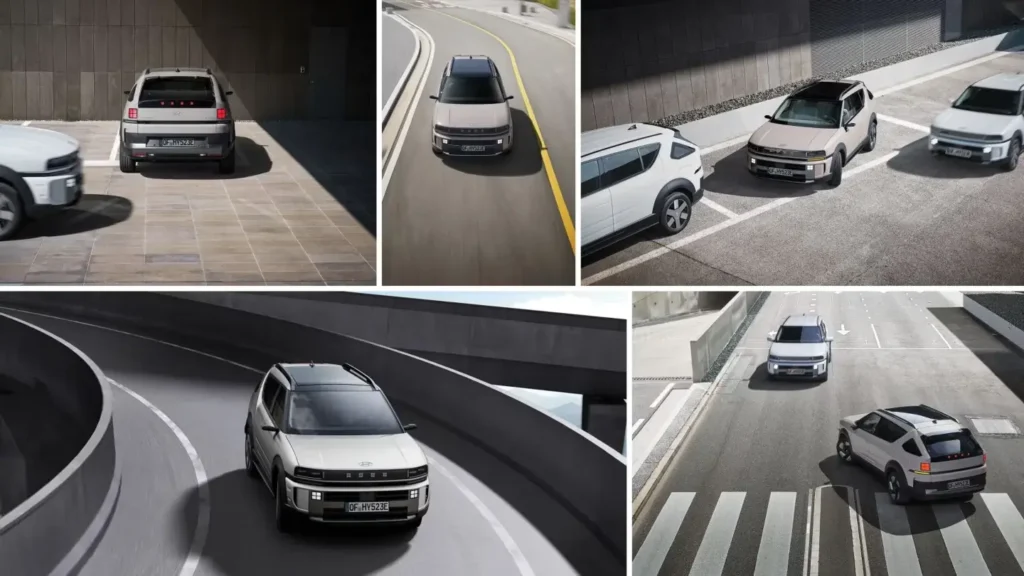
The latest comments come as Hyundai’s existing hydrogen SUV, the Hyundai Nexo, remains absent from Australian showrooms.
In September 2025, the Nexo received Australian Design Rule (ADR) certification from the Department of Infrastructure, a necessary step towards being sold locally.
At the time, a Hyundai spokesperson indicated the model was expected to launch in Australia in 2026. However, it has yet to arrive, despite the certification milestone.
It is also unclear whether Hyundai’s latest evaluation refers to this existing Nexo or an entirely new fuel-cell vehicle that could eventually join its international line-up.
For Australian buyers interested in hydrogen technology, that leaves the local future of the Nexo uncertain.
The original Nexo was part of Hyundai’s push to establish hydrogen as an alternative to conventional petrol and diesel vehicles, particularly in markets where the infrastructure and government support could make the technology viable.
Why hydrogen cars haven’t taken off in Australia
Hyundai isn’t the only manufacturer that has explored hydrogen-powered passenger vehicles in Australia.
Toyota also invested in the technology, with the Japanese brand offering the Toyota Mirai alongside Hyundai’s Nexo. Both manufacturers established hydrogen refuelling stations at their respective headquarters in Melbourne and Sydney.
Hydrogen vehicles were also supplied to fleet operators, including Queensland Police, which used Hyundai Nexo SUVs as part of its earlier hydrogen vehicle trials.
But despite those efforts, hydrogen passenger cars have struggled to move beyond limited fleet applications.
One of the biggest problems is cost. Hydrogen fuel-cell vehicles use hydrogen to generate electricity, which then powers an electric motor. Unlike battery-electric vehicles, they can be refuelled with hydrogen rather than needing to be plugged in and charged.
However, producing, transporting and storing hydrogen adds costs, while refuelling stations remain considerably less common than conventional petrol stations or public EV charging points.
Nargar acknowledged that hydrogen technology is still more expensive than battery-electric alternatives.
“The technology is not as cheap as electric,” he said, adding that even hydrogen-powered trucks carry a considerable cost premium over conventional internal combustion engine and battery-electric alternatives.
Infrastructure remains the biggest challenge
Hyundai believes Australia has the natural resources to support a broader hydrogen industry, but turning that potential into a practical transport solution will take investment.
Nargar pointed to Australia’s access to sunlight, wind and fossil fuels as potential resources for producing transport fuels.
He also suggested the country needs to consider how its transport networks can make better use of the resources available locally, alongside the technology already developed.
For passenger vehicles, though, a bigger refuelling network would be essential before hydrogen could become a realistic alternative for everyday motorists.
Unlike battery-electric cars, which can be charged at home, hydrogen vehicles depend on access to specialised refuelling stations. That makes widespread adoption difficult without significant infrastructure investment.
For now, Hyundai’s comments suggest hydrogen remains part of its longer-term thinking in Australia, but there is no confirmed new model or local launch timeline.
With battery-electric vehicles continuing to expand their presence in the Australian market, hydrogen passenger cars will need to offer a compelling reason for buyers to choose them. Until vehicle costs come down and refuelling becomes more accessible, that could remain a difficult sell.
Comments
New Comment