




Key highlights
- Lexus will axe the RX350 and LS500 from its Australian range, citing changing customer preferences.
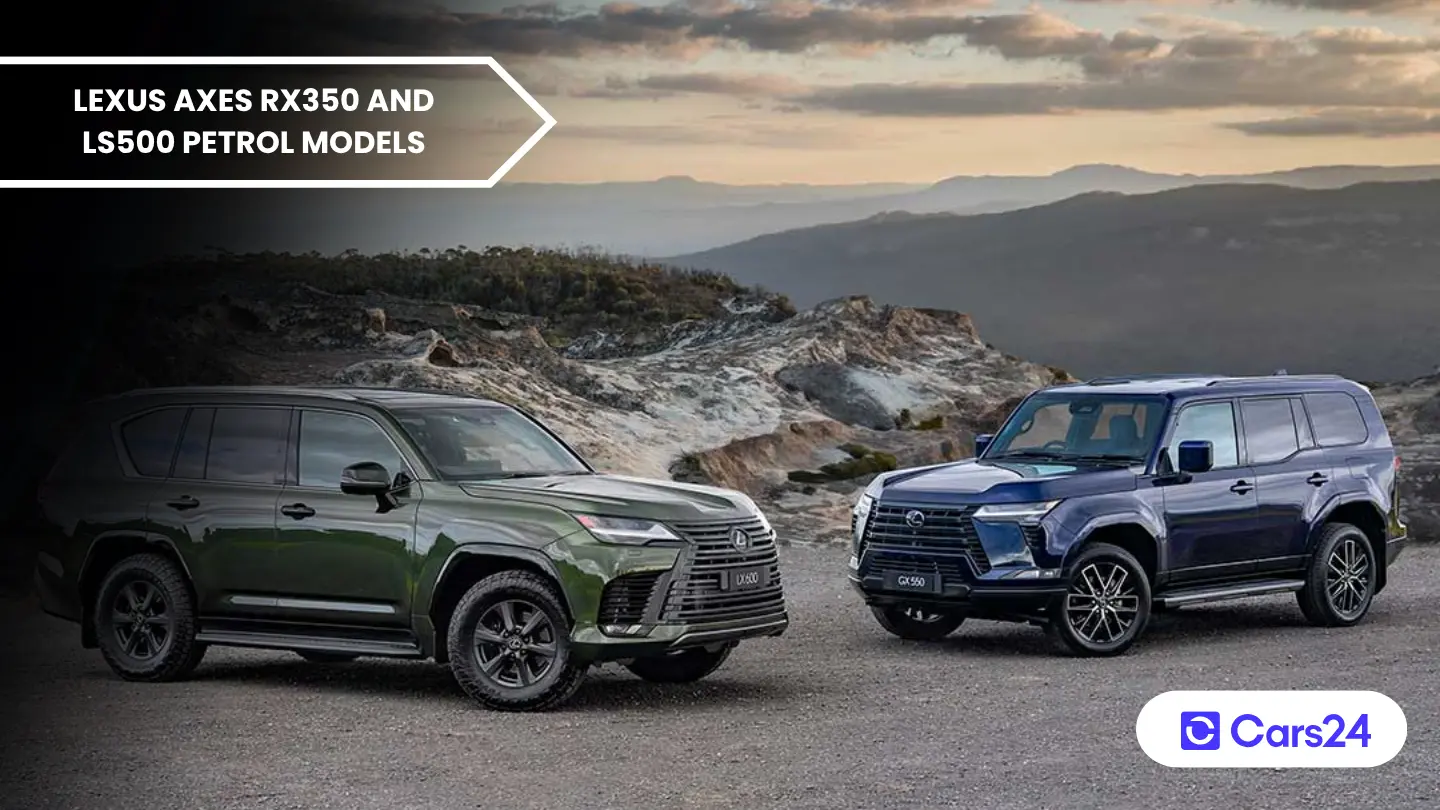
- Only three petrol-only Lexus models will remain locally: the LBX Morizo RR, GX550 and LX600.
- The RX range is going hybrid-heavy, with the RX350h, RX500h and RX450h+ continuing in Australia.
Lexus Australia is shrinking its petrol-only offering yet again, confirming the RX350 and LS500 will both be discontinued locally by 2027. It’s the latest step in a broader shift toward electrified power across the brand’s range.
The cuts follow the global axing of the petrol NX350, which is losing its non-hybrid variant as part of a mid-life update. Once the RX350 and LS500 are gone, only three purely petrol Lexus models will remain on sale in Australia: the LBX Morizo RR, and the two large SUVs, the GX550 and LX600. The LC coupe was already retired earlier this year.
Read more: Lexus NX gets its biggest update yet and it’s not just a facelift
Why is Lexus dropping these models?
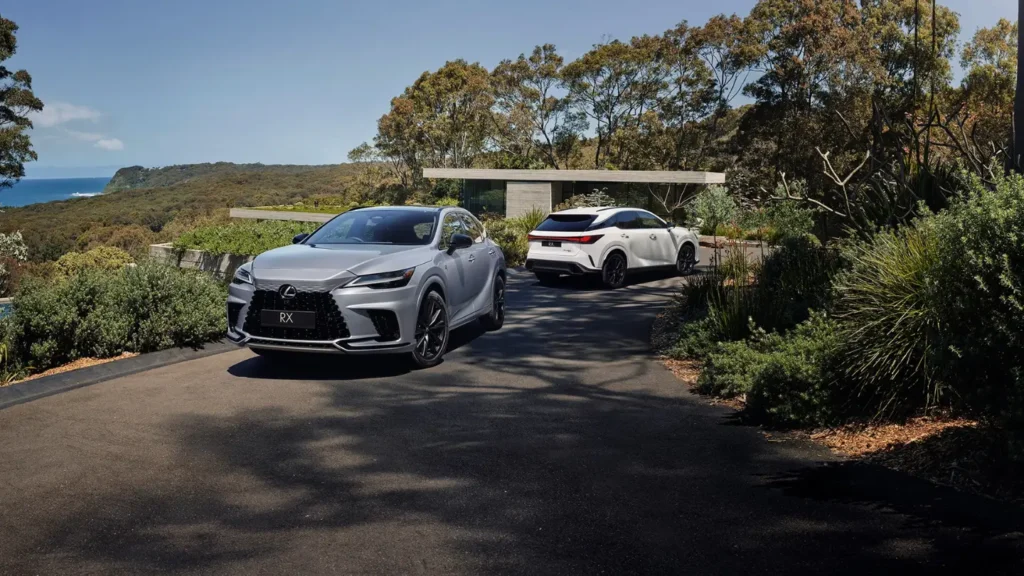
Lexus Australia points to changing customer preferences behind the decision, and the sales numbers support that reasoning. The petrol RX350 accounted for roughly 15 to 16 percent of total RX sales in 2025, tracking closely with how the petrol NX has performed. The LS story is even more lopsided: the hybrid LS500h took more than half of that model’s sales last year, although the LS nameplate is a low-volume player in Australia overall, with just 13 cars finding buyers in 2025.
What engine is being dropped, and where else it’s used?
The Lexus NX350 and RX350 share a turbocharged 2.4-litre four-cylinder engine, producing 205kW and 430Nm, paired with an eight-speed automatic and all-wheel drive. This engine was developed to replace Toyota’s older naturally aspirated V6 and has also powered the Kluger (before it switched to hybrid-only) and the LandCruiser Prado overseas, though the Australian-spec Prado sticks with diesel.
Once this engine disappears from the NX and RX locally, its only remaining local applications will both be hybrids: the RX500h F Sport Performance and the LM500h people mover.
Will the Lexus RX go hybrid-only?
There’s a real possibility the RX follows the NX’s lead entirely. A facelifted version has already been spotted in testing, and reports suggest it could drop petrol power globally in favour of hybrid and plug-in hybrid variants only. Once the RX350 leaves the range, Australian buyers will have the RX350h and RX500h hybrids, along with the RX450h+ plug-in hybrid.
Only three petrol-only Lexus models will remain
Once the RX350, LS500 and NX350 are gone, Lexus Australia will be left with only three models that don’t use a hybrid system. These are the LBX Morizo RR, GX550 and LX600.
That gives the Lexus line-up a very different powertrain balance from just a few years ago, particularly as the brand continues adding hybrid, plug-in hybrid and electric models. The Lexus LC has already disappeared from the Australian market, having been retired earlier this year.
The RX could also move further in this direction when its next update arrives. A facelifted RX has been spotted testing, with its debut expected either later this year or in 2027. There is speculation the updated SUV could follow the NX and eventually become a hybrid- and plug-in hybrid-only model globally. The new RX is also expected to receive a heavily redesigned cabin, bringing its interior closer to newer Lexus models such as the ES and TZ.
Lexus LS isn’t quite finished yet
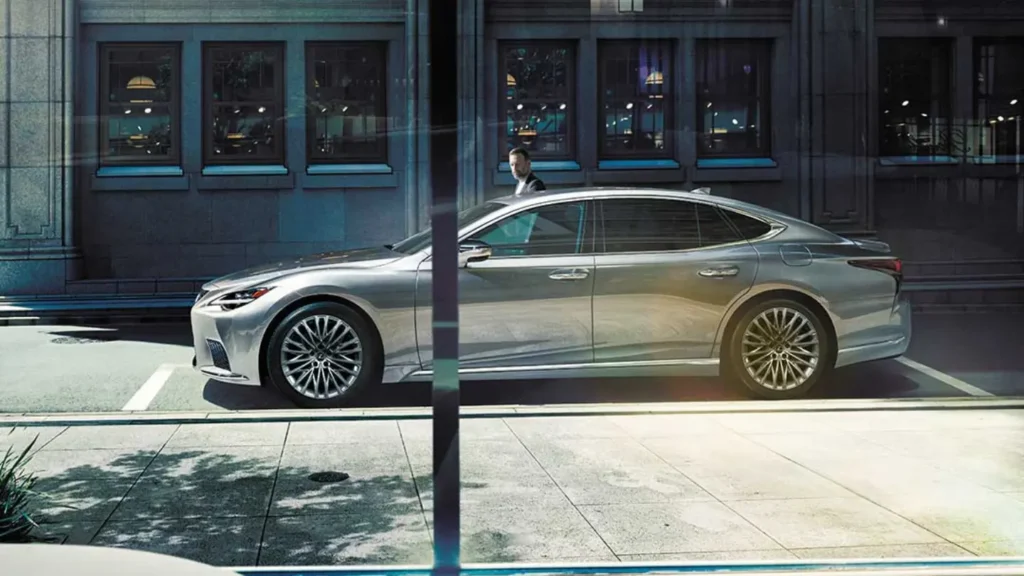
Despite the Lexus LS500 being dropped from the Australian range, the LS nameplate itself isn’t disappearing immediately. Lexus Australia has previously confirmed a minor technical update for the flagship sedan, with updated cars due to arrive locally towards the end of 2026. The updated LS is also expected to lose its petrol-only powertrain, with the existing 3.5-litre V6 hybrid system potentially becoming the sole powertrain.
Reports from Japan indicate the updated sedan could also gain a panoramic glass roof and several structural changes aimed at improving refinement, including additional vibration-absorbing material. However, the ageing LS isn’t expected to receive every piece of Lexus’ latest technology. Reports indicate it could retain its existing 12.3-inch infotainment display rather than adopting the newer 14-inch system and Arene software platform found in the latest Lexus models.
By 2027, only the LBX Morizo RR, GX550 and LX600 will remain as purely petrol-powered Lexus models in Australia, while the rest of the range will rely on hybrid, plug-in hybrid or electric power. The brand is steadily reducing the number of conventional petrol engines available in its line-up, while putting greater emphasis on hybrids, plug-in hybrids and EVs.
By 2027, the petrol-only Lexus range in Australia will be considerably smaller than it is today.

Comments
New Comment