




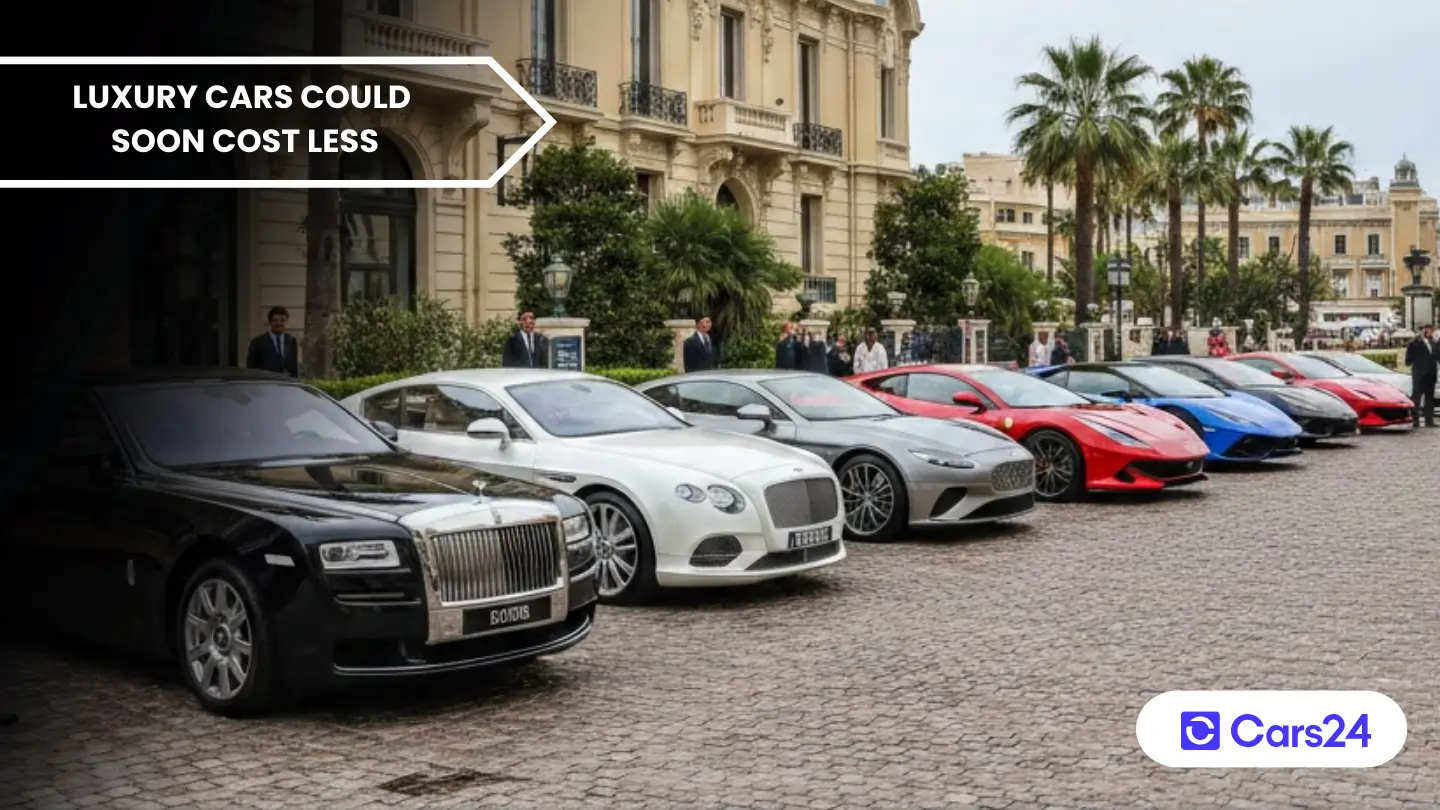
Australia’s controversial Luxury Car Tax (LCT) has moved a step closer to being scrapped, with long-running free-trade negotiations between Australia and the European Union now said to be in their final stages.
If finalised, the agreement could not only spell the end of LCT, or at least a gradual winding-back of it, but also remove the five per cent import tariff on European-built vehicles, potentially reducing prices for a wide range of cars sold in Australia.
Talks “close” as leaders narrow final gaps
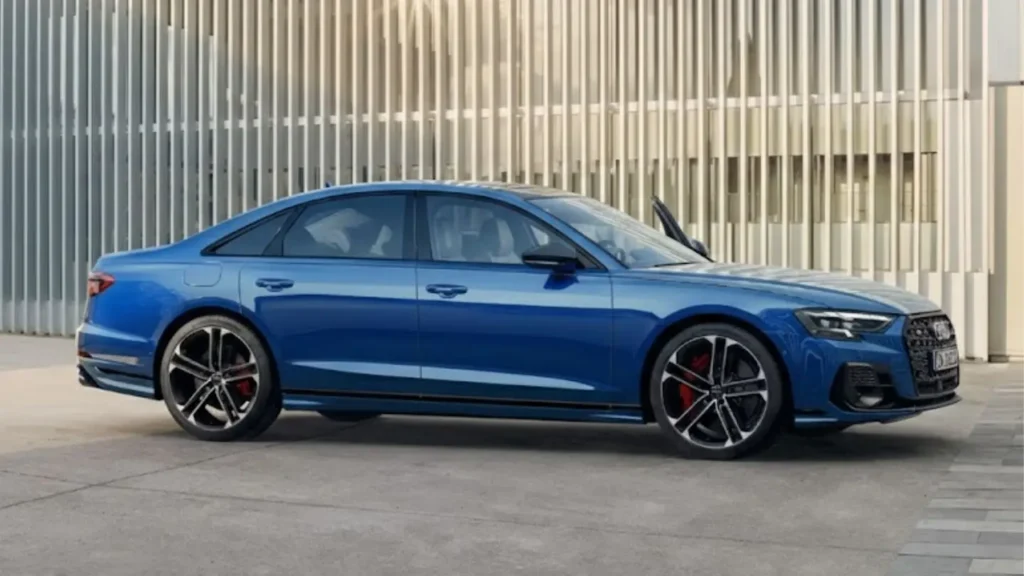
According to the ABC, sources on both sides of the negotiations say the deal is now close, with just one unresolved issue, understood to relate to red meat exports, remaining before the agreement can be signed.
The update follows talks in Belgium last week between Australia’s Minister for Trade and Tourism Don Farrell and senior EU officials, including Trade Commissioner Maroš Šefčovič and Agriculture Commissioner Christophe Hansen.
A joint statement described the discussions as “constructive and positive”, adding that “good progress was achieved in narrowing gaps on a small number of outstanding matters”, with both sides now set to report back to their respective leaders.
It is understood Australian Prime Minister Anthony Albanese and European Commission President Ursula von der Leyen are expected to resolve the remaining issue, with reports suggesting a potential visit to Australia by President von der Leyen to finalise the deal.
Why is the Luxury Car Tax central to the negotiations?
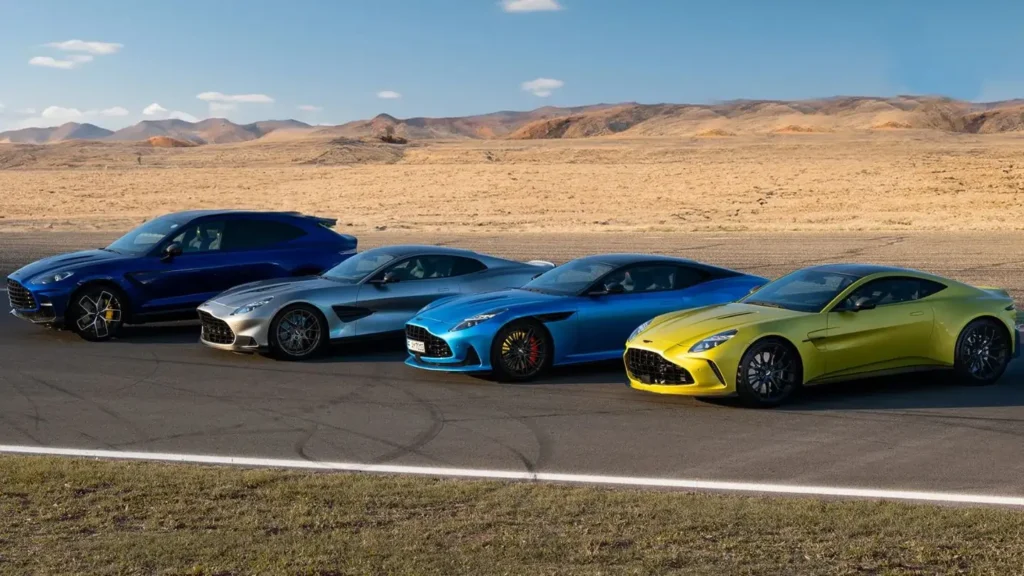
The Luxury Car Tax has long been used as a bargaining chip in Australia–EU trade talks. While Australia is pushing for greater access for agricultural exports such as beef and dairy into Europe, the EU has been lobbying for the removal of LCT, which disproportionately affects European vehicles sold locally.
LCT is a 33 per cent tax applied to the portion of a new vehicle’s price above:
- $91,387 for fuel-efficient vehicles (including EVs and most hybrids), or
- $80,567 for all other vehicles.
Although often framed as a tax on high-end brands, LCT also applies to popular mainstream models, including high-spec variants of the Toyota Prado, LandCruiser 300 Series and Nissan Patrol.
The tax is expected to raise around $1.15–$1.21 billion for the Federal Government in the 2025–26 financial year.
European cars face a unique disadvantage
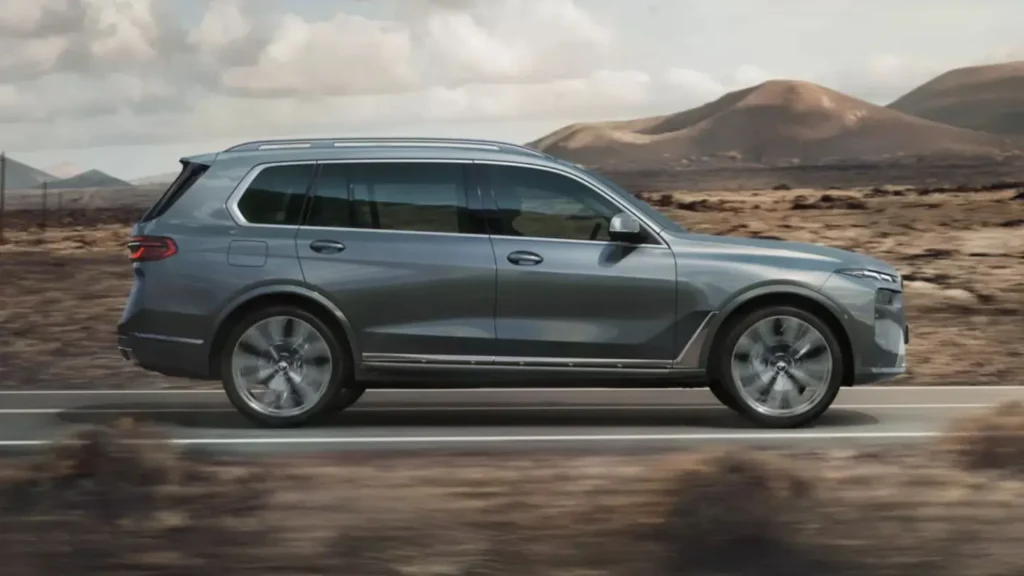
In the absence of a free-trade agreement, European-built vehicles are subject to a five per cent import tariff in Australia, a cost not faced by vehicles imported from Japan, China, Thailand or South Korea, Australia’s four largest sources of new vehicles.
As a result, European brands carry a dual burden of both import duties and LCT, with reports suggesting around 40 per cent of LCT revenue is generated from European car sales alone.
Removing these barriers would significantly level the playing field for European manufacturers in the Australian market.
Industry backs reform, but warns against sudden change
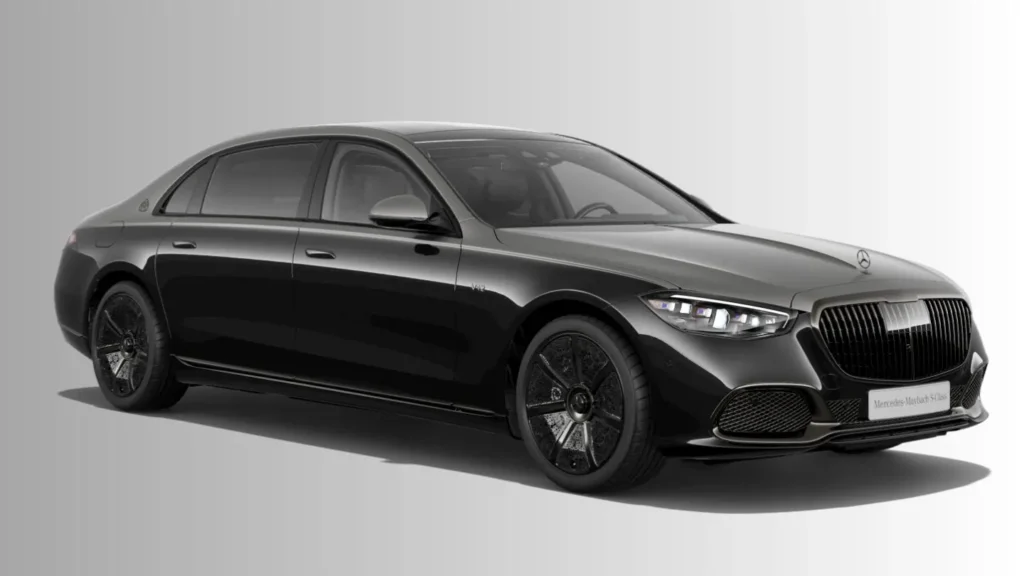
The Australian automotive industry has long argued that LCT is outdated, particularly as rising vehicle prices mean many family SUVs and utes now exceed the so-called “luxury” thresholds.
The Australian Automotive Dealer Association has repeatedly called for the tax to be abolished or reformed, urging the government to at least lift thresholds or exempt low-emission vehicles.
However, industry groups and automakers have also warned that abolishing LCT overnight could damage residual values, prompting the government to reportedly consider a gradual phase-out rather than an immediate removal.
What happens next?
Momentum around the Australia–EU Free Trade Agreement is stronger than at any point since talks collapsed in 2023.
If signed, the deal would mark a major shift in Australia’s vehicle taxation landscape, potentially making European cars cheaper, reducing long-standing trade frictions, and finally bringing an end to a tax critics say no longer reflects the modern car market.
For now, though, Luxury Car Tax remains in place, but its future looks increasingly uncertain.

Comments
New Comment