




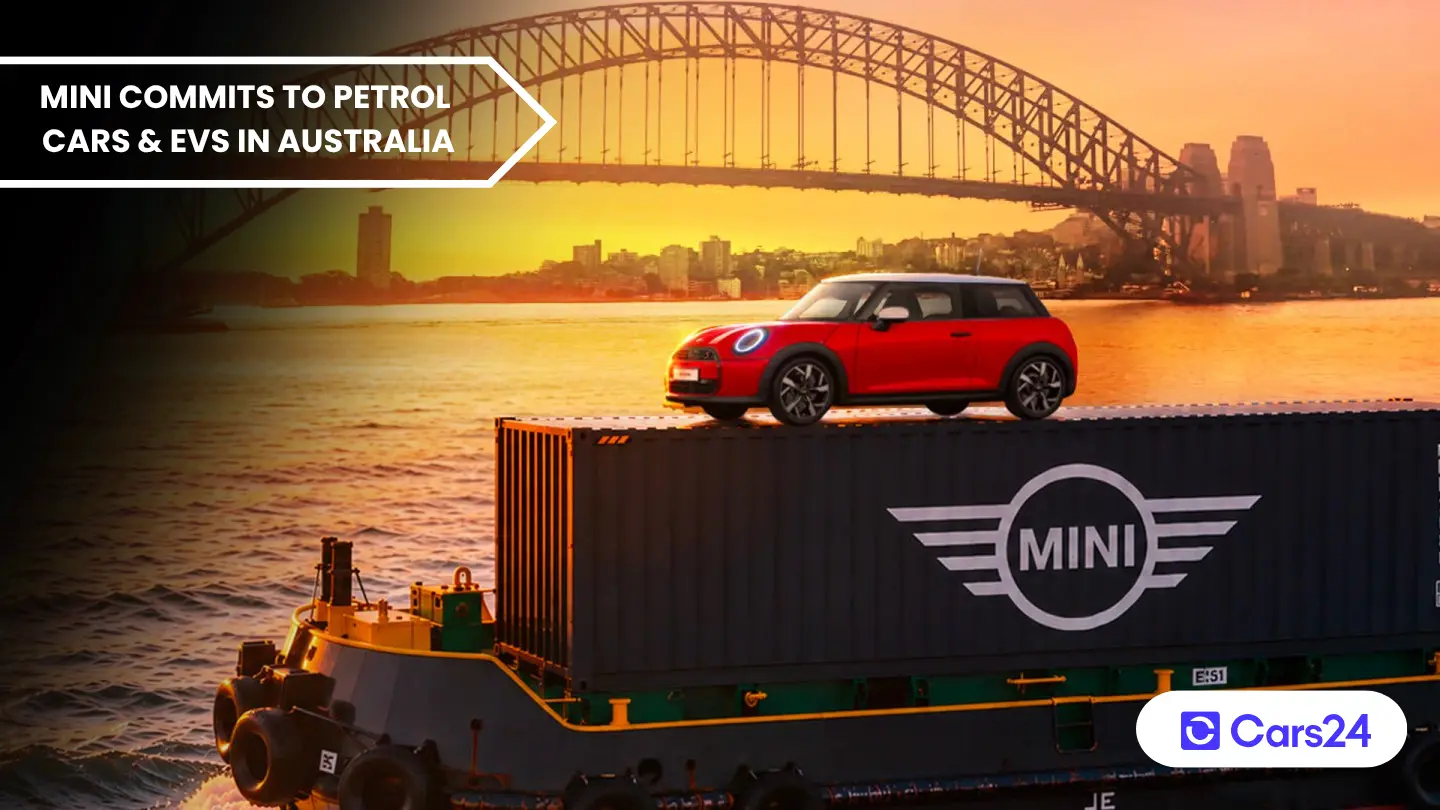
Key highlights
- Around 65 per cent of Mini’s Australian sales are still petrol-powered, despite growing demand for electric models.
- The Cooper and Countryman will retain petrol options for as long as the brand offers them globally.
- Mini says emissions regulations and customer demand will determine how long both powertrain options remain available.
Mini will continue offering petrol-powered versions of the Cooper and Countryman alongside their fully electric counterparts, with the brand saying there is still a strong case for keeping both options in its Australian line-up.
The commitment comes as the British marque expands its electric vehicle range, but acknowledges that petrol remains the preferred choice for most of its customers.
Mini Australia general manager Alexander Brockhoff said the brand would maintain a choice of petrol and electric powertrains for as long as they remain available globally.
“I think it’s important that we have the choice, because it depends on the customer, it depends on the use cases, and that it’s important to have both,” Brockhoff said.
However, the decision is not entirely in Mini’s hands. The availability of petrol models will also depend on emissions regulations and whether the company can continue offering them in different markets.
For Australian buyers, that means there is no immediate indication that Mini plans to phase out its conventional petrol models in favour of an all-electric line-up.
Read more: Mini Cooper JCW Lucky 13 Edition celebrates Bathurst win
Cooper and Countryman to retain petrol options
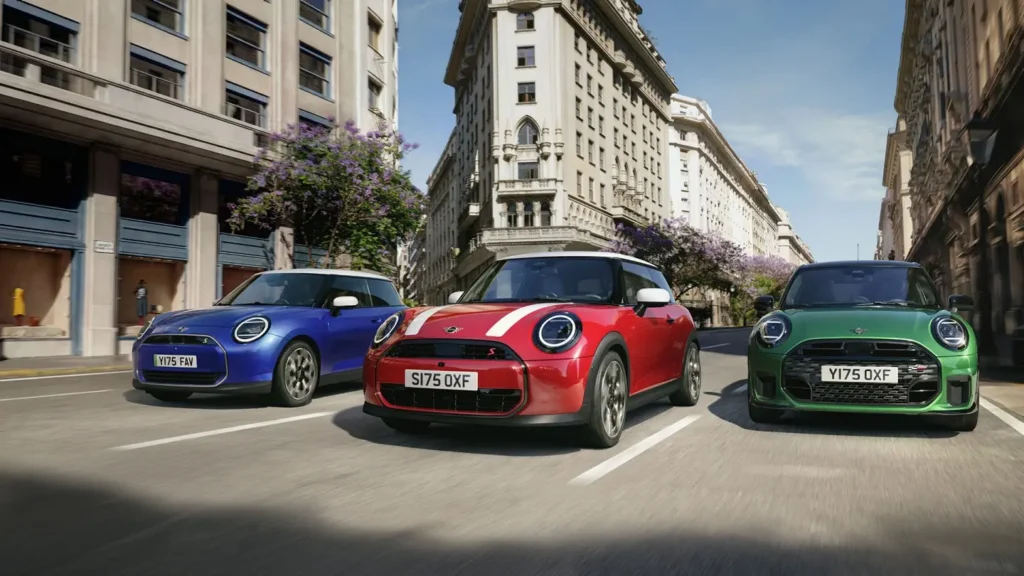
Mini currently offers electric versions of the Cooper, Aceman and Countryman, but its petrol range is more extensive.
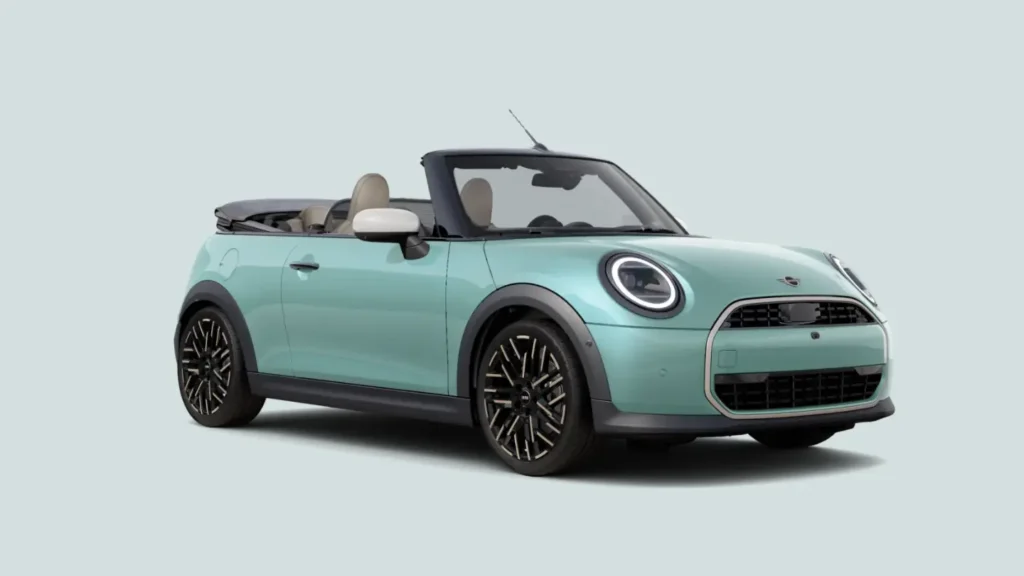
The Cooper is available with three-door and five-door body styles, as well as a convertible option. The Countryman also continues with conventional petrol power, while the John Cooper Works (JCW) performance range retains petrol-powered options.
The Aceman, meanwhile, is currently offered exclusively as an electric vehicle.
Mini’s current approach allows buyers to choose between familiar combustion engines and electric power without having to move to a different brand or model family.
The distinction is particularly relevant in Australia, where charging access, driving distances and vehicle usage can influence whether an electric car makes practical sense.
The Countryman also offers a mild-hybrid option in its C and S variants. Its 48-volt system provides some assistance to the petrol engine but cannot drive the vehicle on electric power alone.
It is worth distinguishing this from a plug-in hybrid, which can travel short distances using electricity stored in a larger battery.
Petrol still accounts for most Mini sales
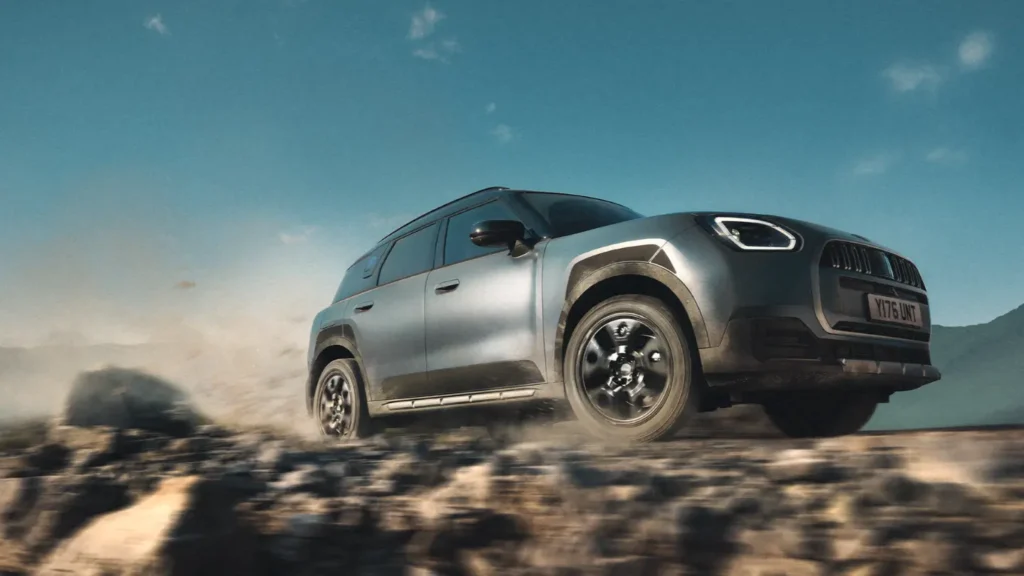
Despite the growing presence of electric vehicles in its range, petrol models continue to account for the majority of Mini’s Australian sales.
Brockhoff said more than a third of the brand’s vehicles sold are now fully electric. However, around 65 per cent of its Australian sales still come from petrol-powered models.
The figures underline why Mini is reluctant to move towards an electric-only strategy just yet. While demand for EVs is growing, there remains a sizeable group of buyers who prefer conventional engines.
The brand’s global figures also show how quickly its electric business is expanding. Mini delivered 288,290 vehicles worldwide in 2025, including 105,535 fully electric models.
That means electric vehicles accounted for more than a third of its global deliveries during the year.
Australia’s EV market continues to grow
Mini’s decision comes as electric vehicle adoption gathers pace in Australia, although petrol-powered vehicles continue to dominate new-car sales.
According to Australian new-car sales figures up to September 2026, 137,205 fully electric vehicles were sold out of 914,312 new vehicles recorded during the period. That puts EVs at around 15 per cent of the market.
Conventional hybrids accounted for another 160,053 sales, while plug-in hybrids contributed 85,278.
Petrol- and diesel-only vehicles remained the largest category, with 502,405 sales over the same period.
For Mini, these figures reinforce the value of offering different powertrain options rather than relying entirely on one technology.
There is also the question of future emissions requirements. Australia’s New Vehicle Efficiency Standard (NVES), introduced in January 2025, places emissions targets on carmakers selling new vehicles locally. Its tightening targets could influence which petrol models remain viable over time.
Mini has not announced an Australian timeline for ending petrol-powered Cooper or Countryman models. For now, the brand’s position is straightforward. Electric cars will remain an important part of its future, but petrol engines still have a place in its showrooms as long as customers want them and regulations allow.

Comments
New Comment