




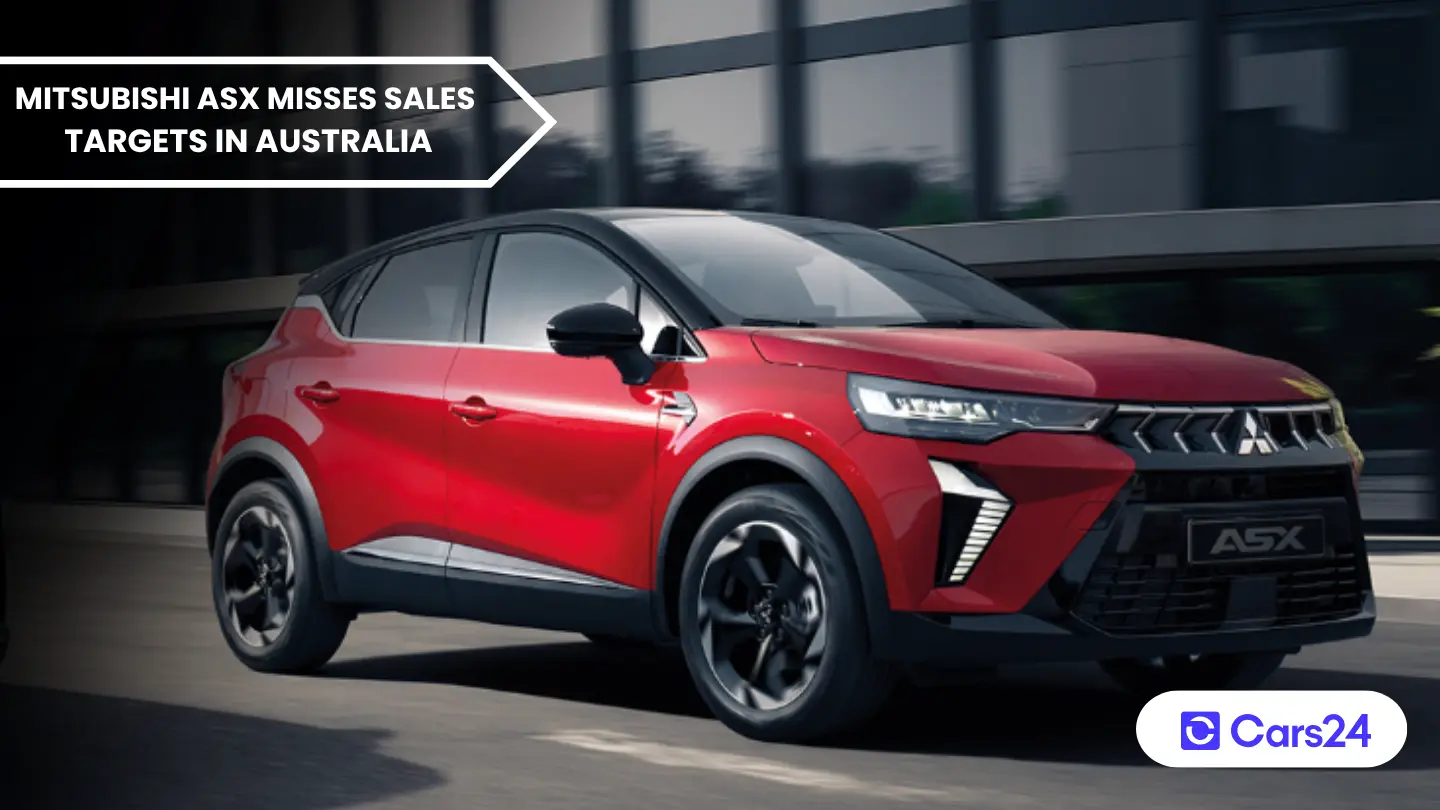
Key highlights
- Mitsubishi says the new ASX is falling short of its original sales expectations but will remain in Australian showrooms.
- The Renault Captur-based SUV launched at around $40,000 drive-away, significantly more than its predecessor.
- Discounting has lifted sales, but deliveries remain well below the previous ASX’s monthly figures.
Mitsubishi has no plans to pull the new ASX from Australian showrooms, despite the small SUV falling short of the company’s sales expectations and struggling to match the popularity of its much cheaper predecessor.
The latest-generation Mitsubishi ASX, which is based on the Renault Captur, has taken the nameplate into a more expensive market segment, with its starting price rising significantly compared with the previous model.
While the outgoing ASX was positioned as an affordable small SUV, the replacement arrived in Australia with an estimated drive-away price of around $40,000 to $42,000, depending on the state or territory.
That change in positioning has proved challenging for Mitsubishi, with the new model recording some of the weakest monthly sales figures in the nameplate’s Australian history.
Mitsubishi Motors Australia CEO Shunichi Kihara has acknowledged that sales volumes are below the company’s original expectations, although he said the brand never anticipated the new model would match the sales performance of its predecessor.
The company had expected the latest ASX to appeal to a different type of customer, reflecting its higher price point and more upmarket positioning.
However, Kihara said the vehicle continues to serve a purpose in Mitsubishi’s Australian line-up, supporting its dealer network and customers looking for a small petrol-powered SUV.
Read more: Mitsubishi Australia eyes off-road Outlander after US Diamond Trail Edition reveal
New Mitsubishi ASX sales struggle after price jump
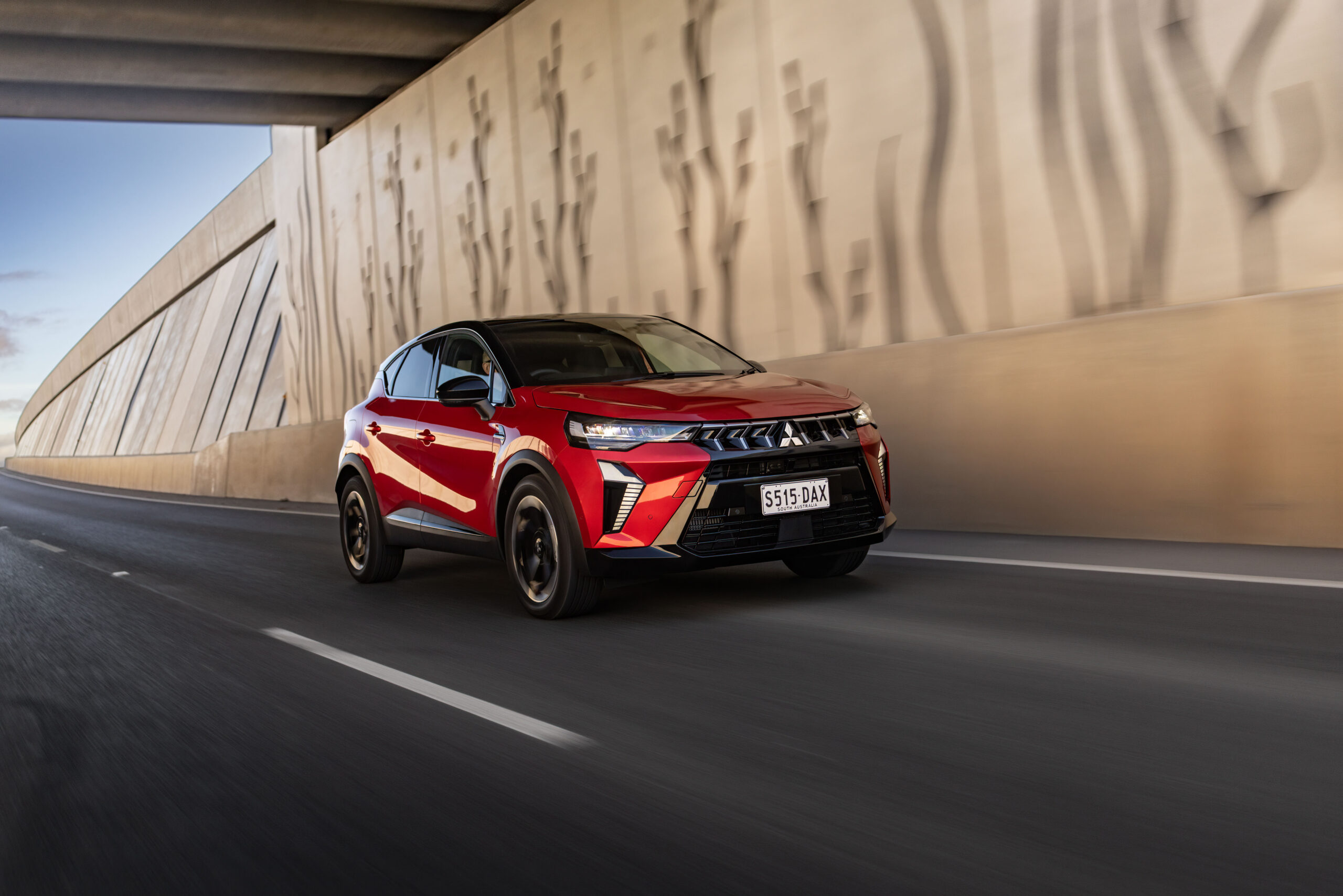
 +2 Photos


The change in direction has been substantial for one of Mitsubishi’s most familiar nameplates.
The previous-generation ASX had built its reputation on relatively affordable pricing, with its entry-level variants sitting in the $25,000 to $30,000 price bracket before its replacement arrived.
The new model, meanwhile, has a normal recommended retail price of $37,440 before on-road costs for the entry-level LS, translating to approximately $40,000 to $42,000 drive-away.
Mitsubishi has attempted to improve its showroom appeal through discounting, with the ASX LS advertised at $34,990 drive-away, representing a claimed saving of $5000.
Some dealers have reportedly offered even lower prices, with one advertised example listed at $29,990 drive-away for a new vehicle with just 10km on its odometer.
The reduced pricing has helped lift deliveries, but the ASX remains some distance from the sales figures achieved by the previous generation.
The new model recorded just 105 sales in April before deliveries improved to 200 in July. By comparison, Mitsubishi sold 1171 examples of the previous-generation ASX in July 2024.
The nameplate’s monthly sales record stands at 2419 units, achieved in September 2019.
In fact, nine of the 10 weakest sales months in the ASX’s 14-year Australian history have occurred since the introduction of the new-generation model.
Why Mitsubishi replaced the old ASX
 +2 Photos


The previous ASX was discontinued because it could not meet updated Australian safety requirements without significant changes, particularly around autonomous emergency braking (AEB).
Mitsubishi considered introducing the XForce, a small SUV sold in South-East Asian markets, but bringing it to Australia would have required costly upgrades to meet local safety and regulatory requirements.
Instead, the company opted to use its existing partnership with Renault to introduce the European-market Captur as the next-generation ASX.
The decision gave Mitsubishi a relatively quick replacement without having to develop an entirely new vehicle for Australia.
Kihara said the company had considered the available alternatives before settling on the current model, describing it as the best option available at the time.
While acknowledging that sales have not reached expectations, he maintained that the new ASX continues to fulfil a role in the company’s Australian range.
Electric ASX could broaden Mitsubishi’s small-car range
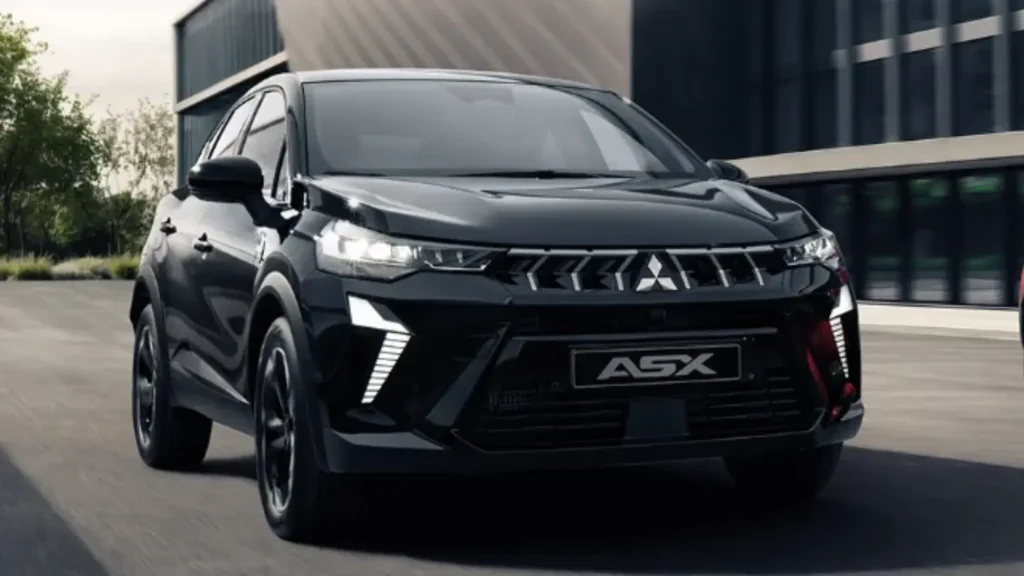
Mitsubishi is also preparing to expand its presence in the compact-car segment with the incoming ASX VR-e.
Unlike the petrol-powered ASX currently sold in Australia, the VR-e is an unrelated electric hatchback that shares the ASX name.
The model is expected to give Mitsubishi another option in the increasingly competitive affordable electric-car market, where brands such as BYD and Jaecoo are attracting buyers with their growing range of electrified vehicles.
However, the arrival of the electric model does not change the position of the current petrol-powered ASX, which Mitsubishi says will remain part of its Australian showroom line-up.
For now, the challenge will be convincing buyers that the newer, more expensive ASX offers enough value to justify its higher price, particularly when its predecessor built much of its success on affordability.

Comments
New Comment