




Key highlights
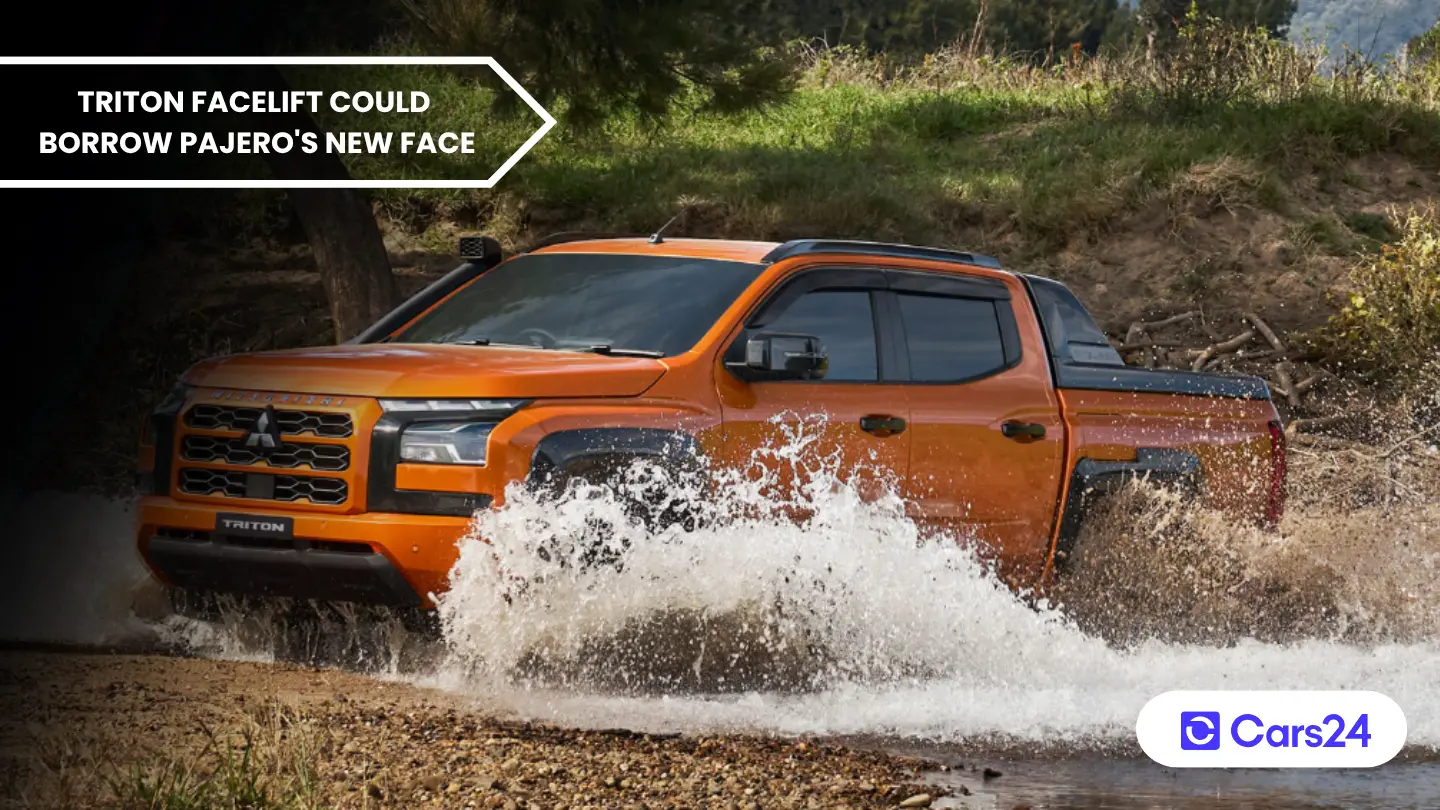
- Mitsubishi’s next Triton facelift could take styling inspiration from the new Pajero
- A larger infotainment screen and digital instrument cluster are among the potential upgrades
- Mitsubishi is developing hybrid and plug-in hybrid powertrains for the Triton and Pajero
Mitsubishi just pulled the wraps off its reborn Pajero, and while everyone’s busy admiring Australia’s favourite off-road nameplate making a comeback, there’s a more practical story hiding underneath it. The Pajero and the Triton share the same ladder-frame architecture, which means whatever Mitsubishi has learned building the new SUV is very likely to trickle down to the ute that’s been a fixture on Aussie job sites and driveways for years.
Nothing here is locked in yet. Mitsubishi hasn’t announced a Triton facelift, let alone confirmed what it’ll include. But between the current Triton’s model cycle and the tech now sitting inside the new Pajero, it’s not hard to join the dots.
Read more: Mitsubishi Triton facelift could get new Pajero styling and hybrid power
Why does a Triton update make sense right now?
The current sixth-generation Mitsubishi Triton landed back in 2023, which puts it right in the window where a mid-life refresh would typically show up, usually a couple of years after launch, sometimes later. With the Ford Ranger recently updated, a new Toyota Hilux now on the scene, and a steady stream of Chinese-built utes crowding the segment, Mitsubishi has good reason to keep the Triton feeling current rather than letting it sit still.
Don’t expect a full redesign, though. Facelifts on utes tend to be surgical rather than sweeping, the greenhouse and overall silhouette usually carry over, with the real changes concentrated up front.
A sharper face, borrowed from the Pajero
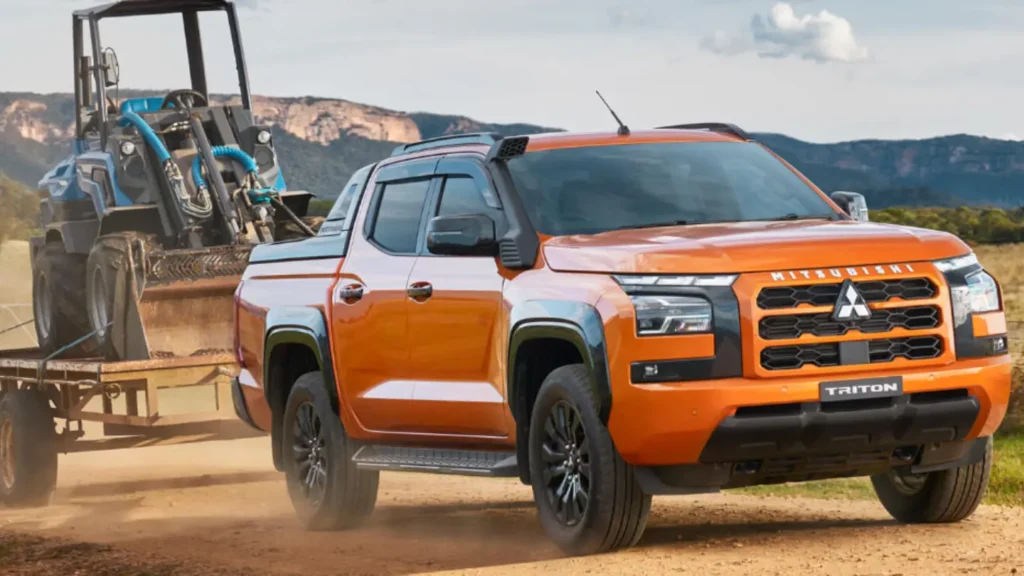
The new Pajero brings T-shaped LED headlights, a cleaner take on Mitsubishi’s Dynamic Shield nose, and a chunkier front skid plate. Those design cues are the most likely candidates to filter through to a refreshed Triton, replacing the current split-headlight look with something a bit more grown-up.
Around the back, changes would probably be more modest, new LED tail-light graphics and some tailgate trim updates rather than anything structural. It’s a sensible way for Mitsubishi to freshen the truck’s street presence without blowing the R&D budget on parts that don’t need replacing.
Cabin tech could get a genuine bump
This is where things get more interesting for anyone actually planning to buy one. The current Mitsubishi Triton runs a 9-inch infotainment screen, and reports point to that growing significantly in a facelifted version, alongside a 12.3-inch digital instrument cluster to replace the analogue dials. New upholstery choices and additional comfort and safety features are also tipped to come along for the ride.
To be clear, Mitsubishi isn’t expected to hand the Triton the Pajero’s plusher cabin, improved noise insulation or bespoke suspension tuning, the SUV sits above the ute in both price and positioning, and that gap isn’t going away. But a bigger screen and modern instrument cluster alone would go a long way toward keeping the Triton’s interior feeling current against rivals that have already moved on from small, low-res displays.
What’s under the bonnet, and what does it mean for hybrid power?
Australian-spec Mitsubishi Tritons currently run the twin-turbo 2.4-litre diesel producing 150kW and 470Nm, which remains one of the stronger outputs in the segment. The new Pajero uses an updated version of that same 2.4-litre diesel with a single variable-geometry turbocharger, and there’s a reasonable chance that engine could eventually make its way into the Triton too.
The bigger story, though, is electrification. Mitsubishi is reportedly developing hybrid and plug-in hybrid options for both the Pajero and the Triton, a shift that would put the ute in more direct competition with hybrid-equipped rivals already gaining traction locally. A fully electric Triton had reportedly been considered at one stage but appears to have been shelved or delayed for now.
What does this mean for Australian buyers?
For anyone currently cross-shopping utes, none of this changes the picture today, there’s no confirmed timeline, and certainly no Australian pricing or spec details to speak of. Based on Mitsubishi’s usual product cycles, camouflaged test vehicles could start appearing within the next year or so, which would be the first real sign of how close production is.
If you’re weighing up a Mitsubishi Triton purchase now versus waiting, it’s worth keeping an eye on how this develops, particularly the hybrid angle, given how quickly that segment is shifting in Australia. We’ll keep tracking it as more details emerge.

Comments
New Comment