




Key highlights:
- Niagara replaces the Oroch ute with a larger, car-based, more premium ute
- The ute offers 938L cargo space, 654kg payload, and 710kg towing capacity
- Right-hand-drive production appears unlikely, limiting Australian availability
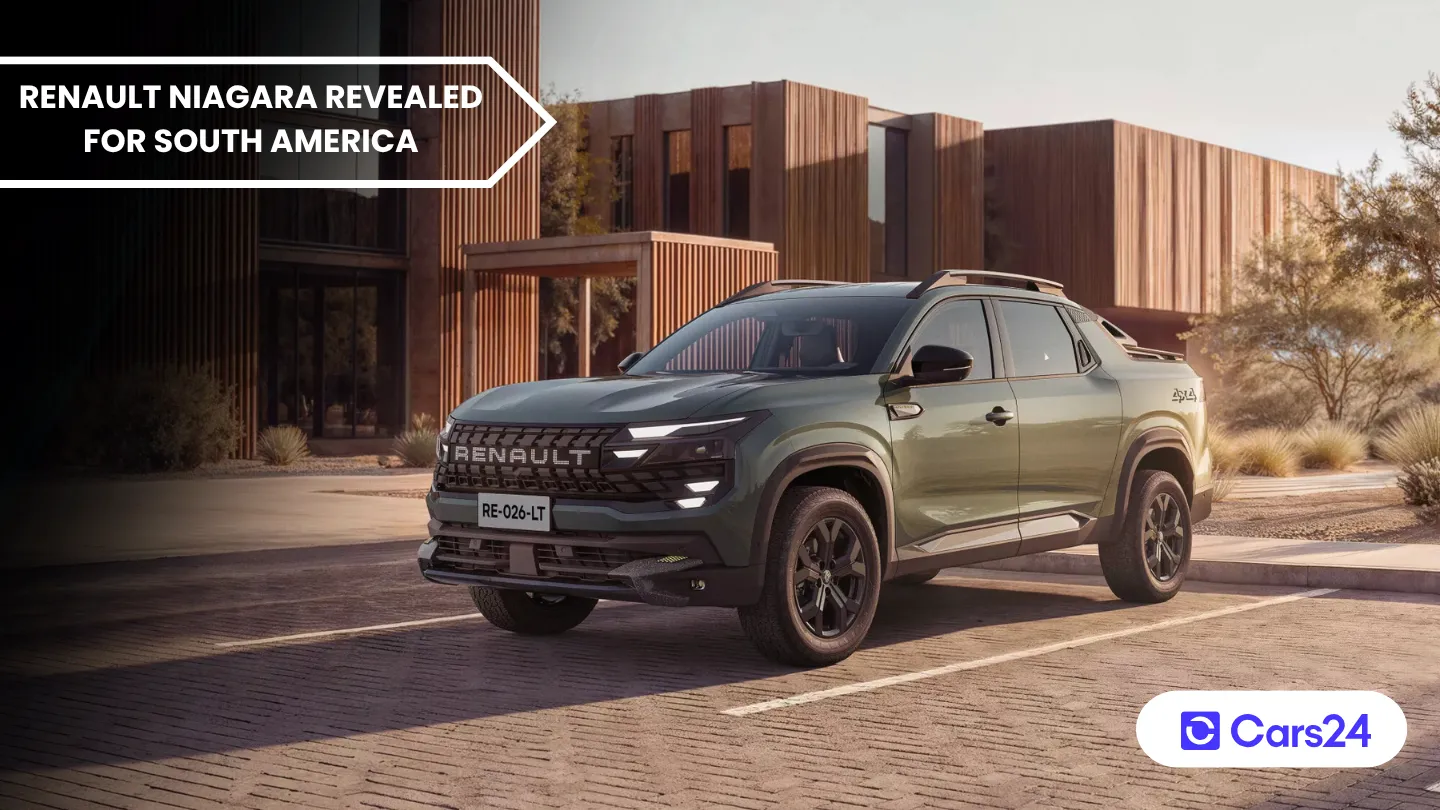
Renault has revealed the new Niagara ute in Argentina, inspired by the mighty waterfall in North America, but Australian buyers probably shouldn’t get too excited yet.
The new ute has been designed in Latin America for Latin America, and Renault appears unlikely to build it in right-hand drive.
The Niagara effectively replaces the long-running Renault Oroch ute, a 4.7-metre ute that launched in 2015, and shifts Renault’s ute formula towards the comfort and technology expected from a personal vehicle.
One turbo engine, two outputs
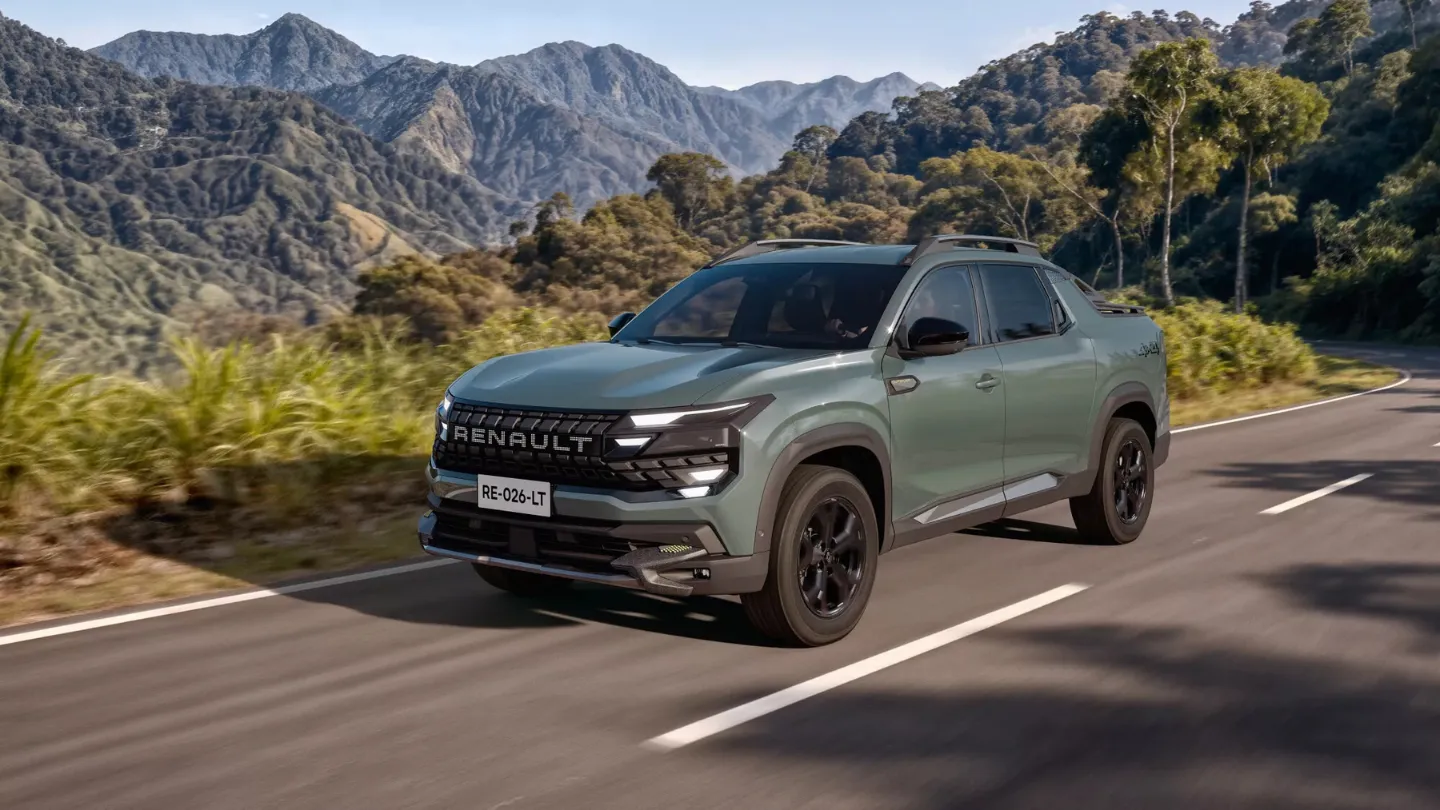
The Niagara gets only one engine option, like the Boreal SUV, which uses a 1.3-litre turbocharged four-cylinder petrol engine capable of running on flex fuel.
Output varies by drivetrain, and buyers can choose either a six-speed manual or a six-speed automated dual-clutch transmission.
| Specification | Front-wheel drive | All-wheel drive |
|---|---|---|
| Engine | 1.3-litre turbo four-cylinder | 1.3-litre turbo four-cylinder |
| Power output | 115kW | 120kW |
| Torque output | 270Nm | 270Nm |
| Transmission options | 6-speed manual / 6-speed DCT | 6-speed manual / 6-speed DCT |
| Towing capacity | 710kg | 710kg |
The all-wheel-drive Niagara gets 233mm of ground clearance and approach and departure angles of 22.1 degrees.
Renault also gives it five driving modes: Eco, Comfort, Sport, Smart, Mud-Sand, and Off-Road.
The specification should give the AWD version enough hardware for light off-road driving.
One of Latin America’s larger car-based utes
Niagara is based on the Renault Boreal compact crossover SUV. The Boreal measures 4.55 metres long and essentially serves as a reskinned Dacia Bigster.
The Niagara measures 4.94 metres long in all-wheel-drive form, and the front-wheel-drive versions measure 30mm less, which makes it sit among the larger car-based utes available in Latin America.
| Length (AWD version) | 4.94m |
| Length (FWD version) | 4.91m |
| Height | 1.72m |
| Ground clearance | 233mm |
| Cargo volume | 938L |
| Payload | Up to 654kg |
| Towing capacity | 710kg |
Renault then gives the Niagara a longer wheelbase and a completely redesigned rear section to create the ute body.
The company will position the new ute against similarly sized rivals such as the Fiat Toro and Ram Rampage.
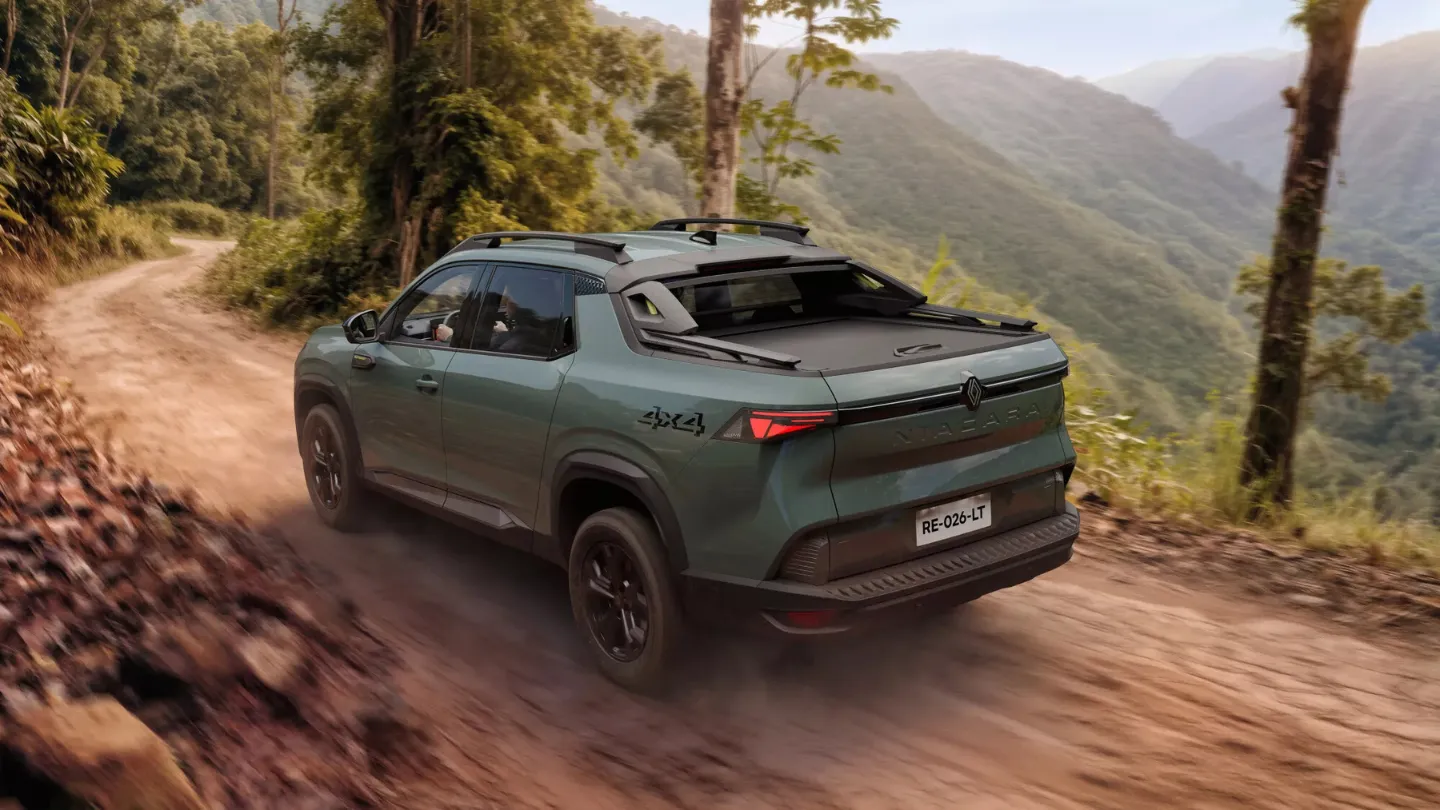
Niagara’s cargo bed offers 938 litres of volume and can carry up to 654kg and an electric tailgate provides access to the cargo area and incorporates a built-in cup holder.
Renault also fits the tray with a coated bed, 8 lashing rings around the edge and a 12V socket.
These features support the Niagara’s dual role as a personal vehicle and working ute.
Also read: China warns carmakers over price cuts as global car war intensifies
The grille drops Renault’s diamond logo
The Niagara introduces a different visual identity from Renault’s existing models, specifically the Renault Boreal.
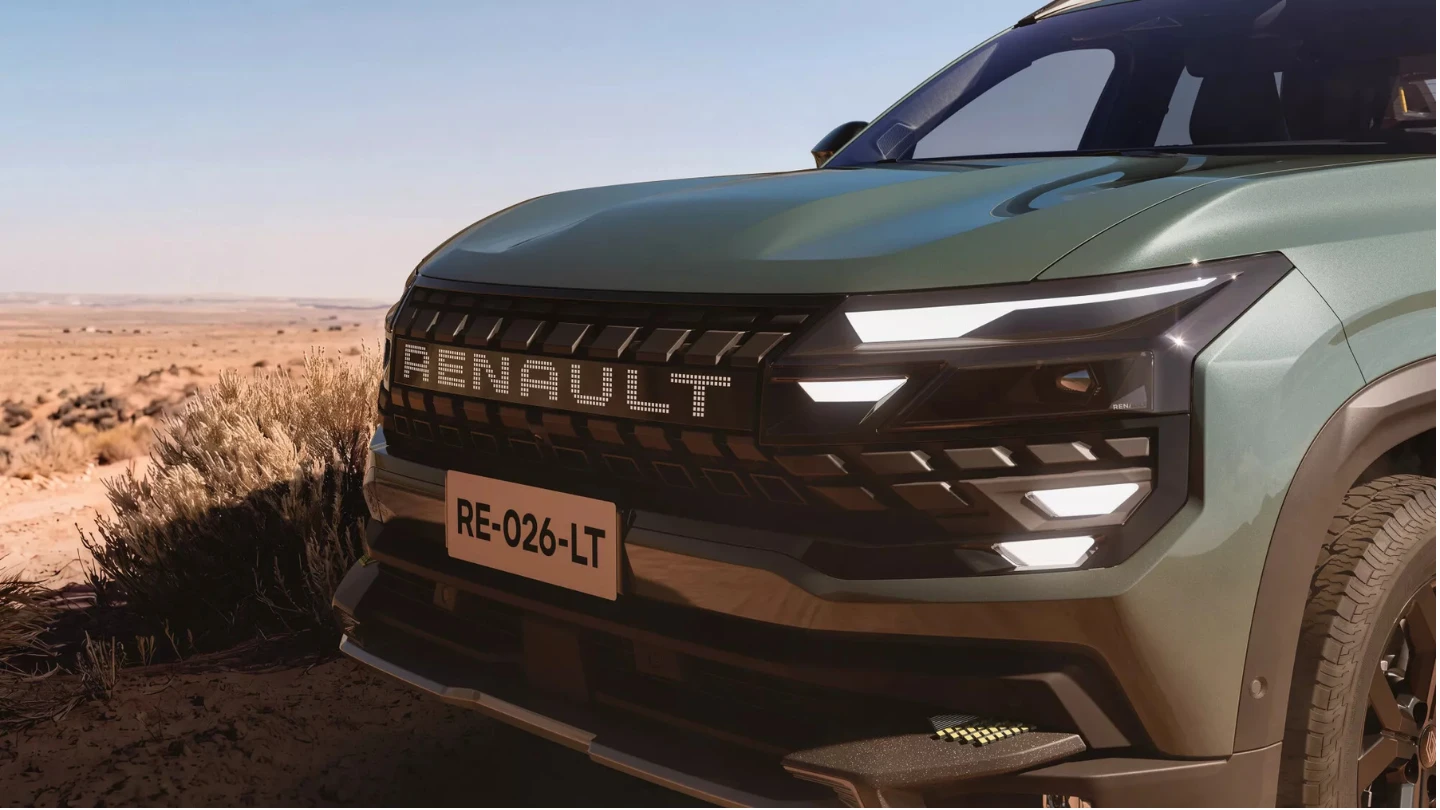
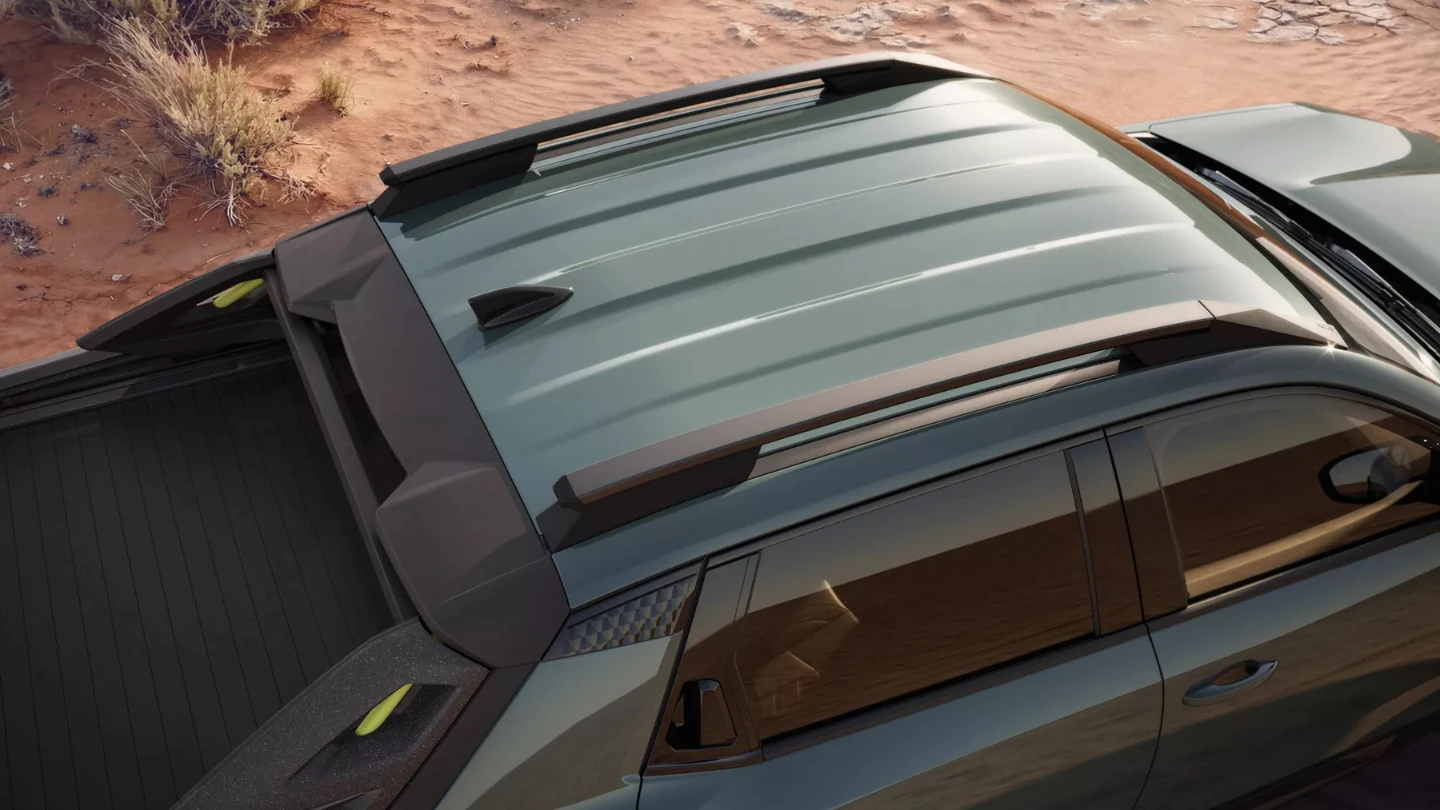
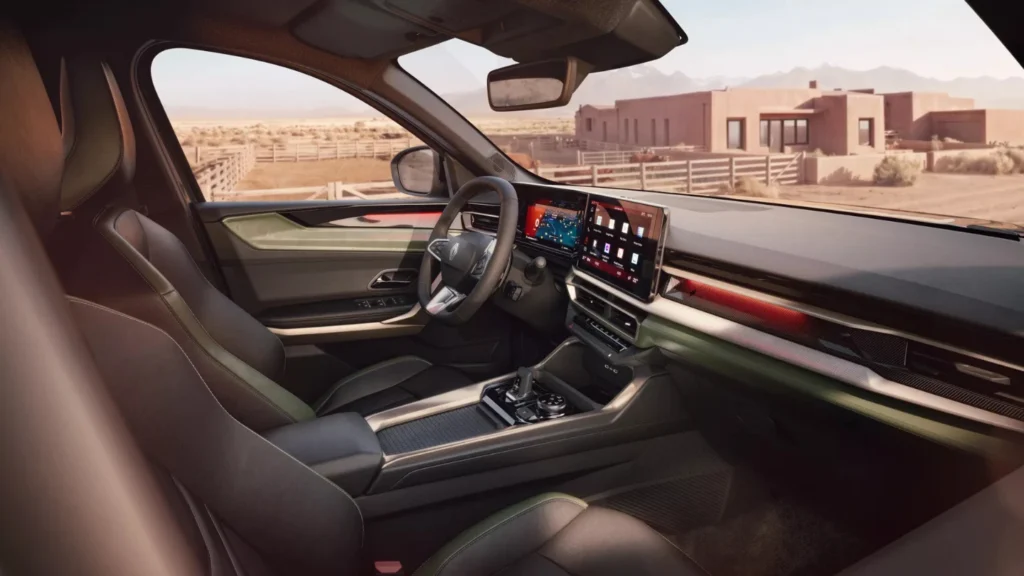
The two vehicles appear to share several major components, including front doors, bonnet, front fenders, and dashboard, but the Niagara ute gets a unique front bumper and grille that emphasise its rugged, outdoors-focused character.
Its 3-D grille stretches across the front and replaces Renault’s diamond badge with the company’s wordmark, and the unique bumper reinforces the ute’s rugged character, while the overall design retains the SUV-related foundations underneath.
That connection with the Boreal SUV becomes particularly clear around the shared front-end components.
Argentina will build the Niagara
Renault will manufacture the Niagara at its Santa Isabel factory in Cordoba, Argentina.
Renault Brazil developed the ute and tested it extensively in its key markets of Argentina, Brazil, and Colombia, and the Latin American development programme gives Renault a product specifically tailored to the region.
The Niagara forms part of Renault’s wider push to expand its lineup with locally developed and localised vehicles outside Europe.
The company has already revealed several other region-focused models such as:
- Filante for South Korea
- Koleos for South Korea
- India-specific models
- Boreal for Middle East, Africa and Latin America
- Kardian for Middle East, Africa and Latin America
The Filante and Koleos use Geely-based foundations and will be built in South Korea.
Australia probably won’t get it
Renault has designed the ute specifically around Latin American markets, while right-hand-drive ute markets such as Australia and South Africa remain relatively small.
That makes right-hand-drive production less likely.
Renault has not indicated that it will build the Niagara in right-hand drive, so availability in Australia currently appears unlikely.

Comments
New Comment