




Key highlights
- Volkswagen ID.3 GTI produces 240kW and 545Nm through its rear wheels
- 79kWh battery provides a claimed 601km WLTP range
- Australian availability remains unconfirmed, with European orders opening in 2027
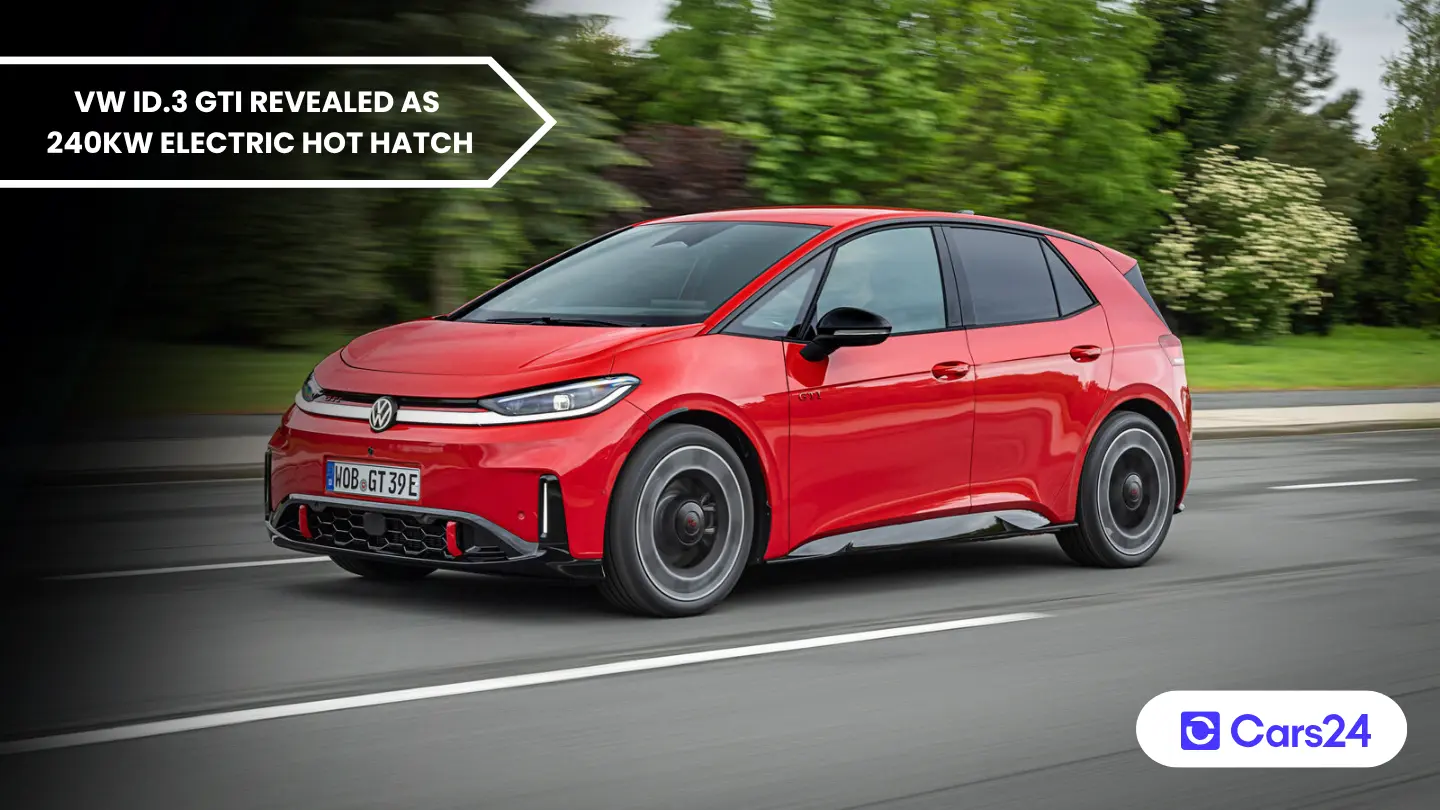
For half a century, GTI has meant one thing: a hot front-wheel drive hatch with the badge to match. Volkswagen just tore up that rulebook. The new Volkswagen ID.3 GTI is the first car ever to wear the GTI badge while sending its power to the rear wheels instead.
It’s also only the second EV to get the GTI treatment, following the ID. Polo GTI, and effectively replaces the ID.3 GTX in Volkswagen’s electric hot hatch line-up. As VW puts it, the GTX badge is retired, long live the GTI!
Read more: Volkswagen officially parts ways with Bugatti and Italdesign
What’s under the Volkswagen ID.3 GTI skin?
Rather than reinventing the wheel, Volkswagen has borrowed the drivetrain from the outgoing ID.3 GTX Performance and dropped it into the freshly updated ID.3 Neo body. That means a single electric motor on the rear axle producing 240kW and 545Nm, paired with a 79kWh battery.
On the WLTP test cycle, Volkswagen claims a driving range of 601km, a single kilometre better than the GTX it replaces, so don’t expect a dramatically different real-world experience there. Fast-charging speed climbs slightly too, up 8kW to a peak of 183kW.
With the same power and torque figures as before, the performance numbers haven’t shifted either. Volkswagen still claims 0-100km/h in 5.6 seconds, with the top speed capped at 200km/h.
What makes the ID.3 GTI different?
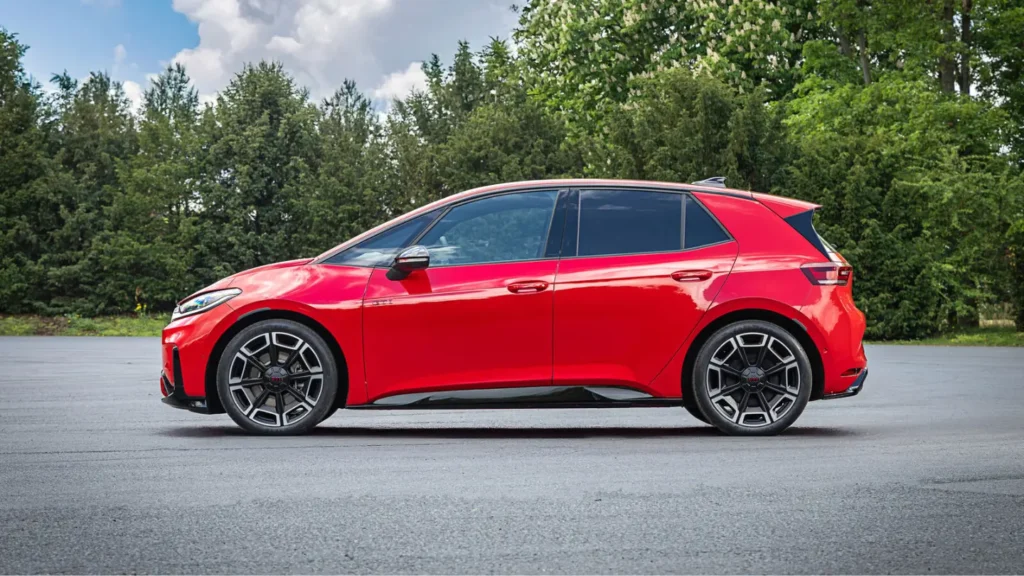
Visually, the Volkswagen ID.3 GTI leans hard into its badge. The front end gets a reworked bumper with more aggressive sculpting and a bigger lower air intake finished with a honeycomb grille and red accents. Around the back, changes are more subtle, a new honeycomb insert in the lower bumper, while the side sills and mirror caps pick up a gloss-black finish to match the front.
New 20-inch “Wörthersee” alloy wheels round out the exterior, named after the German lake town that hosts VW’s famous annual GTI fan meet. Buyers get five paint choices: Tornado Red and Moonstone Grey as solid colours, plus Scale Silver, Grenadilla Black and Glacier White as metallics.
Braking hardware stays consistent with the old GTX setup too, discs up front, drums at the rear, which will raise an eyebrow among performance buyers used to seeing discs all round on a car with GTI branding.
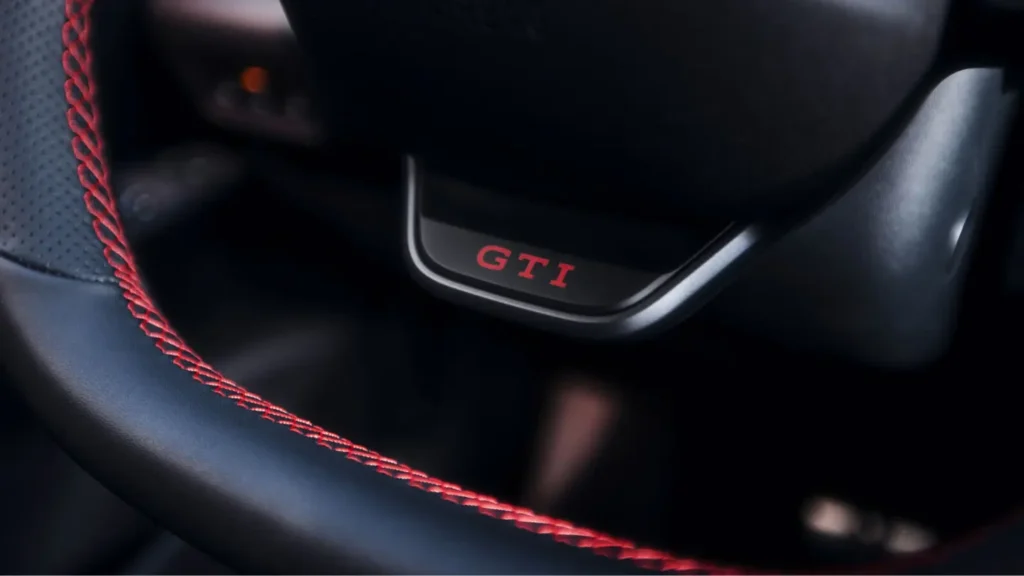
Unlike the outgoing GTX, which was fairly restrained about showing off its badge, the new GTI plasters “GTI” across the grille, front doors, hubcaps, tailgate, steering wheel and seats. Subtle, it is not.
What’s inside the Volkswagen ID.3 GTI?
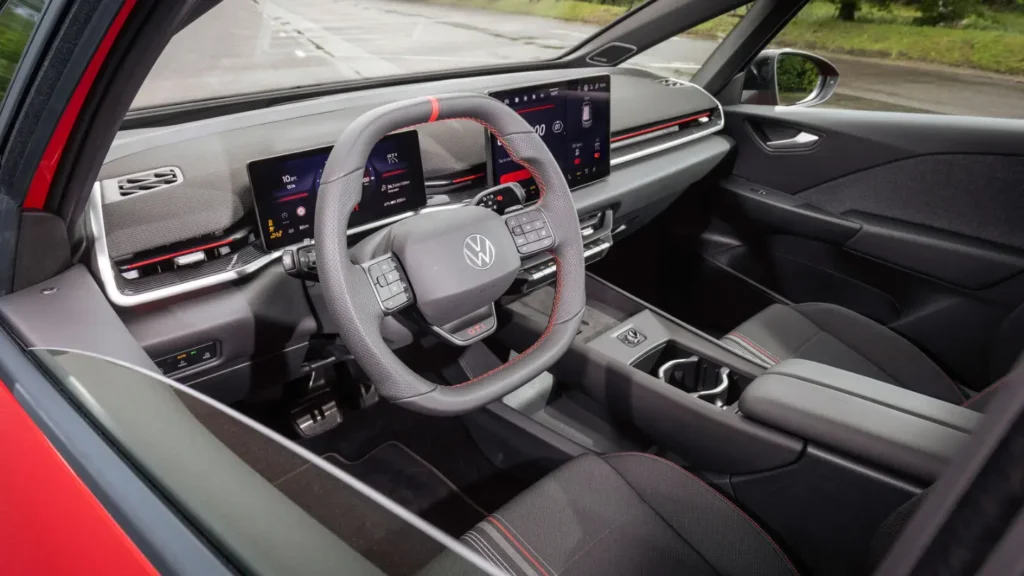
The cabin borrows the ID.3 Neo’s completely redesigned dashboard, which brings a genuine quality lift over the old ID.3. There’s a larger, sharper 12.9-inch touchscreen, but more importantly, physical buttons return for climate control and audio, a small but welcome win for anyone who’s fumbled through a touch-only VW interior while driving.
GTI-specific touches include a red 12 o’clock marker on the steering wheel and grippier fabric seat trim with a Superclark pattern, a nod to the original Mk1 Golf GTI’s iconic tartan seats.
Press the dedicated GTI button on the steering wheel and things get properly theatrical: the adaptive dampers, steering weight and throttle response all switch to their sportiest settings, launch control unlocks, ambient lighting turns red, and, in a very modern EV touch, a synthesised combustion-engine soundtrack kicks in through the speakers.
Will it come to Australia?
There’s currently no word on whether the ID.3 GTI, or the broader ID.3 Neo range it’s based on, will make it to Australia at all.
Volkswagen’s local brand director, Piergiorgio Minto, has previously flagged that Australia’s strong preference for SUVs makes the business case for smaller EVs like the ID.3 Neo and ID. Polo, tough to justify. Adding to the uncertainty, the closely related Cupra Born, sold here from 2022, won’t be getting its facelifted successor in Australia either.
For now, European order books open in early 2027. Aussie hot hatch fans hoping for an electric alternative to the Golf GTI will need to wait for an official announcement, or accept it might simply skip us altogether.

Comments
New Comment