




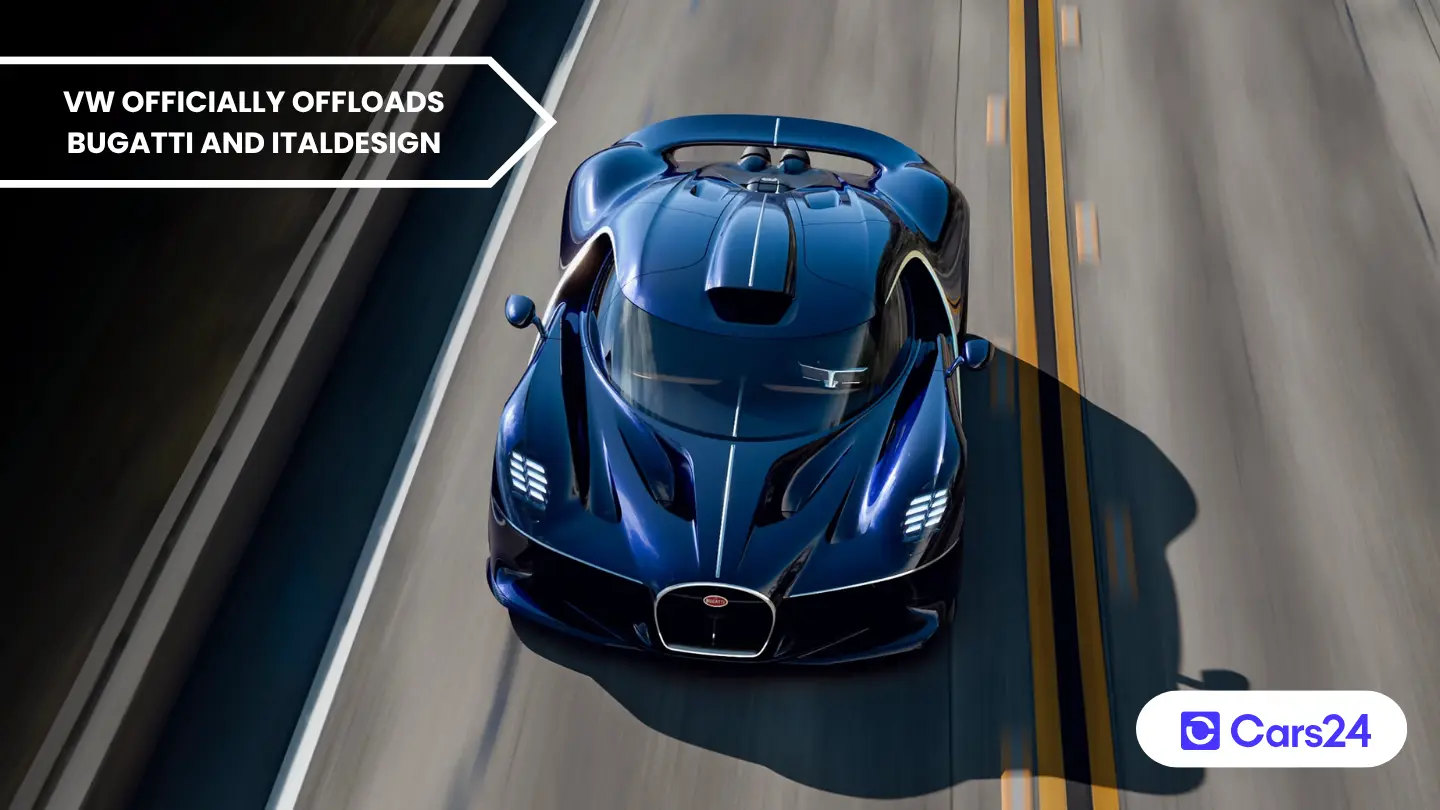
If you’ve been watching the slow-motion reshuffle happening inside the Volkswagen Group, last week gave us two more pieces falling into place. Both Bugatti and Italdesign, brands that have sat under the VW umbrella for years, officially changed hands.
Neither sale is a shock. Both deals were flagged months ago. But now they’re done, signed, and settled, which makes this a good moment to unpack what actually happened and why a European corporate reshuffle is worth a second look for anyone here in Australia who loves cars.
In short, the Volkswagen Group is making cuts. The business is obviously choosing which brands are essential to its future and which are not, given the inconsistent demand for EVs, the market share being eaten away by Chinese manufacturers, and the continuous tariff headaches.
Read more: Volkswagen could kill off Seat by 2029 as Cupra takes its place
Bugatti finally cuts ties with Porsche
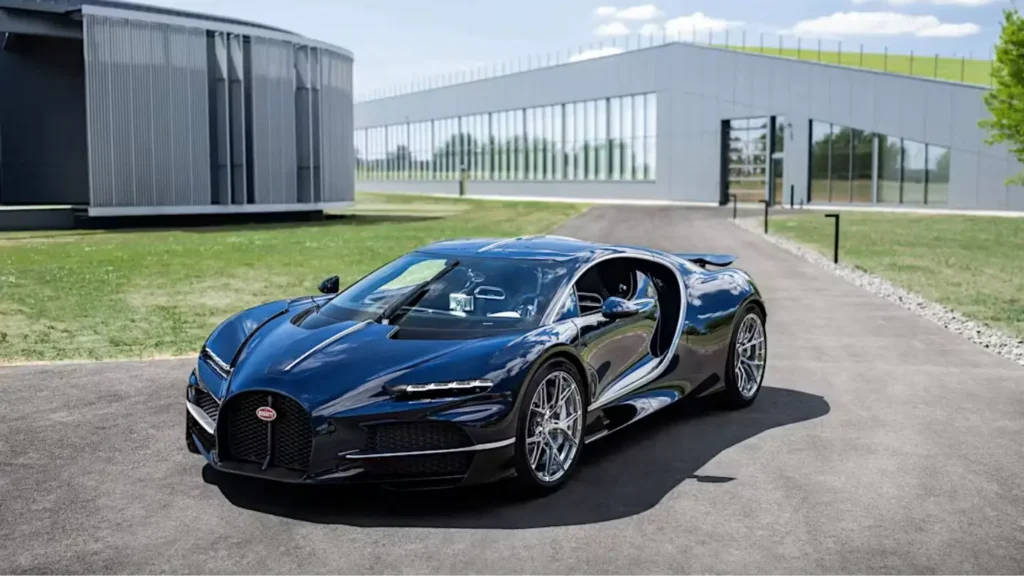
Porsche, which is majority-owned by Volkswagen, has sold off everything it held in Bugatti Rimac and the wider Rimac Group. Under the previous setup from 2021, Porsche owned 45 per cent of Bugatti Rimac, plus a smaller slice of the Rimac Group itself, with Croatian entrepreneur Mate Rimac holding the largest individual stake. That’s all gone now, scooped up by a consortium fronted by two venture capital outfits, New York’s HOF Capital and Abu Dhabi’s BlueFive Capital. Porsche has confirmed it pocketed close to €1 billion (roughly A$1.6 billion) from the deal, with a decent chunk earmarked for pension obligations rather than shiny new projects.
There’s a leadership shake-up to go with it. Bugatti’s CEO and Bugatti Rimac’s chief operating officer, Christophe Piochon, is out. Mate Rimac, already juggling CEO duties across Bugatti Rimac, the Rimac Group and Rimac Technology, now adds Bugatti itself to that list. Rimac’s former operations chief, Marko Brkljačić, steps up to run the Rimac Group day-to-day. For what it’s worth, Rimac seems genuinely grateful for the Porsche years, crediting the German giant with helping build a solid foundation for Bugatti going forward.
Italdesign swaps automotive roots for a tech partner
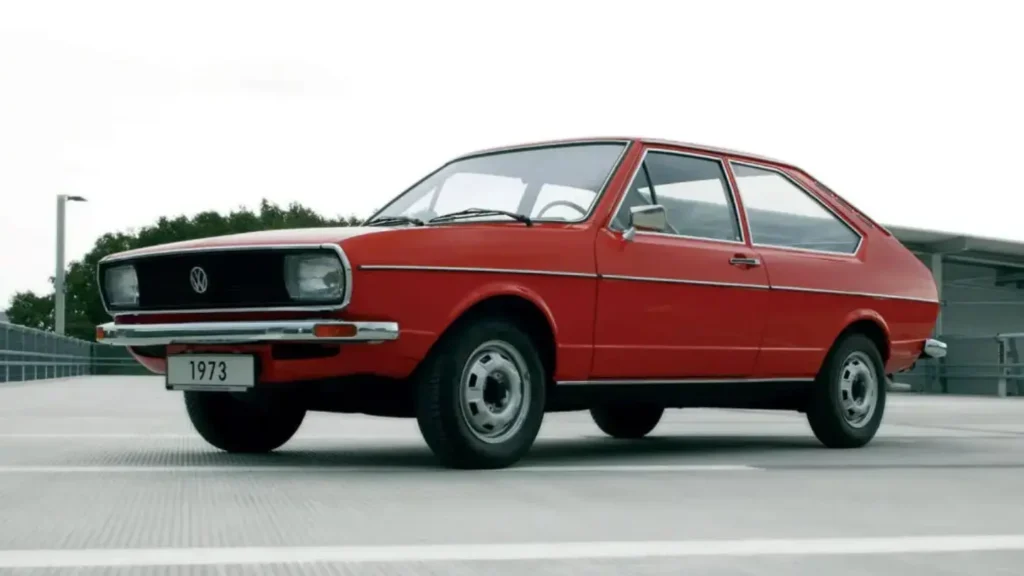
The second deal is less flashy but arguably more historically significant. Audi has sold a majority stake in Italdesign to UST, a Singapore-backed IT consulting firm headquartered across California and India. Italdesign isn’t a household name in the way Bugatti is, but its fingerprints are all over cars you’d recognise instantly. This is the design house responsible for the original Volkswagen Golf, along with classics like the DeLorean, the Lotus Esprit and the BMW M1. Closer to the mainstream end of things, it also shaped the Fiat Panda, the Hyundai Excel and the Lancia Delta.
Volkswagen bought 90 per cent of Italdesign back in 2010, with founder Giorgetto Giugiaro and his family holding onto the rest until they sold up entirely in 2015. Since then, output has slowed noticeably, with more recent credits including the Audi Q2 and the limited-run Nissan GT-R50. Financial terms of the UST deal haven’t been made public, and it’s not yet clear exactly how much of a stake Audi has kept. UST’s CFO Vijay Padmanabhan framed it as pairing Italdesign’s design pedigree with UST’s digital engineering and AI capabilities, which tells you plenty about where this business is headed next.
Why this actually matters Down Under
Neither Bugatti nor Italdesign sells cars directly to Australians, so don’t expect this to shake up your local VW, Audi or Skoda dealership overnight. But the ripple effects of a leaner Volkswagen Group matter here too. Audi, Porsche, Volkswagen and Skoda are all significant players in the Australian new car market, and decisions like these signal where the parent company is directing its resources. A Volkswagen Group that’s shedding niche, capital-hungry assets is one that’s likely doubling down on the brands Australians actually buy, which, longer term, could mean sharper focus on EV rollouts and model planning for the brands we do see on our roads.
It’s also a reminder that even the most legendary names in the business aren’t immune to hard commercial calls. Bugatti and Italdesign built some of the most influential cars in history. Right now, though, Volkswagen clearly needs cash and focus more than it needs prestige badges sitting on the balance sheet.

Comments
New Comment