




Key highlights
- The new Patrol replaces its naturally aspirated V8 with a twin-turbocharged 3.5-litre petrol V6 producing 317kW and 700Nm.
- Australian buyers will have six variants to choose from, with prices starting at $98,990 before on-road costs.
- The Y63 increases braked towing capacity to 3,700kg and retains an eight-seat layout across the range.
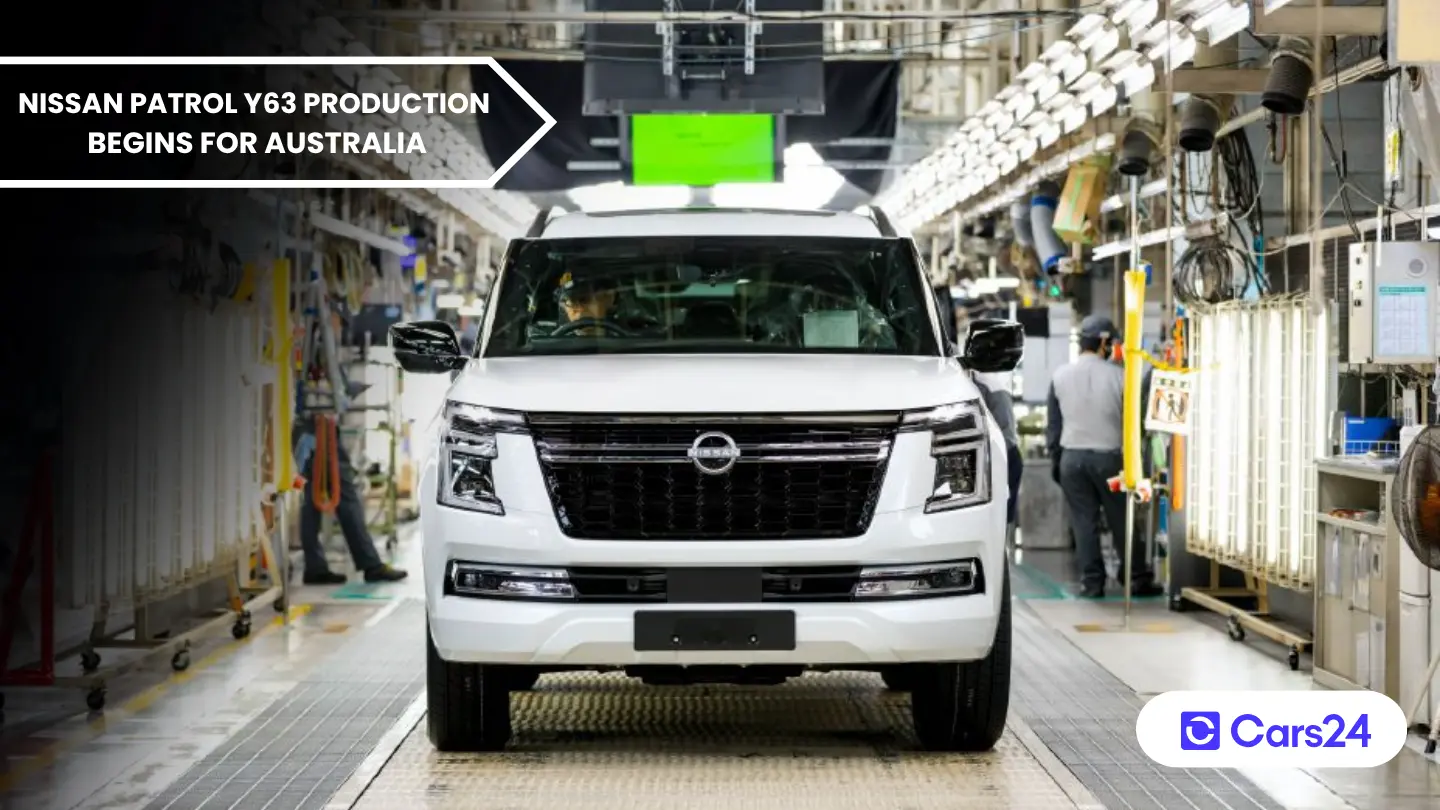
Australians have waited a long time for the new Nissan Patrol, and the wait now has an end date. Right-hand drive production of the Y63-series Patrol has started at Nissan Shatai’s Kyushu plant in Japan, with the first cars bound for Australian showrooms. Nissan says it will officially launch the Y63 locally in the coming months. As of mid-October 2026, the company hasn’t named a firm launch date. What it has locked in is the first quarter of 2027 (January to March) for customer deliveries.
Read more: Nissan to import more China-built models to Australia
Why has it taken so long?
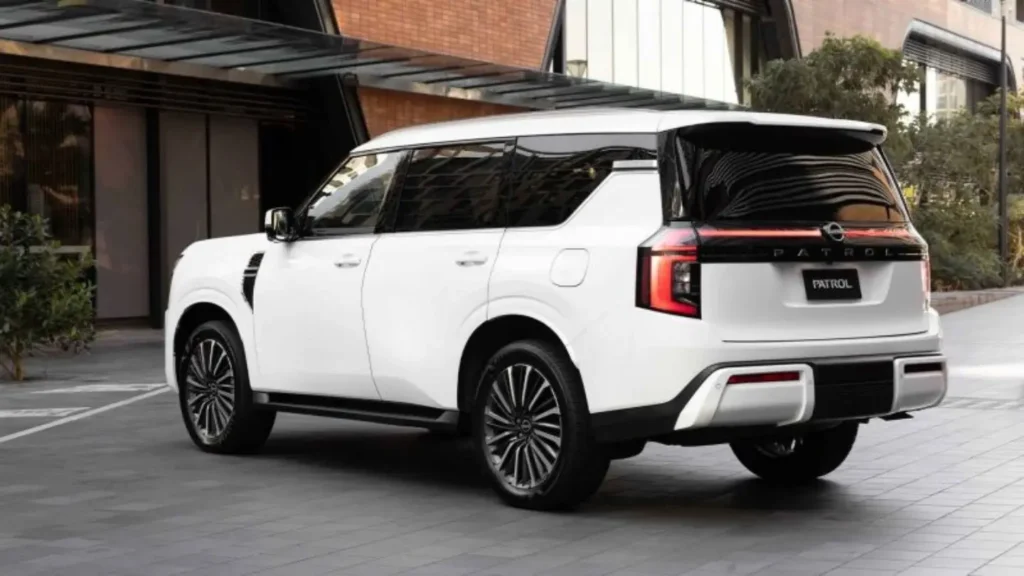
The Y63 was revealed in September 2024 and went on sale in the Middle East and North America soon after. Australian buyers have watched from the sidelines since, because right-hand drive production had to come online first. That is the milestone reached now.
What’s new under the skin?
The biggest change is the engine. The old Y62’s naturally aspirated 5.6-litre V8 is gone, replaced by a twin-turbo 3.5-litre petrol V6 and a nine-speed automatic (the old car had seven gears). It sounds like a downgrade on paper, but the numbers say otherwise. Power rises by 19kW to 317kW and torque jumps by 140Nm to 700Nm.
Towing matters in this segment, and the Patrol now leads it. Braked capacity goes from 3500kg to 3700kg, ahead of the 3500kg limit of its arch-rival, the Toyota LandCruiser 300 Series. For anyone hauling a big caravan or a boat, that extra 200kg is a real talking point.
Underneath is a new ladder-frame chassis. Nissan claims torsional rigidity is up 40 per cent, which in plain terms should mean less noise and vibration and better ride and handling. We’ll need to drive it on Australian roads before saying whether that holds up.
Pricing and the range
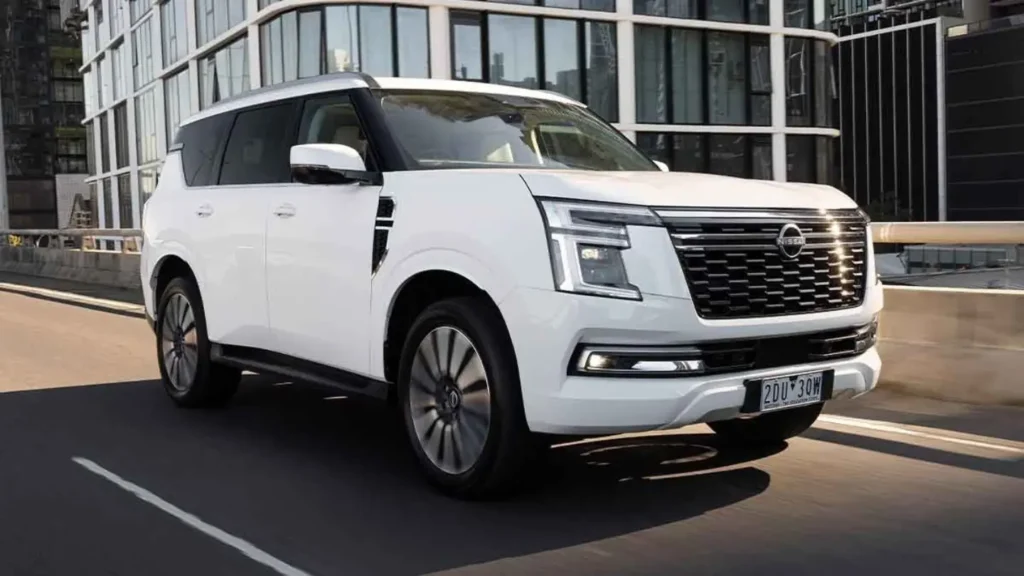
Pricing has been confirmed. The entry-level Ti starts at $98,990 before on-road costs, up $2450 on the outgoing model. It is one of six variants, double the size of the Y62 line-up. A Warrior variant is also being evaluated for Australia, but it hasn’t been confirmed. Any local timing or pricing for it would be speculation at this stage.
Every Y63 sold here will have eight seats, which is a point of difference from the LandCruiser 300 Series, where seating varies by variant. All models also get electric power steering, full-time four-wheel drive, a two-speed transfer case with high and low range, an electronic locking rear differential and eight selectable drive and terrain modes. Inside, you get either dual 12.3-inch or 14.3-inch screens depending on the variant. The infotainment runs Google built-in, including Google Maps and the Gemini assistant. Moving up the range adds adaptive air suspension, a head-up display, a panoramic sunroof, heated and ventilated front seats and dual 12.8-inch screens for second-row passengers.
Why it matters for buyers
The Nissan Patrol has a long history here. It arrived in Australia in 1961 under the Datsun name and has since sold more than 258,000 units locally. In recent years it has been closing the gap on the LandCruiser. In 2025, Nissan sold 6263 Patrols in Australia, down 24.5 per cent on the year before. Toyota delivered 12,290 LandCruiser wagons, down 19.4 per cent. The 6027-sale gap between them was the smallest since 2011. One caveat is that Toyota reports its 300 Series and older 70 Series wagons together, so it isn’t a perfectly like-for-like comparison.
Sales fell for both brands in 2025, so the Y63 arrives in a softer market than the Nissan Patrol enjoyed a few years ago. Whether the new V6 and the extra towing capacity can narrow the gap further is something only 2027 sales figures will show. If you’re considering a large off-roader, the sensible move is to keep an eye on Nissan’s official launch announcement. That should bring the detailed variant breakdown and a clearer delivery timeline for each grade. Until then, the key facts are in: production has started, pricing is set and the first cars are due early next year.

Comments
New Comment