




Key highlights
- The Nissan Pixo uses a 27.5kWh LFP battery and an 80hp electric motor driving the front wheels.
- Nissan says the Pixo can travel around 257km on a single charge and has a 9.9-metre turning circle.
- The Pixo will be built alongside the Renault Twingo in Slovenia, with European deliveries expected from early 2027.
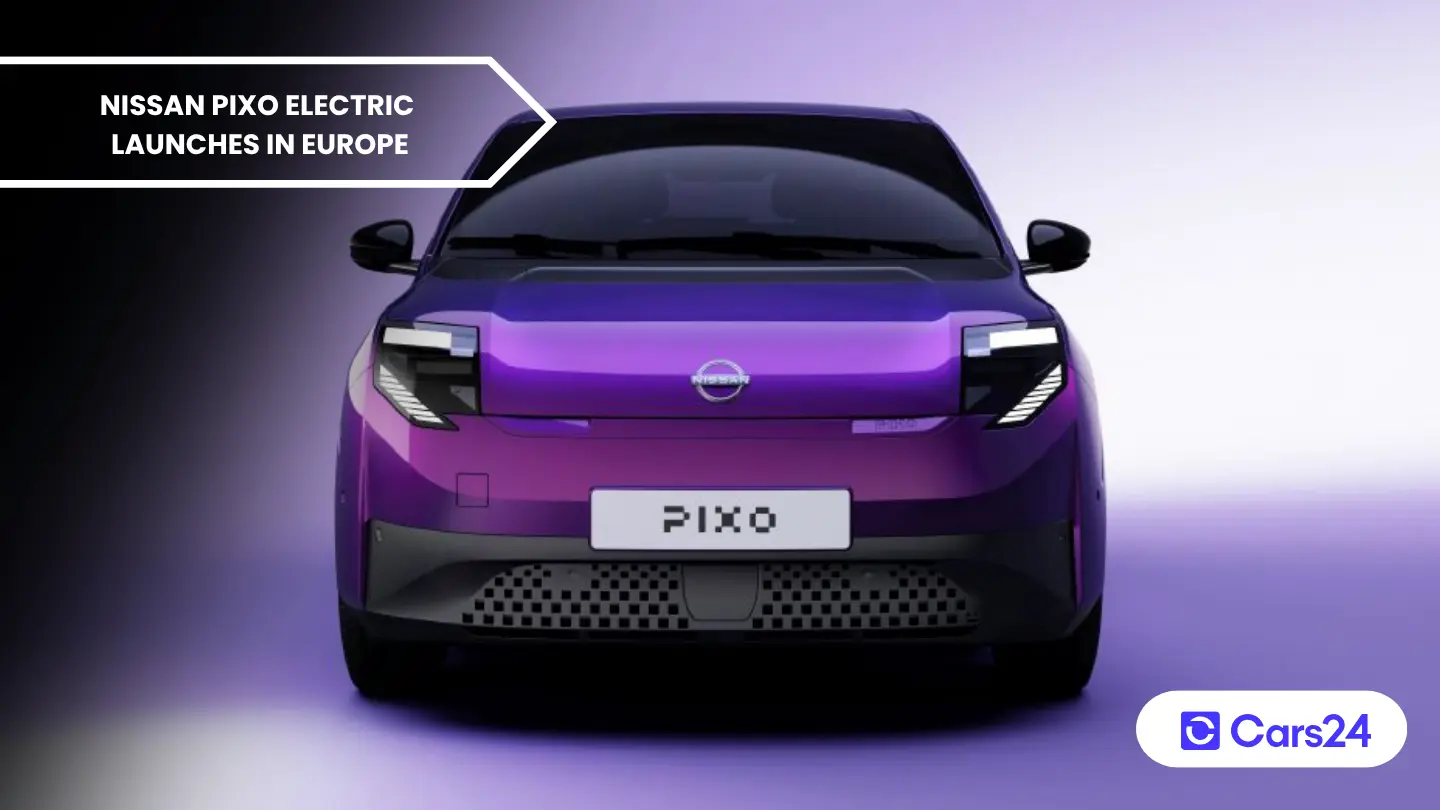
Nissan has revealed the new Pixo electric city car for Europe, giving the brand a small EV based closely on the latest Renault Twingo. The Nissan Pixo measures less than 3.8 metres long and is designed around urban driving, with a 9.9-metre turning circle and a relatively large 356-litre boot when its sliding rear seats are moved as far forward as possible.
It will be built alongside the Renault Twingo at Renault’s plant in Slovenia, with the Pixo expected to reach European roads in early 2027. For Australian buyers, Nissan has not confirmed whether the Pixo will be sold locally. Australian pricing and availability have not been announced as of September 2026, so any local launch remains unconfirmed.
Underneath, the Nissan Pixo shares much of its hardware with the Twingo. It gets a 27.5kWh lithium-iron-phosphate (LFP) battery and an 80hp electric motor driving the front wheels. The motor’s output is equivalent to around 60kW, while Nissan quotes around 160 miles of driving range, or approximately 257km. The quoted range figure is based on European-market information, and the applicable testing standard has not been specified in the information provided.
Read more: Next-gen Nissan X-Trail e-Power previewed in the US as Rogue Hybrid
50kW DC fast charging is standard
One of the key differences between the Nissan Pixo and its Renault sibling is its charging equipment. Nissan will make 50kW DC fast charging standard across the Pixo range. The company says charging from 15 to 80 per cent takes 28 minutes. The relatively small battery means the Pixo does not need the ultra-high charging rates available on larger EVs to add a useful amount of range.
Its compact size and modest battery are instead aimed at drivers who primarily need an electric car for shorter urban trips. The Nissan Pixo also has a 356-litre boot with the rear seats pushed forward. Sliding the seats rearwards creates more room for passengers but reduces available luggage space.
Nissan gives the Pixo its own design
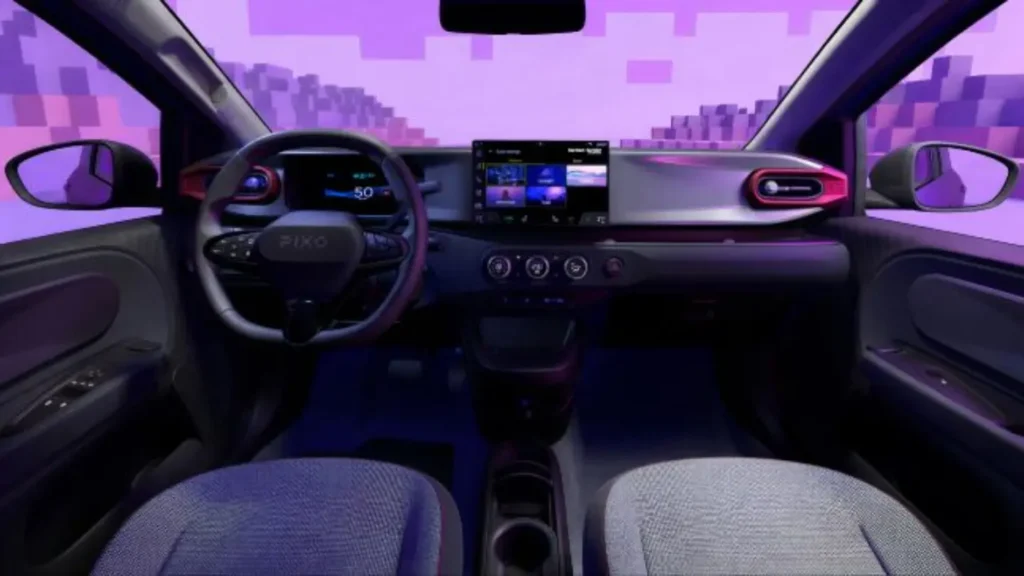
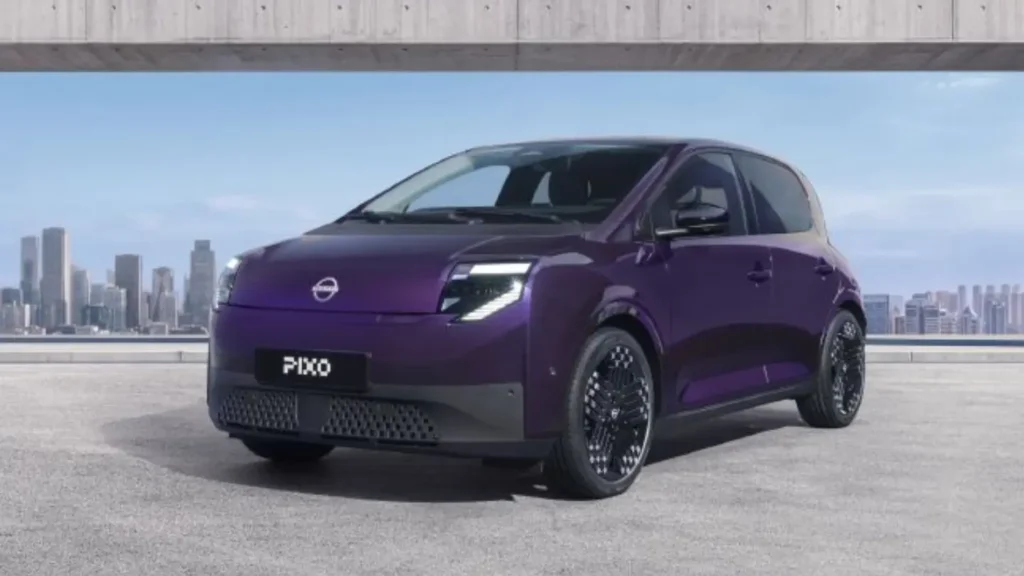
Although the Pixo is closely related to the Renault Twingo, Nissan has made several changes to distinguish its version. Nissan describes the car as having a “bold, cube-shaped silhouette”, with a more substantial front end, new lighting and pixel-style wheels. There are also small robot-face design details incorporated into the exterior and cabin, adding some visual differentiation from the Twingo.
The cabin remains closely related to the Renault, although Nissan says the Pixo has a slightly more upmarket interior than the new Dacia Spring. A 7.0-inch driver’s display sits ahead of the driver, while most versions get a 10-inch central touchscreen. The infotainment system uses Google built-in and includes the Gemini AI assistant. Nissan will also offer 24 advanced driver assistance systems, along with hands-free parking technology.
Will the Nissan Pixo come to Australia?
Nissan has not confirmed an Australian launch for the Pixo as of September 2026, and local pricing has not been announced. The car’s European positioning makes it an interesting model to watch for Australia, where genuinely small electric cars remain a relatively limited part of the new-car market.
However, Nissan has not confirmed right-hand-drive availability for Australia or provided any indication of local specifications. For now, the Pixo is confirmed for Europe, with production alongside the Renault Twingo and European deliveries expected from early 2027. Any Australian arrival remains speculative.

Comments
New Comment