




Key highlights
- The Nissan Pixo is based on the Renault Twingo E-Tech, while the electric Micra shares its underpinnings with the Renault 5 E-Tech.
- The Pixo has a 27.5kWh battery and a claimed WLTP range of up to 259km, making it a city-focused electric hatchback.
- Nissan Australia is evaluating vehicles from its Chinese lineup as it looks for more accessible electric vehicle options.
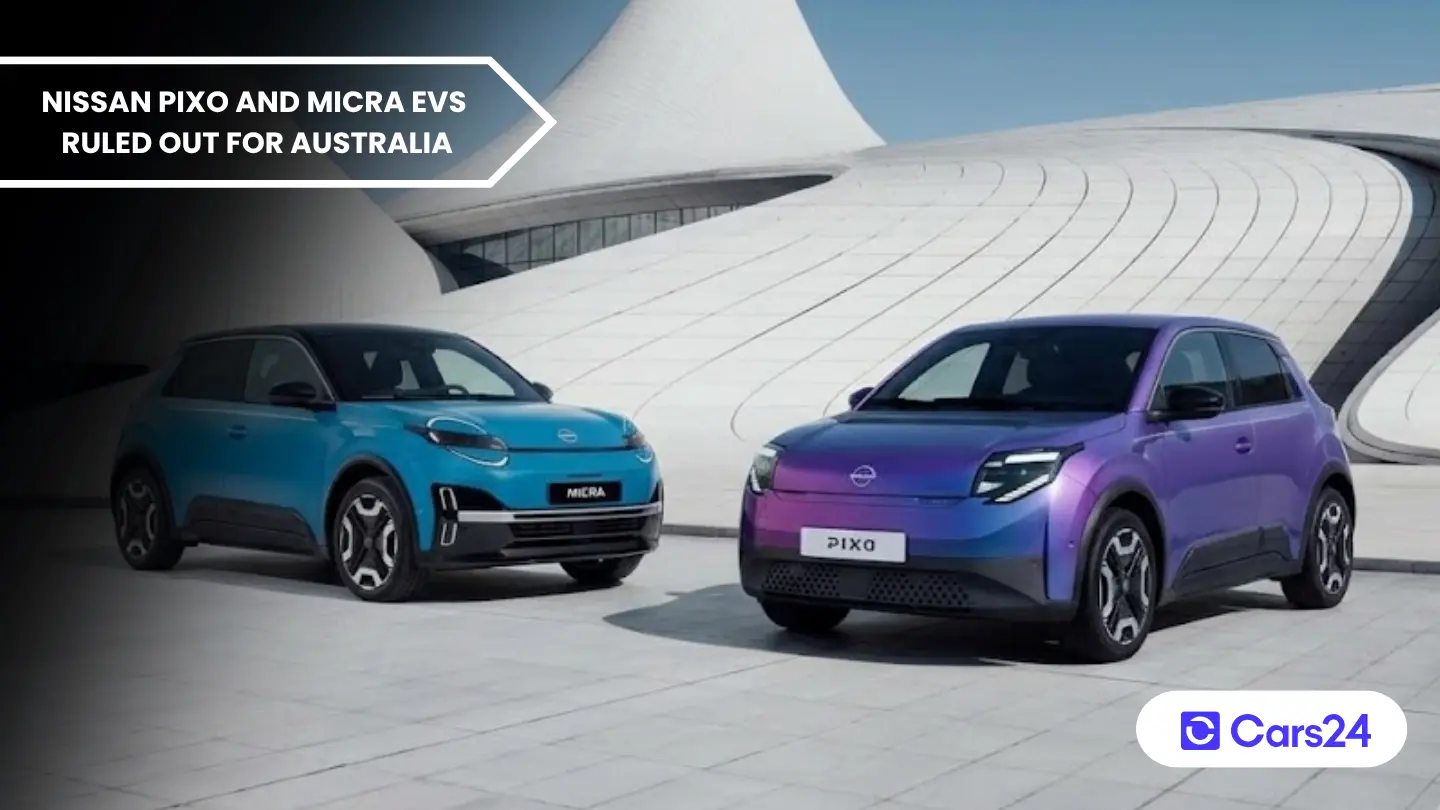
Nissan has ruled out bringing its new Pixo and electric Micra hatchbacks to Australia, despite both models being available in right-hand drive for the UK market. Nissan Oceania managing director Steve Milette confirmed the position when asked about the two models, saying they were not under consideration for Australia. A Nissan spokesperson also clarified that both vehicles had been developed specifically for Europe.
That decision leaves Australian buyers without two small electric hatchbacks that could otherwise appeal to drivers looking for a compact vehicle for city commuting and everyday errands. The exclusion is notable because right-hand drive production alone does not guarantee an Australian launch. Carmakers must also consider local regulatory requirements, pricing, supply arrangements and whether a model makes commercial sense in a relatively smaller market. Nissan has not offered a light car in Australia since the fourth-generation Micra was discontinued in 2016.
Read more: Nissan Pixo electric launches in Europe, Australia launch unconfirmed
Nissan Pixo is a small electric city car
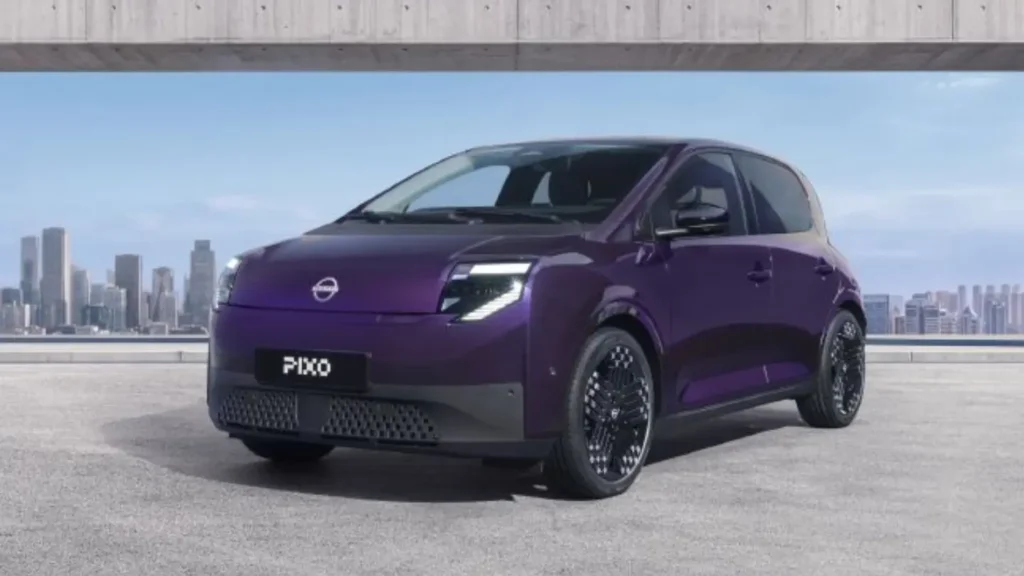
Revealed in September 2026, the Nissan Pixo is based on the new Renault Twingo E-Tech electric city car, but features Nissan-specific styling at the front and rear, along with a revised dashboard. The UK-market version is scheduled to go on sale in early 2027. Its compact dimensions and relatively small battery are aimed at urban driving rather than long-distance touring.
The Pixo uses a 27.5kWh battery and has a claimed WLTP driving range of up to 259km. Its electric motor produces 60kW and 175Nm, with Nissan quoting a 0-100km/h acceleration time of 11.9 seconds. At 3796mm long, the Pixo is around 200mm shorter than the BYD Atto 1, giving an indication of just how small it is. That footprint could make it useful in crowded city streets and tight parking spaces, although its limited range would require more planning for longer trips. There are no confirmed Australian launch plans or local pricing for the Pixo.
Electric Nissan Micra offers more range
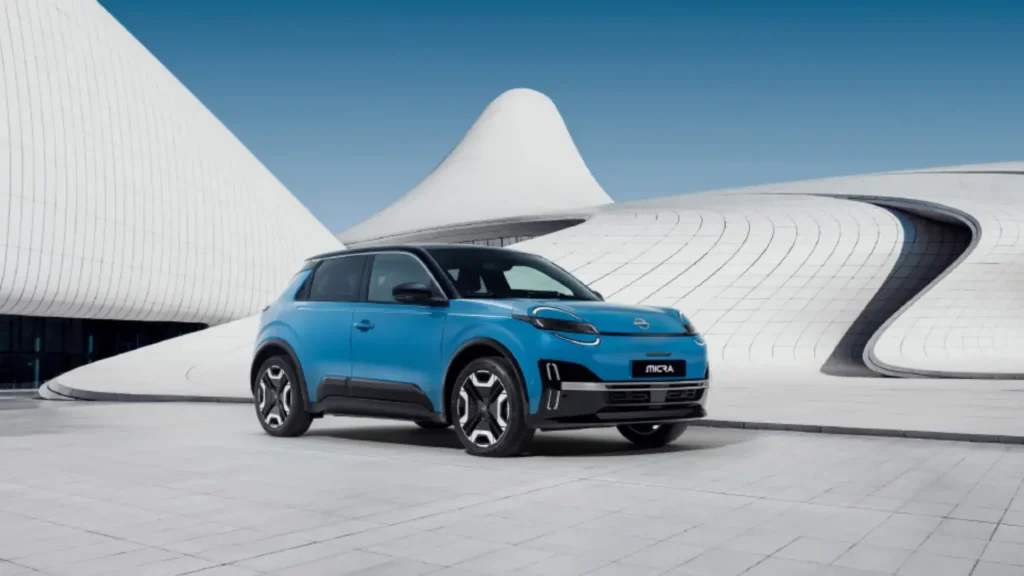
The sixth-generation Nissan Micra, revealed in 2025, also switches to electric power for the first time in the nameplate’s history. Based on the Renault 5 E-Tech, it has rounded styling that distinguishes it from its Renault sibling. European buyers can choose between two battery options, with the larger pack offering a longer claimed driving range. The entry-level version has a 40kWh battery, DC fast-charging capability of up to 80kW and a claimed WLTP range of 315km. The larger 52kWh battery increases the quoted range to 414km and supports DC charging at up to 100kW.
Motor outputs vary from 90kW to 110kW, with the more powerful version also delivering quicker acceleration. The Micra measures 3974mm long, making it broadly comparable in length to the BYD Atto 1. Its additional size and longer-range battery options could make it more versatile than the Pixo, depending on the buyer’s needs. However, the Micra is also off the table for Australia, and its European specifications should not be taken as an indication of what an Australian-market version would offer if that decision ever changed.
Why small European EVs are difficult to bring here
The absence of the Pixo and Micra highlights the challenges of expanding Australia’s choice of affordable electric cars. Renault has not confirmed the Renault 5 E-Tech for Australia either. Renault Australia has previously identified an Australian Design Rule (ADR) concerning child-seat anchor points that the model does not meet, with compliance requiring additional investment.
That example illustrates how a car developed for one market may need engineering changes before it can be sold in another. Manufacturers must weigh those costs against the likely sales volume. For Australian buyers, the result is a more limited choice of small electric hatchbacks, even when suitable right-hand drive versions exist overseas.
Nissan Australia looks towards China for EVs
Nissan’s Australian electric vehicle range is currently limited to the Ariya mid-size SUV, following the end of production of the second-generation Leaf. The third-generation Leaf has been confirmed for Australia but its local arrival has since been delayed indefinitely. Milette said the business case for introducing the new Leaf had not changed, although Nissan continued to examine opportunities for a more accessible electric vehicle.
Rather than relying on its European lineup, Nissan Australia is evaluating models from its Chinese-market range. One example is the NX8, a medium-to-large electric SUV available with both fully electric and extended-range electric powertrains. The NX8 is still being evaluated, and no Australian launch has been confirmed.
For now, Australian buyers hoping for a small electric Nissan will need to wait for further developments. The Pixo and Micra may suit European city driving, but Nissan’s current plans offer no indication that either will join the local range.

Comments
New Comment