




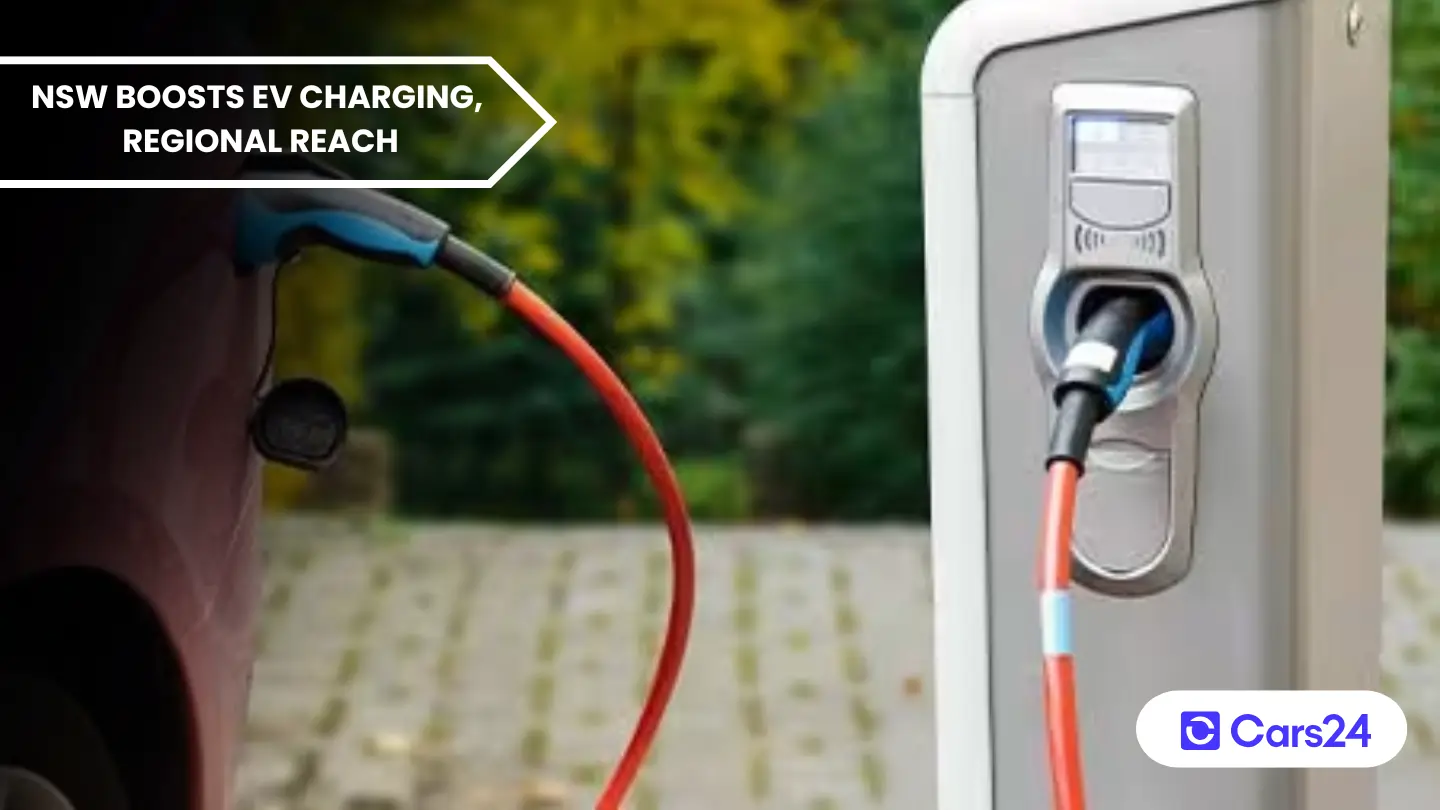
The New South Wales Government has released an updated electric vehicle (EV) strategy, with a focus on expanding public charging infrastructure, improving regional access and supporting workforce development.
Charging infrastructure remains central to EV adoption
According to the Federal Chamber of Automotive Industries (FCAI), the availability of fast, reliable and cost-effective public charging continues to be a key factor influencing EV uptake.
FCAI chief executive Tony Weber said improvements in charging infrastructure are critical to building consumer confidence, particularly as more buyers consider switching to electric vehicles.
Regional and public access in focus
A key element of the updated strategy is its emphasis on expanding charging access beyond metropolitan areas. This includes targeting regional locations and major travel corridors, which could improve long-distance usability.
The plan also acknowledges the gap for drivers without access to home charging, such as apartment residents or those relying on street parking. Expanding public charging networks is expected to play a role in addressing this limitation.
Workforce development included in strategy
In addition to infrastructure, the strategy outlines measures to support the development of a skilled EV workforce. This includes training initiatives aimed at improving service and maintenance capabilities as EV adoption increases.
Industry bodies, including the FCAI, are expected to work with government stakeholders to ensure workforce development aligns with future demand.
Implementation remains a key factor
While the updated strategy sets out clear priorities, its effectiveness will depend on the speed and scale of implementation. Challenges such as charging availability, accessibility and cost are likely to remain key considerations as the EV market continues to evolve.

Comments
New Comment