




Key highlights
- The four-seat electric concept targets a 10-80 per cent battery charge in as little as 10 minutes.
- A 1000V electrical architecture and solid-state battery underpin its claimed 373kW output and 600km WLTP range.
- The concept previews Peugeot’s Hypersquare steering wheel, steer-by-wire controls and new three-claw lighting design.
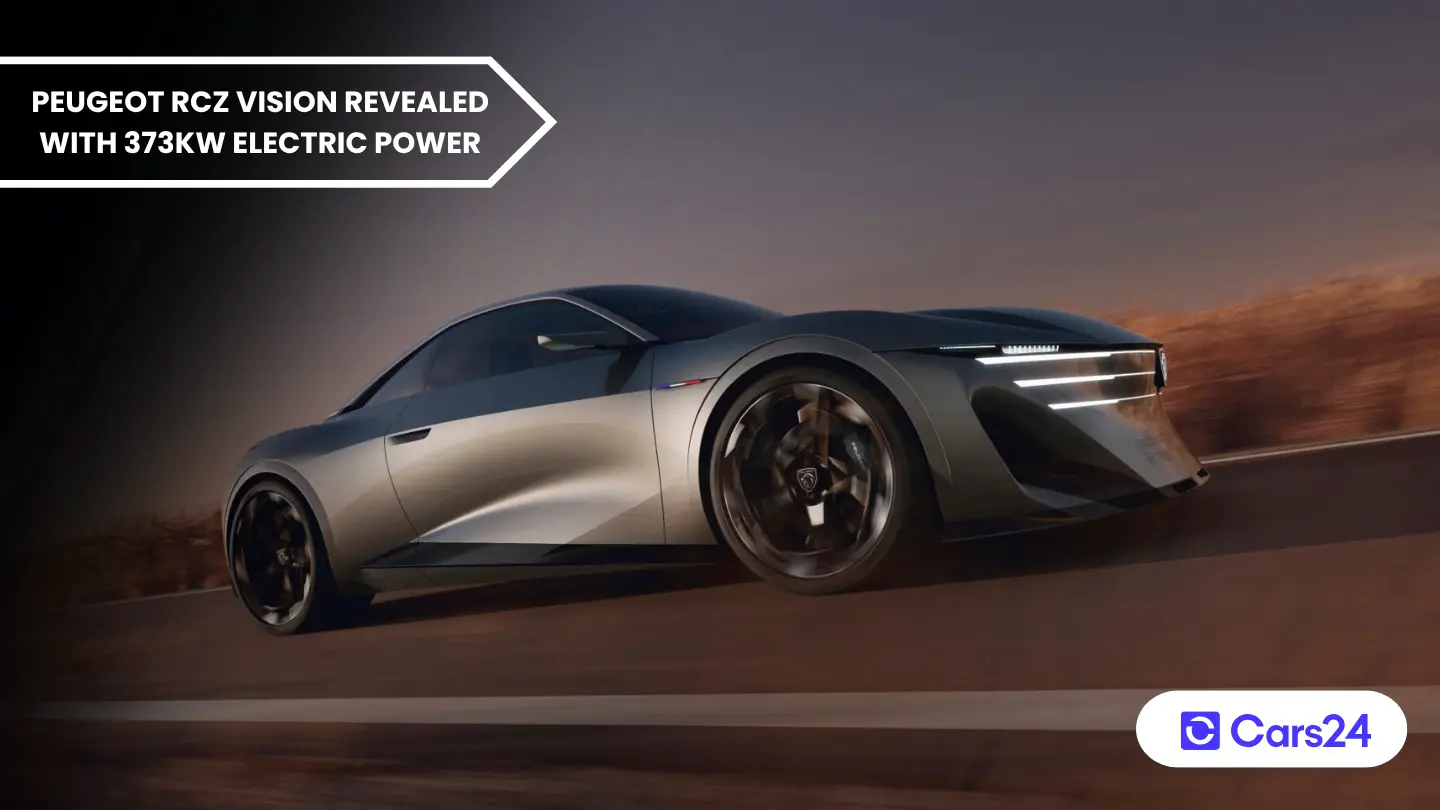
Peugeot has revived the RCZ name at the 2026 Paris motor show, and this time the coupe is electric. The four-seat RCZ Vision is a concept, not a showroom car, but it previews both the look of future Peugeots and a battery technology the brand is keen to talk about.
Read more: 2027 BMW X3 M50 gets power boost in range-wide refresh
A familiar badge, a very different drivetrain
The original RCZ was a petrol-powered coupe based on the Peugeot 308 hatch, and it was sold in Australia between 2010 and 2015. The new concept wraps up Peugeot’s ‘Feline Future’ design language, with a muscular stance, three-claw headlights and tail-lights, and an active rear spoiler.
Big forged aluminium wheels (21-inch at the front, 22-inch at the rear) fill the haunches, and triangular details nod to the old car. So does the double-bubble roof, which sits above a transparent glass cockpit.
The battery is the real story
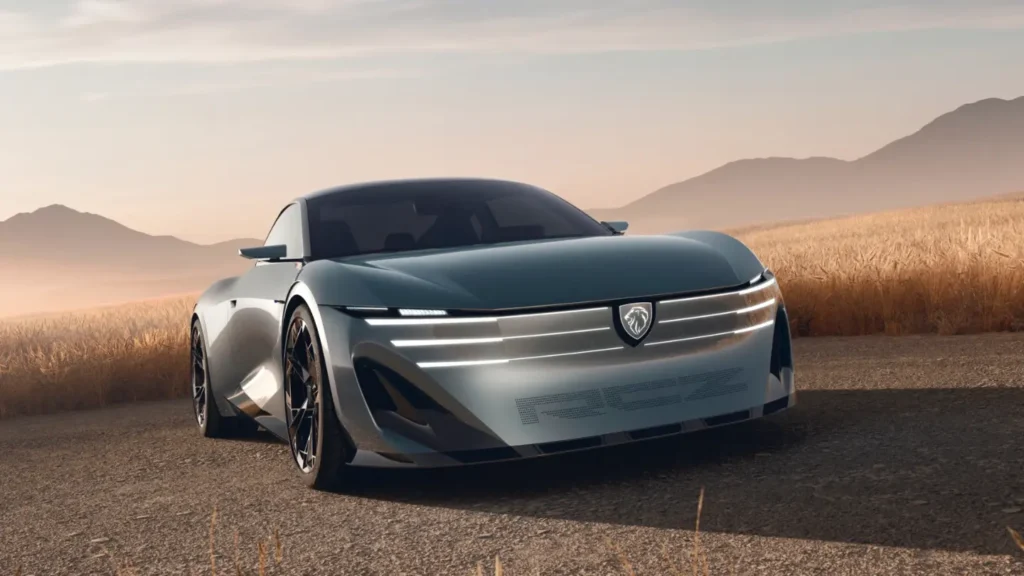
The headline number is 373kW, or 500hp. Peugeot says that comes with low claimed energy use of 11.5kWh/100km, and it is targeting 600km of WLTP range from a pack only 110mm thick. The key is solid-state battery technology, developed with US firm Factorial Energy. Stellantis, Peugeot’s parent company, signed an agreement with Factorial in 2021. Peugeot says these batteries should be safer and cheaper than conventional lithium-ion units, and offer 20 to 50 per cent more range per charge.
The concept pairs the battery with a 1000V electrical architecture. Peugeot claims a 10 to 80 per cent charge in as little as 10 minutes. For anyone who has waited at a regional fast charger, that would be a big deal. All of these are manufacturer claims on a concept car. Nothing here has been tested in real-world conditions, and Peugeot hasn’t confirmed this battery for a production model.
Steer-by-wire and a very different cabin
Inside, the RCZ Vision uses the square ‘Hypersquare’ steering wheel seen on other recent Peugeot concepts. It’s paired with steer-by-wire steering, which has no mechanical link between wheel and tyres. The ratio varies, so the driver needs smaller hand movements at low speeds, and the steering smooths out at higher speeds. It is also the first Peugeot with brake-by-wire, which replaces the hydraulic connection between pedal and calipers with electronic controls. Peugeot says this gives more precise braking and better use of regenerative braking.
The cabin gets transparent micro-LED displays that put information in the driver’s line of sight, plus a floating central screen angled towards the driver. There are physical machined-aluminium controls on frosted glass, stowable air vents, recycled-leather seats and an analogue clock. The Hypersquare wheel has been confirmed for the production next-generation 208 hatchback, expected to be revealed in 2027, with the 2008 small SUV to follow. That is the closest link between this concept and cars Australians might actually buy.
What it means for Australian buyers
Right now, not much directly, and that comes down to the brand’s local situation. Australian pricing and availability for the RCZ Vision haven’t been announced, and the car itself is not confirmed for production. Importer Inchcape, which also distributes Subaru, Deepal and Foton here, has announced it will hand back the Peugeot distribution rights it has held since 2017. As of October 2026, a new Australian importer has not been officially announced. Stellantis also hasn’t resumed local Citroën distribution after Inchcape stopped selling that brand in 2024, ending 102 years of sales in Australia.
There is some encouraging news. Earlier this year, Stellantis named Peugeot as one of four priority brands, alongside Jeep, Ram and Fiat. That bodes well for its Australian future, though it’s a signal of intent rather than a local commitment. For now, the RCZ Vision is best read as a statement of where Peugeot wants to go. Whether solid-state batteries and these steering and braking systems reach Australian showrooms depends on production decisions and a new importer, and neither has been announced.

Comments
New Comment