




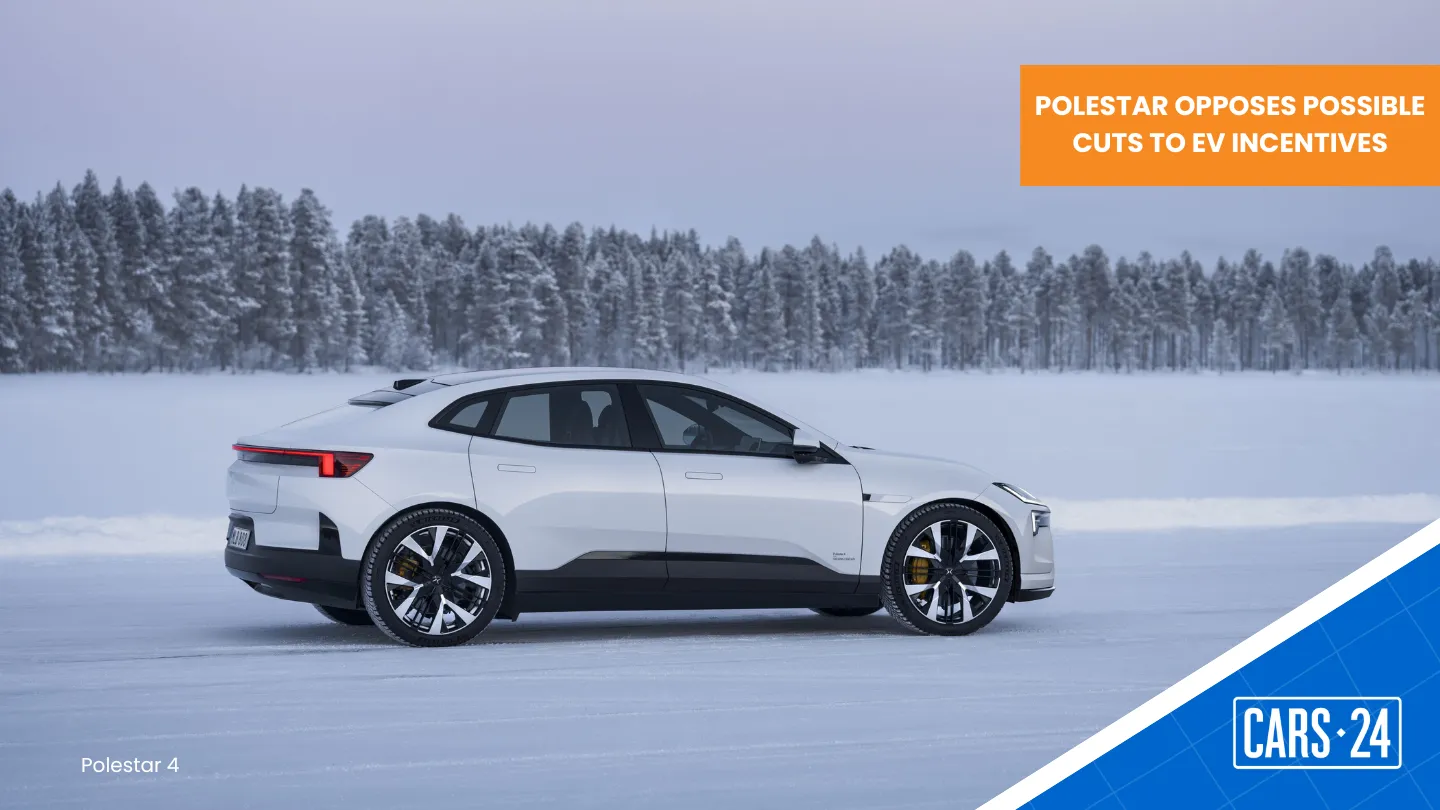
Polestar Australia (majorly owned by the Geely group) has urged the federal government not to change or scrap EV tax incentives, saying it could slow EV adoption just as momentum is building. The request comes as the government considers changing or scrapping the EV Fringe Benefits Tax (FBT) exemption following an unpredictable cast blowout.
“It’s great to see the electric vehicle share of the light vehicle market has now risen above 10% for the year and continues to increase. That’s great, but at the first sign of success, I don’t think that that would be the time to dismantle or even change the program,” said Scott Maynard, MD, Polestar Australia.
What is the EV tax benefit?
Normally, if an employer provides a car for personal use, the ATO imposes a Fringe Benefits Tax (FBT) of about 47%. There is also a Luxury Car Tax (LCT) for high-end cars. Since July 2022, buyers using a novated lease have been exempt from the FBT and LCT (if the car is under the limit).
A novated lease is a ‘salary packaging’ deal where the employer pays for the car and its running costs directly from an employee’s pre-tax salary. For an EV bought through this lease agreement, FBT is exempt, and LCT is waived off if the EV is priced below $91,387 (for 2025-2026).
More: Volvo EX60 revealed with record-range potential
Why is the government reviewing EV tax benefits?
As EV sales grow, the government is reconsidering whether the incentive is too expensive. According to the Australian Financial Review, the novated lease policy is expected to cost $1.35 billion this financial year (2025-26). That’s around 15 times more than originally forecast.
More: Australia launches a nationwide Vehicle-Grid Network
Polestar’s argument against changing the policy
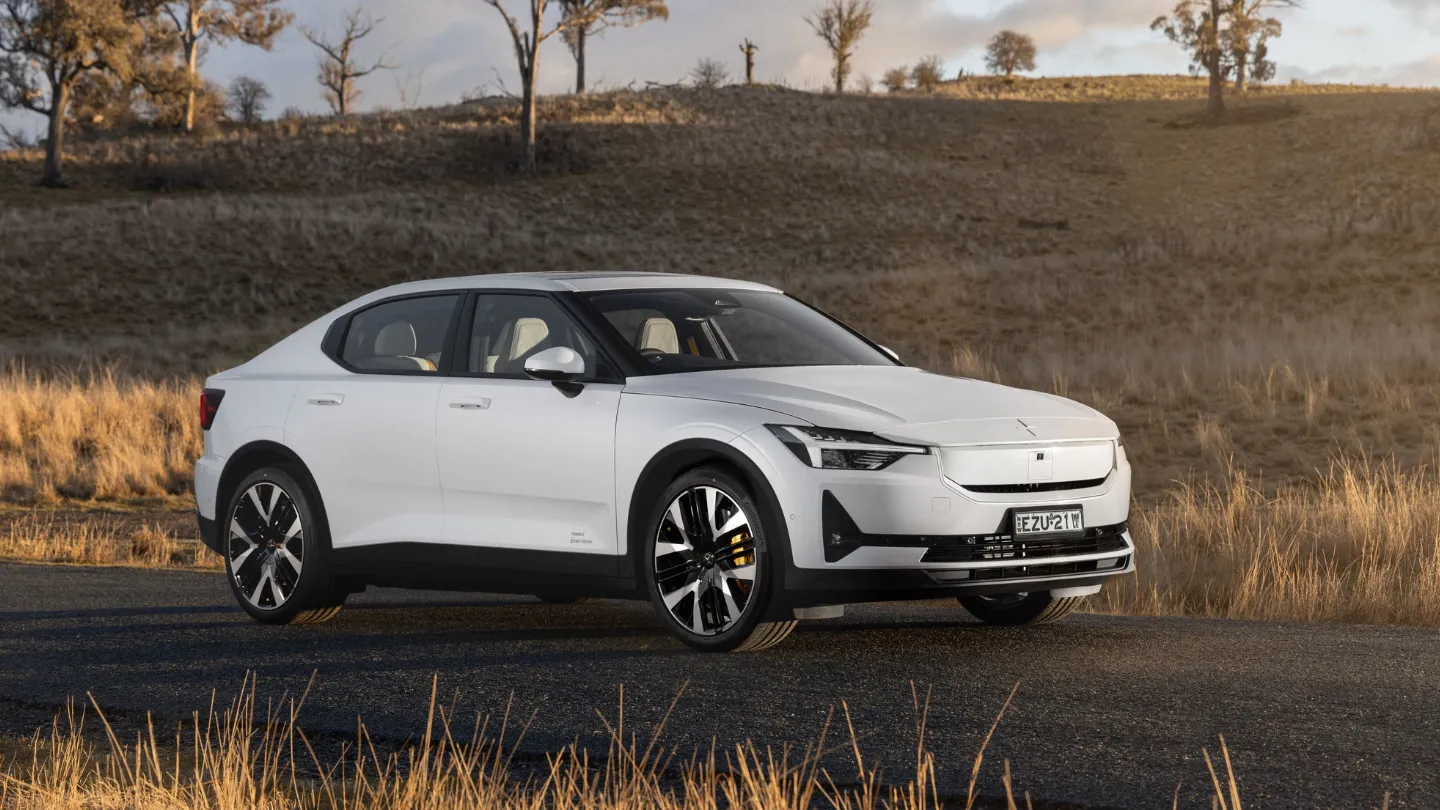
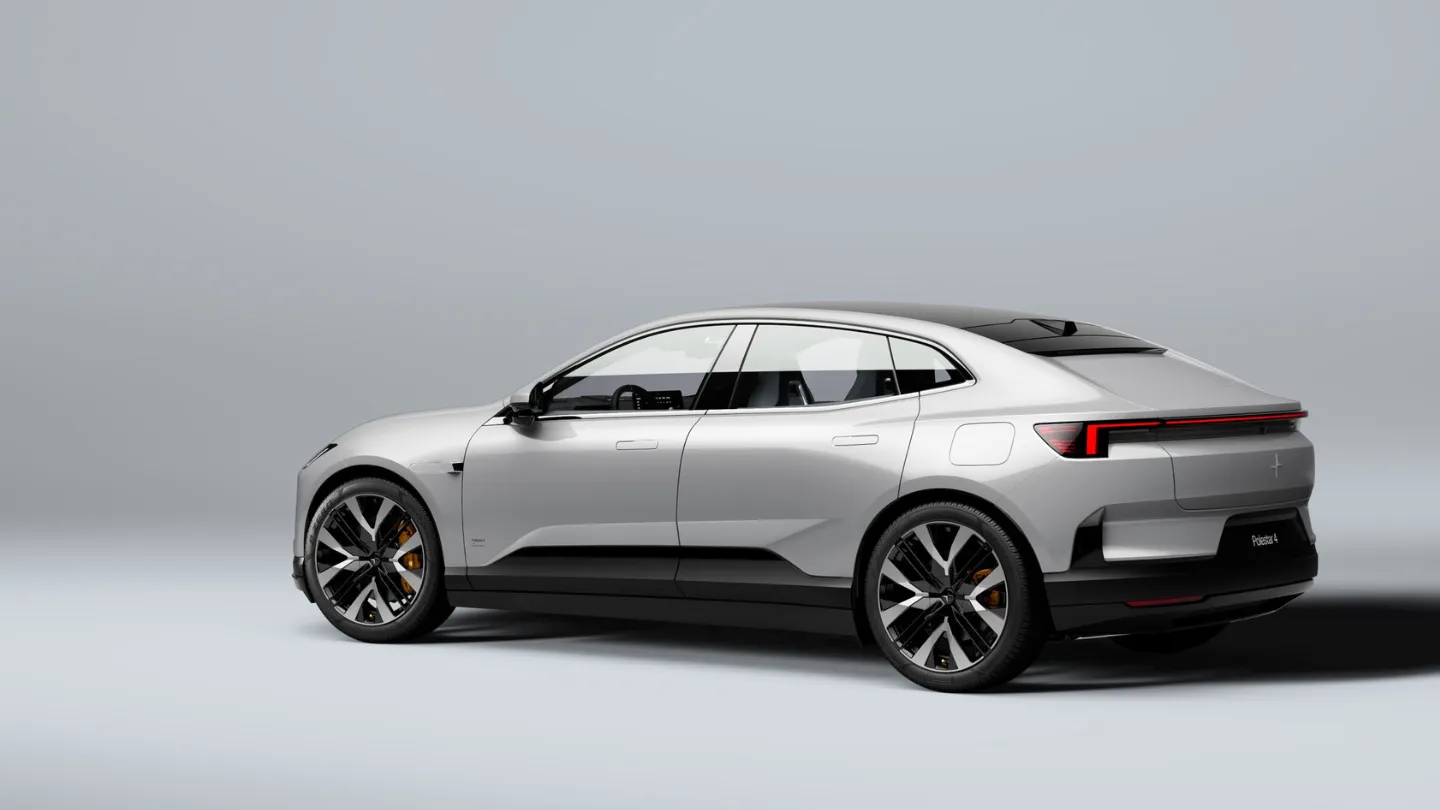
Some Polestar 2 and Polestar 4 variants qualify for the FBT exemption in Australia, and Polestar sales rose 38.5% in 2025. The brand believes incentives played a role in that growth.
Scott Maynard, Managing Director of Polestar Australia, reportedly said it’s too early to make changes and requested that the government keep the incentives. He mentioned that the government’s goal is 50% EV sales by 2035, and Australia is nowhere near that target.
EVs only just passed 10% market share, and cutting incentives now could stall progress. He argues the issue isn’t overspending but poor original budgeting.
More: 2025 NVES performance report to go live in February 2026
Scott Maynard criticises ute tax incentives
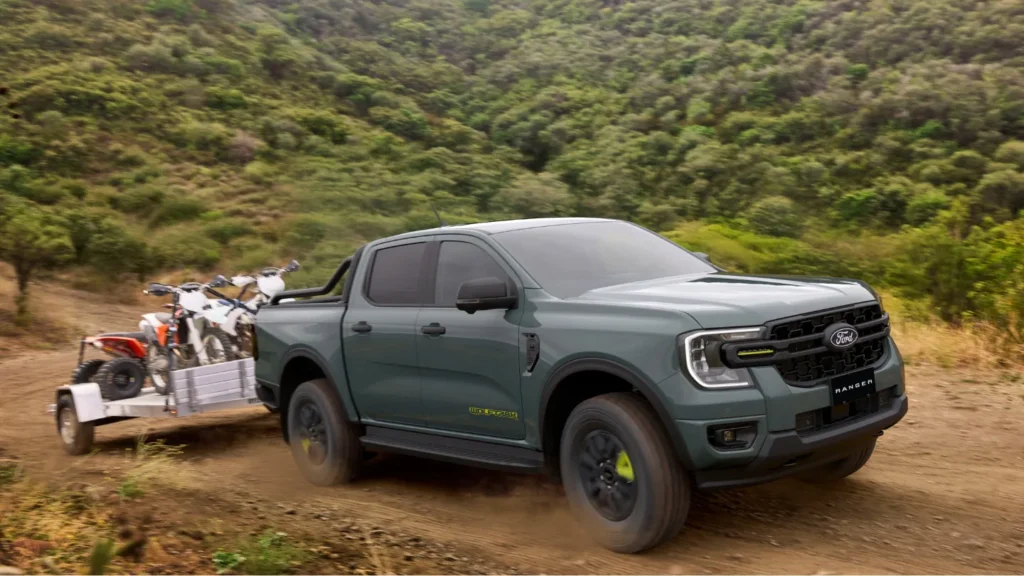
Maynard argues that the government should look elsewhere for savings, particularly at dual-cab utes. He points out that many utes are FBT-exempt for business and limited private use, and some sell for over $200,000.
Australia sells more utes than tradespeople, and most utes are diesel-powered. He believes cutting EV incentives while continuing to subsidise high-emissions vehicles makes little sense.
Utes also benefit from more lenient CO₂ targets under Australia’s New Vehicle Efficiency Standard (NVES), creating a policy mismatch when EV incentives are under review. While those targets will tighten over time, Polestar argues the current settings still favour high-emissions vehicles over cleaner alternatives.

Comments
New Comment