




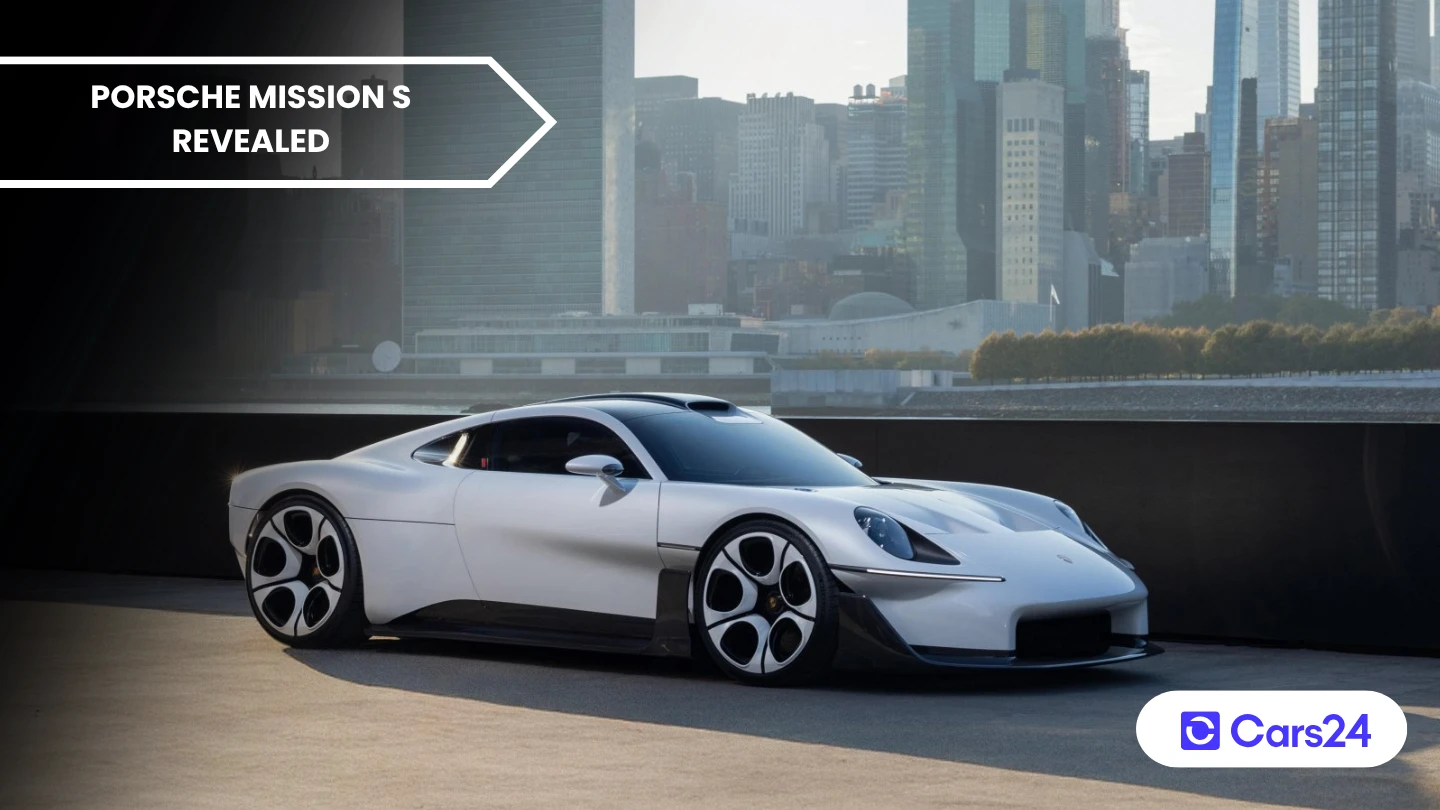
Key highlights:
- Mission S previews a permanent petrol-powered flagship above the 911
- It combines classic Porsche design cues with analogue cabin controls
- Porsche expects two-thirds of sales to retain ICE power by 2030
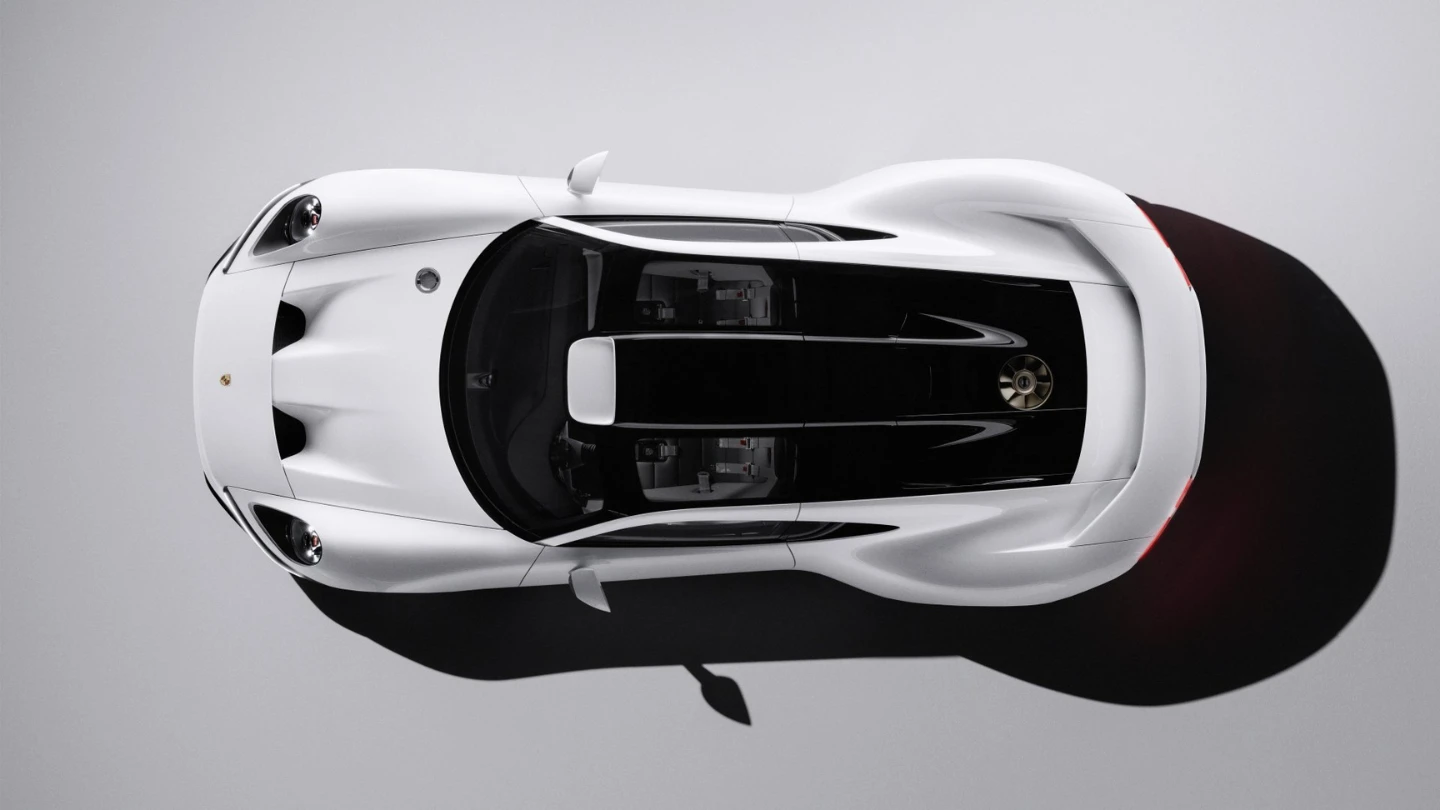
Porsche has unveiled the Mission S in New York, a mid-engined, open-top supercar concept that signals a major change in the brand’s future direction. The two-door show car previews a petrol-powered flagship positioned above the 911, drawing inspiration from icons such as the 550 Spyder, Carrera GT and 918 Spyder.
Unlike Porsche’s recent electric concepts, the Mission S has no high-voltage battery in sight. More importantly, Porsche plans to make this new super sports car a permanent part of its lineup rather than a limited-edition model.
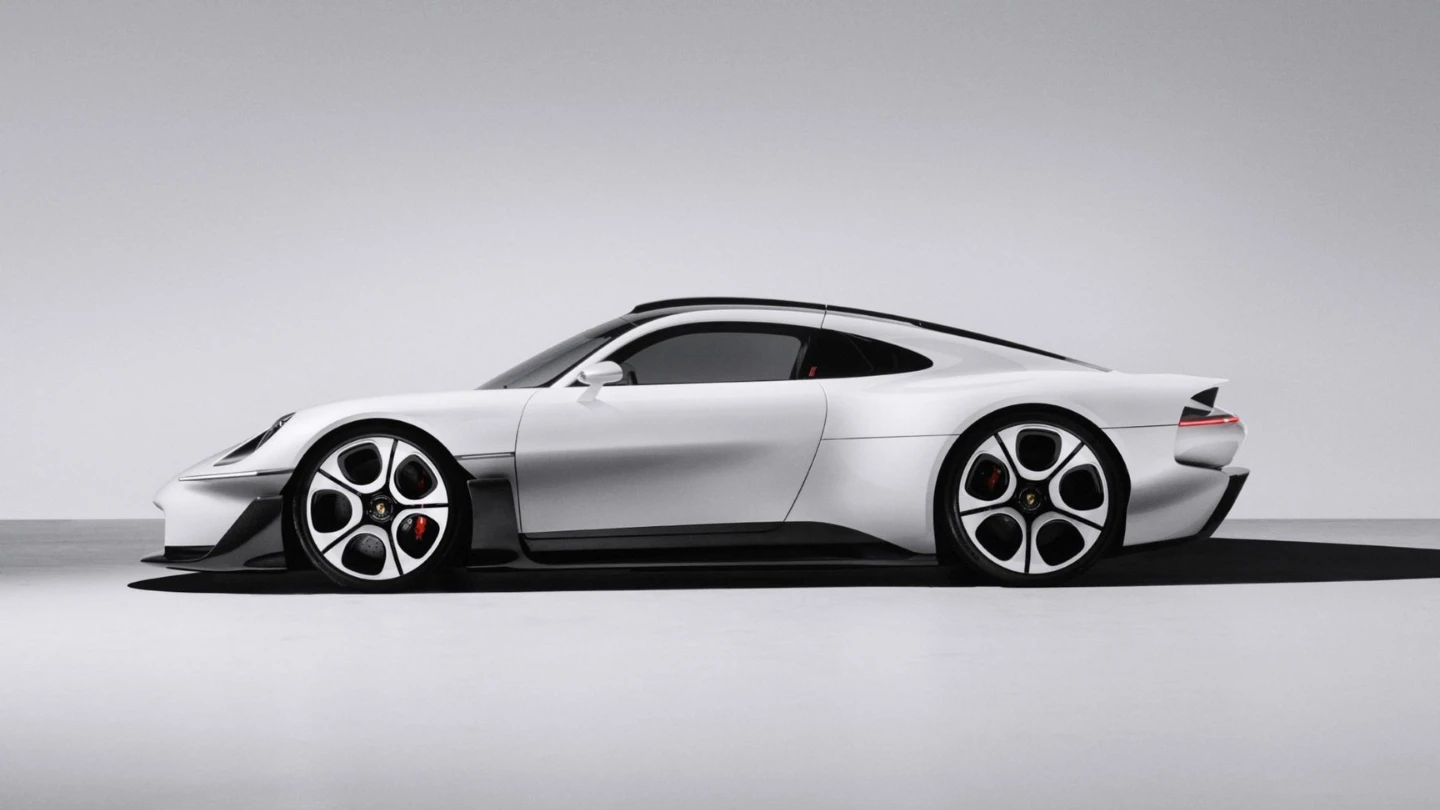
A permanent flagship above the 911
Porsche chairman Michael Leiters said the Mission S represents a mid-engined super sports car platform positioned above the 911 and stressed that Porsche intends to make it a permanent and versatile addition to its range, rather than a one-off hypercar.
The automaker said it is planning a permanently available super sports car offering for the first time, with engineering excellence and maximum flexibility as its main objectives. That approach separates the Mission S from the 918 Spyder, which Porsche produced between 2013 and 2015.
Instead of building a limited run, the company intends to offer a regular production model as part of an expanded lineup.
Porsche has not announced a production timeline or pricing and has yet to confirm whether the Mission S will join the Porsche Cars Australia range.
Petrol power, not electric
Porsche has not released engine specifications, power figures or performance targets for the Mission S, but Autocar previously reported that Leiters confirmed the new super sports car would use an internal-combustion engine exclusively, ruling out both hybrid and battery-electric powertrains.
The wording in Porsche’s media material also points towards petrol power and the company consistently refers to an “engine” for the Mission S, rather than the “motor” terminology used for its electric Mission E and Mission X concepts.
| Porsche concept | First revealed | Direction |
|---|---|---|
| Mission E | 2015 | Electric concept that became the Taycan |
| Mission X | 2023 | Electric concept |
| Mission S | 2026 | Mid-engined, petrol-powered super sports car concept |
The Mission S arrives as Porsche rethinks its electric-vehicle strategy following slower-than-expected EV take-up in 2025, declining profits and continuing pressure in 2026.
After launching the Taycan in 2020, Porsche predicted that EVs would account for 80% of its sales by 2030, and it now expects two-thirds of sales to retain some form of internal-combustion power by the end of this decade.
The Mission S therefore marks another significant step in the brand’s revised strategy, outlined through its ‘Sportwagenschmiede ’35’ — or Sports Car Workshop ’35’ — revitalisation plan earlier this month.
Also read: 2027 Mercedes-Benz GLE 450e price and specs Australia
Design: Inspired by the brand’s icons
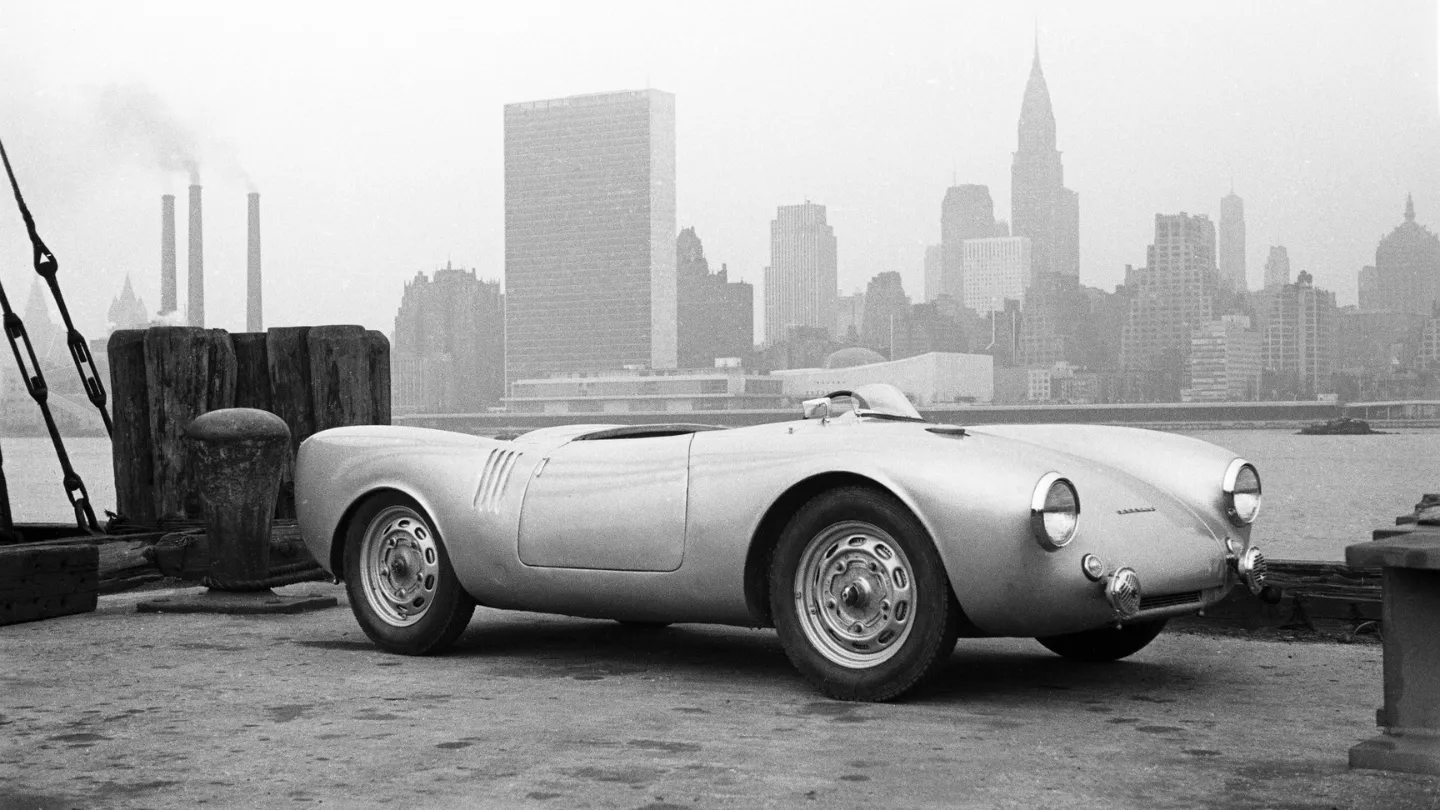
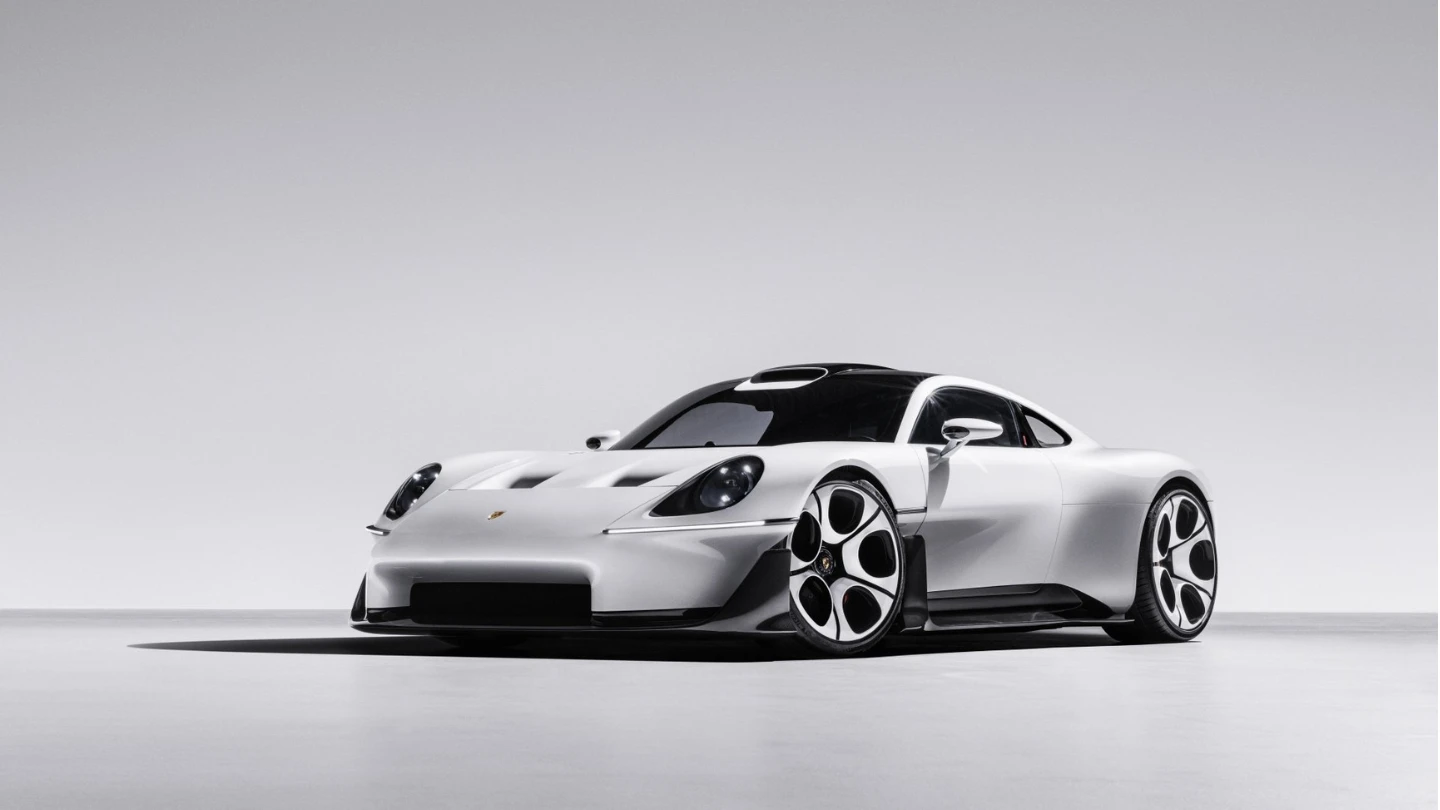
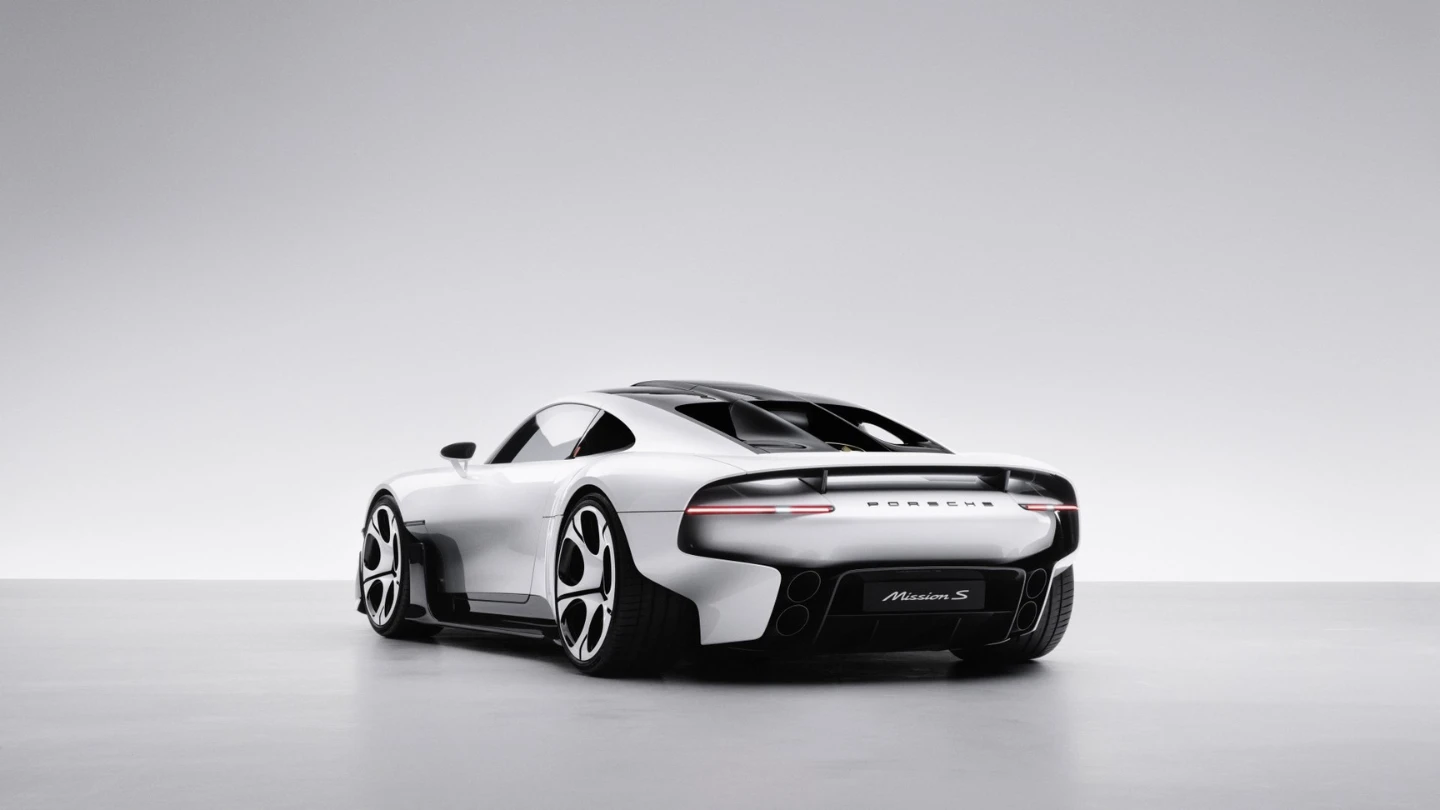
The Mission S uses a mid-engined layout that allows its sloping roofline, which Porsche calls the ‘fly line ’, and its exterior combines modern proportions with design cues from several significant models in the brand’s history. Key design references include:
- Round headlights: A familiar Porsche styling feature, including on the 911.
- Flat bonnet: Inspired by the GT1 that won the 24 Hours of Le Mans in 1998.
- Rear wing: Shaped like the wing on the Porsche 959, introduced in 1986 as the brand’s rival to the Ferrari F40 of 1988.
- Alloy wheels: Their dial-inspired design recalls the Porsche 928, produced from 1977 to 1995. Porsche says the design also helps reduce weight.
- Colour scheme: The show car’s colours pay tribute to classic Porsche Motorsport liveries.
Leiters said a Porsche should be recognisable as one at first glance. The concept also draws on the 550 Spyder, Porsche’s first mid-engined production model, and the company chose Queens, New York, for the Mission S reveal because the first images of the 550 Spyder were taken there in 1953.
Interior: Less screen, more analogue
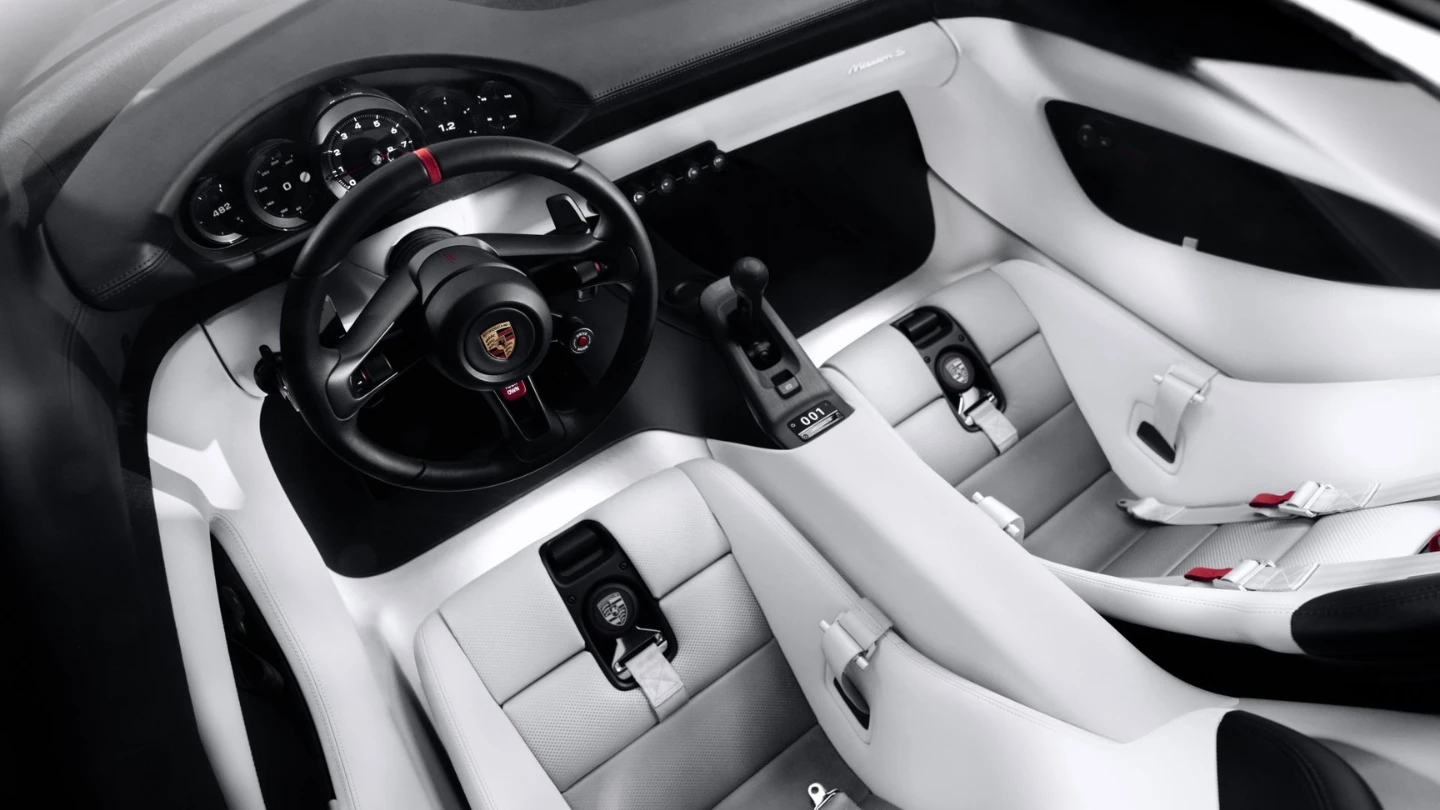
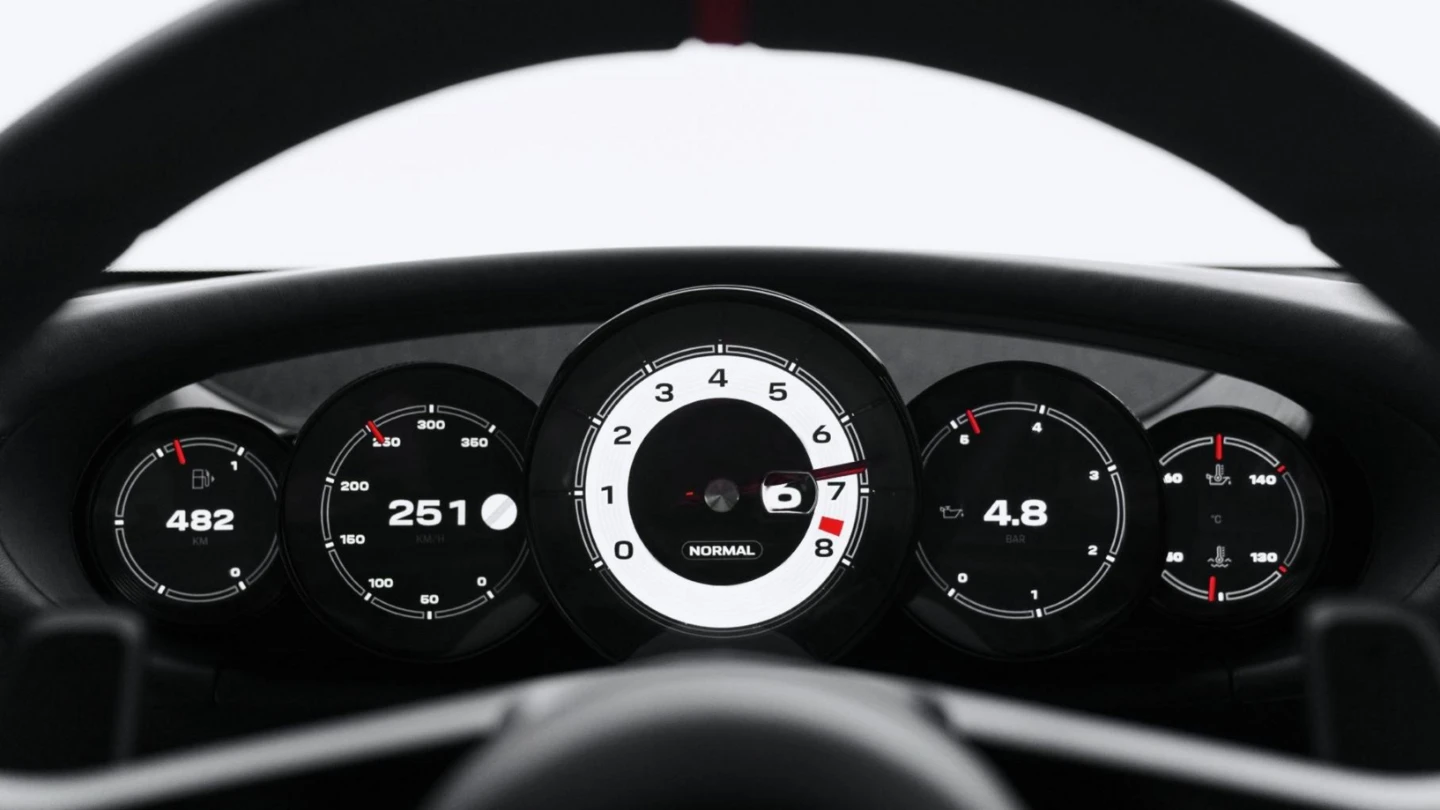
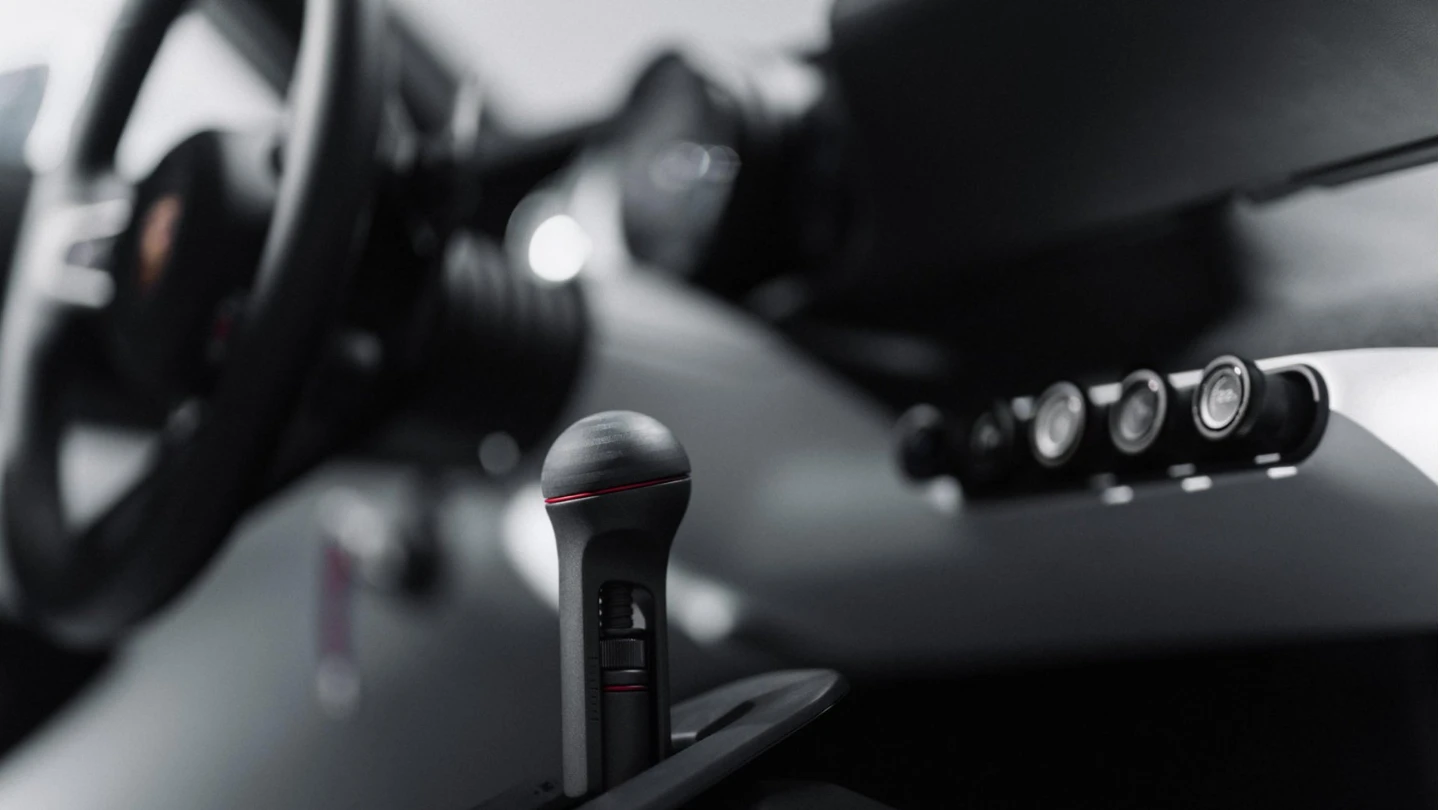
Inside, Porsche has deliberately stepped back from the trend towards increasingly digital cabins. The Mission S has neither a central touchscreen nor a fixed passenger display, but it features a MagSafe smartphone system, reflecting Porsche’s aim to achieve what it describes as an ‘ideal symbiosis’ between digital technology and analogue controls.
The driver’s instruments combine both approaches. The rev counter retains an analogue needle, while five circular instrument dials arranged around the steering wheel change according to the selected driving mode.
Porsche has also redesigned the Sport Chrono display, giving it a mix of digital and analogue elements.
Porsche’s wider strategy shift
The Mission S is part of a broader overhaul as Porsche responds to weaker sales and falling profits, and the company’s revised business strategy includes major workforce changes and a rethink of its future model range.
The decision to make the next 718 Boxster and Cayman electric-only contrasts with Porsche’s renewed interest in petrol power for the Mission S and its planned mid-size SUV.
Porsche also plans to introduce a new mid-size SUV alongside the Macan, using petrol and plug-in hybrid powertrains. That follows the Macan’s switch to an electric-only lineup in 2025, a change that hurt sales.
At the larger end of the range, Porsche is again considering an SUV positioned above the Cayenne, and unlike an electric-only model, it is planned with both petrol and electric powertrains.
The company expects larger D- and E-segment vehicles to account for around 45% of its sales. The Mission S will use a new platform that it does not share with fellow Volkswagen Group brands Lamborghini or Audi.
Porsche’s turnaround effort comes less than 3 years after it recorded its strongest annual results to date. In 2023, the automaker sold 320,221 vehicles worldwide and posted a record operating profit of €7.284 billion, equivalent to A$11.77 billion.
Its performance has since weakened. Porsche delivered 178,532 vehicles globally in the first nine months of 2026, down 16% year-on-year. The end of production for the previous-generation 718 Boxster and Cayman contributed to the decline.
The 911 recorded 42,217 sales over the same period, but the Cayenne remained Porsche’s most popular model with 51,025 sales.
The Mission S offers Porsche a potential new flagship as it tries to balance its electric ambitions with continued demand for combustion-powered sports cars. For now, though, its production future, final specifications, price and Australian availability remain unconfirmed.

Comments
New Comment