




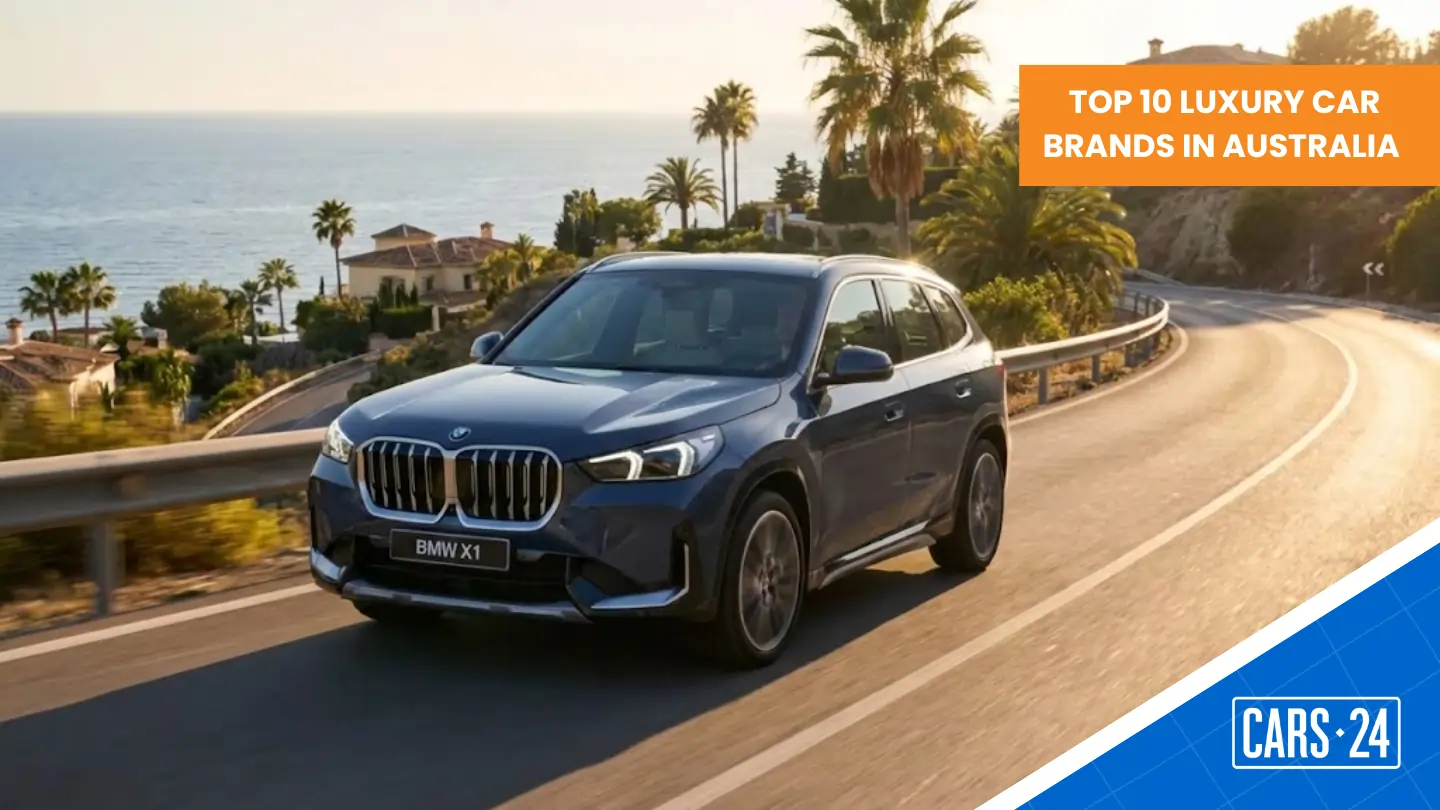
Luxury car sales in Australia told an interesting story in 2025. While some premium brands powered ahead on the back of strong SUV demand and fresh model line-ups, others struggled to keep momentum as supply changes and ageing ranges took their toll.
At the top of the table, familiar German marques like BMW, Mercedes-Benz and Audi yet again dominated the luxury space, comfortably outpacing the rest of the field. But the real takeaway from 2025 isn’t just who sold the most cars, it’s how broad and competitive Australia’s luxury car market has become.
That’s hardly surprising when you zoom out. The Australian luxury car market was valued at 260.75 million dollars in 2025. With the market tipped to grow at a 5.9 per cent annual rate through to 2035, luxury cars are no longer just indulgences. They’re are now increasingly seen as long-term, high-value purchases.
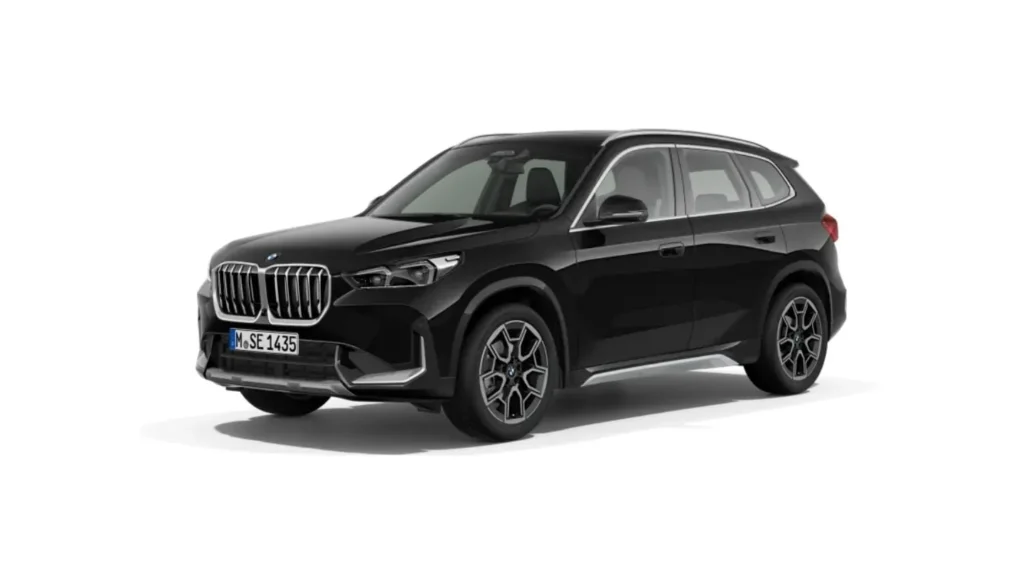
Below, we break down how Australia’s luxury car brands performed across 2025, based on official VFACTS sales data.
| Car brand | 2025 sales |
| BMW | 26,842 |
| Mercedes-Benz Cars | 22,850 |
| Audi | 16,014 |
| Lexus | 14,561 |
| Land Rover | 8,339 |
| Volvo | 7,239 |
| MINI | 5,485 |
| Porsche | 5,133 |
| Polestar | 2,373 |
| Zeekr | 1,994 |
Who’s driving luxury sales in Australia in 2025?
BMW
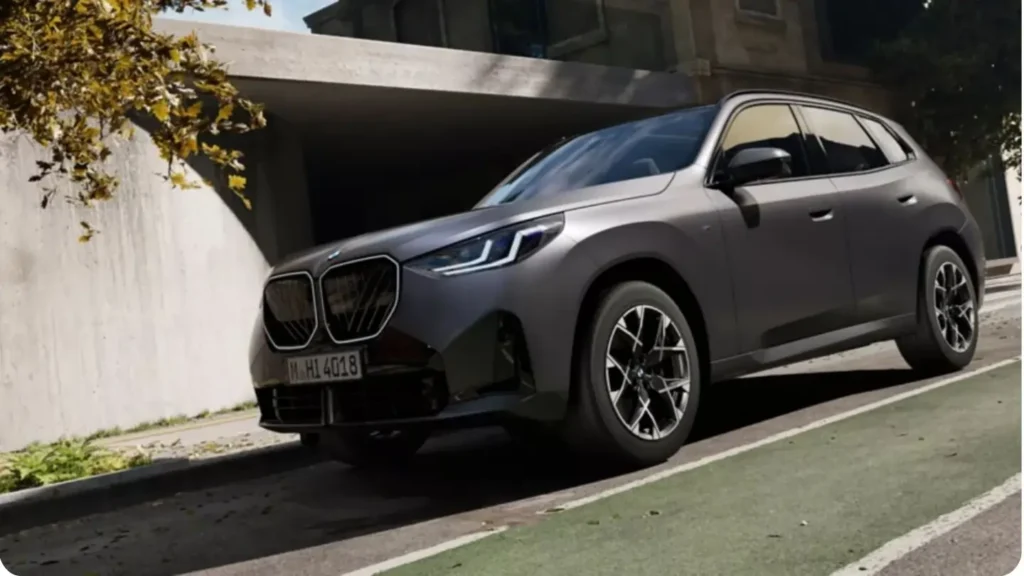
BMW topped the luxury sales charts in 2025 with 26,842 vehicles sold, driven largely by strong SUV demand. The BMW X1 (5,306 sales) and BMW X3 (4,909 sales) were the brand’s top performers. BMW’s strength in the premium SUV space reigns supreme in this segment.
Mercedes-Benz
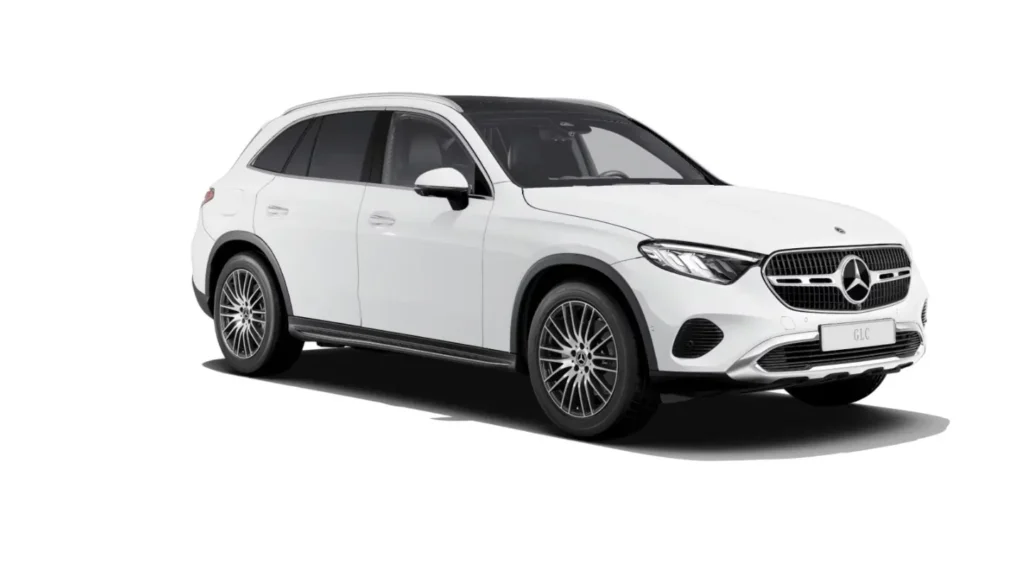
Mercedes-Benz followed closely with 22,850 sales, led by the GLC Wagon, which recorded 4,306 sales, making it the brand’s best-selling model for the year. Compact luxury also played a role, with the A-Class and GLA-Class contributing solid volumes.
Audi
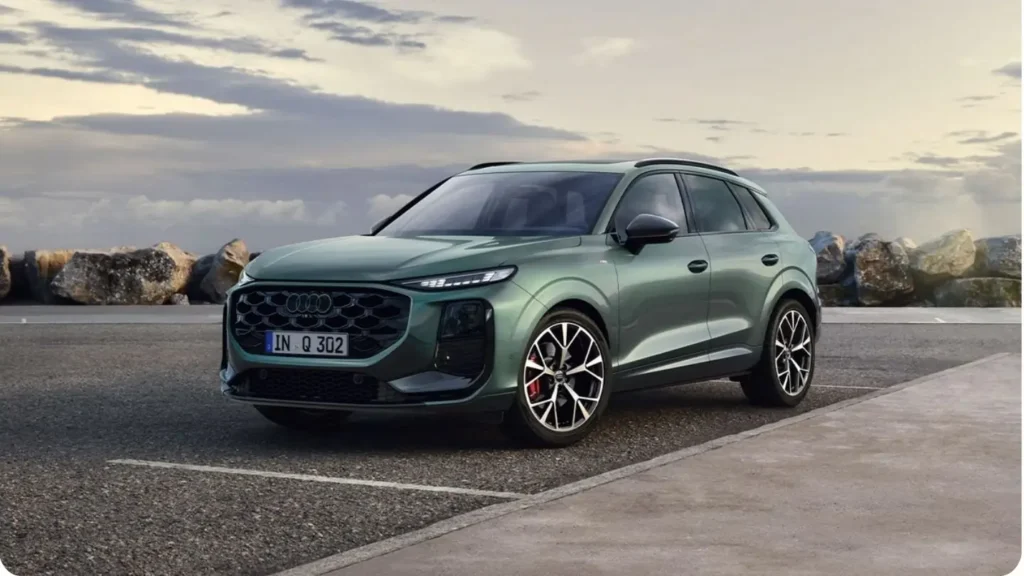
Audi secured third place with 16,014 sales, supported by consistent demand for its mid-size SUVs. The Audi Q3 (4,206 sales) and Audi Q5 (3,570 sales) were the brand’s strongest sellers, highlighting buyer preference for practical luxury.
Lexus
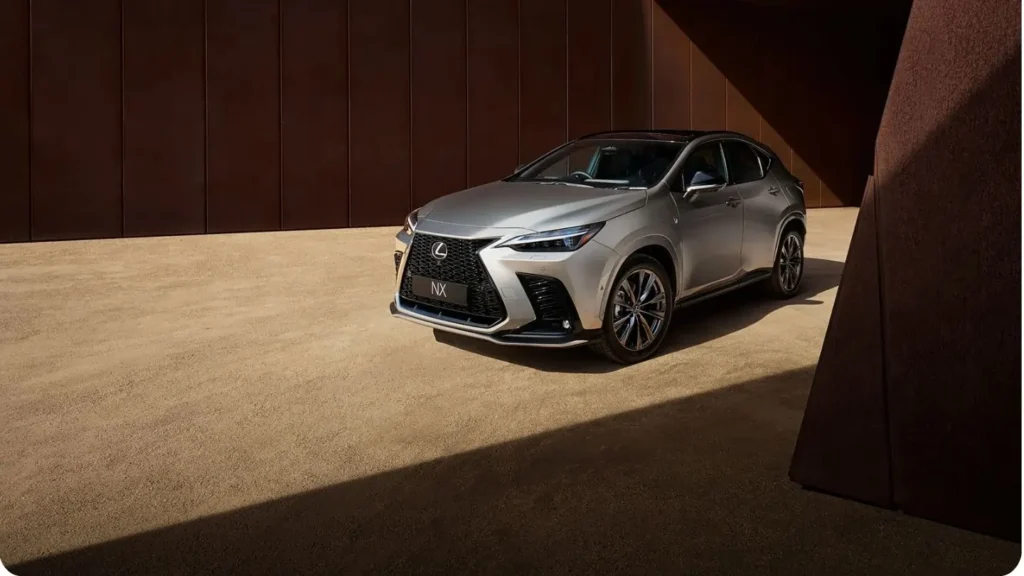
Lexus continued its steady rise, finishing 2025 with 14,561 sales. The Lexus NX was the standout model with 6,024 units sold, making it one of the best-selling luxury SUVs in Australia overall.
Land Rover
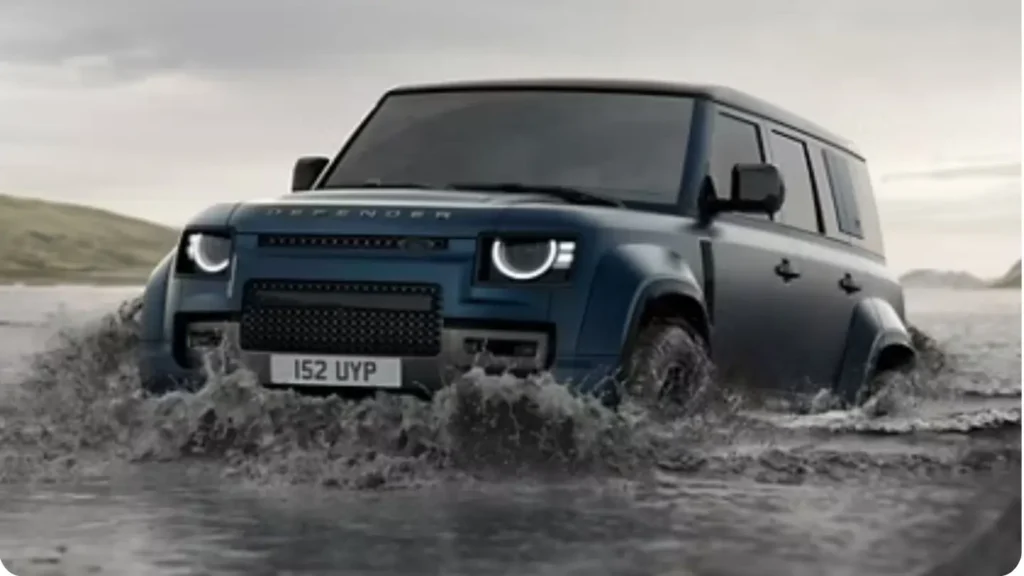
Land Rover recorded 8,339 sales, with the Defender leading the charge at 3,854 units, followed by the Range Rover Sport. Rugged luxury SUVs remained the brand’s core strength.
Volvo
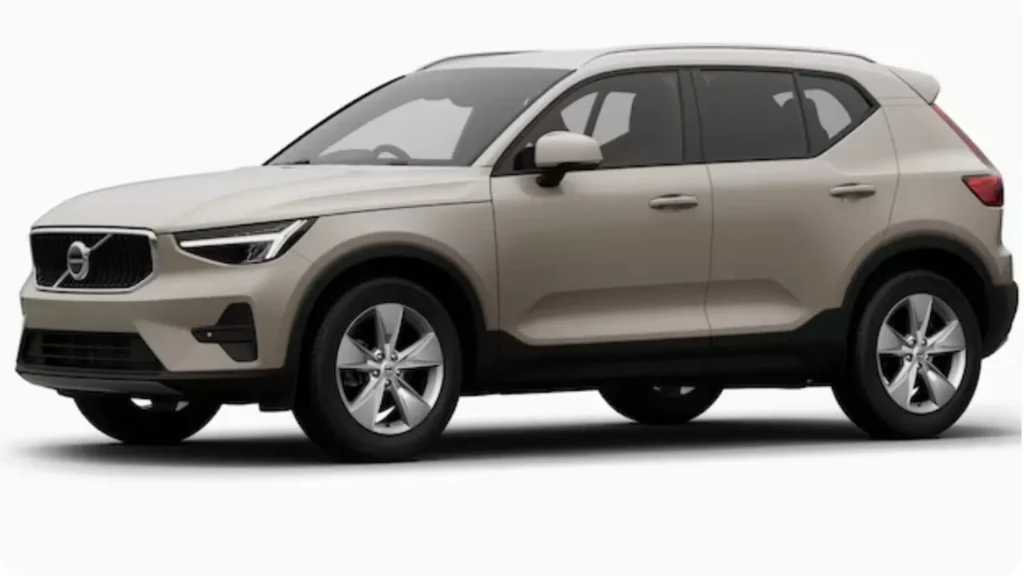
Volvo ended the year with 7,239 sales, boosted by strong demand for the XC40 (2,630 sales) and XC60 (2,047 sales), while new electric models like the EX30 also added momentum.
MINI
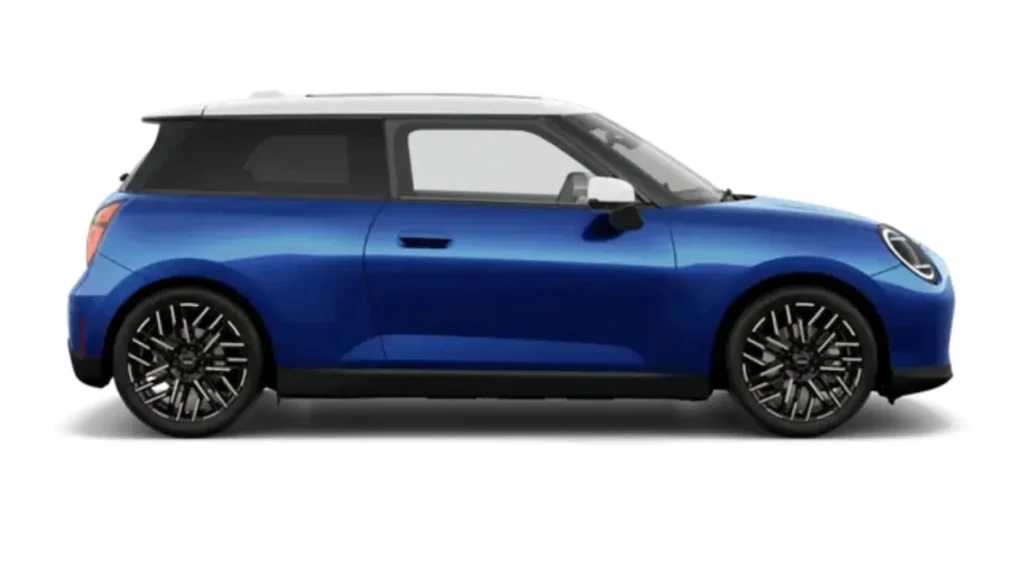
MINI posted 5,485 sales, led by the MINI Cooper (2,263 sales) and Countryman (2,235 sales), showing continued interest in compact premium cars.
Porsche
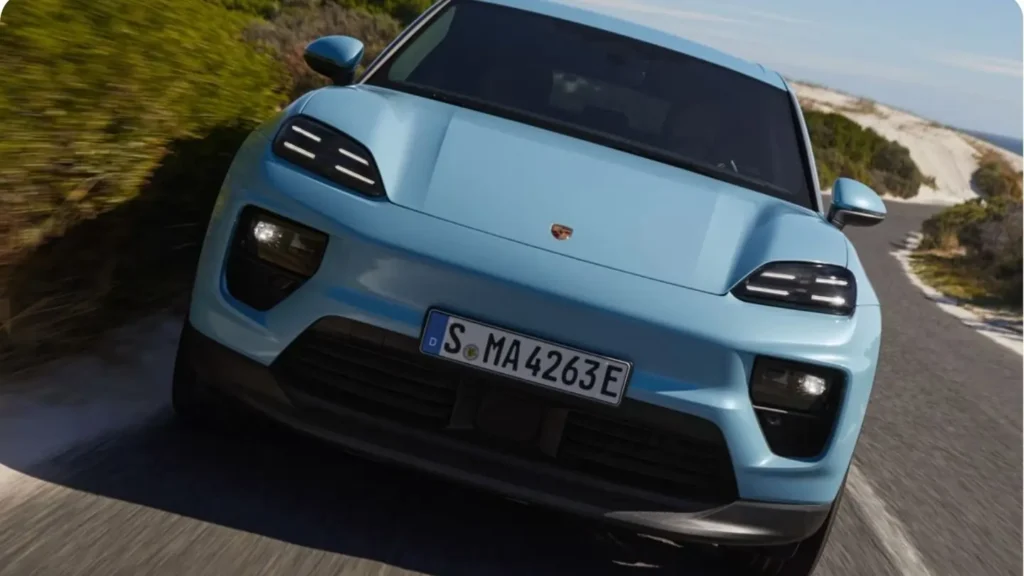
Porsche delivered 5,133 sales in 2025, with the Macan (2,194 sales) remaining its top-selling model, well ahead of the Cayenne and 911.
Polestar
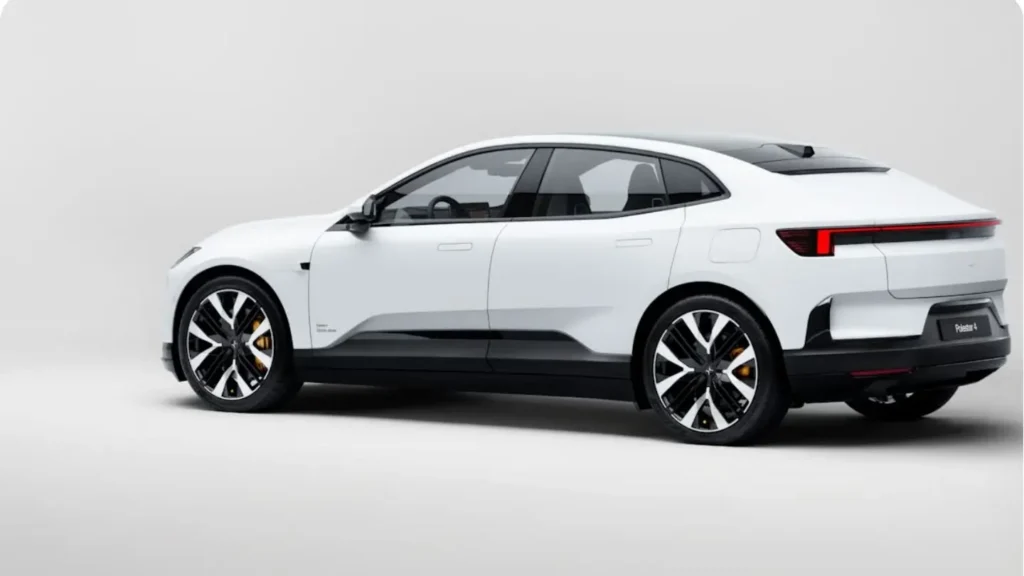
Polestar recorded 2,373 sales, with the Polestar 4 (1,295 sales) emerging as the brand’s strongest performer, despite softer results for the Polestar 2.
Zeekr
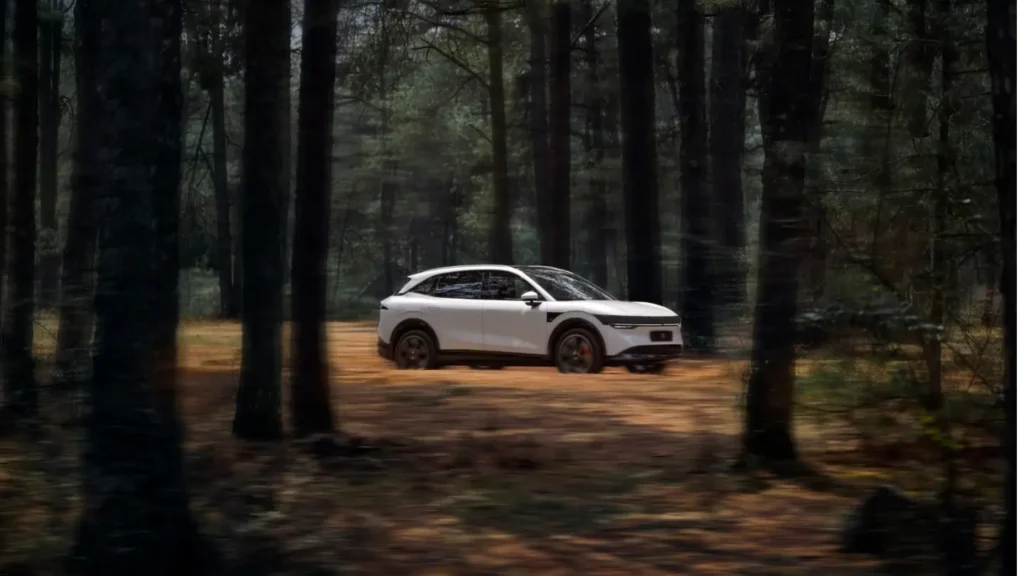
Zeekr, one of the newest entrants in the luxury segment, finished the year with 1,994 sales, led by the Zeekr 7X (1,206 sales).
The rest of the luxury field
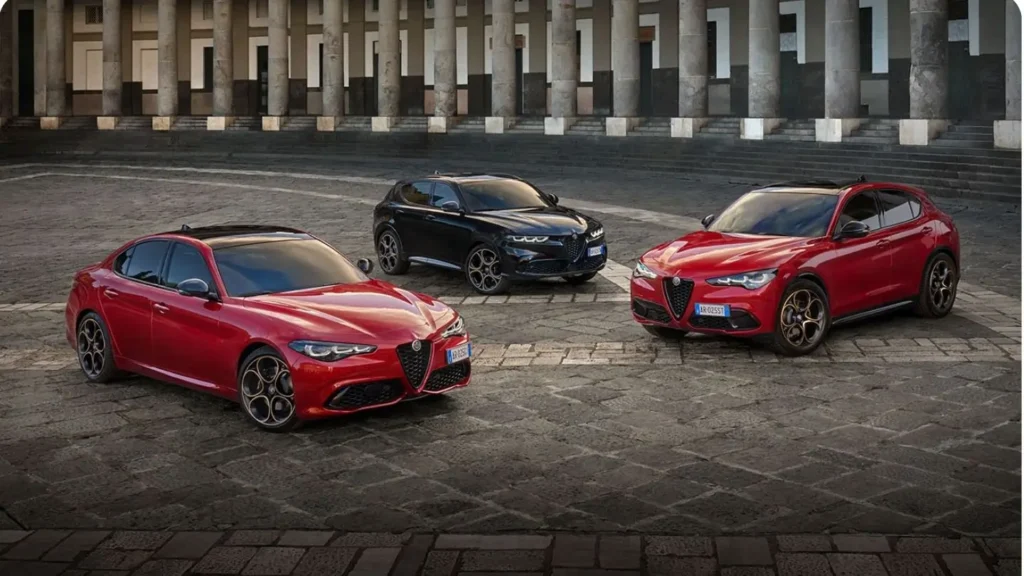
Outside the top 10 in the luxury segment, several other premium and performance-focused brands continued to operate in lower-volume niches. These include Alfa Romeo, Aston Martin, Bentley, Ferrari, Genesis, GMC, Jaguar, Lamborghini, Lotus, Maserati, McLaren and Rolls-Royce.
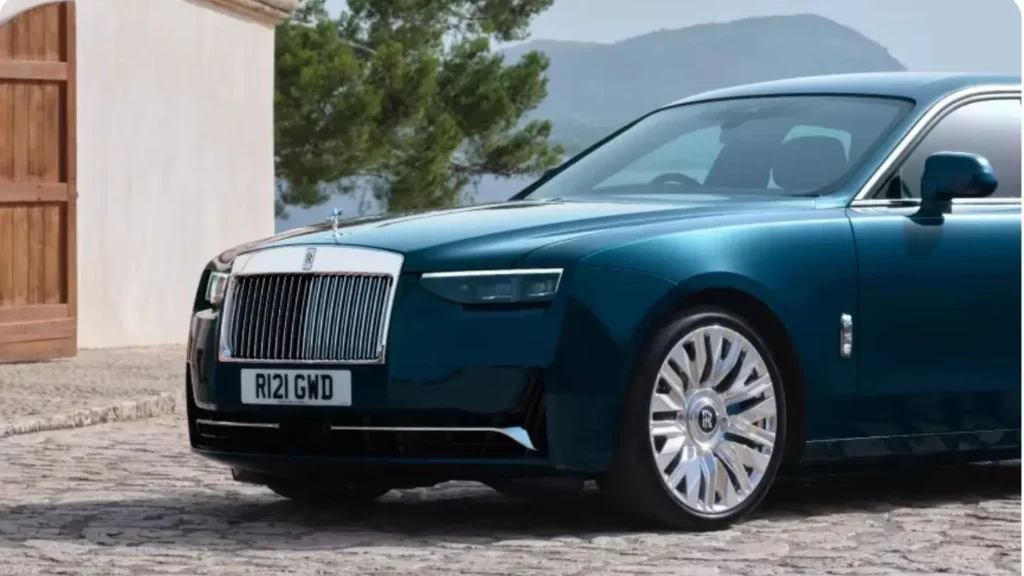
Among these, Genesis stood out with 1,602 sales, while ultra-luxury and performance brands such as Ferrari (220 sales), Lamborghini (272 sales) and Rolls-Royce (67 sales) remained deliberately low-volume, prioritising exclusivity over scale.
Meanwhile, brands like GMC, now positioned as a premium alternative in the large SUV space, and Volvo, which continues its transition toward electrification, added further variety to Australia’s increasingly diverse luxury car market.
Key takeaways
As 2025 showed, Australia’s luxury car market is no longer dominated by just one type of buyer or vehicle. Established brands like BMW, Mercedes-Benz and Audi continue to lead on volume, but strong performances from brands such as Lexus, Land Rover, Polestar and Zeekr highlight how quickly the segment is evolving.
With SUVs and electrified models playing an increasingly important role, and more premium brands entering the market, 2026 is shaping up to be another competitive year.
For buyers, that can only mean more choice and more pressure on luxury brands to keep raising the bar.

Comments
New Comment