




Key highlights
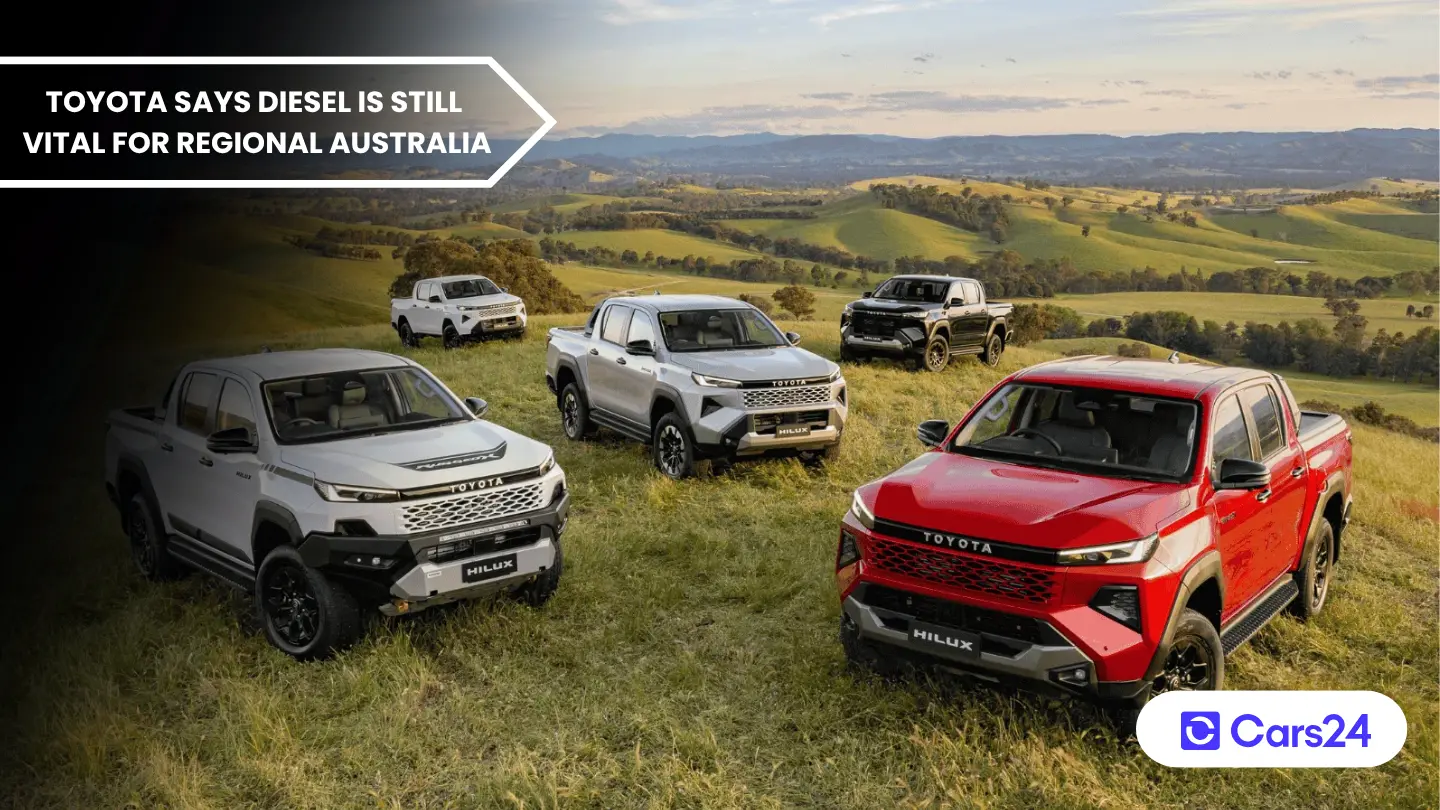
- Almost 54 per cent of Toyota HiLux and LandCruiser family vehicles are used outside major metropolitan areas.
- Diesel vehicle sales fell 25.5 per cent year-on-year by the end of September 2026.
- Toyota has introduced an electric HiLux and confirmed plans for a hydrogen fuel-cell version in 2028.
Toyota Australia says diesel engines remain important to its local vehicle lineup, particularly for drivers in regional and rural areas who rely on their vehicles for work, towing and long-distance travel. Toyota Australia sales vice-president John Pappas said in October 2026 that the company did not want to leave customers behind as the market shifted towards hybrid and electric vehicles.
“You can see it in the top five car lines in VFACTS right now,” Pappas said, referring to the continued presence of popular utes and SUVs in Australia’s new-vehicle sales rankings. He added that many regional customers needed vehicles capable of covering long distances, towing heavy loads and travelling away from sealed roads. For these buyers, switching to a battery-electric vehicle (BEV) may not yet suit their requirements.
Toyota’s own sales data highlights the importance of these customers. According to Pappas, almost 54 per cent of vehicles across the combined HiLux and LandCruiser families are purchased and used outside major metropolitan areas.
Read more: Toyota won’t rule out HiLux and LandCruiser price rises from 2027
Diesel sales fall as hybrids and EVs gain ground
Toyota’s position comes as diesel loses market share in Australia, even though diesel-powered utes and four-wheel drives remain popular with private buyers, businesses and fleet operators. VFACTS figures for the period ending September 2026 show diesel vehicle sales fell 25.5 per cent year-on-year. Diesel’s market share also declined from around 33 per cent in 2025 to 24.3 per cent in 2026.
Over the same period, conventional hybrid sales increased by 11.4 per cent. In September 2026, battery-electric vehicle sales rose 117.7 per cent year-on-year, while plug-in hybrid sales increased by 122.7 per cent. The changing market is reflected in the sales rankings. The Ford Ranger remained Australia’s leading vehicle line, but its sales fell 10 per cent to 37,858 units by the end of September 2026, compared with 42,050 over the same period in 2025.
Toyota HiLux sales dropped 10.3 per cent to 36,616 units, down from 40,813. Meanwhile, the Toyota RAV4 hybrid and Tesla Model Y featured prominently in September’s top five. These figures suggest buyers are increasingly considering alternatives to diesel, although the needs of rural motorists and commercial operators remain different from those of many urban drivers.
HiLux and LandCruiser remain central to Toyota’s strategy
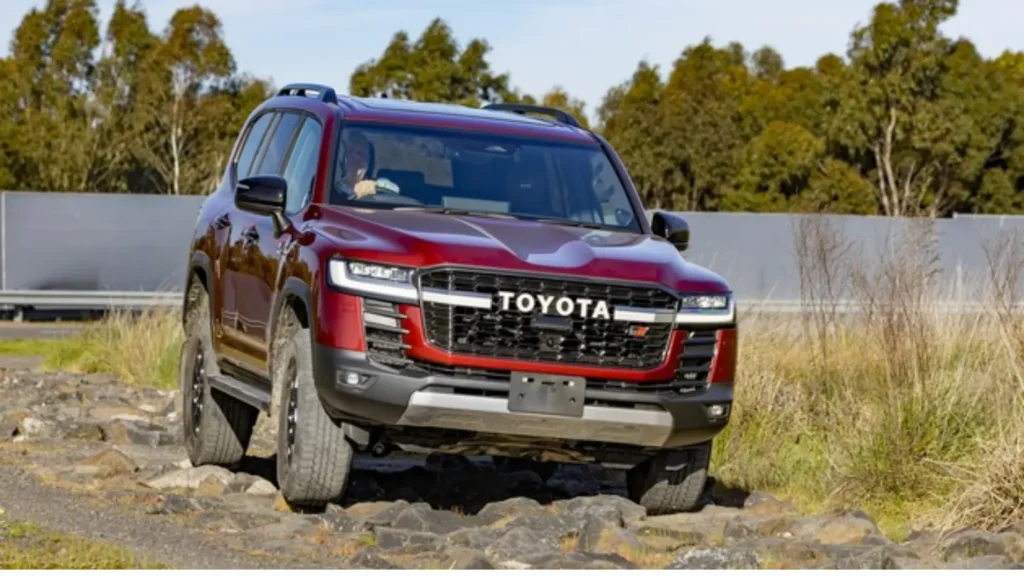
Toyota continues to offer diesel power in vehicles such as the HiLux, LandCruiser 300 Series and LandCruiser Prado. These models serve buyers who may prioritise towing capability, touring range and access to remote areas. The Prado and Isuzu D-Max, both offered exclusively with diesel engines in Australia, ranked ninth and 10th in September 2026 sales, respectively. However, their year-to-date sales were down 28.3 per cent and 12 per cent.
Toyota is also developing alternatives rather than relying solely on diesel. The battery-electric HiLux arrived in Australia in May 2026, while the company has confirmed plans to introduce a hydrogen fuel-cell HiLux locally in 2028. Hydrogen fuel-cell vehicles use hydrogen to generate electricity onboard, producing water during operation. However, their practical appeal will depend on factors including vehicle capability, running costs and the availability of refuelling infrastructure.
Toyota’s long-term diesel outlook remains uncertain
Toyota’s current position differs from comments made by former Australia sales chief Sean Hanley in 2025. Hanley suggested diesel could gradually disappear over the following decade, arguing that petrol vehicles could eventually deliver comparable versatility. He also identified hydrogen as a potential successor to diesel during the 2030s, provided infrastructure improved and the technology became more convenient and affordable.
Those comments were a forecast rather than a confirmed phase-out timeline. Toyota has not announced an end date for diesel vehicles in Australia. For now, the company’s message is that different powertrains will need to coexist as customer requirements change. Hybrid SUVs may appeal to buyers seeking lower fuel consumption in everyday driving, while electric vehicles offer another option for those whose driving patterns suit charging.
For regional Australians, however, vehicle choice is also shaped by distances between towns, access to charging or refuelling facilities, towing demands and the availability of suitable work vehicles. Toyota’s latest comments make clear that it intends to keep serving those customers while expanding its electrified lineup. Diesel’s long-term role may change, but the company does not believe rural Australia is ready to leave it behind.

Comments
New Comment