




Key takeaways
- Victoria Police wants roadside saliva tests expanded to detect cocaine following increased use.
- Current roadside tests screen for cannabis, methamphetamine and MDMA, but not cocaine.
- New South Wales already tests for cocaine, while Victoria needs legislative approval.
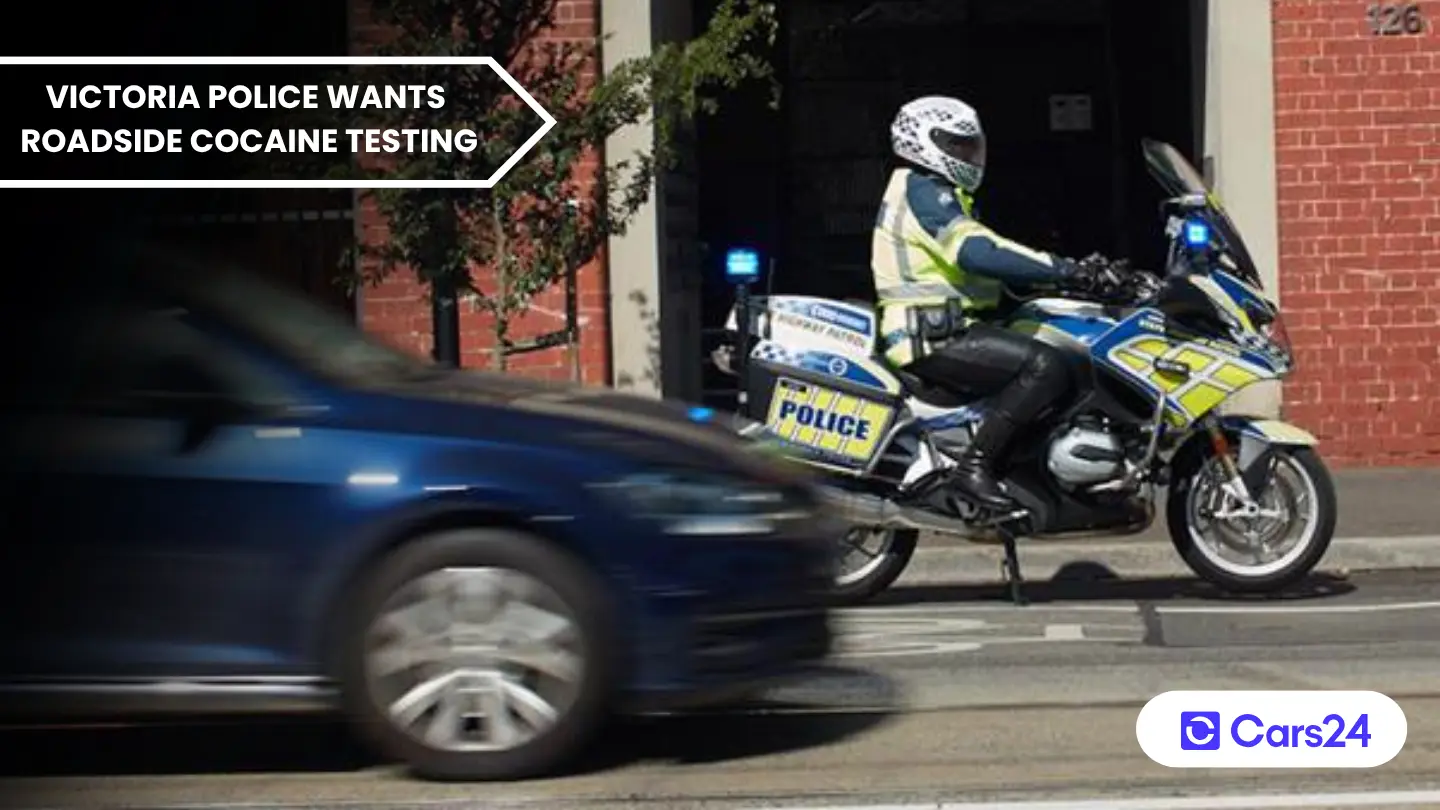
Victoria could soon join New South Wales in testing drivers for cocaine during roadside drug checks, with Victoria Police pushing to expand its existing saliva-testing programme. The police force has started the process of introducing cocaine detection, but the proposal still needs political support and legislative changes before it can become reality.
Victoria Police Assistant Commissioner Mick Hermans said rising cocaine and ketamine use had prompted the force to reconsider which substances should be included in roadside drug testing.
Speaking to Melbourne radio station 3AW, Hermans said cocaine use had increased enough to warrant more consistent roadside screening. However, he clarified that cocaine testing was further along in the process than ketamine detection.
“Certainly cocaine. Ketamine is not at that level yet,” Hermans said.
The proposal would expand the range of drugs detected during routine roadside saliva tests, although no implementation date or confirmed testing arrangements have been announced.
Read more: AI-powered pothole detection ute takes to Victorian roads
Which drugs can Victoria Police currently test for?
Victoria Police currently conducts roadside saliva tests to detect three drugs.
These include:
- Cannabis
- Methamphetamine, also known as speed, meth or ice
- MDMA, commonly known as ecstasy
Police conduct hundreds of thousands of roadside saliva tests every year, according to Hermans.
However, cocaine is not currently included in Victoria’s routine roadside saliva-testing programme. Introducing it would give officers another way to identify drivers who may be operating a vehicle after using the drug.
Victoria Police has also raised concerns about ketamine use, but Hermans indicated that adding the substance to roadside testing was not yet at the same stage as cocaine.
Why does Victoria want to introduce cocaine testing?
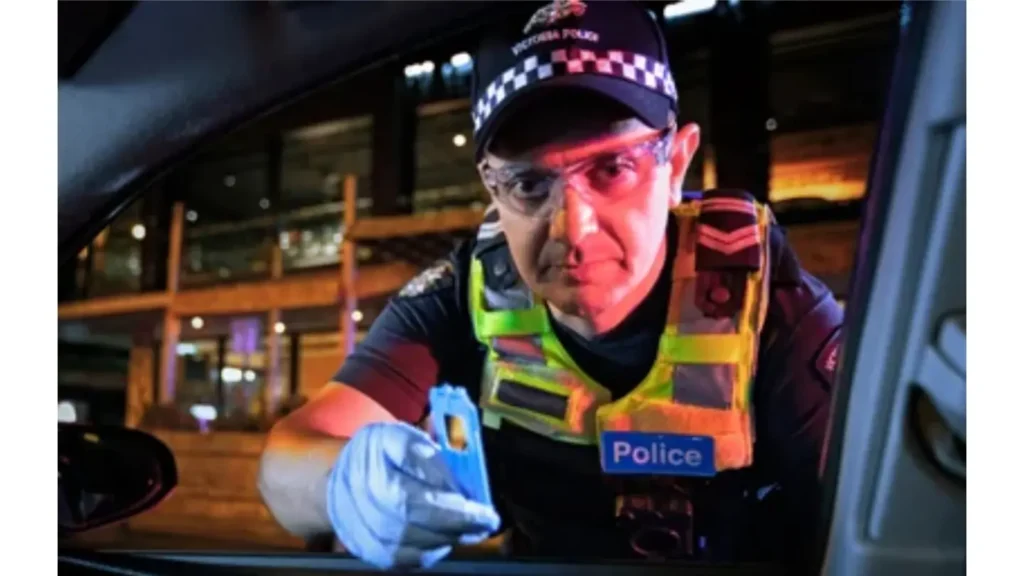
The push comes as police report an increase in cocaine and ketamine use.
Historically, detections of these substances through existing police testing processes have been relatively low. However, Hermans said the changing pattern of drug use had strengthened the case for expanding roadside screening.
Victoria Police already has another way to identify cocaine use through blood testing, but this is generally associated with more involved police procedures.
A blood test can follow a crash or a driver impairment assessment (DIA). During a DIA, officers assess whether a driver may be impaired, with a blood test required where their observations warrant further investigation.
Hermans said Victoria Police had conducted only around 200 such assessments this year, compared with the hundreds of thousands of routine roadside saliva tests.
Of the tests discussed, 85 per cent detected drug use, while 8 per cent returned a positive result for cocaine, according to the figures reported by police.
The figures highlight why police want cocaine included in routine roadside screening rather than relying on more involved testing procedures.
Why does the proposal need government approval?
Victoria Police cannot introduce cocaine testing through operational changes alone.
The proposal requires new or amended legislation to pass through the Victorian Parliament. That means the decision ultimately rests with the state government and elected representatives.
The timing is also complicated by Victoria’s upcoming state election on 28 November 2026. The government and public institutions are currently operating under caretaker conventions, limiting major government decisions until after the election.
Hermans said Victoria Police wanted the proposed change included in the next legislative reform agenda, but acknowledged that the agenda would be determined by the incoming government.
The police force wants whichever party forms government to consider the proposal.
No legislation has been confirmed, and there is currently no announced date for the introduction of roadside cocaine testing.
How does Victoria compare with other Australian states?
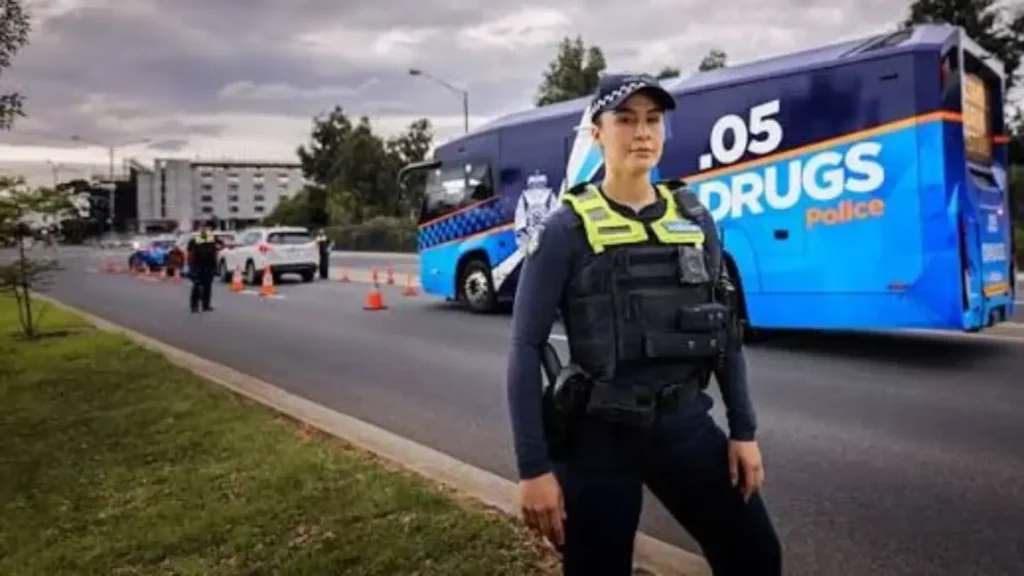
Victoria would not be the first Australian state to introduce roadside cocaine screening.
New South Wales already includes cocaine in its roadside saliva-testing programme, giving police another substance to screen for during routine traffic enforcement.
South Australia has also been moving towards introducing roadside cocaine testing, with police announcing plans to expand their drug-driving detection capabilities.
For Victorian motorists, the proposed change would bring the state’s roadside testing arrangements closer to those already operating in neighbouring jurisdictions.
However, the exact testing procedures, implementation timeline and any changes to roadside enforcement would need to be confirmed by Victoria Police and the state government.
What it means for Australian drivers
For Victorian motorists, the immediate position remains unchanged. Routine roadside saliva tests currently screen for cannabis, methamphetamine and MDMA, not cocaine.
However, drivers should not interpret the absence of cocaine from the routine saliva-testing panel as permission to drive after using the drug. Police already have other testing powers, including blood testing in relevant circumstances.
If the proposal receives parliamentary support, cocaine could become another substance detected through routine roadside screening.
For drivers travelling between Victoria and New South Wales, the difference in roadside testing arrangements is also worth understanding. NSW already tests for cocaine, while Victoria is still working towards the change.
The next step will depend on the incoming Victorian government and whether it gives the proposed legislation a place on its reform agenda.
For now, cocaine testing at Victorian roadside stops remains a proposal rather than an approved change to the state’s drug-driving enforcement rules.

Comments
New Comment