




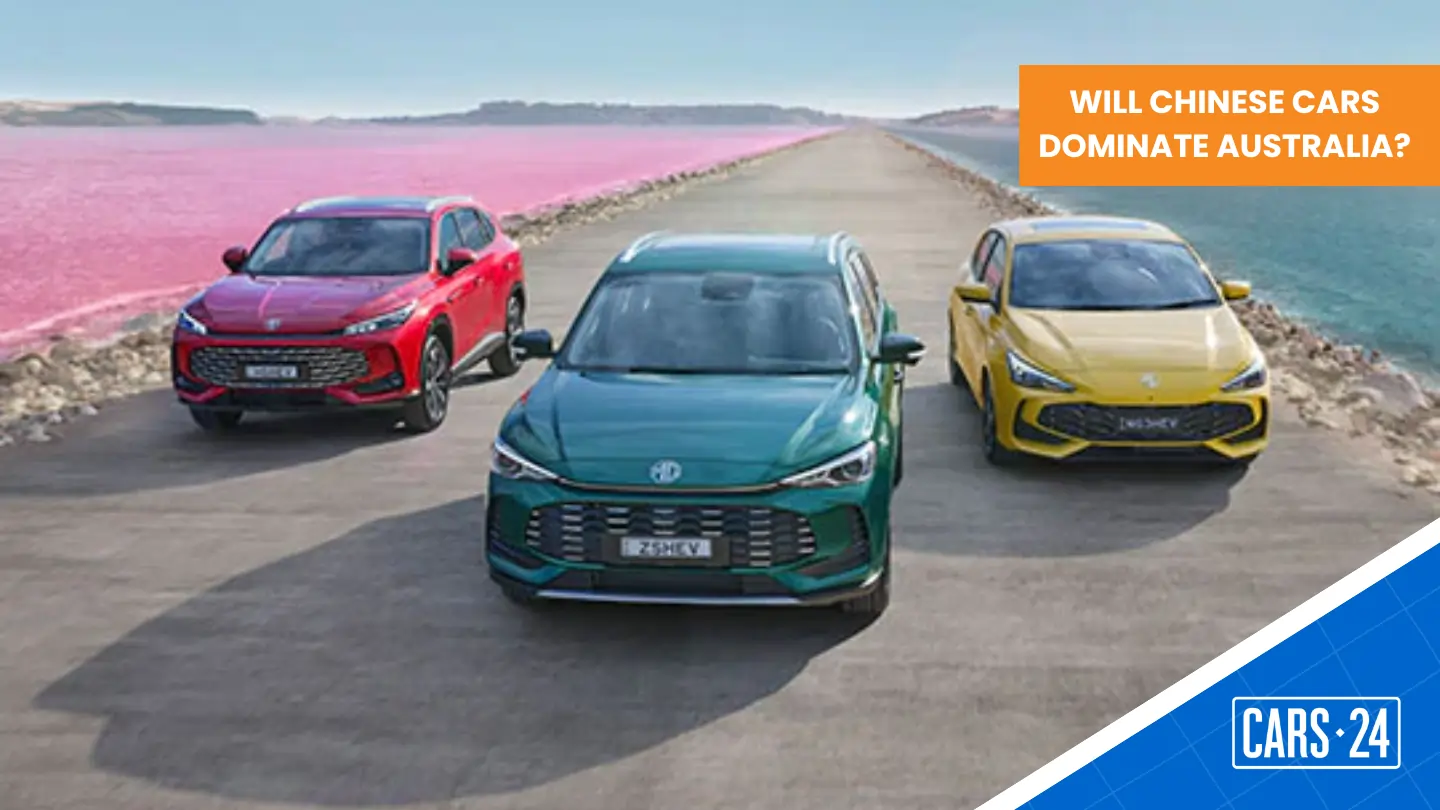
If you’ve been car shopping recently, you’ve probably noticed more and more Chinese-made cars hitting our roads. From MG to BYD, GWM to Chery, these brands are shaking up the market with sharp pricing, long feature lists, and increasingly solid reputations.
But a new report suggests this is only the beginning. By 2035, nearly half of all cars imported into Australia could be made in China. That’s a massive shift from today, where Japan, South Korea, and Thailand dominate the charts as vehicle importers.
So, what does this “Chinese car tsunami” mean for you as a buyer, seller, or someone thinking about resale value? Let’s break it down.
Why are Chinese cars taking over Australia?
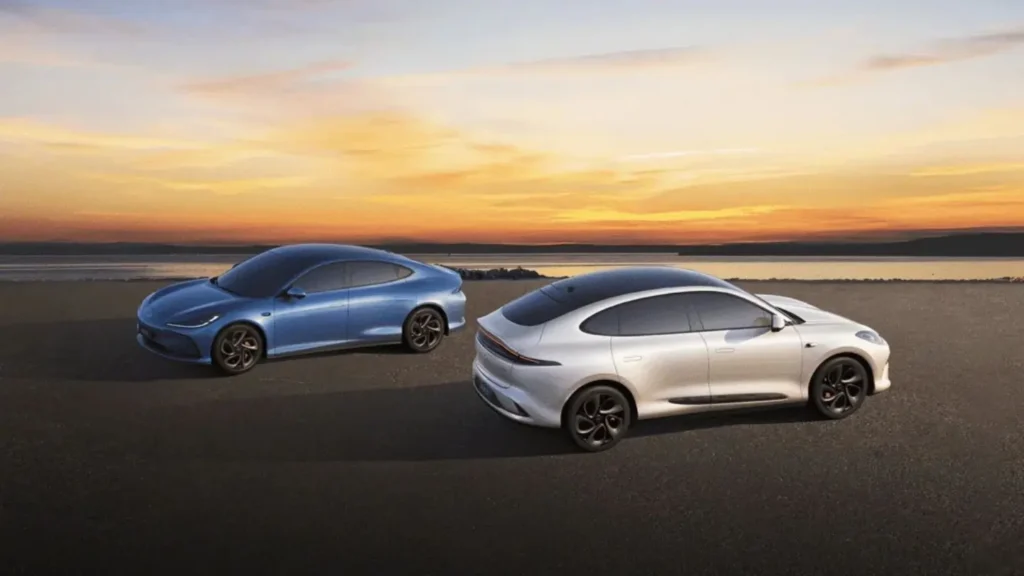
For years, Chinese cars were dismissed as cheap and unsafe. They couldn’t compete with trusted names like Toyota, Mazda, or Ford. But times have changed:
- Better quality – Modern Chinese cars now meet Australian safety standards and offer the same level of driving comfort as many Japanese and European rivals.
- Packed with features – heated seats, panoramic sunroofs, large infotainment screens, and driver-assist tech, all at prices that undercut the competition.
- Value for money – A Chinese SUV can often cost $10,000–$15,000 less than an equivalent model from a Japanese carmaker.
- Faster innovation – Chinese manufacturers can develop and release new models in nearly half the time of US or European brands.
With cost-of-living pressures already hitting Aussie households, it’s no surprise more drivers are considering Chinese options.
The hidden risks of buying a Chinese car

Price and features might look appealing today, but as car expert Paul Maric points out, buyers should tread carefully. Why?
- Brand uncertainty – China has over 100 car brands, but not all will survive till the next decade. Some might exit Australia if sales slump, leaving owners stranded.
- Parts and servicing – If a brand disappears, you could struggle to find spare parts or warranty support.
- Resale value risk – A brand-new Chinese car might look like a bargain, but if the company folds, resale prices could plummet. Selling your car later could become a real challenge.
- Long-term reliability – Some brands have only existed for a few years, so their long-term performance in Aussie conditions isn’t proven yet.
In short, you might save money up front, but think about what happens when it’s time to resell.
What does this mean for car resale values?
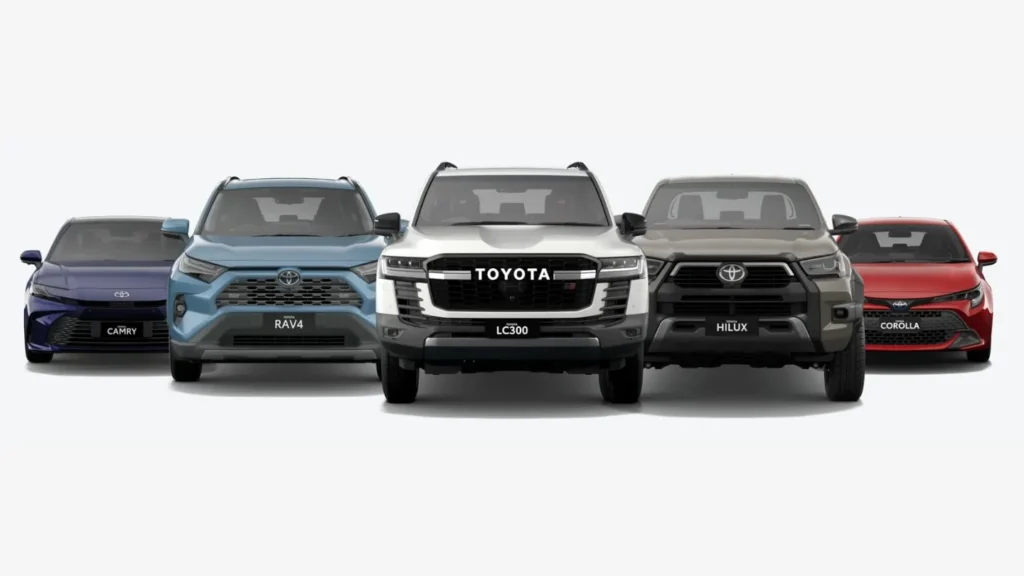
At Cars24, we get a front-row seat to see how brand strength impacts resale. Popular names like Toyota, Mazda, and Hyundai tend to hold value better because buyers trust them. New or lesser-known Chinese brands may struggle until they establish the same reputation.
Here’s what to keep in mind:
- Established Chinese brands (MG, BYD, GWM) are building confidence. Their resale values are improving as demand grows.
- New entrants (Chery, JAC, Haval, etc.) may look cheap now, but resale value depends on whether they can stick around in the long run.
- Luxury Chinese EVs might struggle initially, as Aussies still trust European brands more in the premium space.
If you plan to keep a car for 7–10 years, this risk may not be as significant. However, if you’re likely to sell or upgrade within 3–5 years, resale value becomes a significantly larger consideration.
More competition, better deals
It’s not all warnings. A surge of Chinese imports could benefit Aussie car buyers in a big way:
- Lower prices overall – Japanese, Korean, and European brands may be forced to cut prices to stay competitive.
- More choice – Expect dozens of new models across every segment: hatchbacks, SUVs, EVs, utes, and even luxury cars.
- Faster EV adoption – With BYD, MG, and others offering affordable electric vehicles, Chinese brands could make EV ownership realistic for more Aussies.
So, while there are risks, the increased competition is a win for consumers.
Cars24 advice: Buy cautiously
Thinking of buying a Chinese car? Here are a few practical tips to protect yourself:
- Do your research – Stick to brands with a growing reputation in Australia, like MG, BYD, and GWM.
- Check after-sales support – Make sure the brand has a solid dealer network and clear warranty terms.
- Think resale early – If you plan to upgrade in a few years, consider how the brand is perceived and how CARS24 can help you sell quickly if demand drops.
- Don’t ignore traditional brands – With Chinese cars pushing prices down, Japanese and Korean models may soon become more affordable too.
Final word
The rise of Chinese cars in Australia is inevitable. By 2035, they could account for nearly half of all imports, changing the look of our roads, our purchasing choices, and even the used car market.
For buyers, this means more choice and sharper prices, but also bigger questions about resale value and long-term support.
At CARS24, our advice is simple: enjoy the value, but choose wisely. A bargain today shouldn’t become a burden tomorrow.
Comments
New Comment