




Key highlights:
- Zurich now considers Tesla FSD subscriptions for insurance premiums
- Reported customer savings range from $7 to around $150
- FSD v14 Lite to arrive for older Australian Hardware 3 Teslas
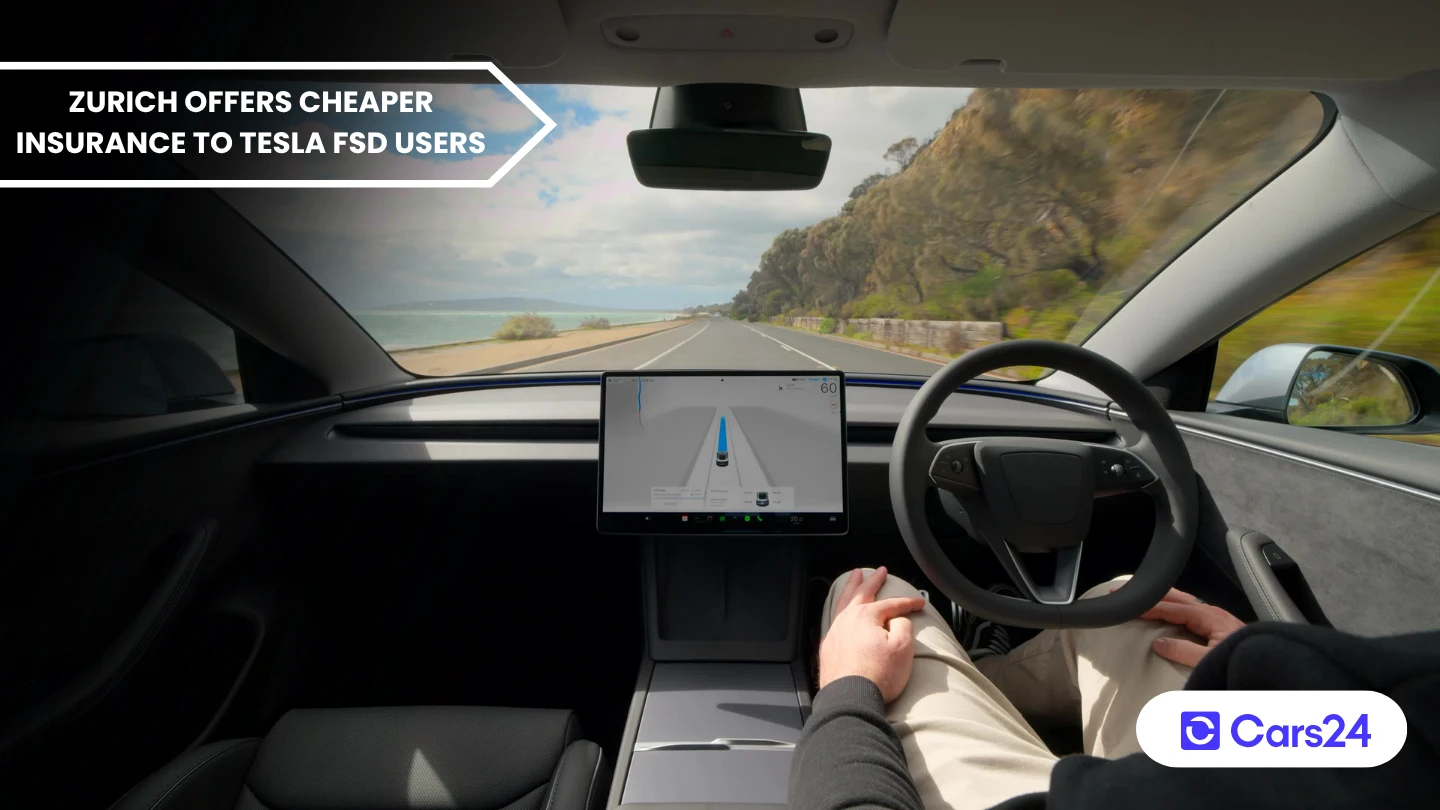
Tesla owners in Australia can now get their Full Self-Driving (Supervised) subscription considered when Zurich calculates their insurance premium, as the insurer says the technology’s claimed reduction in collision risk could help some owners secure cheaper cover. The actual cost saving will vary between customers.
Zurich brings FSD into insurance pricing
Zurich has become the first insurer outside the US to offer FSD-linked insurance pricing, and through its InsureMyTesla product, owners can declare an active FSD (Supervised) subscription when requesting a quote.
Zurich may then offer a lower premium based on the reduced risk it associates with supervised self-driving.
Tesla Insurance and Lemonade already factor FSD use into insurance pricing in the United States.
Zurich product manager David Toma said, “This is a really exciting milestone, both for Tesla owners who are rapidly adopting this FSD (Supervised) technology, and for Zurich as the first insurer in Australia to actively lean into this space.”
“The data shows that drivers using this technology are involved in far fewer accidents, so it’s important they can access insurance that reflects this lower risk.”
How much could Tesla owners save?
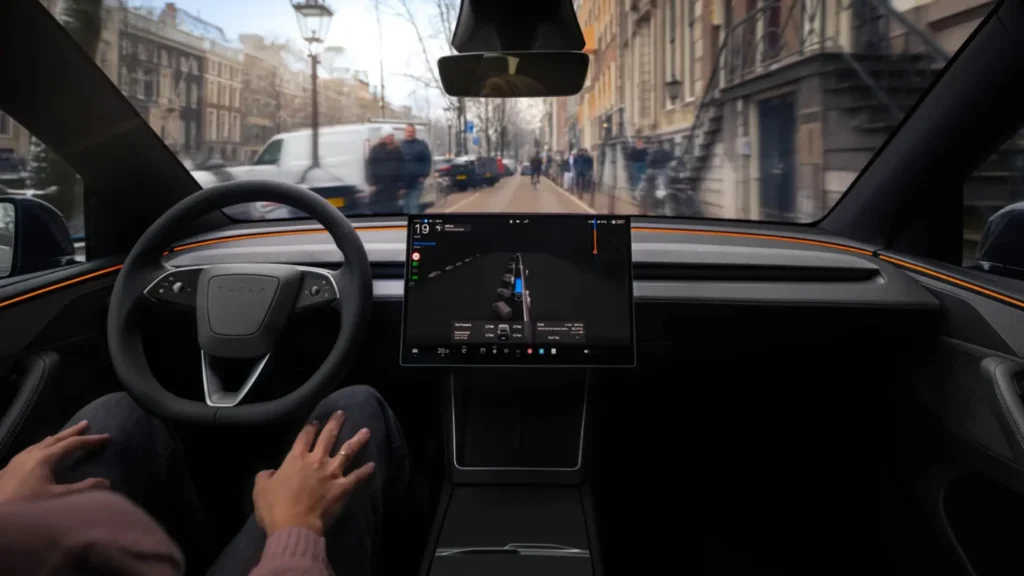
Zurich hasn’t provided a fixed saving but said customers could receive a more affordable cost due to the reduced risk associated with supervised self-driving.
Some Tesla owners have reported larger differences between quotes, while others have seen only a small change, from around $7 to $150.
Also read: Second-gen Tesla Roadster reveal finally confirmed for Oct 1
Why Zurich considers FSD a lower risk
Zurich based the change on Tesla’s collision data and its claim that vehicles using FSD (Supervised) experience seven times fewer major or minor collisions compared with regular EVs.
Tesla’s North American assessment found vehicles travelled an average of 9.16 million kilometres between major collisions while FSD (Supervised) remained engaged.
The dataset covered about 11.5 billion kilometres of FSD driving and recorded 1255 major collisions.
How Tesla defines a collision
Tesla uses specific criteria to separate major and minor collisions:
- Major collision: An airbag or another non-reversible pyrotechnic restraint, such as a seatbelt pretensioner, deploys
- Minor collision: Those restraints don’t deploy, but the vehicle experiences a velocity change of at least 8km/h within 150 milliseconds
Tesla counts FSD (Supervised) as involved in a collision if the system operated at any point during the five seconds before the impact. That still applies if FSD disengaged or the driver took control before the collision.
ANCAP hasn’t separately tested FSD
Independent safety authority ANCAP hasn’t separately assessed FSD (Supervised), but the safety body’s 2026 protocols put greater emphasis on advanced driver-assistance systems and driver monitoring.
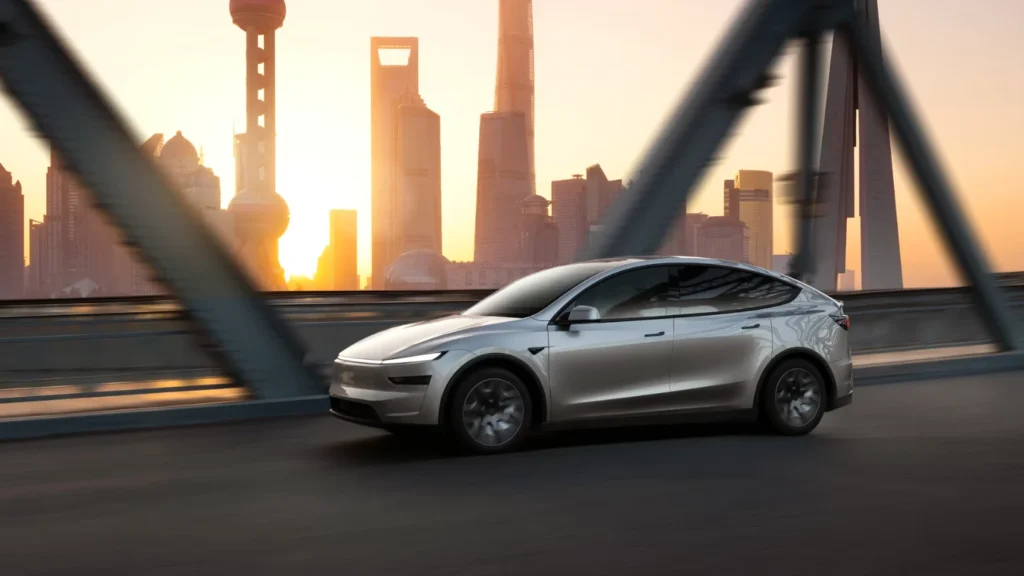
The Model Y, including the recently introduced three-row Model Y L, and the Model 3 both carry five-star ANCAP safety ratings, regardless of whether owners subscribe to FSD (Supervised).
FSD arrived in Australia in 2025
Tesla launched FSD (Supervised) in Australia in September 2025 for compatible Model Y SUVs and Model 3 sedans equipped with Hardware 4 or AI4.
Tesla says Australian and New Zealand owners covered more than one million kilometres using FSD (Supervised) within two weeks of its launch.
Australian customers have since driven more than 132 million kilometres with the system engaged.
Interestingly, Tesla has confirmed it is developing an Australian version of FSD v14 Lite for older vehicles equipped with Hardware 3, which includes many pre-facelift Model 3 and Model Y vehicles.
Tesla hasn’t announced a local release date yet.
The Tesla Model Y has also posted strong sales results, and it ranked as Australia’s top-selling new vehicle in August 2026, after also taking the top spot in May and June.

Comments
New Comment