




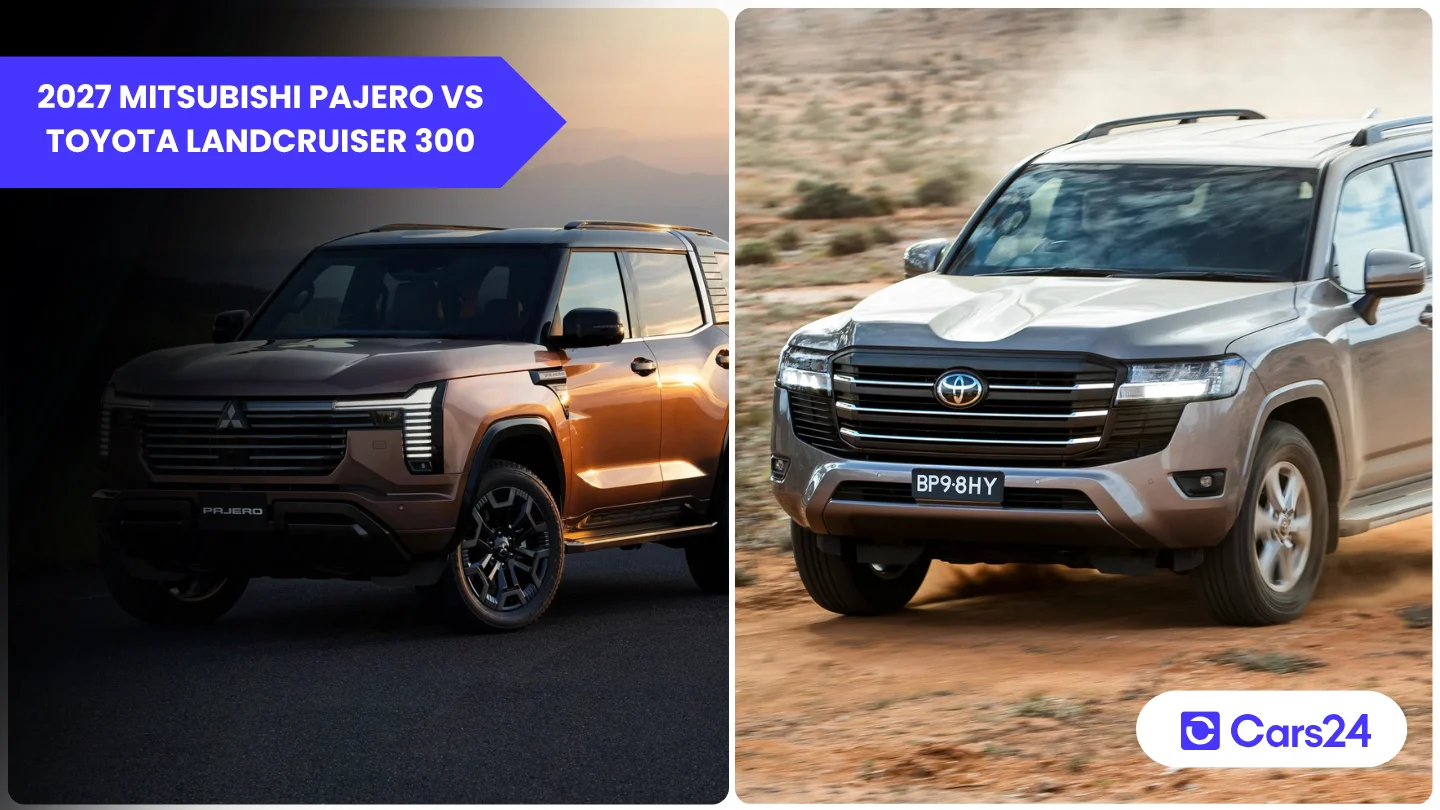
Key highlights:
- LC300 uses a twin-turbo V6 diesel; Pajero uses a smaller 4-cyl turbo-diesel engine
- Pajero is cheaper to maintain and run with 10-year complimentary road assistance
- LC300 is wider and taller than the new Pajero with longer diesel range
Mitsubishi engineers openly used the Toyota LandCruiser 300 and Nissan Patrol as key performance and capability benchmarks during Pajero’s global development, and the more premium 2027 Mitsubishi Pajero has the capability to lure buyers away from the base and mid-spec LandCruiser 300 variants.
The new Pajero uses a ute platform, but it has grown to a full-size, five-door three-row layout exceeding 4.9 metres in length, bringing its physical presence much closer to a traditional upper-large 4WD.
The updated Toyota LandCruiser 300 belongs to the SUV Upper Large segment and is a full-sized, heavy-duty 4WD powered by a V6 twin-turbo engine. Buyers wanting to save some money may consider the high-spec, feature-packed Pajero Exceed against the base, high-capability LC300 GX.
Read the detailed 2027 Mitsubishi Pajero vs. 2027 Toyota LandCruiser 300 comparison below:
Mechanicals and performance
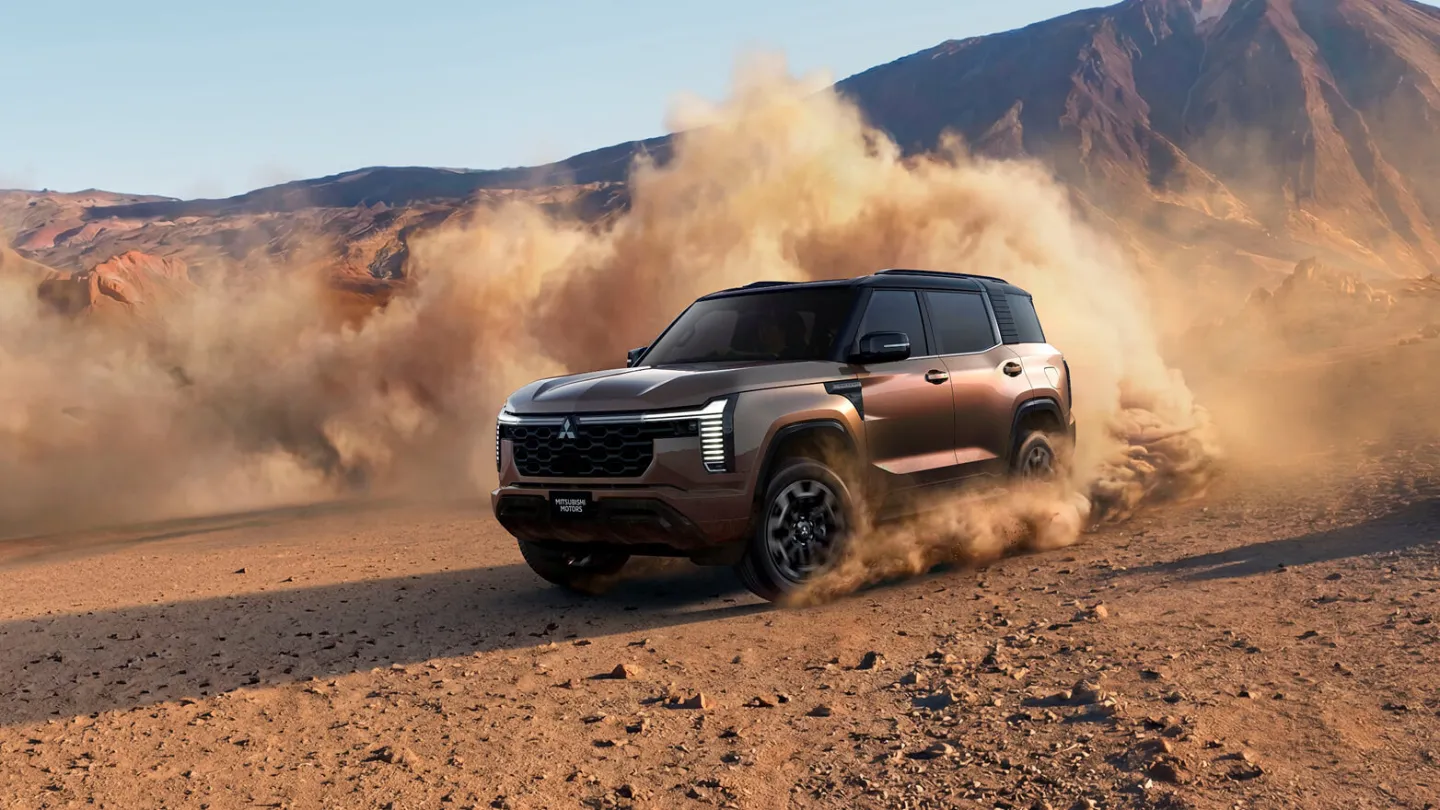
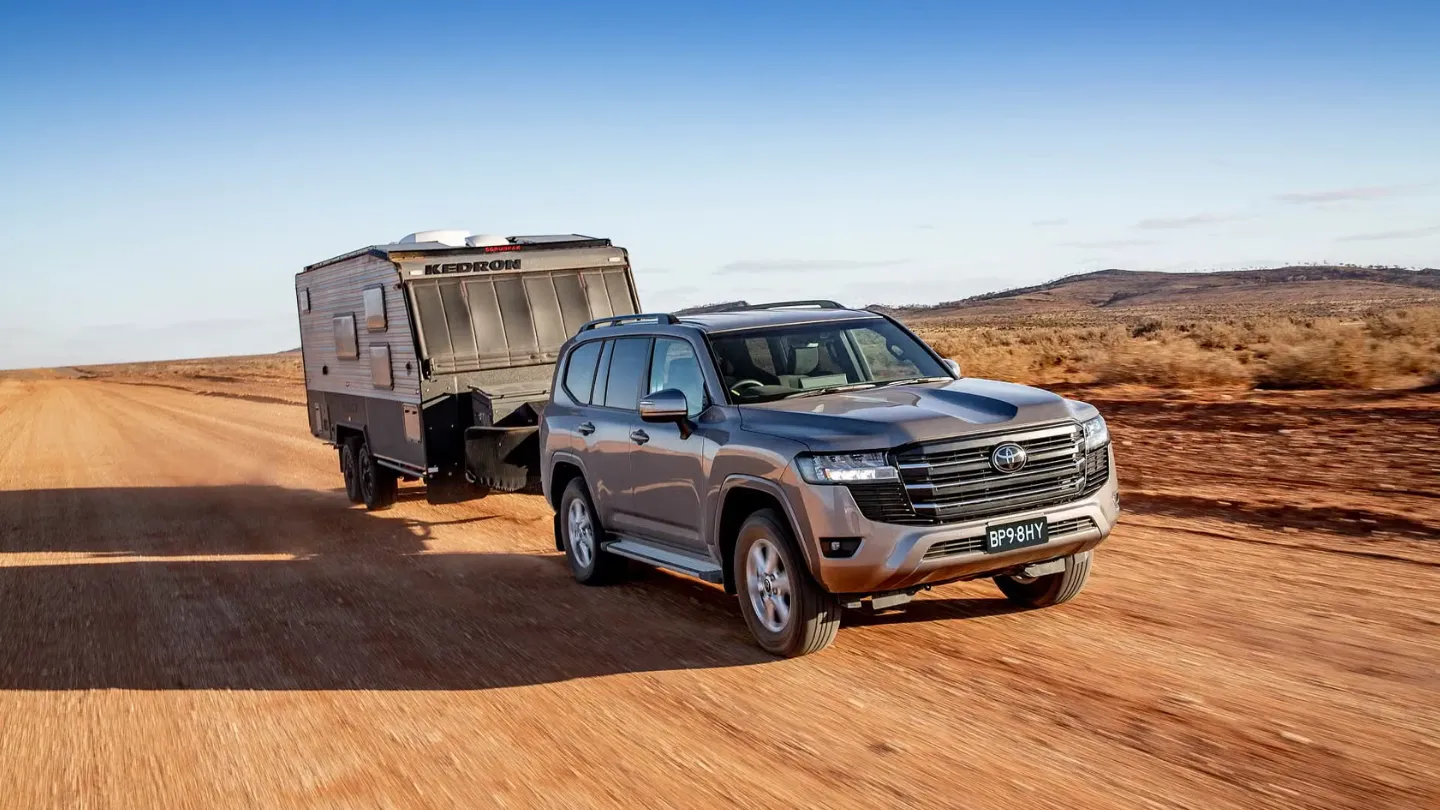
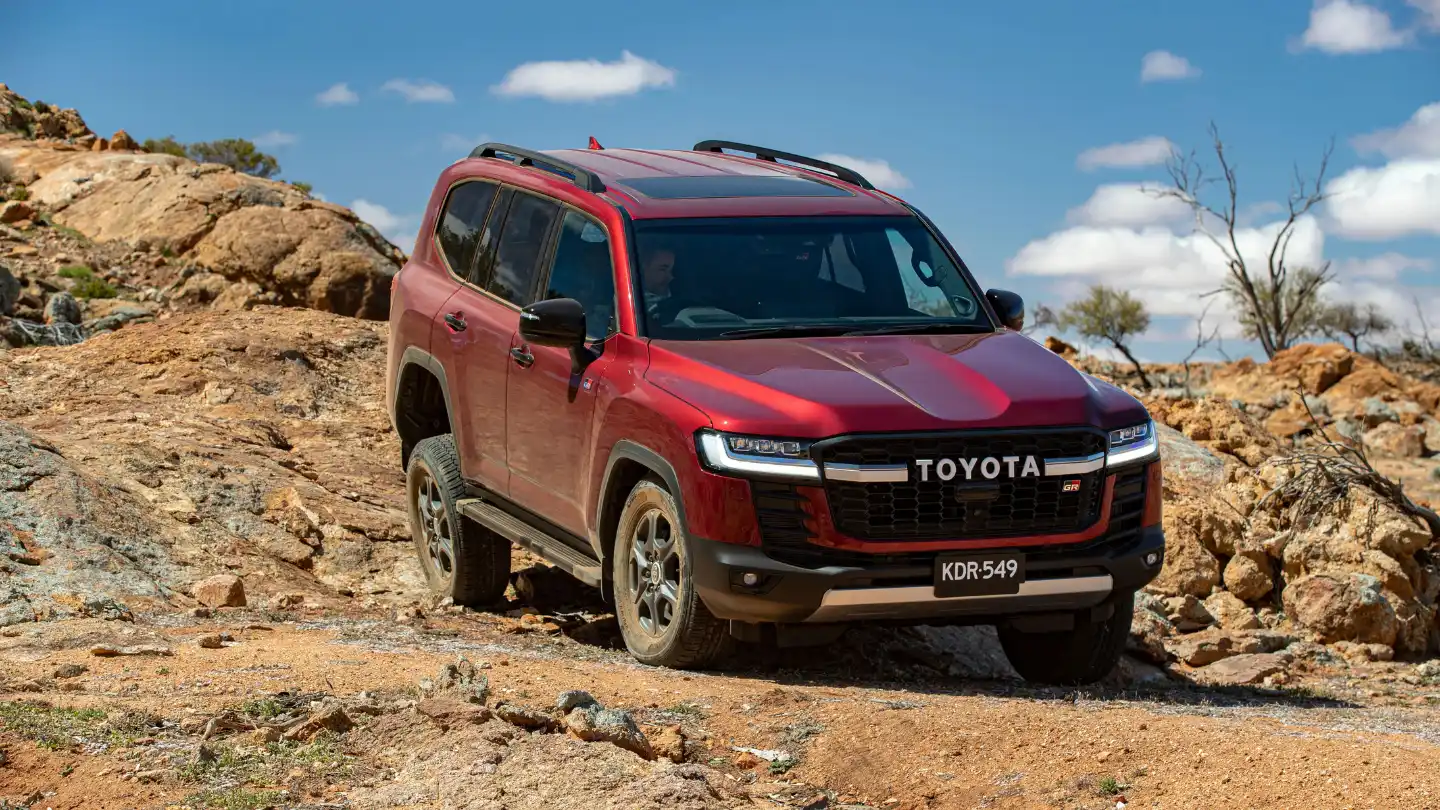
2027 Mitsubishi Pajero features a highly capable diesel powertrain but is a more compact and efficiency-focused alternative compared to the high-output diesel engine found in the Toyota Land Cruiser 300.
The Pajero’s smaller engine is designed to minimise lag down low, making it a highly responsive, cost-effective daily driver and long-distance highway tourer. The LC300’s hot-V twin-turbo V6 engine is built for heavy-duty workloads, and its massive 700Nm torque wave hits low down in the rev range, from 1,600 rpm, allowing it to speed smoothly uphill or when overtaking while fully loaded.
| Specification | 2027 Mitsubishi Pajero | 2027 Toyota LandCruiser 300 |
|---|---|---|
| Engine | 2.4L 4-cylinder turbo-diesel | 3.3-litre V6 twin-turbo diesel |
| Combined output | 150kW / 480Nm | 227kW / 700Nm |
| Drivetrain | Super Select 4WD-II | Full-time 4WD |
| Transmission | 8-speed AT | 10-speed AT |
| Braked towing capacity | 3500kg | 3500kg |
Both platforms deliver a maximum 3,500kg braked towing capacity.
Both vehicles route their diesel torque through dedicated low-range transfer cases and provide locked centre differentials and ultra-low crawl gearing for scaling extreme terrain. The two Japanese models avoid complex high-voltage hybrid electronics at launch and rely on pure diesel capability to provide dependable, long-distance remote touring autonomy across outback Australia.
Dimensions and capacity
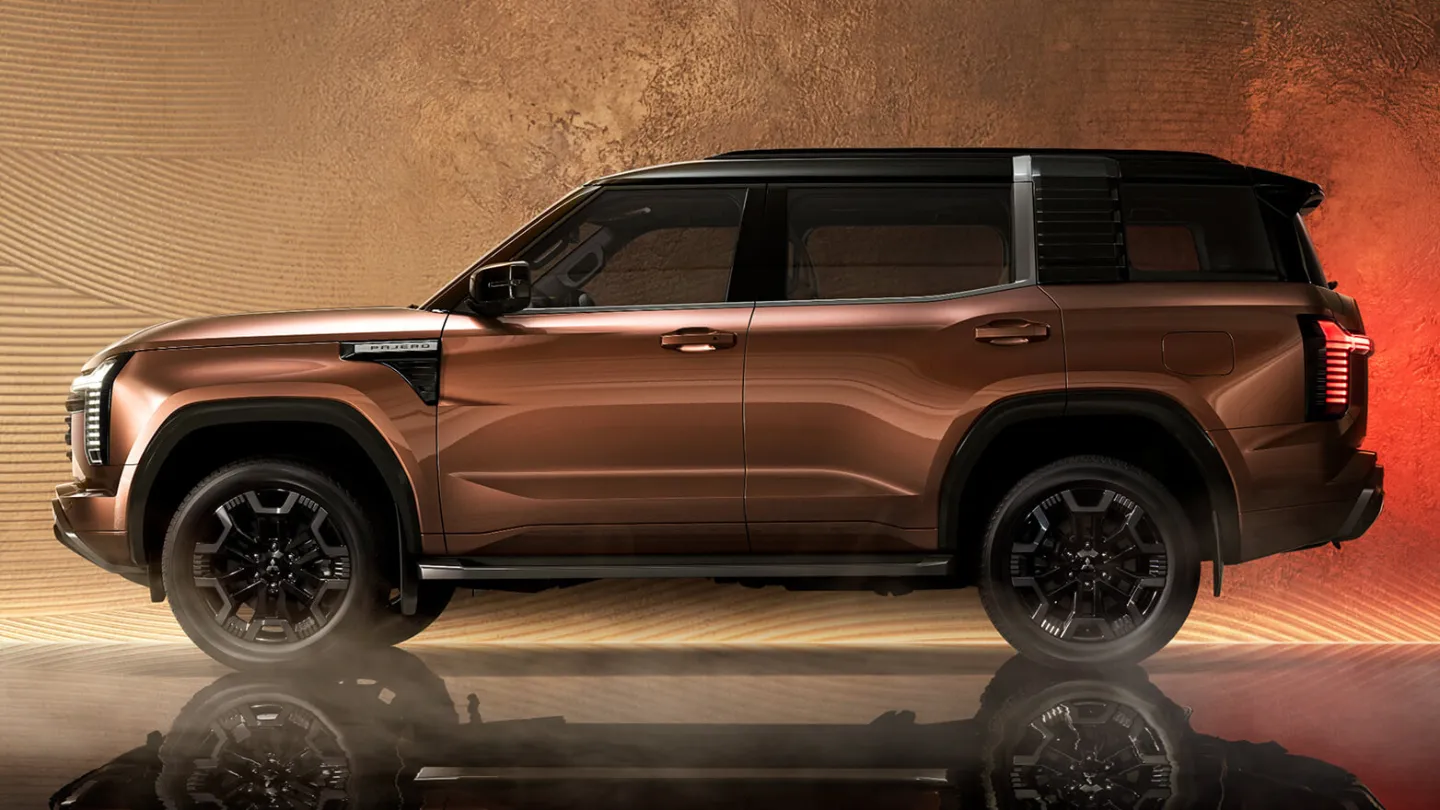
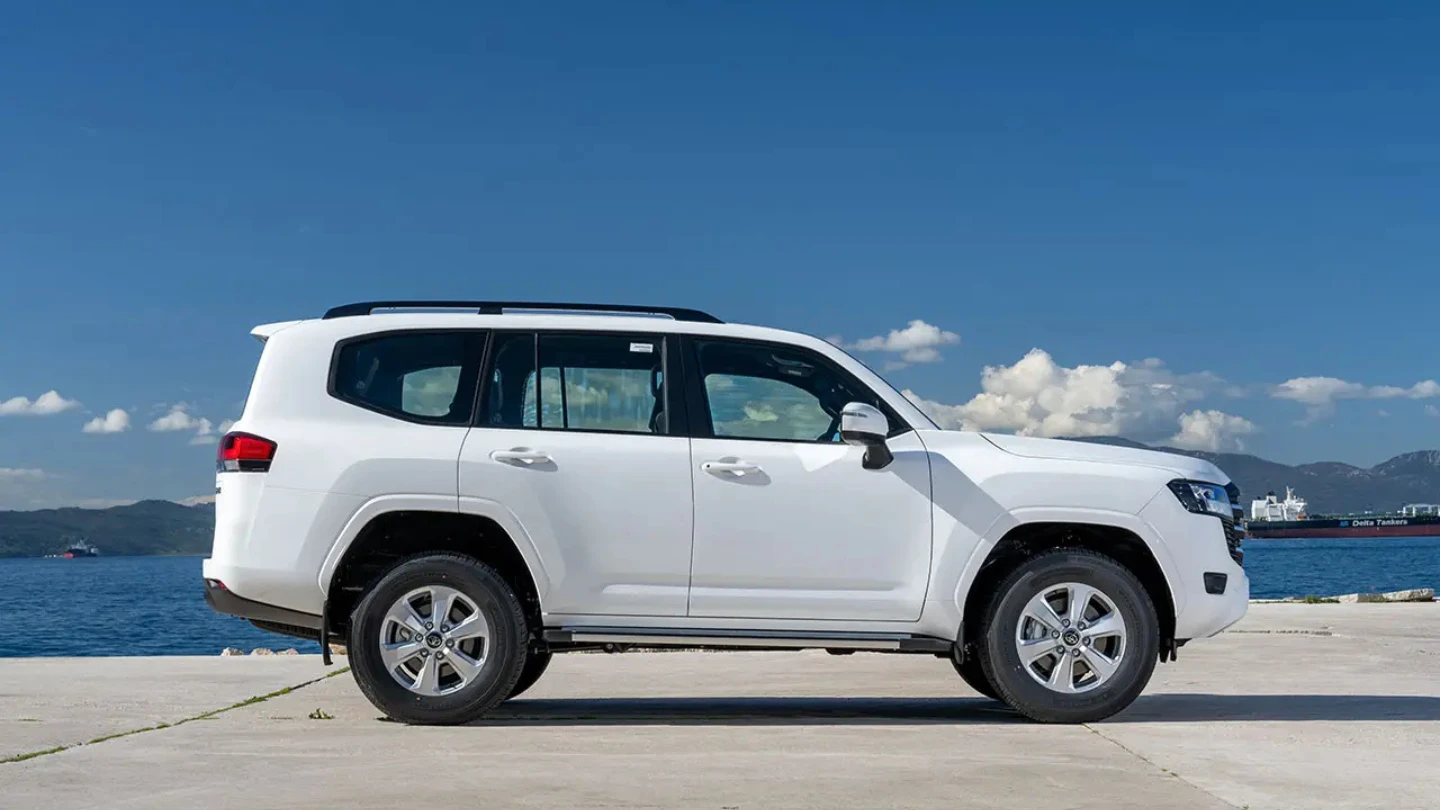
Interestingly, despite being the smaller vehicle overall, the new Pajero actually boasts a longer wheelbase. The LandCruiser 300 presents a noticeably broader, stockier stance, whereas the Pajero utilises its length to maximise interior cabin space on a slightly narrower layout.
| Dimension | 2027 Mitsubishi Pajero | 2027 Toyota LandCruiser GX |
|---|---|---|
| Length | 4920mm | 4980mm |
| Width | 1925mm | 2000mm |
| Height | 1910mm | 1950mm |
| Wheelbase | 2870mm | 2850mm |
| Boot space | To be confirmed | 7-seat: 175L 1004L (3rd row folded) 1967L (2nd and 3rd folded) |
Exterior design
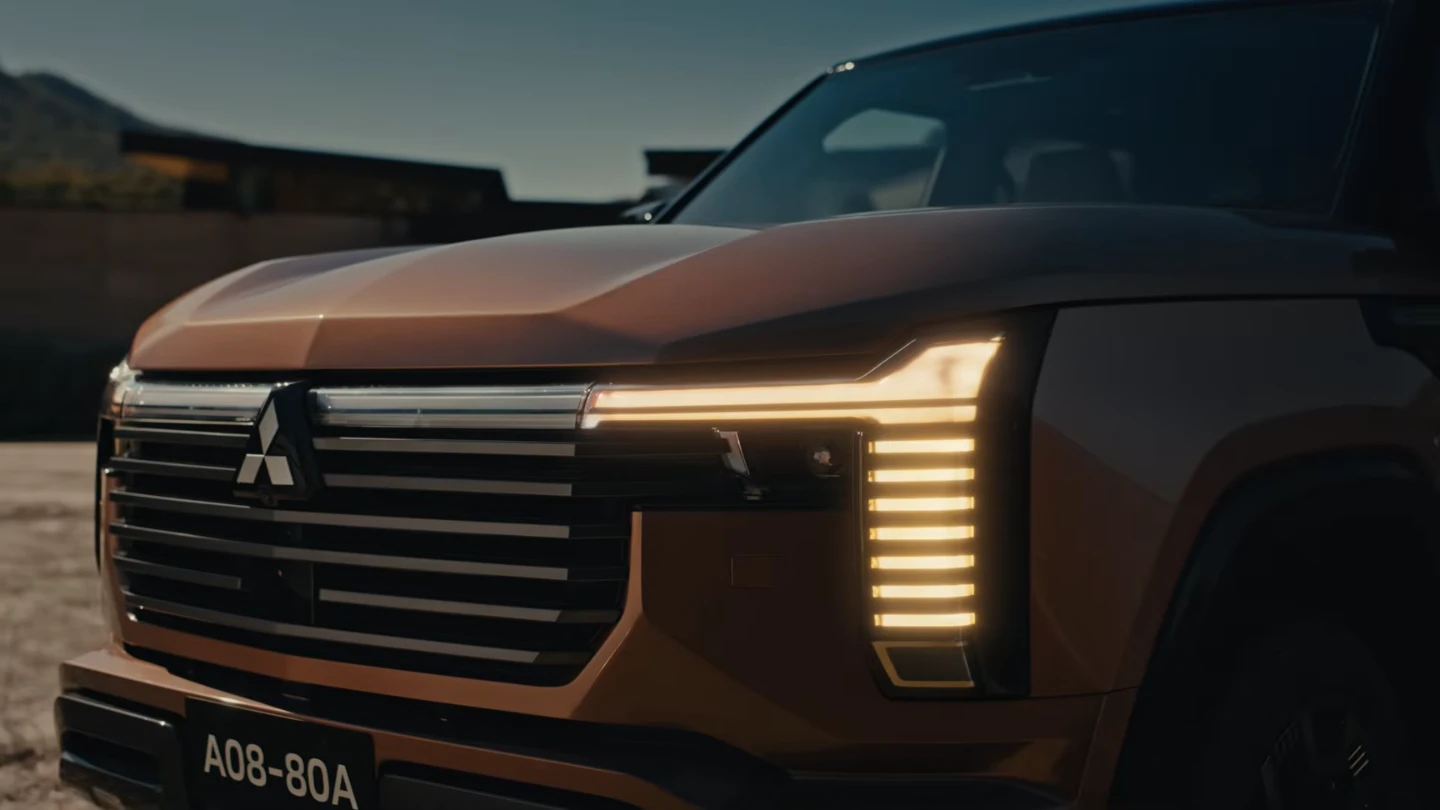
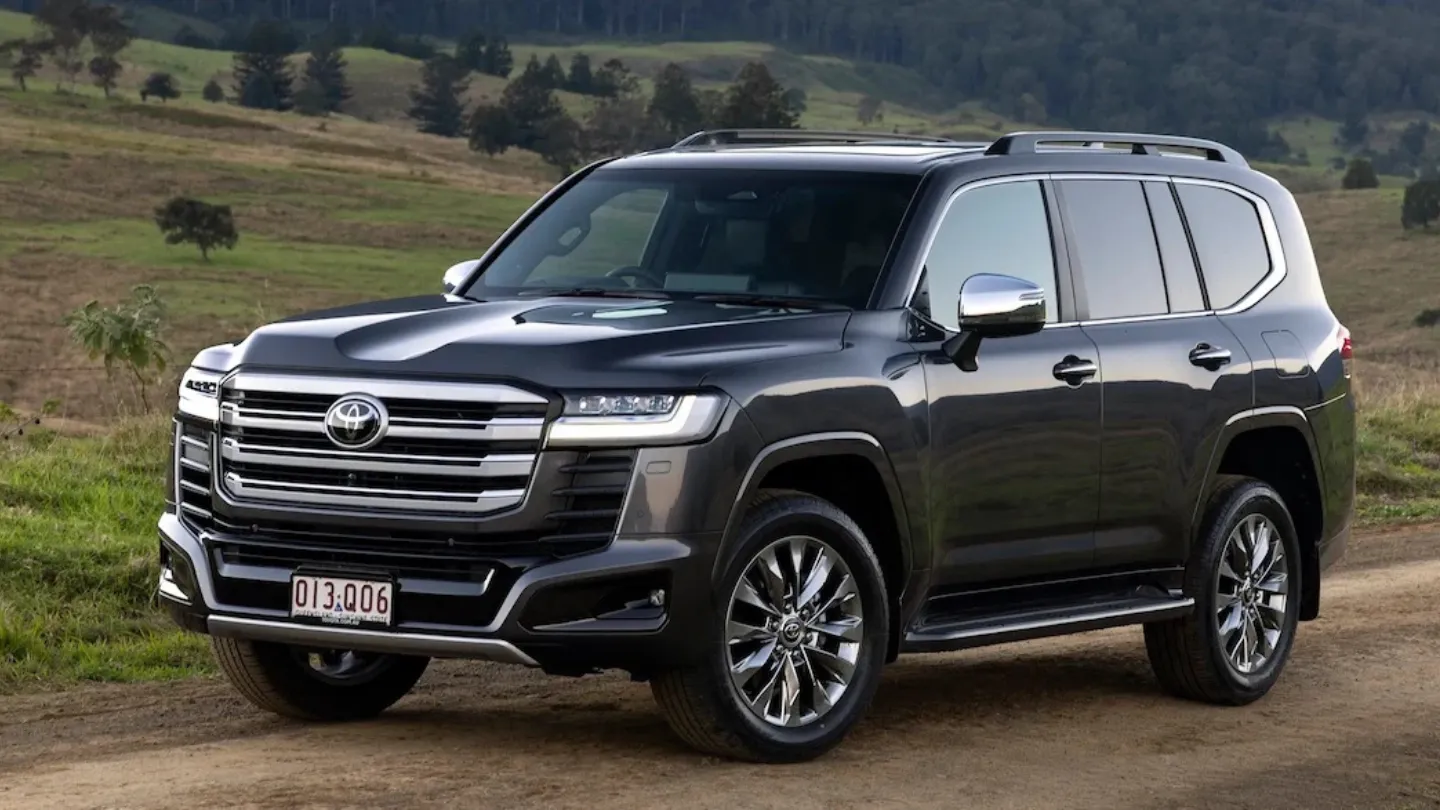
The redesigned fifth-generation Pajero embraces a geometric theme that shares architectural philosophies with the Toyota LandCruiser 300 Series, while asserting its own heritage-focused visual identity.
The 2027 Pajero has a more aggressive front design than the LC300’s heavy-set rectangular block grille, flanked by thick U-shaped cooling vents in the lower bumper to project raw size.
The Pajero debuts T-shaped LED headlight assemblies, but the LC300 maintains a more traditional look, employing clean, high-mounted rectangular triple-LED housings.
The LandCruiser 300 adopts uniform, body-colored pillars with an upright window frame that maximises visibility across all three passenger rows, while the new Pajero adopts a floating roof design.
Despite their distinct brand styling, the two 4WDs have traditional boxy proportions, flared off-road fenders, and a clean tailgate layout.
Also read: 2027 Nissan Patrol Y63 Australia price announced: Cheaper than Toyota Land Cruiser
Interior, technology, and comfort
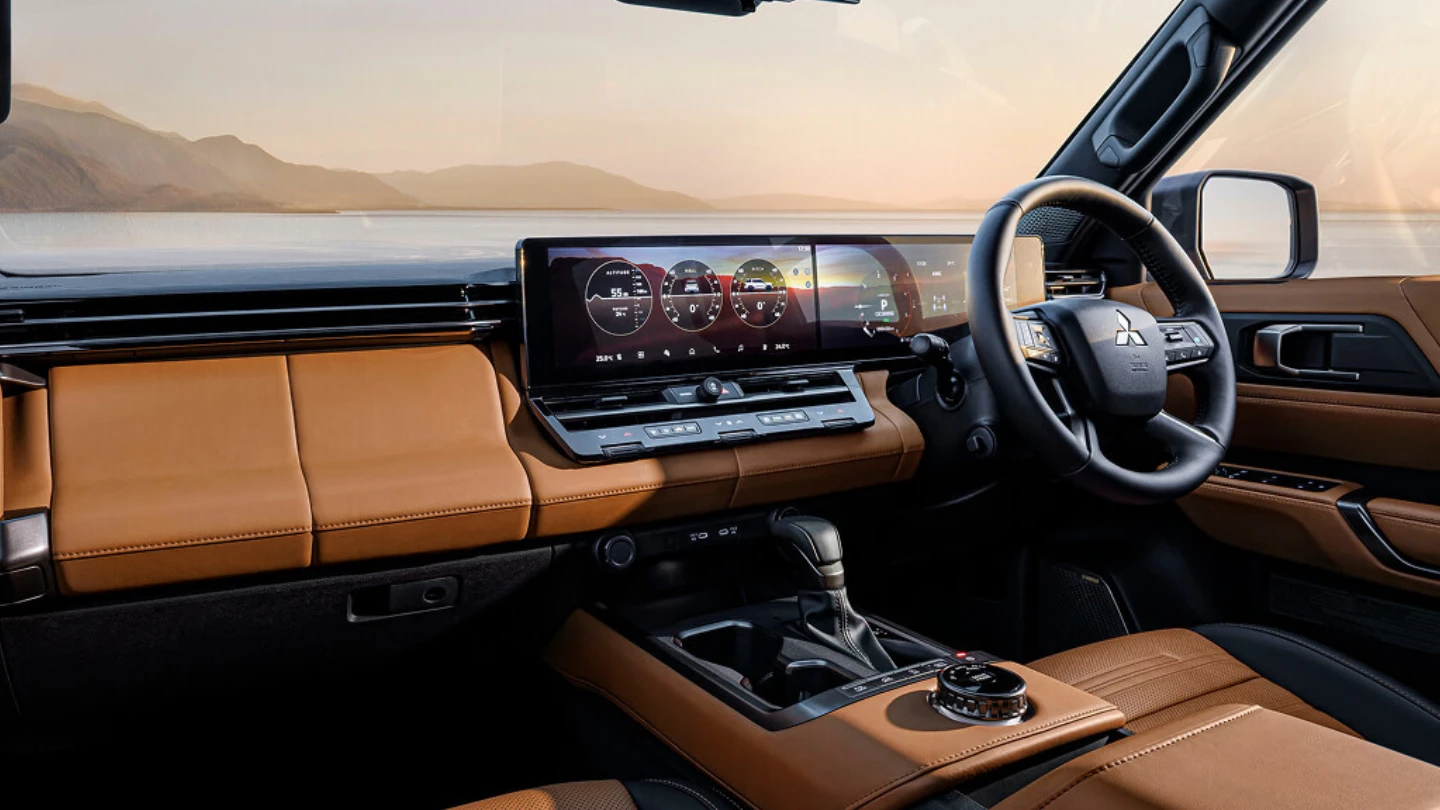
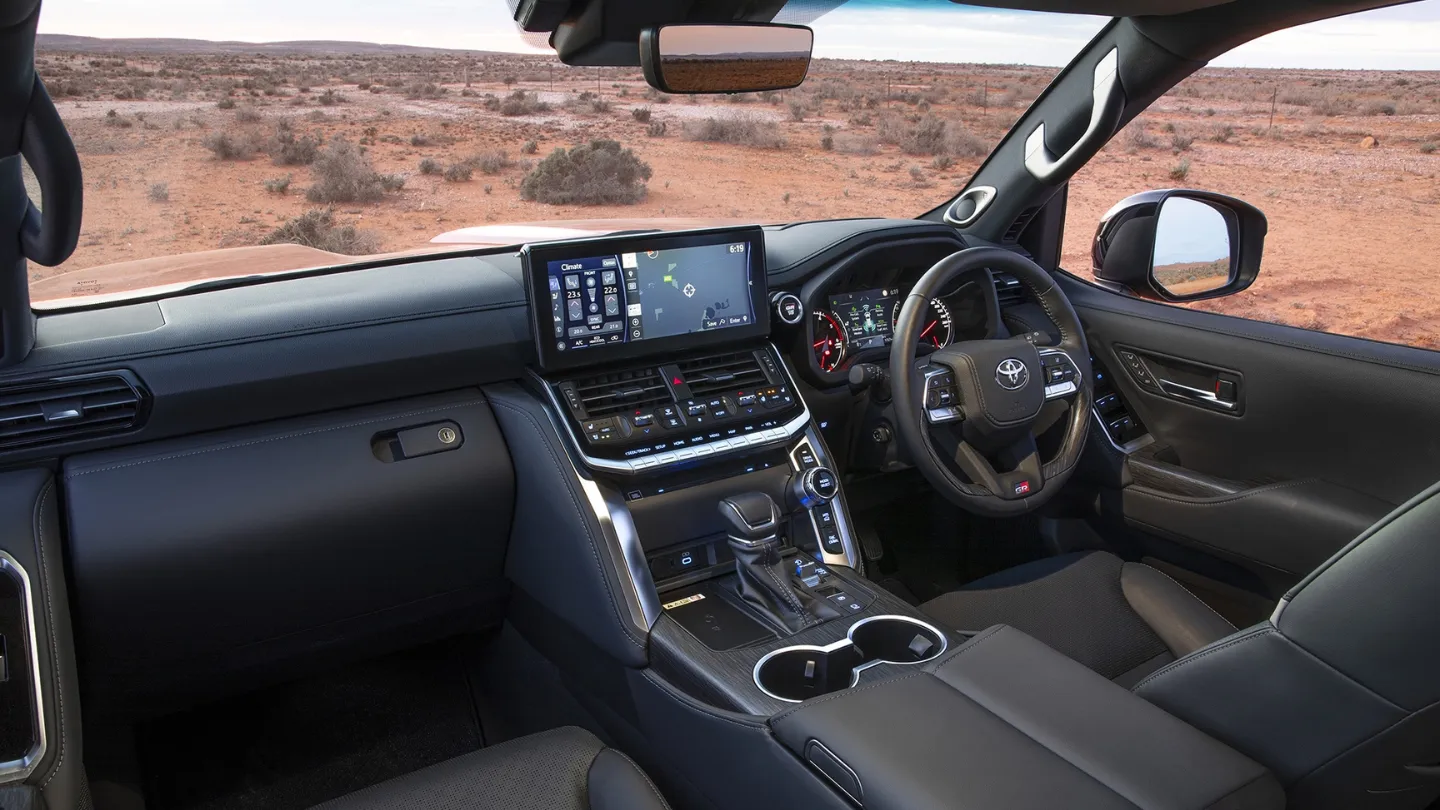
The LandCruiser 300 focuses on a broad, traditionally luxurious layout with highly functional ergonomics and the new Pajero leans heavily into cutting-edge screen real estate, a tall, blocky, and upright dashboard inspired by the 1980s Pajero and sharp Japanese craftsmanship to punch above its price bracket.
The Pajero dominates on screen size with twin 14.3-inch panoramic digital displays on upper grades, with a 12.3-inch instrument cluster, and it also gets a bonnet-see-through mode. LC300 follows a more conservative approach with a single 12.3-inch central infotainment screen and a smaller 7-inch driver multi-info display.
The LC300 has more room for the passengers in the second and third rows and also uses more luxurious materials for the cabin, but both models feature premium audio systems.
Fuel economy and range
Pajero’s downsized four-cylinder platform and the lighter body will give it a clear edge in daily fuel economy over the Toyota LandCruiser 300, but the LC combats this with a much larger fuel capacity, allowing it to secure a superior maximum touring range.
The new LC300 has a 110-litre dual-tank configuration with a theoretical range of 1,236 km per tank and claims an 8.9 L/100km of fuel consumption, which is higher than the new Pajero’s fuel economy but lower than the 2027 Patrol’s fuel consumption of around 9.9 L/100km.
Safety
Toyota LandCruiser 300 holds an official 5-star ANCAP safety rating, but the new Pajero has not been officially crash-tested by ANCAP yet.
The new Pajero features a Direct Driver Monitoring system to actively track facial expressions for signs of fatigue, drowsiness, or distraction, but the LC300 misses this feature.
Both models bundle a comprehensive baseline suite of active driver-assist safety technology to protect families, such as intersection AEB, highway lane management, towing stability controls, and blind-spot and cross-traffic protection.
Ownership costs and benefits
Prices for the all-new Pajero are not confirmed yet and are due for reveal in October 2026 when its pre-orders begin, while the updated LC300 is already on sale.
The 2027 LandCruiser range is structured across distinct tiers matching heavy-duty utility, family luxury, or off-road performance, and its prices start from $99,340 for the GX and extend up to $156,810 before on-road costs for the Sahara ZX Hybrid.
The 2027 Pajero’s prices are expected to lie between $60,000 and $85,000 without on-road costs across its four planned trim grades due to heavy overhauling in the lineup.
Ownership and warranty comparison
The LandCruiser 300 requires you to visit a dealership twice a year due to its complex twin-turbo V6 setup and heavy-duty design compared to Pajero’s 12-month or 15,000 km schedule. Toyota also does not supply complimentary roadside coverage with the LandCruiser 300.
| Feature | 2027 Mitsubishi Pajero | 2027 LandCruiser 300 |
|---|---|---|
| Maximum warranty | 10 years / 200,000 km | 7 years / Unlimited km (Engine and drivetrain only) |
| Warranty (serviced independently) | 5 years / 100,000 km | 5 years / Unlimited km |
| Service intervals | 12 months / 15,000 km | 6 months / 10,000 km |
| Capped price servicing duration | 10 years / 150,000 km | 5 years / 150,000 km (first 10) |
| Servicing cost | To be confirmed | $420 per service ($840 annually) |
| Roadside assistance | Up to 10 years (Renewed annually with dealer service) | None |
What Cars24 Australia says?
The 2027 Mitsubishi Pajero is a great choice for budget-conscious families, urban commuters, and value-seeking tourers who want a modern yearly service schedule, great daily fuel efficiency, and cutting-edge digital tech without crossing into a six-figure price bracket.
The updated 2027 Toyota LandCruiser 300 suits heavy-duty towers, hardcore off-road purists, and remote outback explorers who require a big V6 or hybrid grunt, big dual-tank touring range, and a wider cabin footprint, provided they are willing to absorb premium initial costs and twice-yearly garage visits.
If we had to sum it up – choose Pajero for greater luxury value and effortless ownership flexibility, or the LandCruiser 300 for uncompromised mechanical power, bullet-proof engine reliability, higher resale value, space, and remote-area endurance.

Comments
New Comment