





Have you noticed your car’s fuel consumption creeping up, even though your driving habits haven’t changed? Your accessories could be partly to blame.
Roof racks, bull bars, oversized tyres and even extra cargo can force your vehicle to burn significantly more fuel.
This guide breaks down the car accessories that affect fuel economy, which of them incur the most fuel penalty, and what could be better alternatives, so that you get your job done without worrying about rising fuel bills.
How do car accessories drain more fuel?
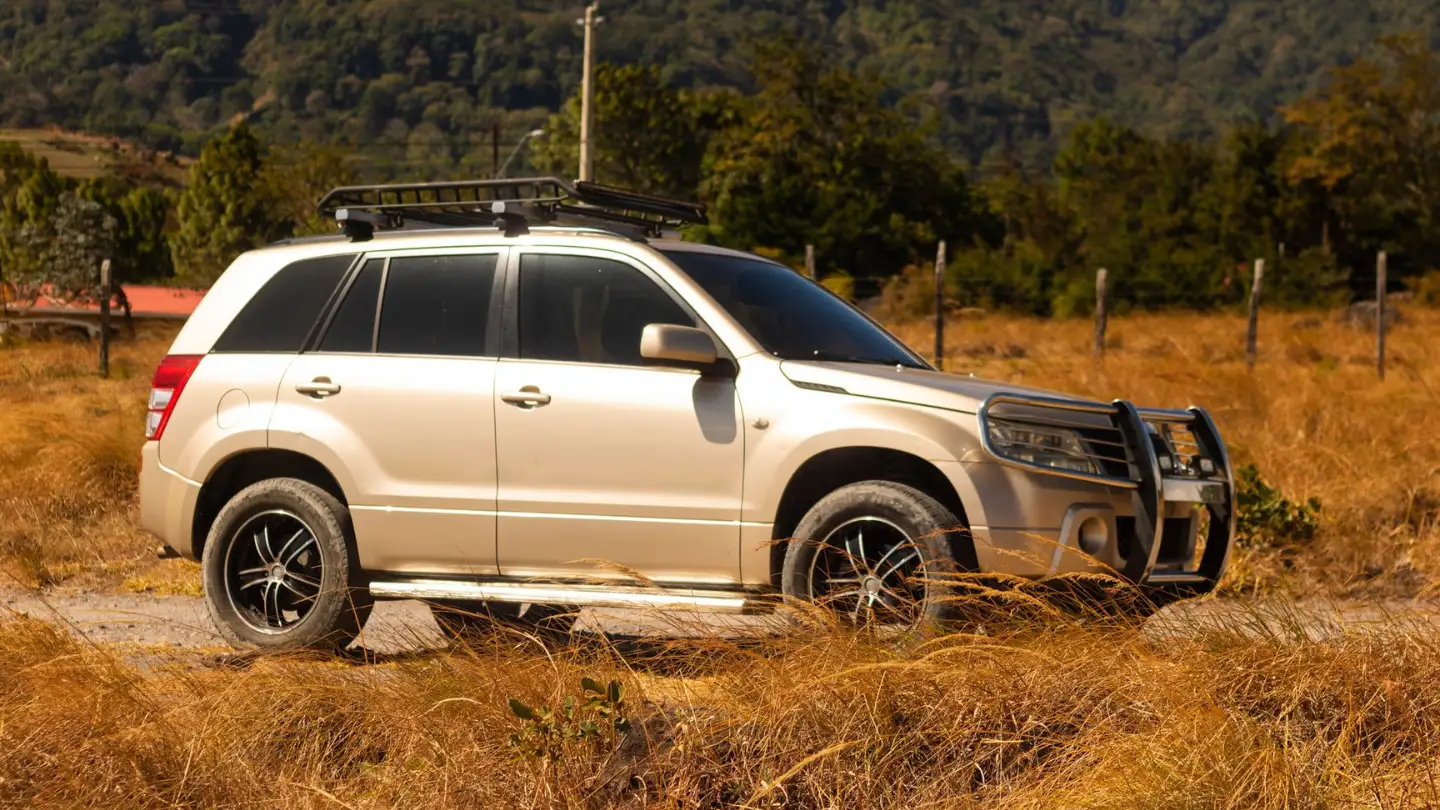
You may have been seeing your fuel evaporating after a short trip and think, “I just serviced my car and the mechanic said it’s all okay, but why is it guzzling more petrol than ever?”
And if you have just got a set of car accessories and modifications, your car’s engine is probably taking up more fuel to do the same amount of driving. You have got three primary physics principles to blame here: aerodynamic drag, rotational and linear inertia, and thermodynamic efficiency.
Stuff like roof racks increases the air drag, heavy bull bars and larger tyres increase the force required to pull the car forward, and winches covering the grille make an engine less efficient due to restricted airflow. These three key factors make you do more servo trips.
Your car type and specific accessories also matter. Small cars and sedans have a very low coefficient of drag, and even a minor accessory disrupts the airflow drastically.
SUVs are already big and catch more wind, and adding bulky items like a rooftop tent affects their fuel economy on the highway. Dual-cab utes and 4x4s are the most heavily accessorised vehicles in Australia, and their fuel economy can degrade drastically if fully kitted out.
Readers also asked: Major factors that impact car fuel usage in Australia
What are the car accessories or modifications that affect fuel economy?
Blunt objects fitted in front of the car and on its roof, accessories or cargo that add extra weight to the car, and large front accessories that block air flowing to the radiator and intercooler all penalise your car’s fuel efficiency. At Cars24 Australia, our professionals often see how accessories in used cars affect fuel consumption while inspecting them.
1. Roof racks, platforms, and rooftop tents
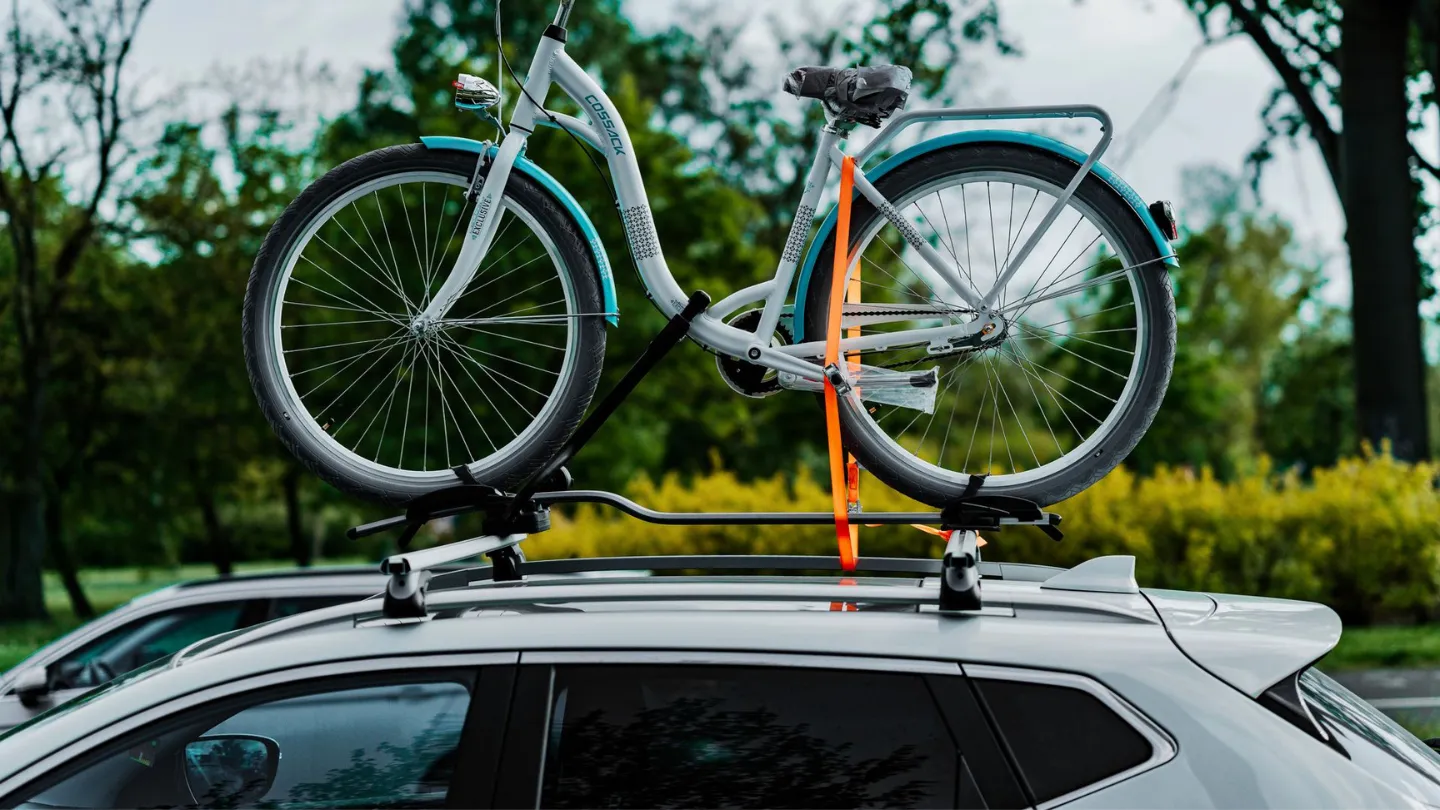
You will see the fuel consumption go up with any top-mounted modification, but specific designs do more harm than others, especially those that have a large frontal surface and a rough, un-aerodynamic shape.
Traditional soft-shell tents with loose canvas have the worst impact on fuel economy as they catch a lot of air and add a lot of drag; similarly, traditional cargo baskets and high-mounted square crossbars also oppose smooth driving. Hard-shell, clamshell tents, and aerodynamic wing-profile bars are better alternatives.
2. Body kits and rear wings
Cosmetic widebody kits widen the wheel arches to accommodate fatter tyres, and they can increase drag unless they have an aerodynamic design. Broad, aggressive-looking front bumpers and unbalanced deep front splitters also increase drag and make your car burn more fuel.
Large GT or track wings seem like drag-reducing tools, but aftermarket installations often trade more fuel consumption for downforce.
If you really wanna save some fuel, you can get functional rear diffusers and smooth underbody panels installed for smoother airflow and fuel saving.
3. Larger all-terrain and mud-terrain tyres
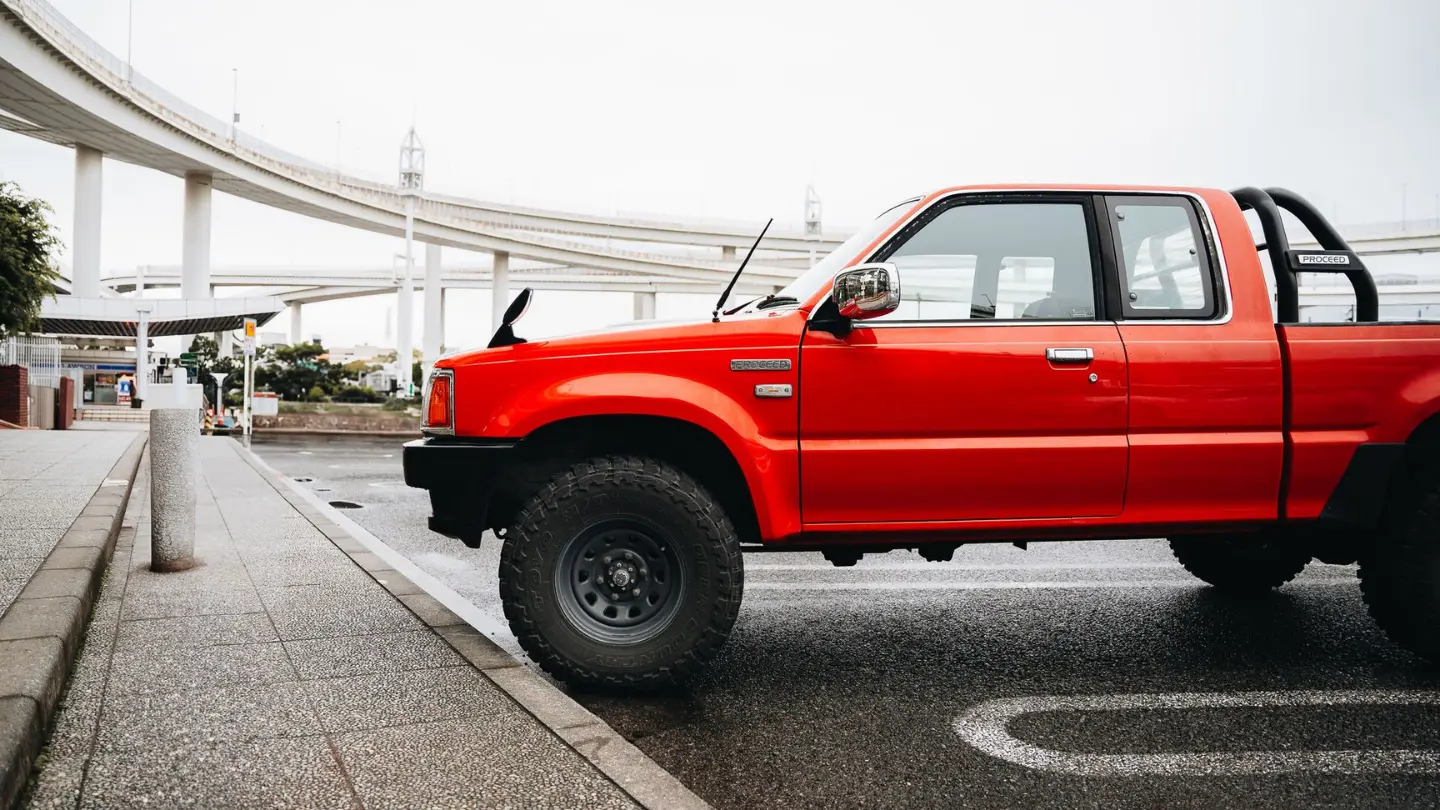
Larger all-terrain (A/T) or mud-terrain (M/T) tyres are one of the single biggest drains on fuel economy for 4WDs, dual-cab utes, and heavy-duty SUVs and unlike aerodynamic accessories that only hurt you at highway speeds, tyres drain fuel continuously through rotational inertia, rolling resistance, and sizing changes.
The worst replacements are aggressive, heavy-duty mud-terrain tyres, especially when stepped up to a larger overall diameter. Here is a guide to different types of car tyres if you wanna explore.
4. Bull bars, winches, and underbody protection
Heavy front-end modifications add static dead weight, and this forces your car’s engine to burn extra fuel continuously across all driving environments by altering the vehicle’s mass balance, gravitational pull, and thermal efficiency, but it hits hardest during stop-start city driving and hill climbs.
A heavy steel bull bar plus winch adds the highest fuel penalty in your 4WD, dual-cab ute, or touring SUV, followed by full underbody steel bash plates, Aluminium alloy bull bar, and Aluminium underbody protection.
If you really need to install these accessories, opt for lighter synthetic winch ropes and flush-mounted lighting that do not block air pathways.
5. Suspension lift kits
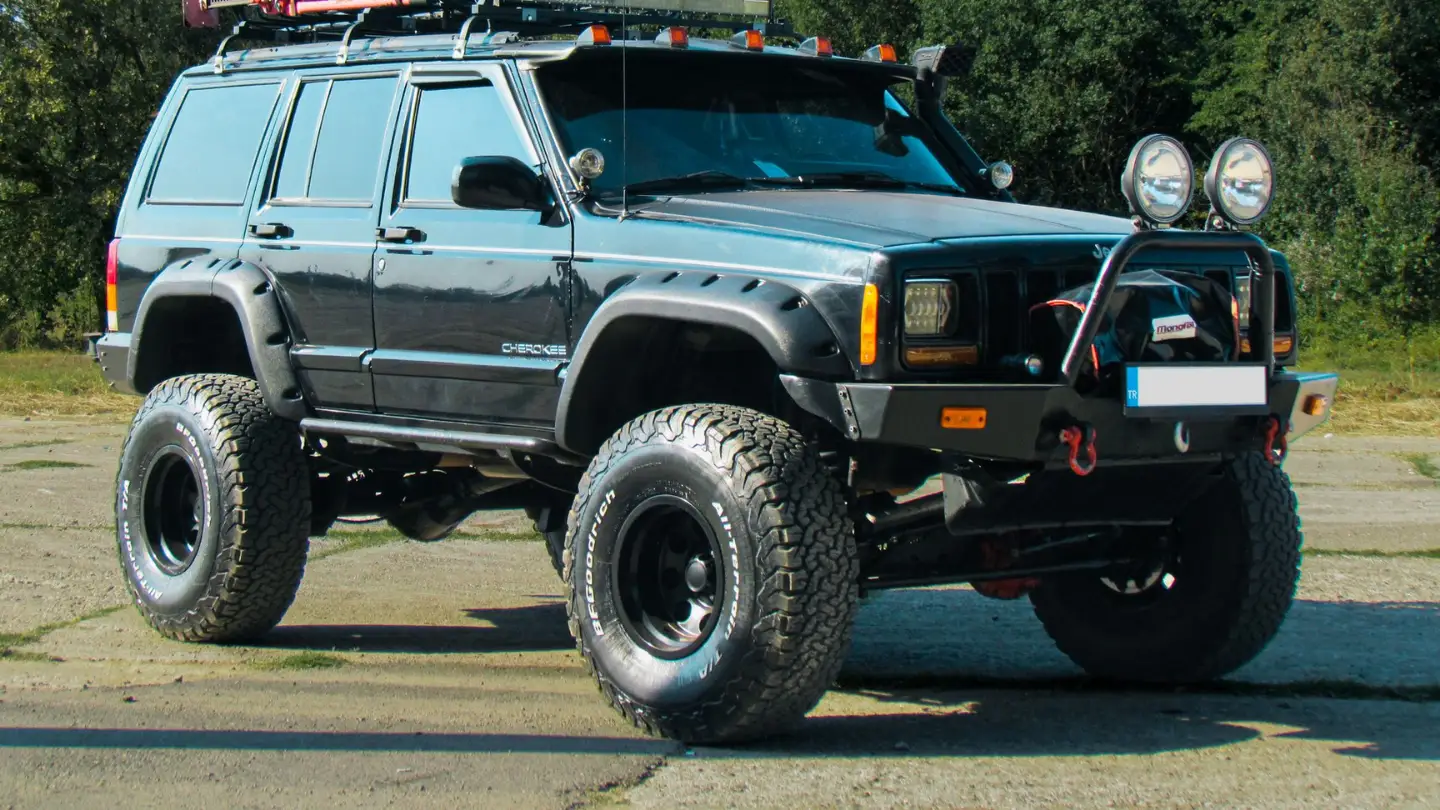
Suspension lift kits and ride-height modifications negatively impact your car’s fuel economy through aerodynamic degradation, increased frontal area, and underbody fluid turbulence. Fuel penalty increases as you fit taller and bigger suspension lift kits.
While the former factors have mild to moderate effects, the true fuel penalty comes from what a lift allows you to do: fitting larger, heavier wheel assemblies that compound mechanical and aerodynamic resistance.
6. High-draw electrical gear
High-draw electrical accessories like heavy-duty camping fridges, powerful winches, massive multi-light setups, and high-wattage sound systems drain fuel by making the engine work harder to power these appliances.
Heavy-duty camping winches draw the most power, followed by pure sine wave power inverters, old-school halogen driving spotlights, 12V portable compressors, and 12V camping fridges.
If you are thinking of saving fuel here, you can switch to high-efficiency electrical accessories like LEDs replacing halogen spotlights.
7. Extra cargo mass

Extra cargo mass drains fuel primarily through gravitational work and rolling resistance, and as you increase the weight, your fuel tank empties faster. The worst cargo setups are outside, as they compound weight penalties with severe aerodynamic drag.
Heavy roof-mounted gear incurs the worst fuel penalty due to increased weight and air drag, followed by rear hitch/tow bar cargo box, permanent internal drawers and tools, and in-cabin passenger and luggage mass.
Try to pack your heaviest cargo inside the vehicle and as close to the centre as possible and keep the roof light.
Readers also asked: What is good fuel economy?
What is the odometer error with bigger aftermarket tyres?
When you fit larger aftermarket tyres, your odometer under-records the actual distance you have travelled because your vehicle’s computer calculates distance and speed by counting the number of physical rotations of the transmission output shaft or wheel hubs, and a larger tyre circumference breaks the factory mathematical programming.
Overall, after fitting those new tyres, your car is actually travelling further and faster than your dashboard indicates.
FAQs
1. Why is my fuel economy so bad all of a sudden?
Your car’s fuel economy may suddenly go bad due to low tyre pressure, a stuck brake calliper, a faulty O2 or MAF sensor, or bad fuel quality.
2. What wastes the most fuel when driving?
Aggressive acceleration and braking, high-speed driving, excessive idling or all of these driving behaviours combined.
3. What modifications help with fuel economy?
Smooth underbody panels, a functional rear diffuser/lip spoiler, or low-resistance highway tyres.
4. Is 7 litres per 100km good?
Yes, it is excellent for most vehicles. For a medium SUV, 4WD ute, or older sedan, 7L/100km indicates highly efficient performance, and for modern hybrid hatchbacks, it is slightly high, as they frequently achieve 3.5L to 5L/100km.
5. How can I measure my fuel economy changes?
a) Fill the tank full and reset your trip odometer to zero.
b) Drive normally until you need to refuel.
c) Fill the tank full again and note the exact litres added and the exact kilometres on your trip meter.
d) Calculate using this formula: Litres filled divided by (Kilometres travelled divided by 100) equals L/100km




Comments
New Comment