




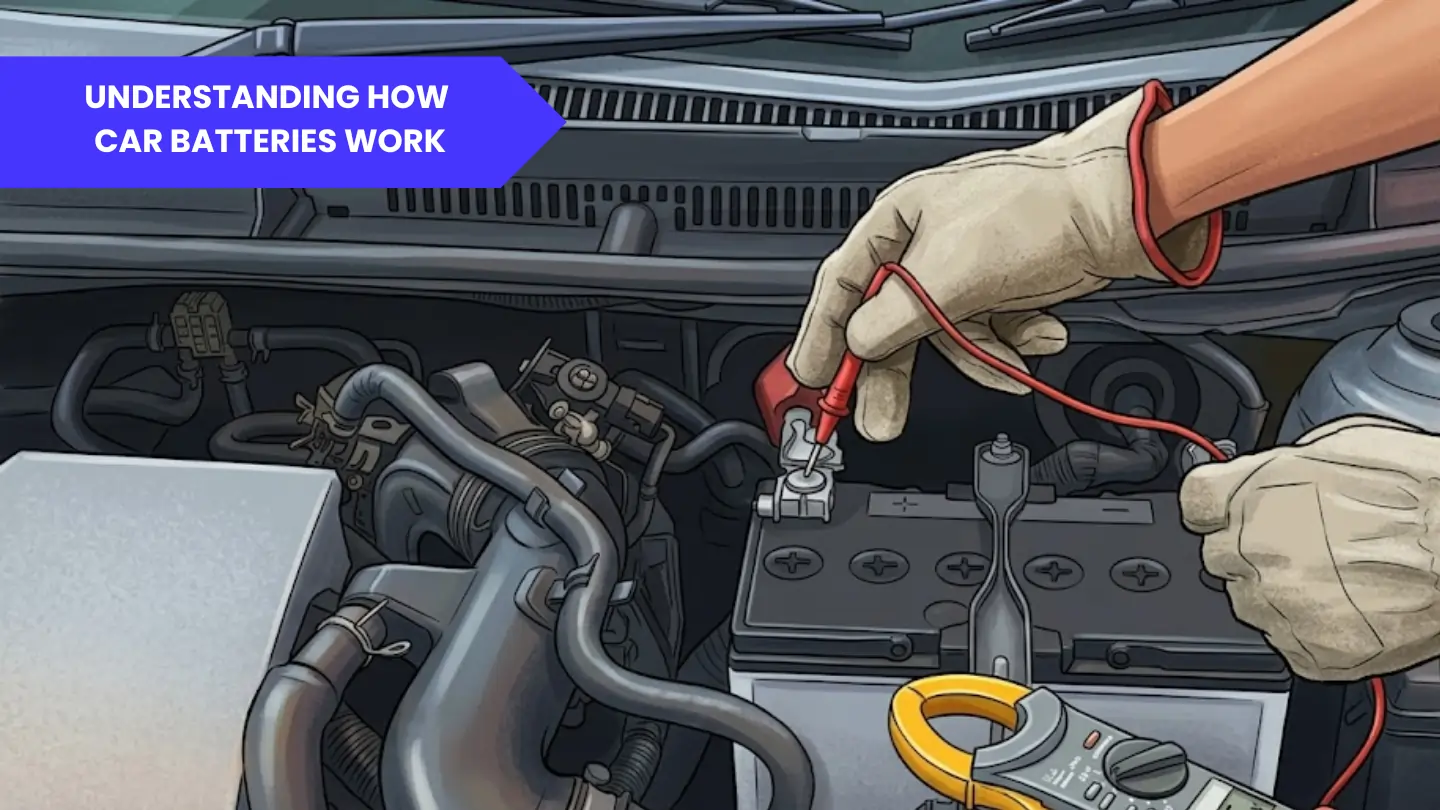
Cold winter mornings, summer heatwaves and long periods between drives can all take a toll on a car battery. For Australian drivers, understanding how batteries work and recognising early warning signs can help avoid unexpected breakdowns.
A car battery is one of those components that rarely gets any attention, until the day it decides not to cooperate. One morning, your car starts as usual. Next, you’re turning the key or pressing the start button only to be greeted by a sluggish crank, flashing dashboard lights, or complete silence. It’s an experience many drivers have faced, often at the most inconvenient time possible.
Despite its relatively small size, the battery is one of the most important parts of any vehicle. Without it, your car wouldn’t be able to start, and many of the features we rely on every day simply wouldn’t work. The good news? Car batteries usually give plenty of warning before they fail completely. Understanding how they work, how long they last, and what can shorten their lifespan can help you avoid unexpected breakdowns and costly surprises.
What does a car battery actually do?
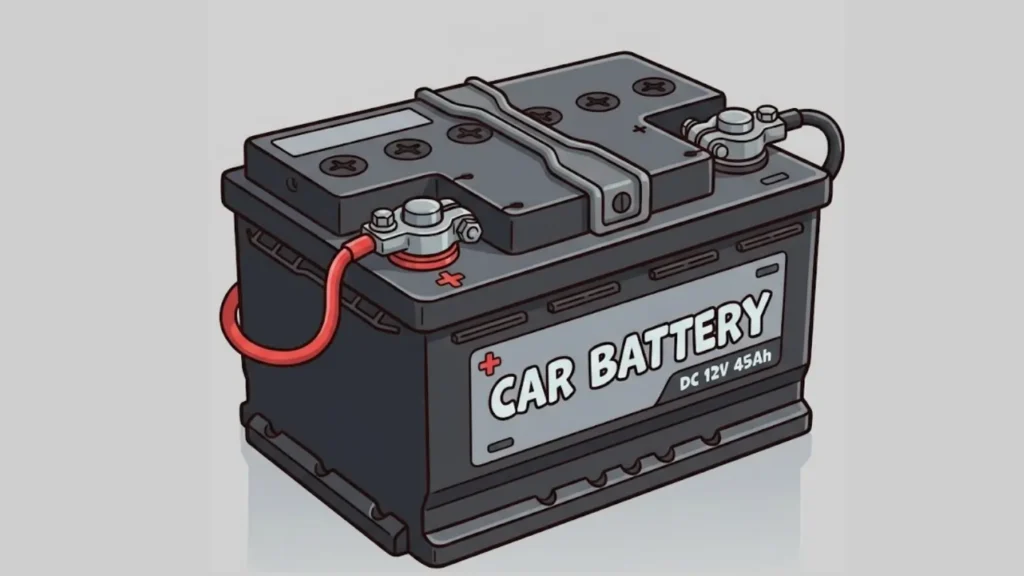
Most people know that a battery helps start a car, but its role goes much further than that.
Every time you unlock your car, switch on the headlights, charge your phone, or use the infotainment system, the battery is playing a part. In petrol and diesel vehicles, it provides the initial burst of electricity needed to start the engine. Once the engine is running, the alternator takes over and keeps the battery charged while powering the vehicle’s electrical systems.
Think of the battery as the spark that gets everything moving. Without it, even a perfectly healthy engine won’t get very far.
Read more: How many years can a hybrid car battery endure?
Not all car batteries are built the same
Although they all perform the same basic job, car batteries come in different forms. Traditional lead-acid batteries remain the most common option in petrol and diesel vehicles. They’re relatively affordable, widely available, and capable of meeting the needs of most drivers.
Modern vehicles, however, often use AGM (Absorbent Glass Mat) batteries. These are designed to handle the demands of stop-start systems and the growing number of electronic features found in today’s cars. They’re typically more durable and recharge faster, but they also cost more to replace.
Hybrid and electric vehicles take things a step further by using larger battery packs to help power or drive the vehicle. Even so, many hybrids and EVs still use a conventional 12-volt battery for everyday functions.
How long should a car battery last?
If only there were a simple expiry date. In reality, battery lifespan depends on a range of factors, including climate, driving habits, vehicle type, and maintenance. In Australia, most car batteries last between three and five years, although lifespan can vary significantly depending on climate. Vehicles regularly exposed to extreme heat, particularly in northern and inland regions, may experience faster battery deterioration than those in milder coastal areas.
Ironically, cars that aren’t driven regularly can sometimes experience battery problems sooner than vehicles that are used every day. That’s because batteries naturally lose charge over time, and short trips may not give the charging system enough opportunity to replenish what has been used.
The warning signs drivers shouldn’t ignore
Car batteries rarely fail without warning. The first clue is often a slower-than-usual engine start. You might also notice headlights that appear dimmer, electrical features that respond sluggishly, or warning lights appearing on the dashboard.
In some cases, corrosion around the battery terminals can be a sign that the battery is ageing or developing problems.
These symptoms don’t always mean immediate failure, but they are worth investigating. Ignoring them can turn a minor inconvenience into a roadside headache.
Read more: How far can a Tesla travel on zero battery?
Why do car batteries go flat?
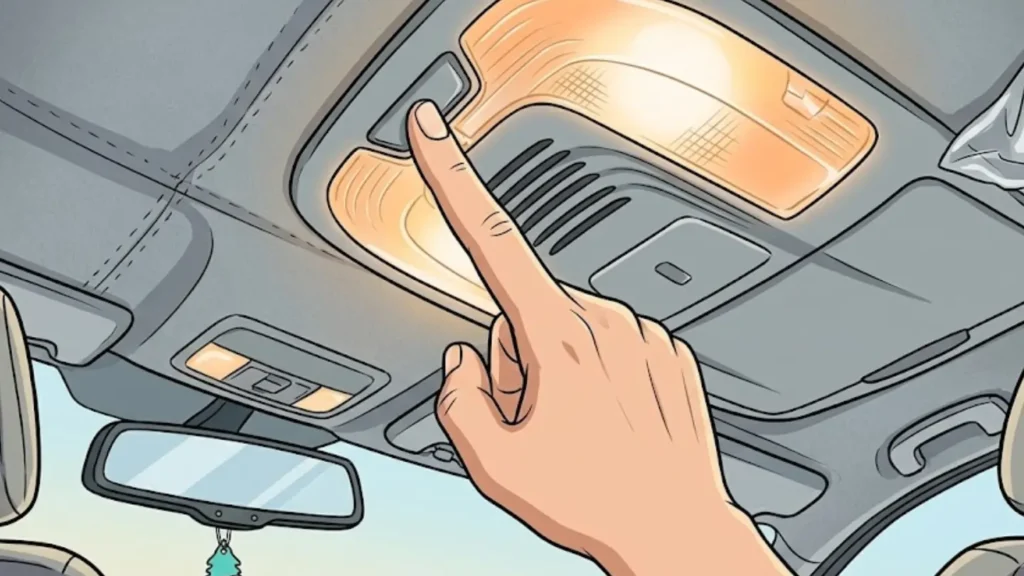
A dead battery isn’t always the battery’s fault. Sometimes it’s simply old age. Other times, everyday habits are to blame. Leaving lights on overnight, making lots of short trips, or leaving a vehicle parked for extended periods can all drain a battery.
Weather can also play a role. Extreme heat can accelerate internal wear, while cold temperatures make it harder for a battery to deliver the power needed to start an engine. This is particularly relevant in Australia, where prolonged summer heat can place significant stress on a battery’s internal components and shorten its lifespan.
Occasionally, a flat battery may point to a deeper issue, such as a faulty alternator or an electrical drain somewhere in the vehicle.
Can you check battery health yourself?
You don’t need to wait until your car refuses to start before checking on your battery’s condition. A multimeter can provide a quick snapshot of battery voltage and help identify whether it’s holding a healthy charge. While this won’t tell the full story, it can offer an early indication that the battery may need attention.
For the most accurate assessment, however, a professional battery test remains the best option.
Is a jump-start a fix or just a temporary solution?
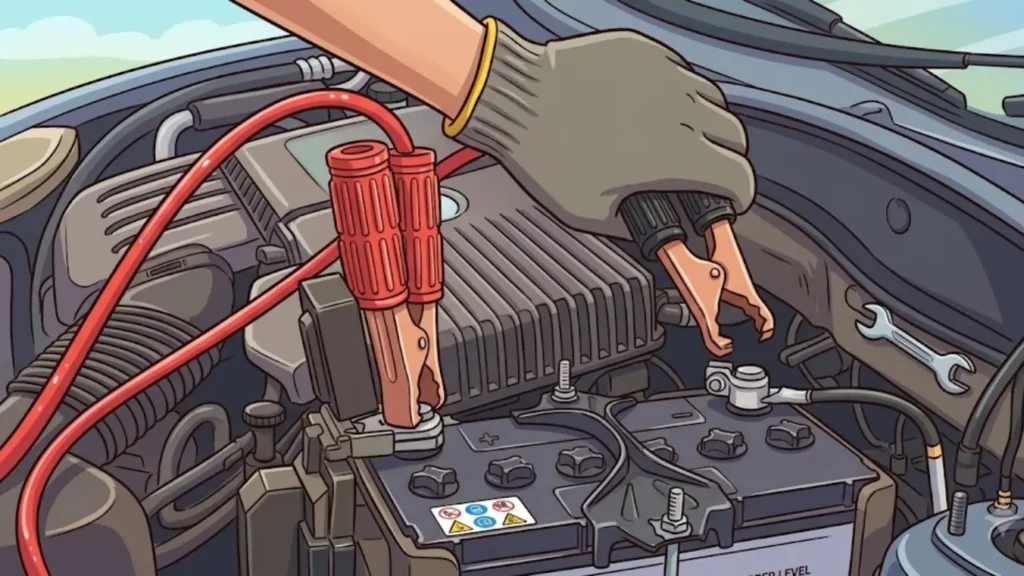
A jump-start is often enough to get you moving again, but it’s important to understand what it actually does.
Jump-starting restores enough power to start the vehicle, but it doesn’t solve the reason the battery went flat in the first place. If the battery is old, damaged, or unable to hold charge, the problem is likely to return.
Think of a jump-start as first aid rather than a cure.
Read more: How do you jump-start your car safely?
A little battery care goes a long way
The good news is that battery maintenance is relatively simple. Driving the car regularly, keeping battery terminals clean, and avoiding unnecessary electrical drain can all help extend battery life. Regular servicing can also identify charging system problems before they become expensive repairs.
Like tyres and brake pads, a battery is ultimately a wear-and-tear item. But with a little attention, it can provide years of reliable service before replacement becomes necessary.
Read more: Essential car maintenance tips for an Australian winter
The bottom line
Your car battery may not be the most glamorous part of vehicle ownership, but it’s arguably one of the most important. From starting the engine to powering the technology we use every day, it quietly does its job in the background, until it can’t.
Knowing how batteries work, recognising the signs of trouble, and understanding when replacement is necessary can help you stay one step ahead and avoid being caught out when you least expect it.

Comments
New Comment