




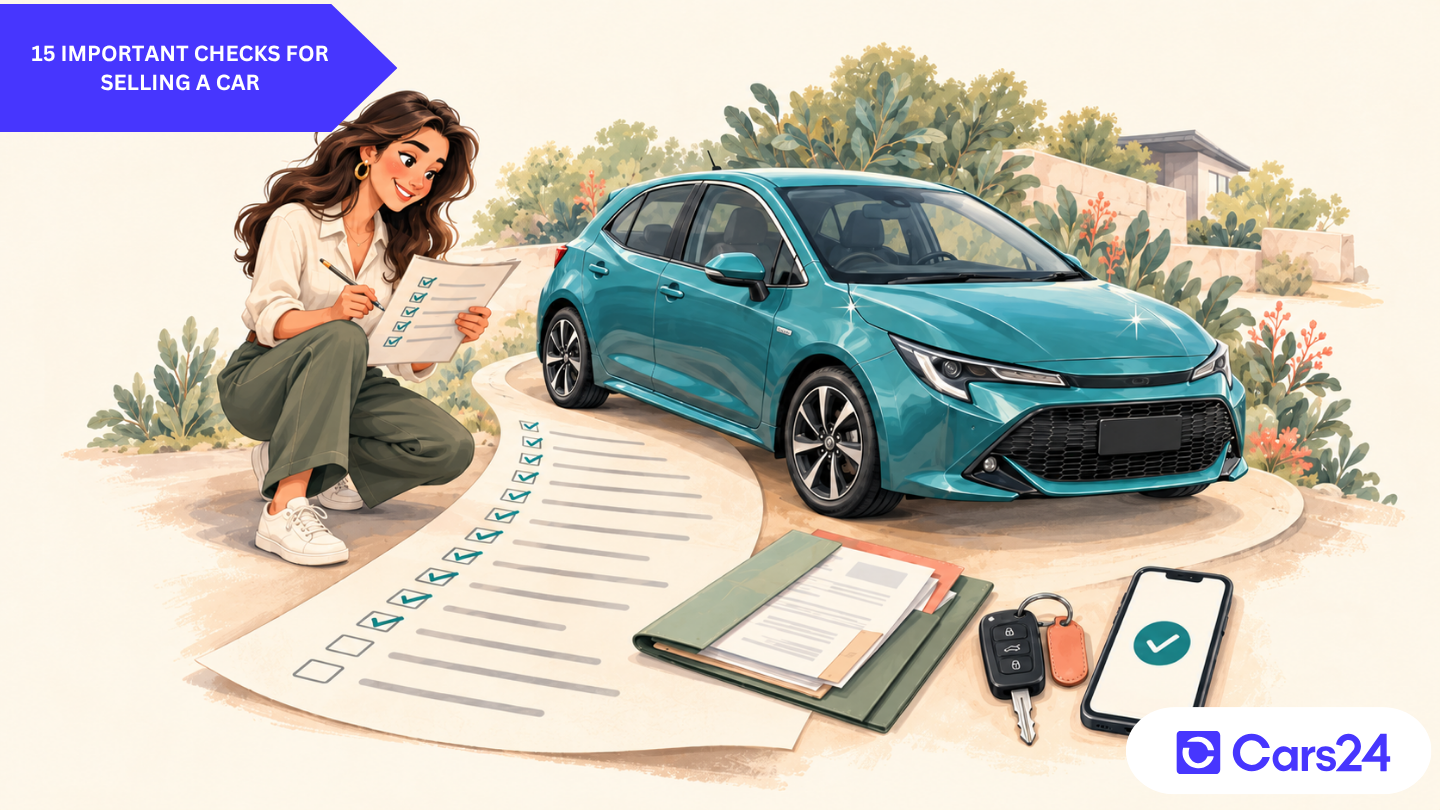
Thinking about selling your car? You’ve probably already started wondering how much you could get for it, where to advertise and whether it’s worth fixing that scratch on the bumper. All fair questions, but there’s a little more to selling a car than finding someone willing to pay your asking price.
You’ll need to sort out the paperwork, understand your state’s rules and make sure the payment is safely in your account before the keys leave your hands. Fortunately, none of this needs to be particularly difficult.
We’ve put together a checklist for selling a car in Australia, with 15 things you should take care of before saying goodbye to your vehicle.
Your pre-sale checklist: 15 things to do before selling your car
1. Work out whether to sell privately or through a dealer
Before putting your car up for sale, think about how much time you’re willing to spend selling it.
A private sale could get you a higher price, but you’ll be responsible for advertising, answering enquiries, meeting buyers and handling the transaction. Selling through a dealer or car-buying service may save you some of that work, although the offer could be lower. It really depends on what matters more to you.
If you’re undecided, our guide to selling privately or through a dealer explains the differences.
2. Find out how much your car is actually worth
Remember what you paid for your car? Unfortunately, that figure won’t tell you much about what someone will pay for it today.
Have a look at cars of the same model, year and variant advertised in your area. Pay attention to kilometres travelled, condition and service history, because two otherwise similar cars can have very different asking prices.
You can also get an estimate using the Cars24 car valuation calculator. Just remember that an online estimate isn’t a guaranteed sale price.
3. Check if you still owe money on the car
Having an outstanding car loan doesn’t automatically stop you from selling, though you’ll need to arrange for that debt to be paid.
Contact your lender and ask how much is needed to pay off the loan today. You’ll also need to find out how the lender’s claim over the car will be removed once payment is made.
A buyer can check the Personal Property Securities Register (PPSR) to see whether a lender has a registered claim over the vehicle. Rather than leaving this until the last minute, have a clear repayment arrangement ready.
Read more about selling a car with finance owing.
4. Get all your car documents together
Imagine finally agreeing on a price, only to realise you can’t find the paperwork needed to finish the sale. Not ideal!
Keep your photo ID, registration details, service records and evidence that you’re entitled to sell the vehicle somewhere accessible. Depending on your circumstances, you might also need finance payout details, transfer forms or an inspection certificate.
The exact requirements vary, so our guide to documents needed to sell a car in Australia is worth checking before you meet a buyer.
5. Find out whether your car needs a roadworthy certificate
This is where your location matters. Australia doesn’t have one set of roadworthy rules for every private car sale.
In Victoria, a roadworthy certificate is generally needed when transferring a registered car to a private buyer, unless an exemption applies. Queensland has its own safety certificate requirements. NSW, WA and other states and territories follow different rules.
Check with your state or territory’s transport authority before arranging an inspection. You don’t want to pay for a certificate you don’t need, or discover too late that you should have organised one.
6. Have a good look at the car’s condition
You might have grown used to that small dent near the door or the warning light that occasionally appears on the dashboard. A buyer, however, will notice these things straight away.
Spend some time checking the tyres, brakes, lights, windows, air conditioning and other equipment. If something isn’t working properly, consider getting it checked by a mechanic.
You don’t have to make an older car look brand new. What matters is knowing its condition, dealing with important safety issues and being upfront about problems that remain.
7. Give your car a thorough clean
A clean car is simply nicer to inspect, and you don’t necessarily have to spend money on professional detailing.
Wash the outside, clean the windows, vacuum the seats and carpets, and wipe down the dashboard. Empty the boot, remove rubbish and check under the seats for anything you’ve forgotten.
If there’s an unpleasant smell inside, try to deal with the cause rather than covering it with an overpowering air freshener. Buyers should be able to see and smell the car as it really is.
8. Find the service records and spare keys
Got a folder full of servicing receipts? Keep it handy, because those records can help answer questions about the car’s maintenance.
A logbook and past invoices may show when the car was serviced, which parts were replaced and whether important work has already been done. Don’t worry if you haven’t kept every single receipt; just be clear about which records you can provide.
While you’re searching through the drawers, find the spare key and owner’s manual too. They’re worth having ready for handover.
9. Take photos that actually show the car
Nobody should have to guess what the back of your car looks like from six nearly identical photos of the front.
Find a spot with good natural light and take pictures from all sides. Show the seats, dashboard, odometer, boot and wheels, along with any obvious marks or damage.
There’s no need for filters that change the colour or hide scratches. Good photographs should help someone decide whether the car is worth coming to see.
10. Write an honest advertisement
Your advertisement should answer the questions you’d probably ask if you were buying the car yourself.
Mention the make, model, year, exact variant, kilometres travelled, transmission, fuel type and registration status. Add details about servicing, useful features, recent repairs and any known faults.
You can talk about what you’ve enjoyed about the car, but avoid making claims you can’t support. Someone reading your listing should have a reasonable understanding of what they’re coming to inspect.
For more reasonable advice, see our guide to selling your car online in Australia.
11. Decide your lowest acceptable price
There’s your asking price, and then there’s the amount you’d actually be happy to accept. It’s worth knowing both before the first buyer calls.
Someone may point out worn tyres or ask for a discount because the registration is nearly due. Consider reasonable offers, but don’t agree to a price simply because you feel uncomfortable saying no.
If you know what similar cars are advertised for and understand your vehicle’s condition, you’ll have a much better idea of when an offer makes sense.
12. Be sensible about inspections and test drives
When a buyer wants to see the car, arrange a time and location where you feel comfortable. Daylight is generally preferable, and there’s no reason you can’t have someone you trust with you.
Before letting anyone drive, check that they hold a valid driver’s licence and confirm whether your insurance covers another driver. Agree on the test-drive arrangements beforehand and accompany the buyer where appropriate.
If someone becomes pushy or their behaviour worries you, you don’t have to continue with the sale.
13. Confirm payment before handing over the keys
Here’s one part of your checklist for selling a car privately that deserves extra care.
Suppose the buyer sends you a screenshot showing a bank transfer. It might look convincing, but that doesn’t prove the money has reached your account.
Check your balance through your own banking app or contact your bank using its official number. Make sure the agreed payment has actually arrived and is available before releasing the vehicle.
Never let someone rush you into handing over the keys because they say the payment is on its way.
14. Prepare a receipt and complete the registration paperwork
Once you’ve agreed on the sale, write down the details so both you and the buyer have a record.
Include the names of both parties, the vehicle’s make and model, registration number, vehicle identification number (VIN), sale price and date and time of handover. Record signatures and other information required by your state. Our guide to writing a car sale receipt covers this in more detail.
You’ll also need to follow the registration authority’s instructions. In NSW, for example, sellers should submit a Notice of Disposal as soon as the car is sold. Buyers have 14 days to transfer the registration into their name. Other states have different requirements, so check your local rules before handing over the keys.
15. Remove your personal details and finish the handover
Before the car goes, check that you’ve taken out your belongings, parking passes, garage remote and toll tag. Delete saved phone connections, contacts and home addresses from the car’s screen, if it has one.
Remember to remove the vehicle from your toll account, where applicable, and speak to your insurer about ending or updating your cover.
Finally, make sure the buyer receives the agreed keys and documents. Keep your own copies of the sale receipt, payment record and registration notifications.
Ready to sell? Keep this checklist handy
Selling your car should be exciting, especially if you’re putting the money towards something new. It’s also worth taking a little time to get the details right, from checking the asking price to completing the final paperwork.
Whether you use this as a checklist when selling a car privately or through a car-buying service, the important things remain much the same: know your vehicle, understand the rules, protect your payment and keep a record of the sale.
And if you’d prefer not to spend your weekends arranging viewings and answering enquiries, Cars24 offers another option. You can get an online car valuation and decide whether you’d like to take the next step.
Comments
New Comment