




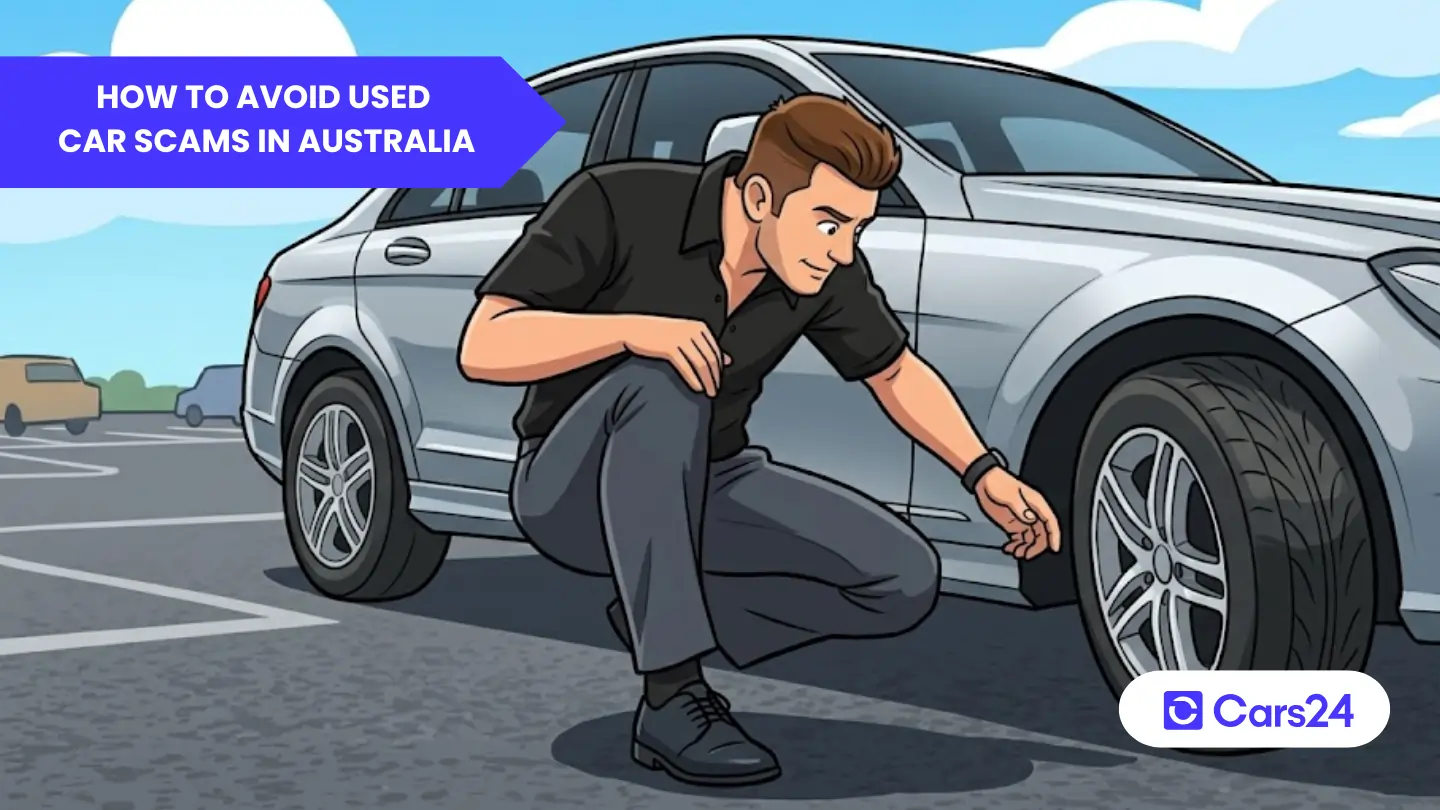
We’ve seen our fair share of customers walk into our hubs after narrowly avoiding scams while buying a used car. Purchasing a used car can certainly help you save money, but it can also expose you to potential scams, especially if you’re buying a vehicle entirely remotely.
In the rush to secure a deal, it’s easy to place too much trust in a seller or skip important checks. Unfortunately, that’s often when buyers become vulnerable to scams.
The safest approach is simple; inspect the car in person, verify the seller and paperwork, and pair that with a car history check or PPSR/WOVR check before you hand over any money.
Why do used car scams take place?
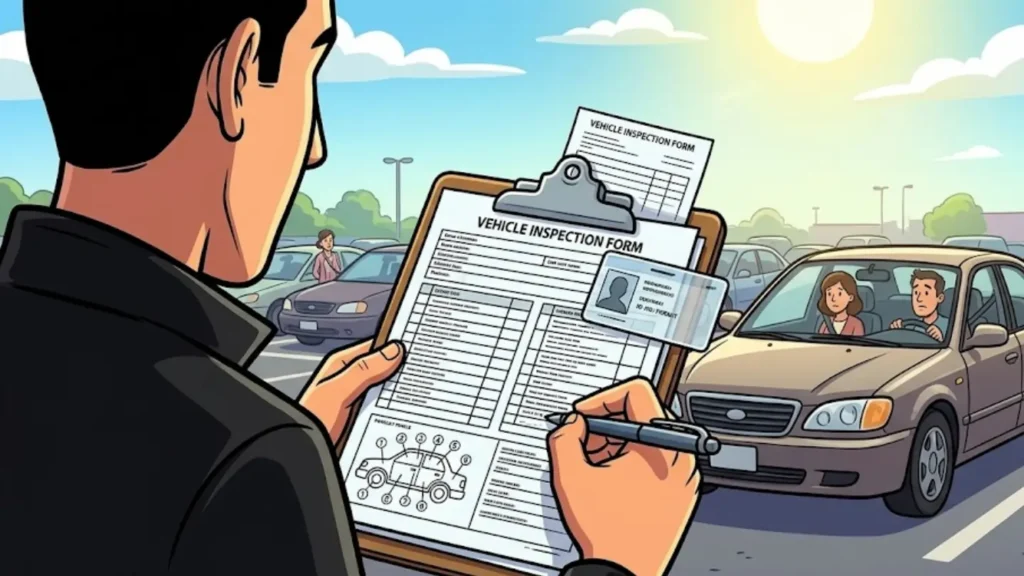
Car marketplaces that are entirely online make it very easy for scammers to reach buyers easily. Especially if you end up finding listings online that look way too polished or unrealistically cheap. Consumer Affairs Victoria warns people of fake advertisements appearing on car sales portals, in online classifieds and online auction websites. These car scams offer non-existent previously-owned cars for prices far lower than expected. They will pressure you to pay fast, and offer deals that look too good to be true are major red flags.
A common pattern that you will notice is that the seller will avoid a face-to-face meeting, claim that the car is stored elsewhere, or ask you for a deposit before you see the car. These shammy tactics pressure you into not inspecting the car, verify who the seller is, or notice any kind of inconsistencies in the paperwork.
What are the most common car scam signs?
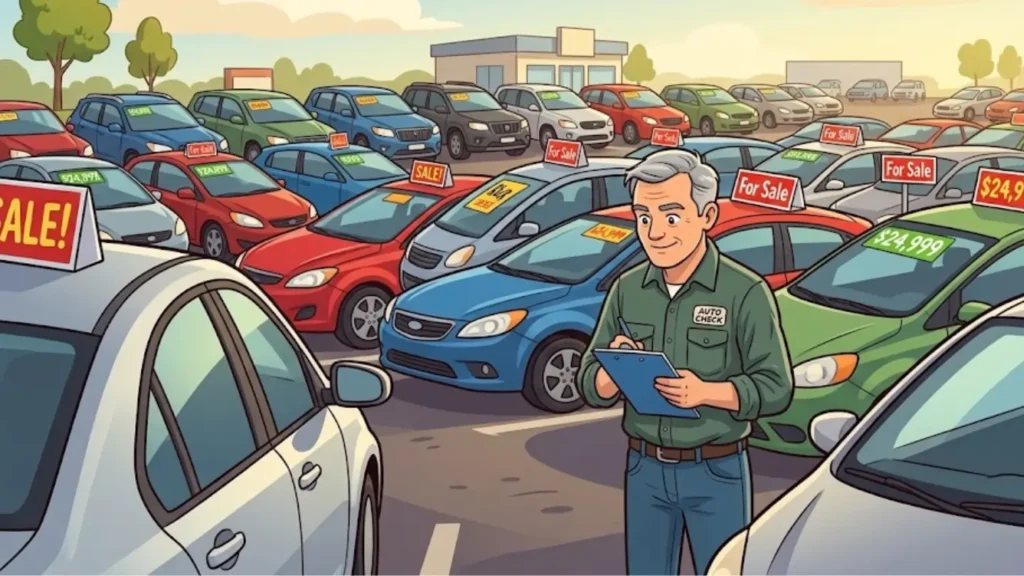
If you are thinking about buying a used car, you must watch for these warning signs before you commit to anything:
- The price offered is far below similar car listings.
- The seller pressures you to act quickly.
- You cannot inspect the car in person.
- The seller refuses a phone call or video call.
- Payment is requested through an unusual method.
- The listing details do not match the car’s condition or history.
If you see any of these signs appear, stop right there and verify everything before you go any further. Government authorities and consumer groups across the country consistently recommend that you take it slow, check every little detail, and walk away if the sale does not feel right. Even if you are saving money, buying a used car, it’s still your hard earned money. Spend it wisely and with caution.
Read more: 9 red flags in a car history report and how serious each is
How can you protect yourself?
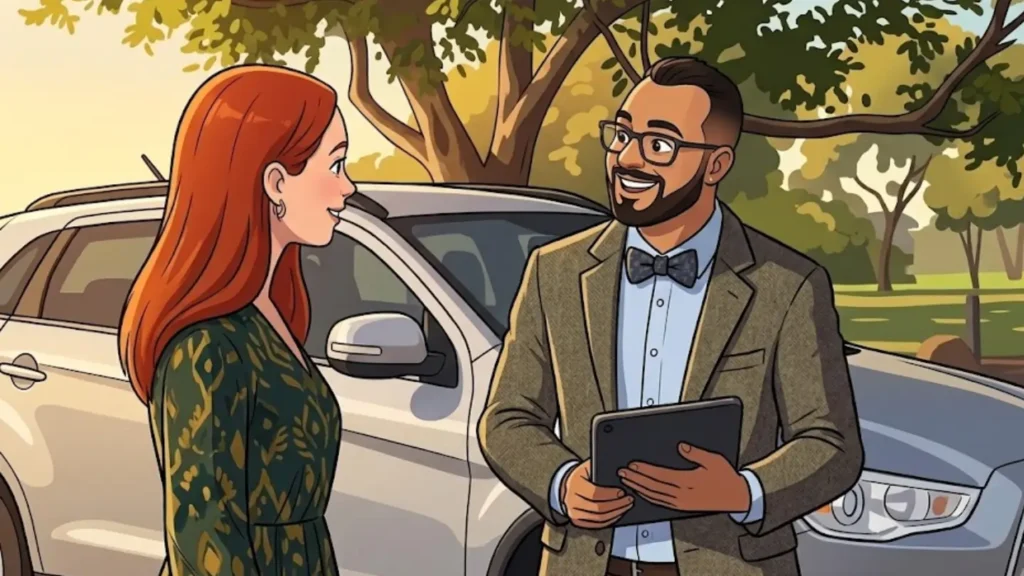
Start with the basics; meet the seller, inspect the car in daylight, and take it for a test drive if possible. Queensland Government guidance also recommends researching the car online, comparing costs, and checking that the vehicle’s details make sense before you buy.
Next, check the paperwork carefully. Make sure the seller’s name matches the registration documents, and confirm the VIN and number plate match the car itself.
Do not pay a deposit until you have seen the car and verified the key details. Last Check specifically warns that many scam victims are people who decided to purchase remotely, which is why in-person verification matters so much.
Read more: How to sell your car online in Australia? A 2026 guide
Why does a car history check matter?
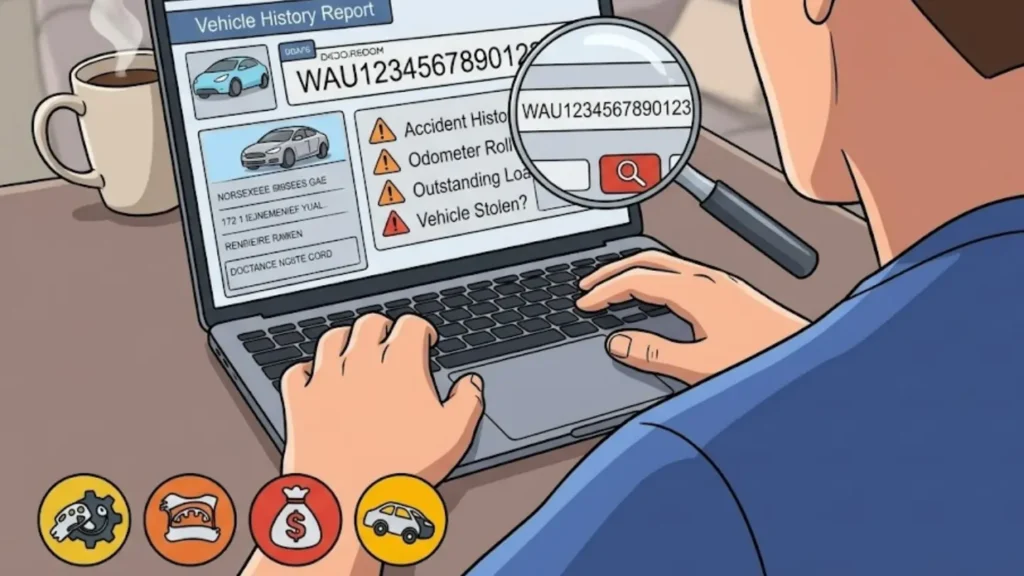
A car history check is one of the most useful ways to reduce risk because it can show whether a vehicle has finance owing, has been reported stolen, or has a write-off history. The PPSR is the official Australian register used for this kind of search, and official guidance says a used-car search can help confirm whether a vehicle is recorded as free from debt, stolen, or written off.
This is where a WOVR check matters too. Written-Off Vehicle Register information is used to identify vehicles that have been written off, and PPSR guidance explains that the search can help you see whether a car has been listed as a write-off, including the difference between statutory and repairable write-offs.
If you are serious about buying, this is not an optional extra protection; it is part of the buying process. Government and consumer sources both frame the PPSR search as a low-cost step that can prevent expensive mistakes later.
What can a good check tell you?
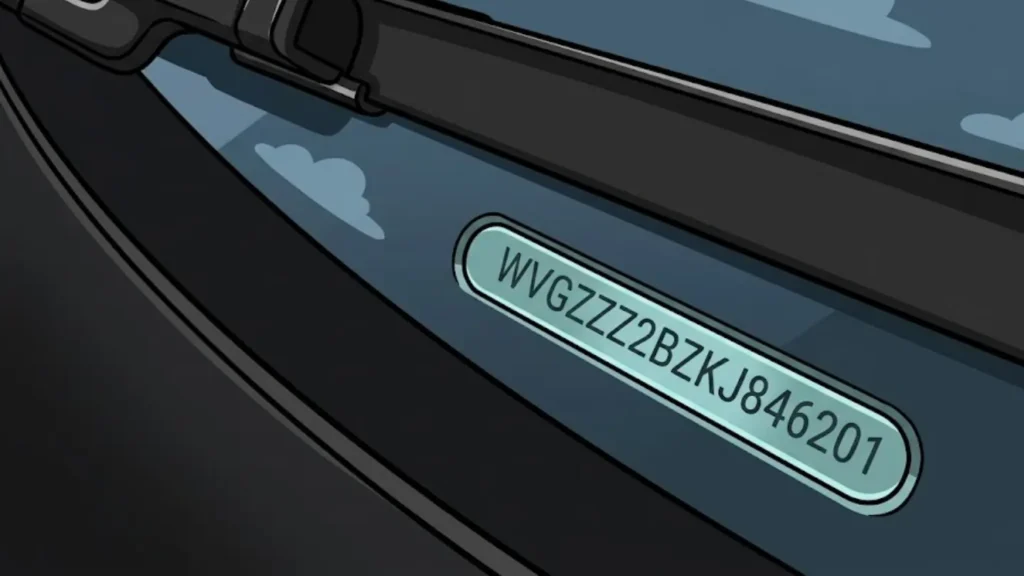
A proper car history check can help you:
- Confirm whether there is money owing on the vehicle.
- Check whether the car has been stolen.
- See whether it has a write-off history.
- Compare the VIN against the vehicle identity.
That information matters because some scam listings hide major problems behind a clean-looking ad and a confident seller. A history check gives you an independent layer of evidence so you are not relying only on the seller’s word.
Red flags that should make you walk away
Some issues are minor and some are deal-breakers. You should seriously consider walking away if the seller cannot explain mismatched paperwork, refuses to provide the VIN, will not let you inspect the car, or pushes you to pay before you have completed your checks.
You should also be cautious if the car is being sold unusually cheaply, especially if the seller claims they must sell immediately or says they are overseas. Scam advice from multiple sources points to speed and urgency as common tactics used to stop buyers from thinking clearly.
Read more: 7 used electric car red flags in Australia in 2026
A simple buyer checklist
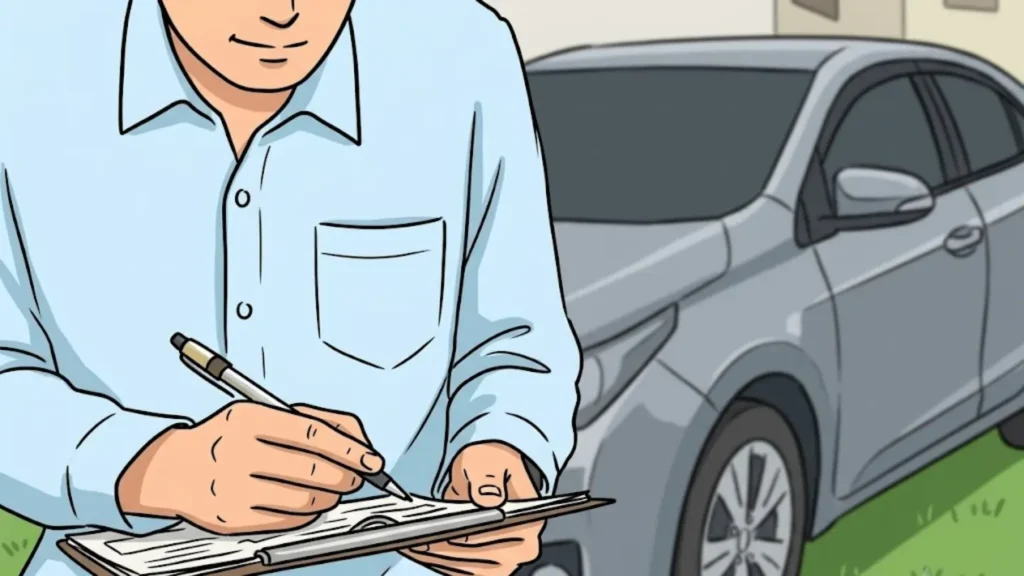
Before paying for a used car, make sure you have done the following:
- Inspected the car in person.
- Confirmed the seller’s identity and contact details.
- Checked that the VIN, registration, and paperwork match.
- Taken the car for a test drive or arranged a mechanic inspection.
- Run a PPSR or car history check.
- Confirmed there is no write-off, stolen, or finance issue.
- Paid only after everything checks out.
Final advice
The best defence against used car scams is to slow down and verify everything before you buy. If a seller refuses inspection, pushes remote payment, or will not support a proper car history check, that is your cue to walk away.

Comments
New Comment