




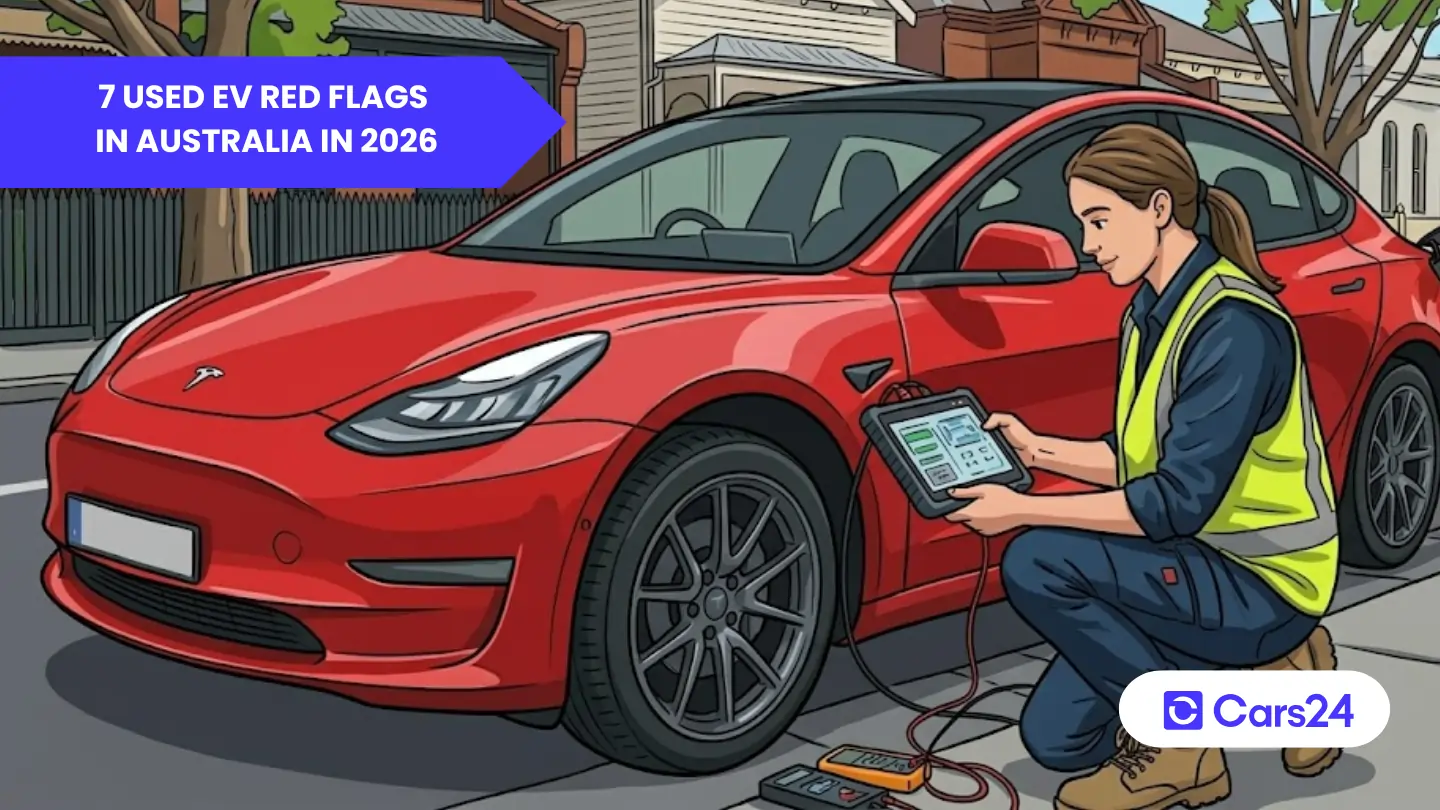
Buying a used electric car in Australia has never been easier. As more new EVs enter the market and early adopters trade up to newer models, the supply of used electric cars continues to grow, giving buyers more choice and more affordable entry points into EV ownership.
However, buying a used EV is different from buying a used petrol or diesel car. While traditional vehicles are often assessed for engine wear, transmission issues and service history, electric cars require closer attention to battery health, charging habits, software updates and potential accident damage.
Knowing what to check before buying a used electric car can help you avoid costly repairs and unexpected problems down the track. Here are seven red flags to watch for when shopping for a second-hand EV in Australia, and when it’s best to walk away.
Read more: How to install an EV charger at home?
1. Battery health cannot be verified
This is the most critical red flag in any used EV purchase.
Warning signs:
- No State of Health (SoH) report available
- Seller refuses independent battery testing
- Full-charge range is inconsistent or unexplained
- Range drops sharply compared to similar models
Why it matters:
The battery defines:
- Real-world driving range
- Charging performance
- Long-term resale value
If you cannot verify battery condition, you are effectively pricing an unknown risk.
Read more: Typical costs of owning an EV in Australia
2. Warranty coverage is unclear or expired
EV warranties are a major financial safety net, especially for high-voltage components.
Red flags:
- Seller unsure about remaining warranty
- Battery warranty already expired with no price adjustment
- Missing documentation from manufacturer or dealer
What to confirm:
- Remaining years and kilometre limits
- Whether battery warranty transfers to second owner
- Coverage details for high-voltage components
Without warranty protection, future repair costs become fully your responsibility.
3. Signs of heavy or abusive charging habits
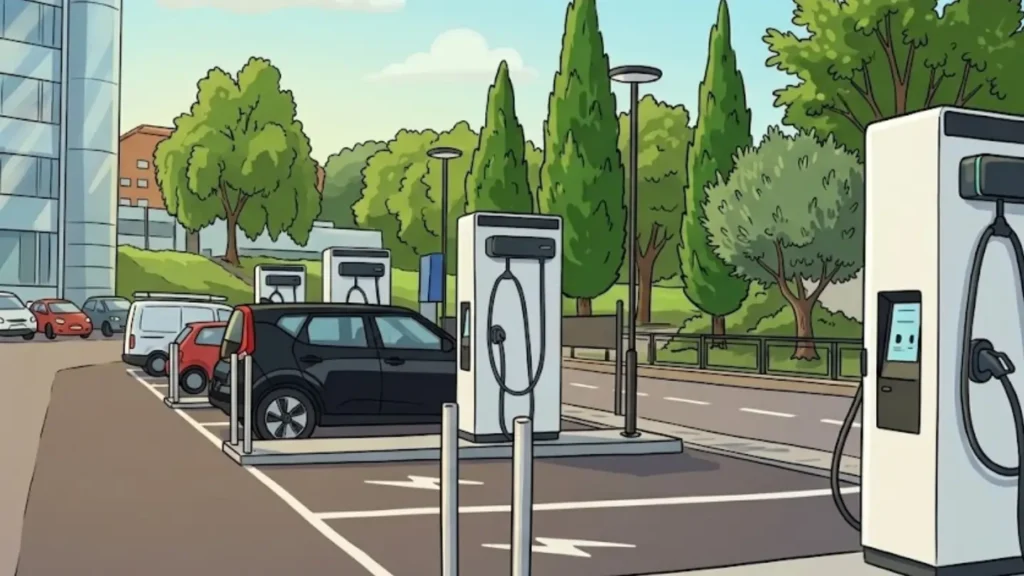
Charging behaviour directly affects battery longevity.
Warning indicators:
- Heavy reliance on DC fast charging
- Frequent 100% charging with no moderation
- History of rideshare or delivery fleet use without records
- Evidence of overheating during charging
Why it matters:
Occasional fast charging is normal. But repeated high-stress charging can accelerate battery degradation over time.
Read more: 8 ways to maximise your EV range
4. Real-world range doesn’t match expectations
Range figures are often misleading when viewed in isolation.
Red flags include:
- Large gap between advertised and displayed full-charge range
- Rapid drop in estimated range after short use
- Inconsistent range readings across similar conditions
What to understand:
Range is influenced by:
- Driving style
- Temperature
- Battery age
- Terrain
If the gap is large and unexplained, assume battery wear or poor usage history.
5. Accident, flood or structural damage history
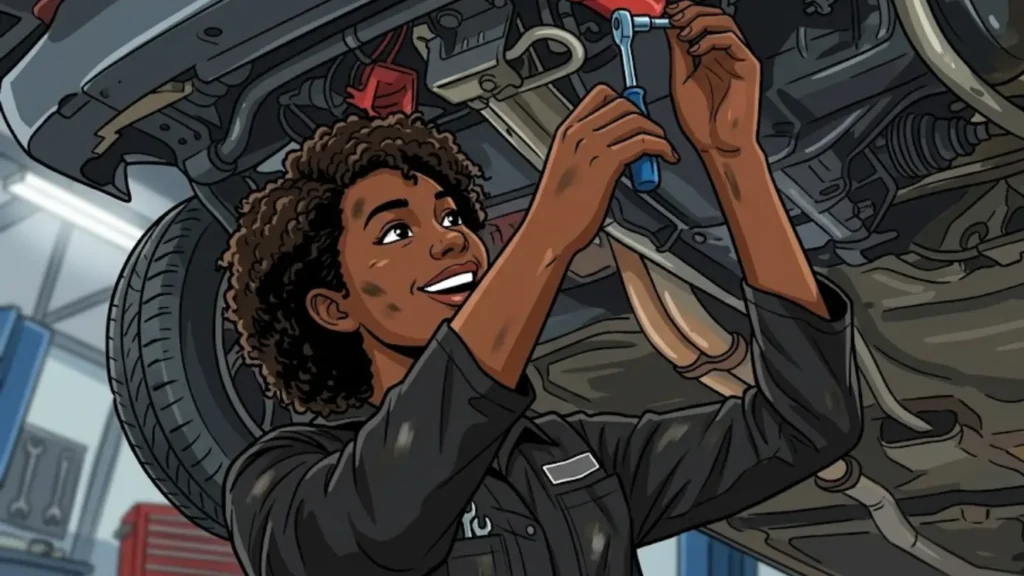
EVs are especially sensitive to structural damage due to the integrated battery pack.
High-risk history:
- Flood-affected vehicles
- Salvage or rebuilt title
- Underbody or front-end structural damage
- Airbag deployment without verified OEM repairs
Why it matters:
Battery packs are expensive and complex. Any compromise to the underbody or sealing can create long-term electrical risks.
Read more: How to test-drive an electric car in Australia?
6. Seller refuses inspection or transparency checks
Seller behaviour often reveals more than the listing itself.
Red flags:
- Refusal of independent inspection
- No VIN sharing or delay in providing documents
- Pressure to close the deal quickly
- Inconsistent answers about usage or ownership
If basic verification is blocked, assume there is something to hide.
7. Missing charging equipment or damaged charging port
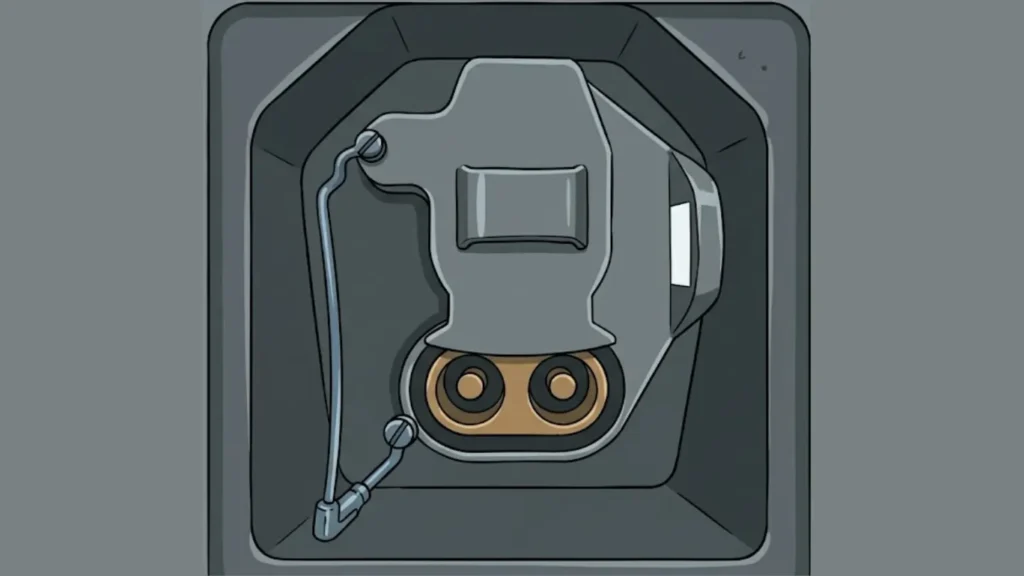
Charging hardware is essential for daily EV ownership.
Check for:
- Portable charging cable included
- Type 2 / CCS compatibility
- Clean, undamaged charging port
Red flags:
- Missing cables with no clear replacement plan
- Burn marks, corrosion, or loose connectors
- Charging failures during test use
Replacing EV charging equipment can add unexpected post-purchase costs.
Final takeaway
A used EV in 2026 is not inherently risky, but it becomes risky when verification gaps appear. The rule is simple; If you cannot confirm battery health, history, and warranty status, treat it as a walk-away vehicle.
In today’s market, the best used EV purchases are not the cheapest, they are the most verifiable.

Comments
New Comment