




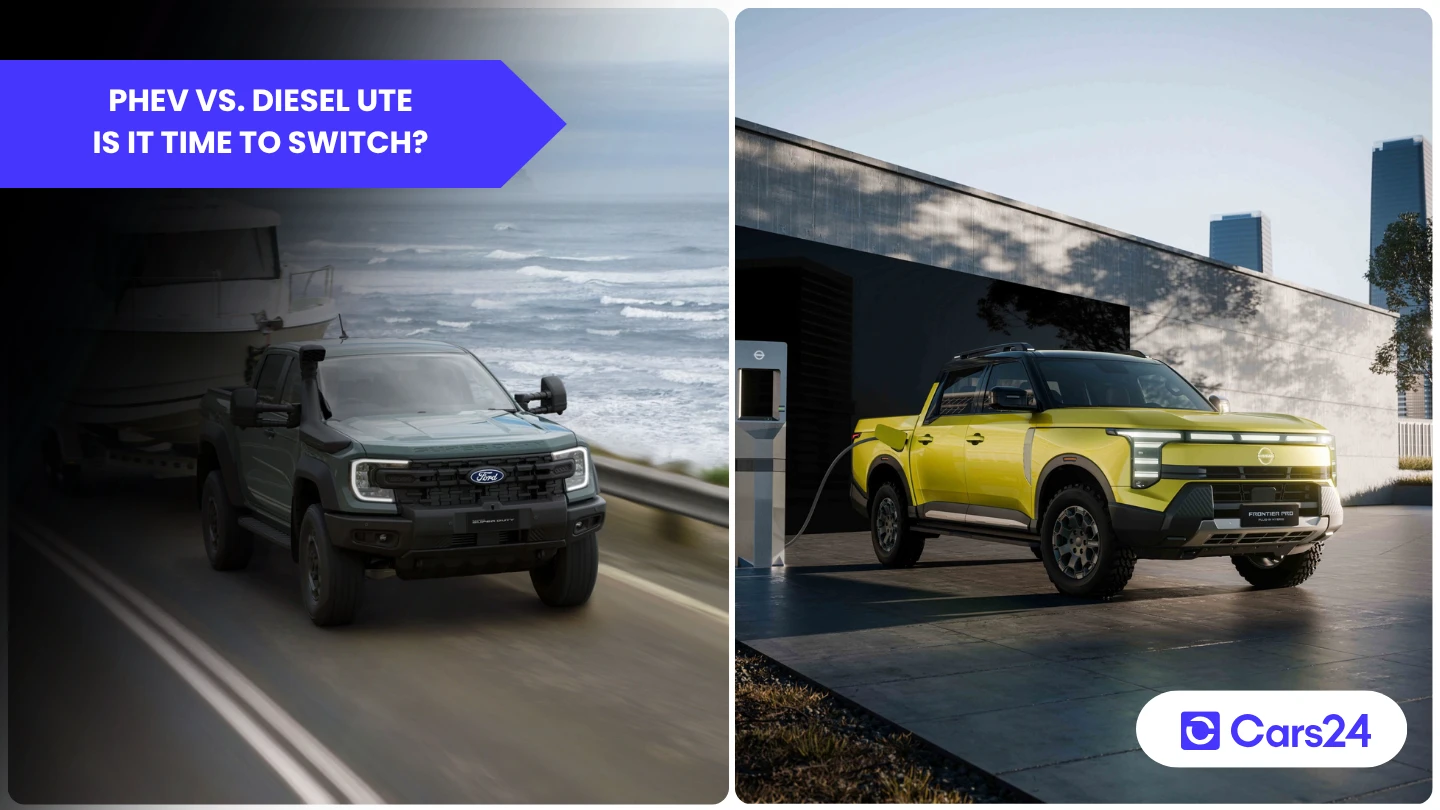
At first, you may think choosing between a traditional diesel ute and a plug-in hybrid (PHEV) ute is just about fuel economy. But if you tow a caravan, haul tools or tour the Bush, you need to know whether a PHEV can handle the workload without compromising payload or reliability.
While the newest models of the BYD Shark 6 and the Ford Ranger PHEV promise strong torque and comparable real-world towing, depleted-battery fuel consumption matters just as much. This guide compares the diesel and PHEV utes’ performance, running costs, charging and practical capability to help you decide which ute suits your work, lifestyle and budget today.
Why plug-in hybrids are taking on turbo-diesels in Australia?
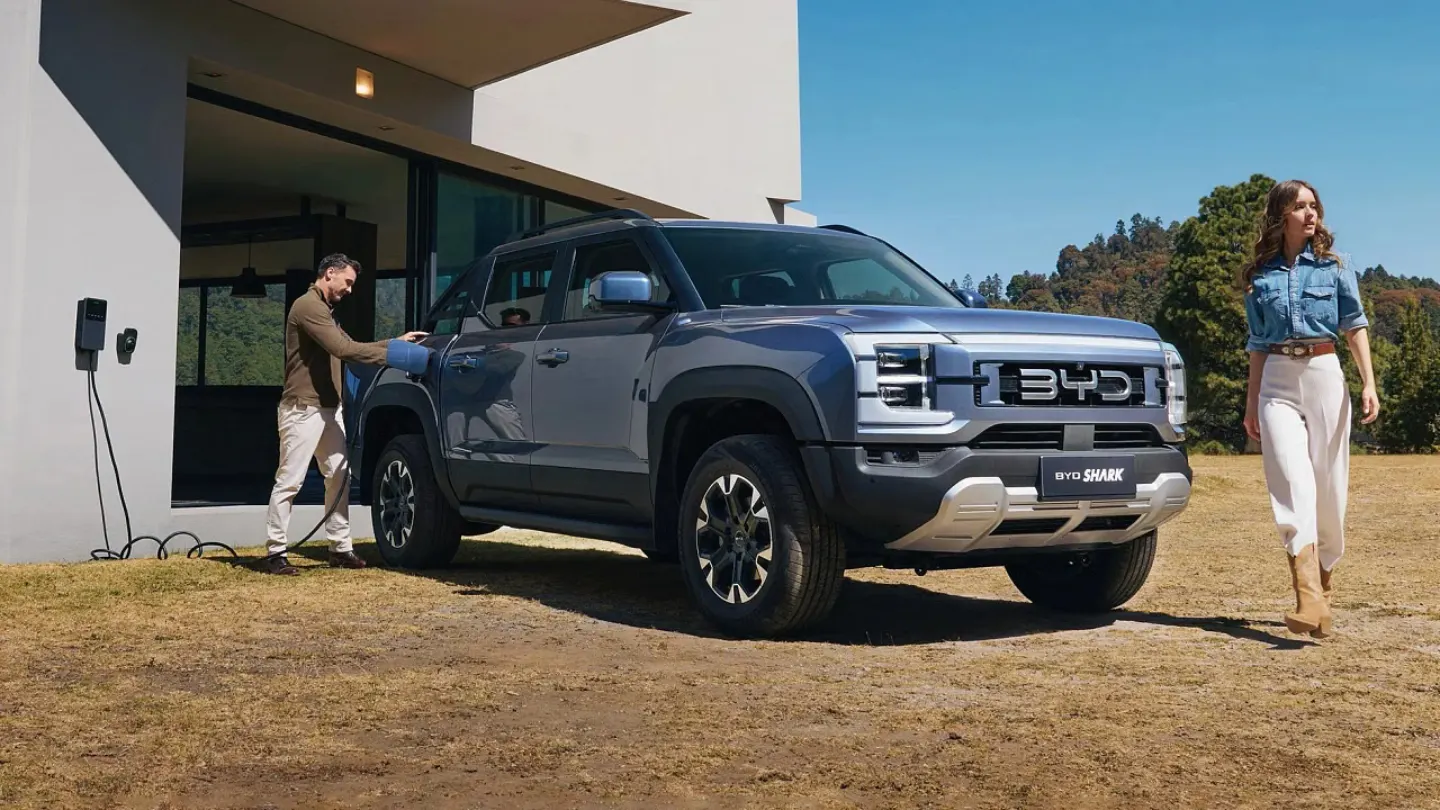
If you follow the dual-cab ute market, you can see a gradual shift going on from traditional diesel to electrified ute options, which was triggered by the introduction of the New Vehicle Efficiency Standard (NVES).
The NVES is designed to penalise automakers whose overall fleet averages exceed strict carbon emission targets. And it’s not just the emissions policy; the soaring fuel costs and economic volatility, which have been encouraged by the Middle East fuel supply crisis that started in early 2026, are also making the buyer think twice before buying a pure ICE workhorse.
It’s not just these two factors – many buyers are also switching to the electrified utes for their modern tech and features that they cannot find in the diesel ones, such as the V2L capability and instant maximum torque.
Readers also asked: What Australia’s new car emissions rules mean for buyers
Real-world fuel economy and running costs
Let’s compare a diesel and a plug-in hybrid (PHEV) ute in regional Australia by looking at the two top benchmarks in the market: the Ford Ranger 2.0L Bi-Turbo Diesel and the BYD Shark 6 PHEV.
| Scenario | Ford Ranger Bi-Turbo Diesel | BYD Shark 6 PHEV |
|---|---|---|
| Around-Town & Short Runs (Local farm runs, regional town trips) | 8.5 to 10.0 L/100km | 0.0 to 3.0 L/100km + Electricity (using its ~80km real-world EV range) |
| Highway Cruising (100–110 km/h) (Once the PHEV battery drops <25%) | 7.2 to 8.5 L/100km (Highly efficient at sustained speed) | 8.5 to 10.5 L/100km (petrol engine has to work harder) |
| Heavy Towing (2.5t to 3.0t) | 11.5 to 14.5 L/100km | 15.0 to 22.0 L/100km (small-capacity petrol turbos get thirsty under heavy load) |
The Ranger diesel consumes a steady, predictable amount of fuel throughout the year. With PHEV, the running costs vary depending on how you charge, how often you charge it and how you drive it.
If you charge the Shark 6 PHEV at home using your own solar panels or cheap off-peak power, your short daily trips cost way less than the diesel’s.
But if you do long highway runs and you rarely plug it in, the thirsty PHEV petrol engine is more expensive than the Ranger’s diesel.
For servicing and maintenance, a diesel ute is generally more expensive to keep than the PHEV ute’s powertrain, as the electric motor handles a lot of the heavy lifting there.
And if you have a PHEV ute and you are touring in the regional area, your small petrol tank gives you less range than the diesel, after the battery flats out.
Readers also asked: Should you still buy a ute in Australia in 2026?
Work and towing capability: Can PHEVs match diesel performance?
As we move into 2026, the new generation of PHEV utes can realistically match and often exceed diesel ute performance, but they do it using different technology.
New-gen PHEVs often dwarf standard diesels in raw pulling power by pumping out instant massive torque; for example, the upcoming Nissan Navara Pro PHEV ute targets 800Nm of torque, much higher than a Ranger V6’s 600Nm.
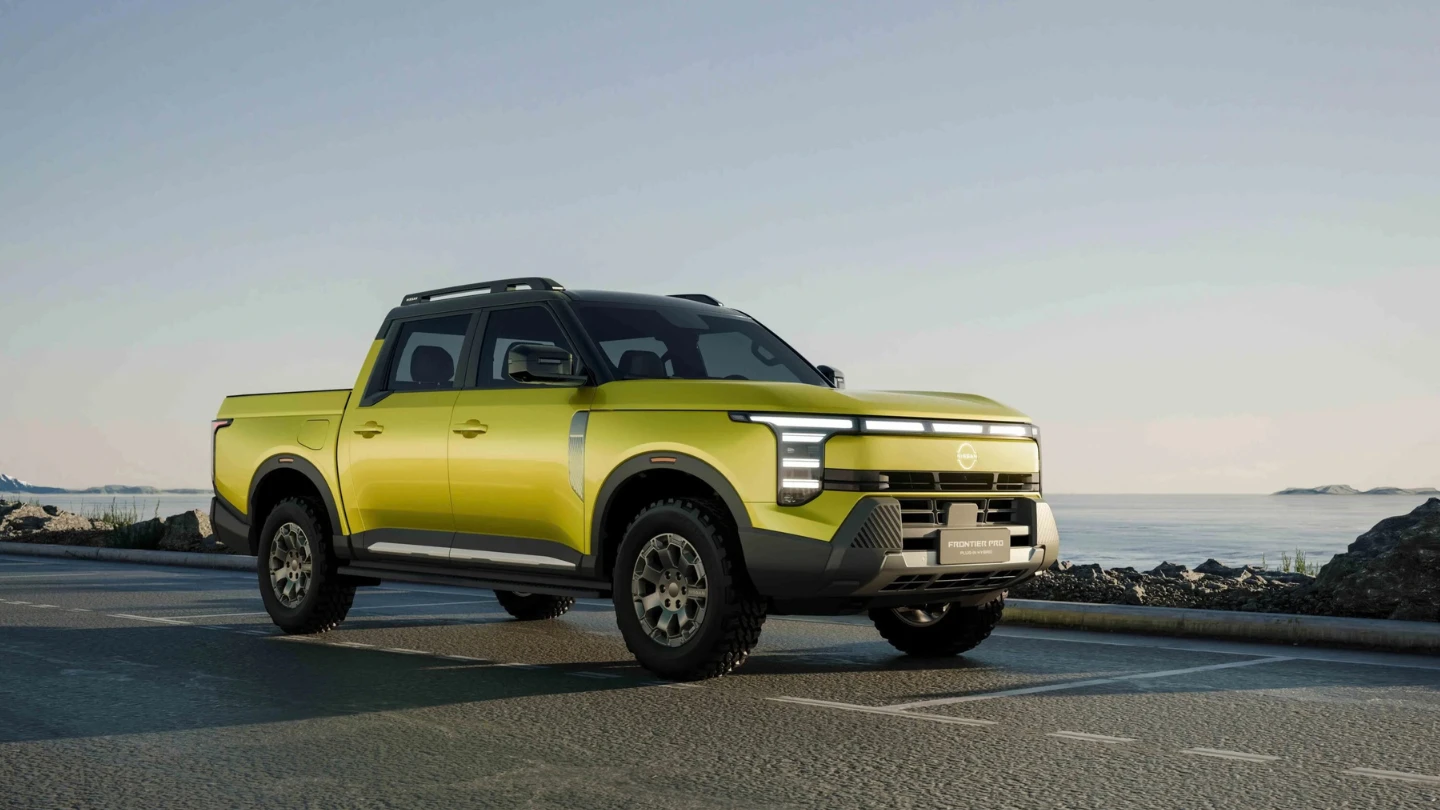
All the rapid engineering iterations in PHEV utes, such as the BYD Shark 6 and Ranger PHEV, have brought their braked towing capacity to 3.5 tonnes and 1-tonne payload, matching the diesel utes’ capabilities.
When it’s time to do sustained, heavy work, diesel utes perform more reliably than their PHEV counterparts as their battery depletes sooner and their turbo-petrol engines run hotter and inefficiently.
Worksite and off-grid utility: The V2L capability
When it comes to worksite and off-grid utility, the PHEV ute is significantly more helpful and capable than a traditional diesel.
| Feature | Diesel ute | New-gen PHEV ute |
|---|---|---|
| Built-in power output | Poor (Max 150W–400W; charging only) | Excellent (6.6kW–6.9kW; heavy tools) |
| Job site noise | High (Requires a separate petrol generator) | Zero (Runs completely silent off the battery) |
| Off-grid camping setup | Requires expensive aftermarket dual-battery mods | Ready out-of-the-box via high-capacity V2L |
| Remote regional repair | Excellent (Fixed easily anywhere in Australia) | Fair (Requires specialised high-voltage diagnostics) |
The only time when you may regret buying a PHEV workhorse in the Bush is when it gets a major electrical fault, and your mechanic buddy only knows how to fix those diesel utes.
Off-roading and drive systems: Mechanical 4×4 vs. electric AWD
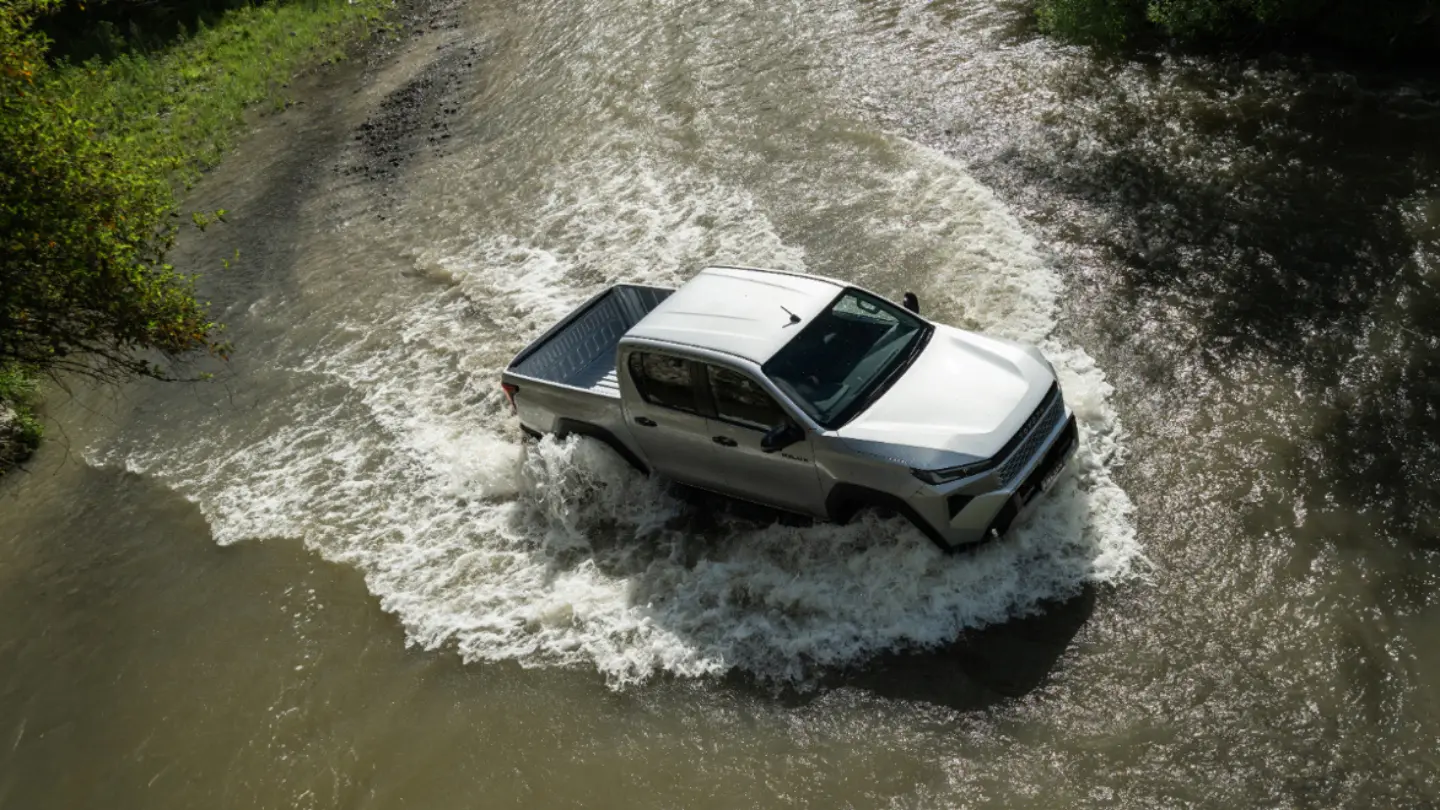
When you are on unfamiliar terrain, the electric all-wheel drive of the PHEV utes offers more convenient grip on the surface without any dedicated driver skill to manage momentum and wheel spin like mechanical 4×4 systems in diesel utes, but the electrified ute has downsides, too.
For instance, under sustained heavy slog like driving in deep sand for hours, its battery drains fast and then the inefficient engine kicks in. With diesels, you don’t even need to think twice before crossing water, especially if you have got a snorkel fitted.
Readers also asked: Petrol vs. Hybrid vs. EV running costs for Aussies
Ownership costs, FBT tax changes, and resale
The costs associated with buying and reselling your PHEV or diesel ute depend on the government tax policies, battery technology, and regional buyer psychology.
Take FBT tax first; the government ended the FBT exemption for PHEVs on 1 April 2025 in Australia, but a trade ute of whatever powertrain can still qualify for a standard commercial vehicle FBT exemption.
Building EVs and PHEVs is still more expensive than making ICE vehicles, and this reflects in your PHEV ute bill. For example, a Ranger PHEV can cost you around $71,990, while an entry-level diesel 4×4 ute sits in the 50k-60k range. PHEVs have relatively lower servicing and maintenance costs, but a major repair can cost a lot, especially around the battery casing.
For resale value, you can be assured that diesel utes are still in stable regional demand, while the PHEV ones resell mainly based on their remaining battery warranty and health.
Cars24 Australia’s verdict: Matching your driving habits to the right powertrain
Buy a PHEV ute if you live just outside town, manage properties, or commute locally, and if you can plug it in at a homestead or workshop every night, as it will drastically cut your weekly fuel bills while giving you a petrol engine backup for infrequent longer trips.
Stick with a traditional diesel ute if you do a lot of long-distance country highway driving and heavy towing and want to keep its fuel consumption stable and predictable under continued strain.
FAQs
1. What is the downside of a PHEV ute?
The biggest downsides are high fuel consumption when towing or on long highway trips once the battery drains, a smaller petrol driving range, high upfront purchase costs, and a complex powertrain system that regional mechanics cannot easily fix.
2. Are PHEV utes worth it?
Yes, if you mostly do short local trips, can charge at home with solar, and use tools on-site via V2L plug outlets. They are not worth it if you spend all your time driving long highway distances or constantly towing heavy loads over state lines.
3. Which hybrid ute is more efficient, the Ford Ranger PHEV or the BYD Shark 6?
The BYD Shark 6 is slightly more efficient for daily use because its larger battery gives it a longer real-world electric-only driving range (about 80–85km vs. the Ranger’s ~45km). However, once both batteries are flat on the highway, their fuel use is very similar.
4. What is the cheapest hybrid ute in Australia?
The BYD Shark 6 Premium is the cheapest mid-size PHEV ute, priced aggressively from $57,900 plus on-road costs.
5. What electric utes are available in Australia?
The fully electric (BEV) utes available right now are the KGM Musso EV, Toyota HiLux BEV, JAC T9 EV, Deepal E07 BEV, Tembo Tusker, and Ford F-150 Lightning (Import/Conversion). Pure electric utes launching soon Down Under are MG U9 EV, LDV eTerron 9, Riddara RD6, and Kia Tasman EV.
Comments
New Comment