




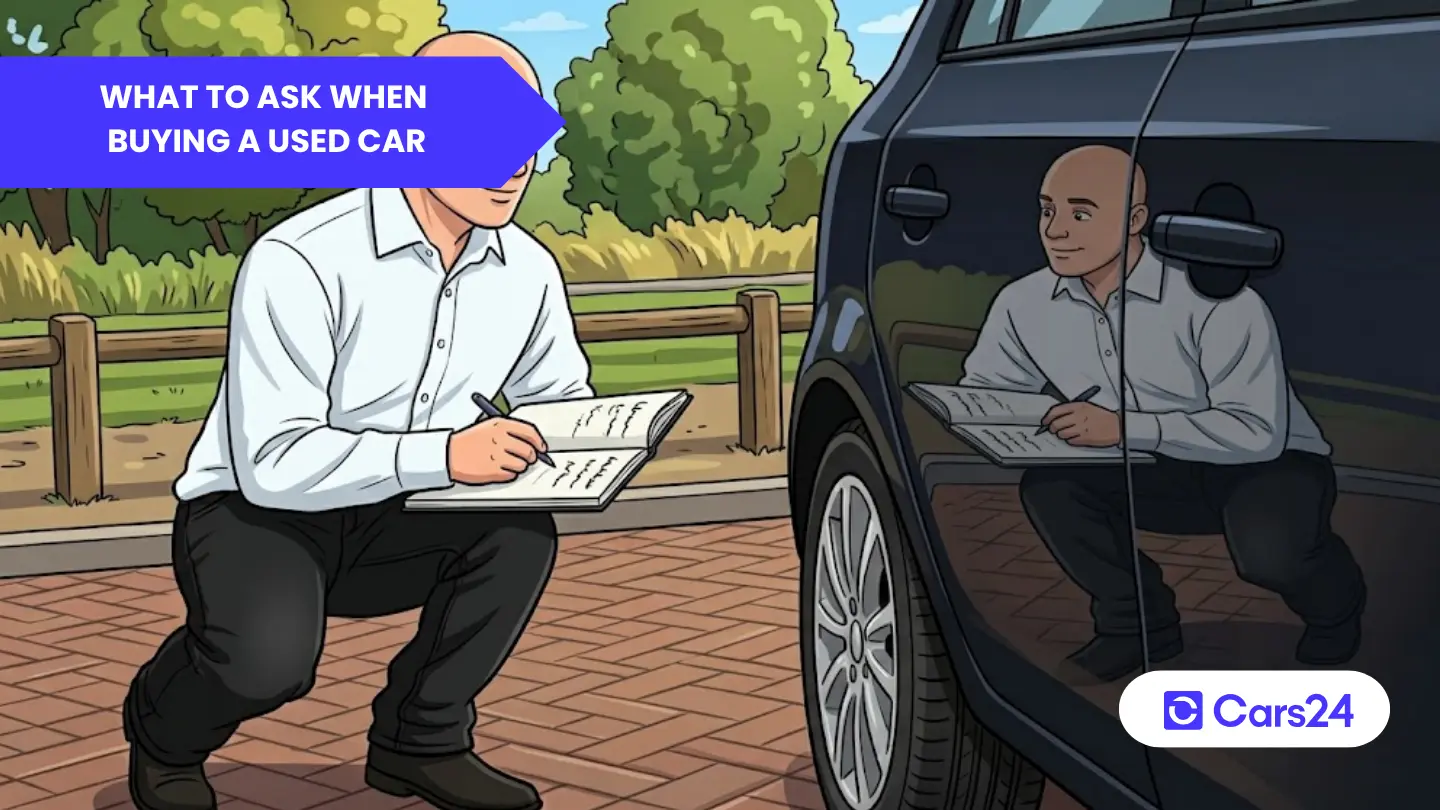
Buying a used car is not simply a matter of shopping around and deciding which car and at what price you want to buy. It is also important to know from whom you should buy the car. You need to ask different questions when purchasing a car from a private seller than you would from a car dealer. Both these types of sellers have their own advantages and disadvantages.
In particular, a private sale might offer a better price, but you have to perform more checks and investigations on your own when buying a car from an individual rather than a dealer. On the other hand, buying a car from a dealer offers you more consumer protection, but you may have to pay extra fees for this type of purchase. In any case, asking the correct questions will help you avoid buying a defective car, which would be very expensive and inconvenient.
Read more: What is a VIN Number and How to decode it in Australia
Questions to ask a private seller
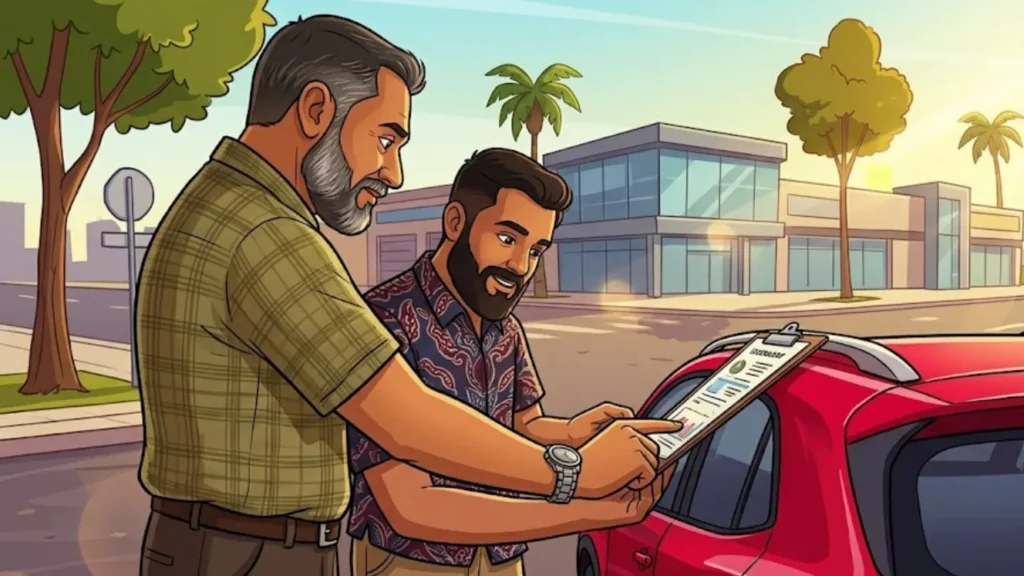
While private sellers can sometimes offer a better price than a dealership, keep in mind that with the lower price often comes more responsibility for researching the car’s history. Here are some important questions to ask a private seller before you buy:
Are you the registered owner?
Confirm that you are speaking with the person actually selling the car. Ask to see the registration papers and ensure that the VIN (vehicle identification number) on the car matches the one on the documents. It is also a good idea to make sure that the registration is up to date.
Does the car have any outstanding finance?
This is another very important question to ask a private seller. You can check the Personal Property Securities Register (PPSR) to confirm that there is no finance owing on the car and that it is not stolen or written off.
Do not rely on what the seller tells you, research the car’s history for yourself before buying.
Why are you selling the car?
There is nothing wrong with wanting a new car or needing a bigger car. However, if the seller’s reason for selling seems a little sketchy, it is probably best to keep looking. You can also ask the seller how long they have owned the car and how many previous owners it has had.
Has your car been in any accident?
Ask the seller if the car has been in an accident and, if so, what repairs were made. Ask if any panels have been replaced or repainted and request to see invoices or receipts if possible.
Can I see the service history?
A good service history is a tell-tale sign of a well-kept car. Ask to see the logbook and any service invoices and receipts for major work. You can also ask if servicing was done on time and if the work was done by a manufacturer dealer or an independent mechanic.
Has anything major been replaced?
Ask if the tyres, brakes, battery, clutch, timing belt or suspension have been replaced and ask for receipts if possible. This will give you an idea of the car’s general condition.
Can I get an independent inspection?
Finally, ask the seller if you can get an independent inspection of the car before you buy it. If they say no, this should raise some red flags.
Questions to ask a used car dealer
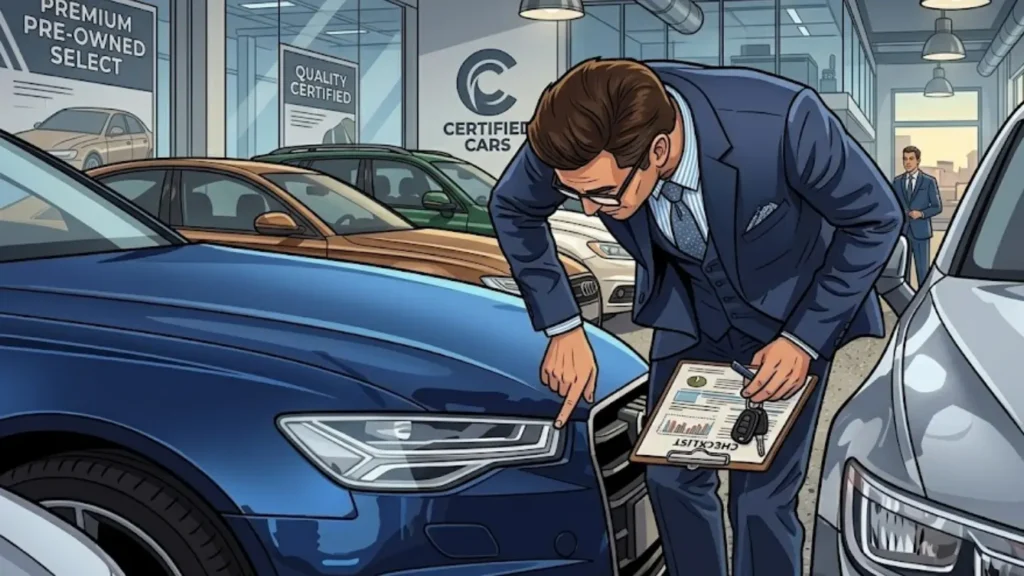
While private sellers can sometimes offer a better price than a dealership, keep in mind that with the lower price often comes more responsibility for researching the car’s history. Here are some important questions to ask a private seller before you buy:
Are you the registered owner?
Confirm that you are speaking with the person actually selling the car. Ask to see the registration papers and ensure that the VIN (vehicle identification number) on the car matches the one on the documents. It is also a good idea to make sure that the registration is up to date.
Is there any outstanding finance on the car?
This is another very important question to ask a private seller. You can check the Personal Property Securities Register (PPSR) to confirm that there is no finance owing on the car and that it is not stolen or written off.
Do not rely on what the seller tells you, research the car’s history for yourself before buying.
Why are you selling the car?
There is nothing wrong with wanting a new car or needing a bigger car – however, if the seller’s reason for selling seems a little sketchy, it is probably best to keep looking. You can also ask the seller how long they have owned the car and how many previous owners it has had.
Has the car ever been involved in an accident?
Ask the seller if the car has been in an accident and, if so, what repairs were made. Ask if any panels have been replaced or repainted and request to see invoices or receipts if possible.
Can I see the service history?
A good service history is a tell-tale sign of a well-kept car. Ask to see the logbook and any service invoices and receipts for major work. You can also ask if servicing was done on time and if the work was done by a manufacturer dealer or an independent mechanic.
Has anything major been replaced?
Ask if the tyres, brakes, battery, clutch, timing belt or suspension have been replaced and ask for receipts if possible. This will give you an idea of the car’s general condition.
Can I get an independent inspection?
Finally, ask the seller if you can get an independent inspection of the car before you buy it. If they say no, this should raise some red flags.
Buying from a dealer can provide stronger consumer protections than a private sale, but that doesn’t mean you should skip your checks.
Has the car even been in an accident or has been damaged?
Don’t assume a dealer car has a completely clean history. Ask about previous accidents, repairs, panel replacements and repainting. You can also ask the dealer to confirm the vehicle’s PPSR status and provide relevant documentation.
Are there any extra costs I should know about?
Ask for a breakdown of the total purchase price so there are no unexpected charges later. Ask whether there are dealer, administration, delivery or other additional charges. Get the total drive-away price in writing before agreeing to the purchase.
What happens if I find a fault after buying it?
Ask the dealer what happens if the vehicle develops a problem shortly after purchase. Understanding your rights and the dealer’s obligations before signing the paperwork can save you a lot of trouble later.
You can also ask whether roadside assistance is included and whether you can arrange an independent inspection before buying.
Private seller vs dealer
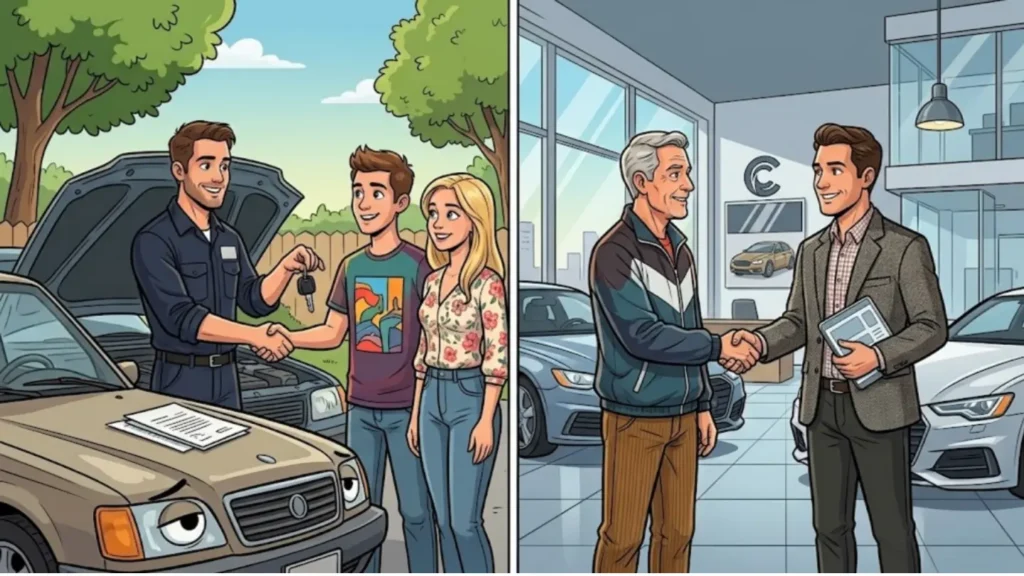
There isn’t a srtraight-forward answer to this question. While buying from a private seller can sometimes offer a lower price and greater room for negotiation, you will need to conduct more due diligence on the history, condition and paperwork of the vehicle.
Whereas a dealer may offer a higher price, they are bound by the Australian Consumer Law and applicable state/territory laws and may offer additional consumer protections or warranties depending on the vehicle and circumstances of purchase.
| Private seller | Dealer | |
| Price | Often lower | Can be higher |
| Negotiation | Often more flexible | Depends on the dealer |
| Consumer protection | Generally more limited | Generally stronger |
| Warranty | Usually no dealer warranty | Warranty or statutory protections may apply |
| Vehicle checks | Buyer should do their own | Ask for inspection and history |
| Paperwork | Buyer needs to check carefully | Dealer generally handles more |
The cheapest option isn’t necessarily the best one. A lower purchase price can quickly become expensive if the car needs major repairs soon after you buy it.
Checks to make before buying any used car
No matter who has the car, here are a few things to check before you buy
- Check the VIN and registration,
- do a PPSR check (where applicable)
- review the service and repair history,
- test-driven the car
- look for diagnostic trouble codes
- check the brakes,
- steering, air conditioning,
- and other systems,
- look for accidents
- inconsistencies in the paint,
- have the car independently inspected
- make sure the price is right.
- know your consumer rights and the warranty (if any) and
- never feel rushed into the deal. There’s always another used car available.
Final checklist before buying
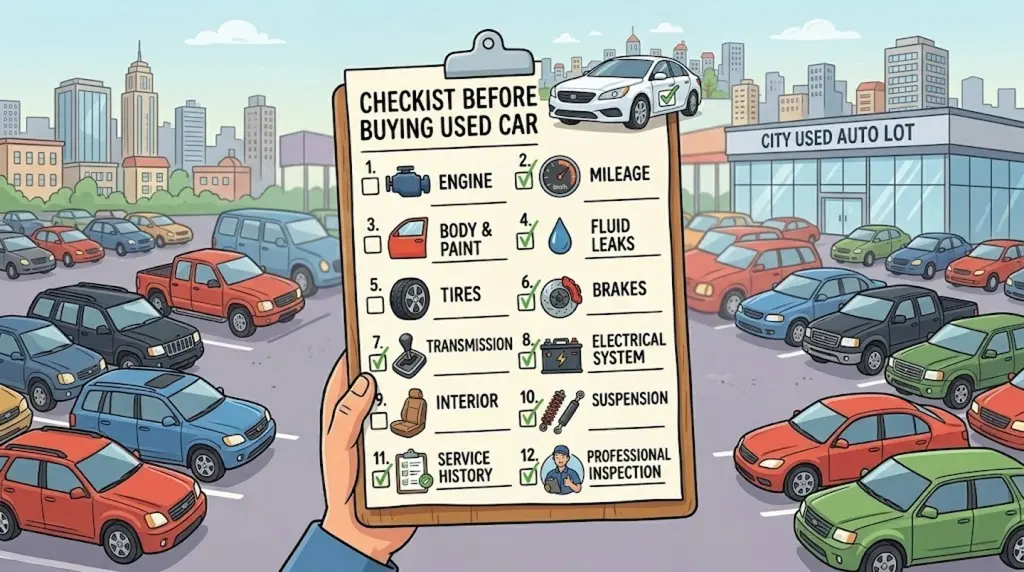
Cars24 Australia says to be sure to do the following before you buy a car:
- Verify history and PPSR status
- Check VIN and registration
- Review the service and repair history
- Ask about accidents and other major problems
- Test-driven the car
- Have the car independently inspected
- Make sure the price is right
- Know your consumer rights and the warranty (if any)
Whatever the situation, doing a little research can save you a lot of money. The car you are considering may well be a steal, but there are plenty of other used cars available. If something doesn’t feel right, don’t be rushed into a deal.
Private sales can offer lower prices, while dealers can provide stronger consumer protections and a more structured buying process. The better option depends on your budget and how much due diligence you’re comfortable doing yourself.
It’s a good idea to verify the vehicle’s history regardless of who you’re buying from. A PPSR check can provide information about finance owing, stolen vehicles and write-offs.
Yes. Private sellers may have more flexibility, but dealer prices can also sometimes be negotiated. Evidence of worn tyres, overdue servicing or upcoming repairs can give you more room to negotiate.
Yes. An independent inspection can identify mechanical or structural issues that may not be obvious during a short test drive. It can be particularly useful when buying privately, where the buyer generally has greater responsibility for checking the vehicle.

Comments
New Comment