




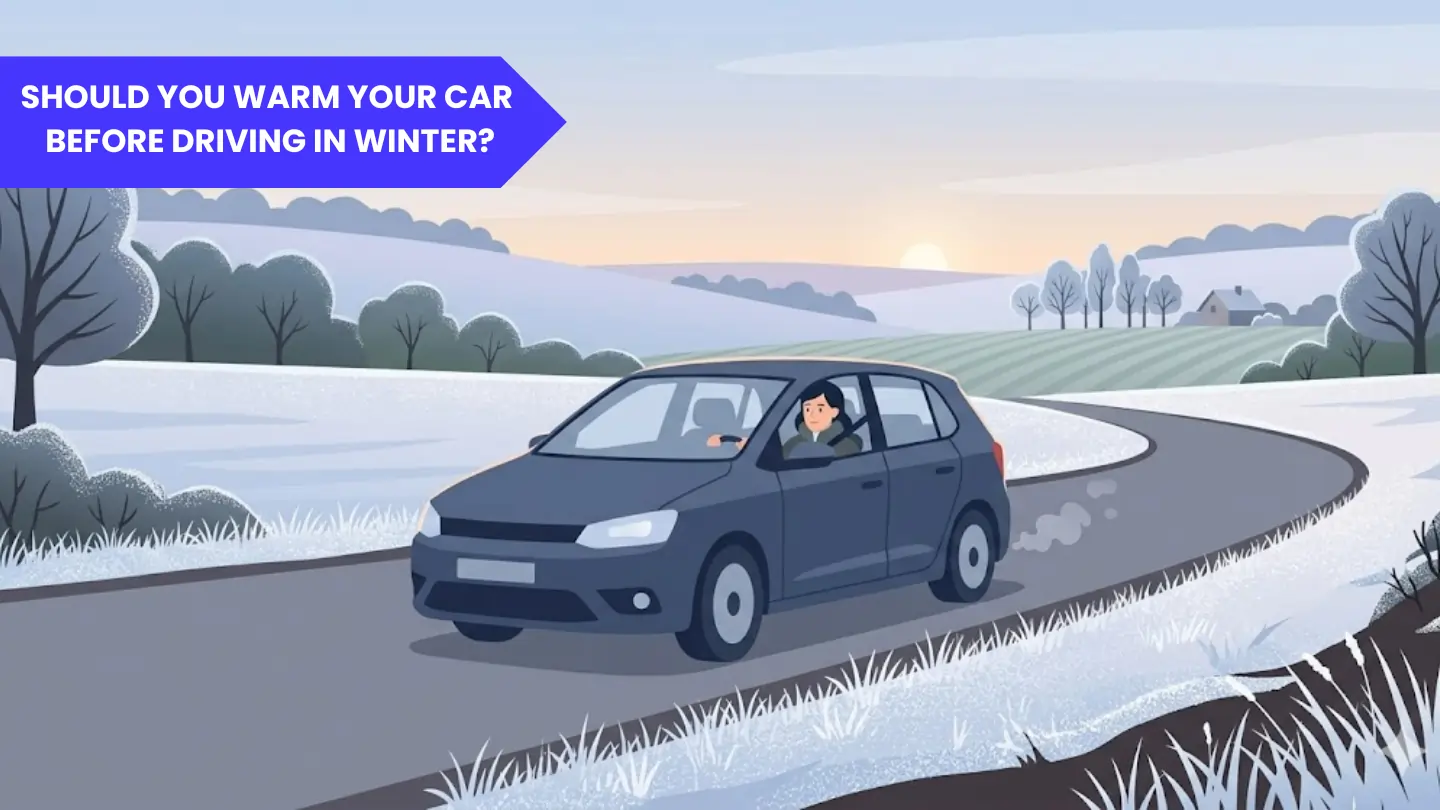
As winter settles across Australia, June is already bringing frosty mornings, fogged-up windscreens and icy starts to the day. And with the cold weather comes a familiar ritual for many drivers: starting the car and letting it idle in the driveway before heading off.
It’s advice that has been passed down for generations. But does your car actually need to warm up before you drive, or is it simply an old habit that’s stuck around longer than it should?
The short answer is: most modern cars don’t need a lengthy warm-up before driving.
Read more: Essential car maintenance tips for an Australian winter
The old rule was real, but it applied to older cars
For decades, warming up a car before driving was considered essential. Older vehicles equipped with carburettors often struggled in cold weather, and idling for a few minutes helped the engine run smoothly while oil circulated through critical components.
On cold mornings, driving off immediately could result in rough running, hesitation and increased engine wear over time.
But automotive technology has come a long way since then, and most Australians are no longer driving carburettor-equipped vehicles.
Modern cars don’t need a long warm-up

Modern petrol and diesel vehicles use electronic fuel injection systems that automatically adjust the fuel-air mixture during cold starts. Combined with modern engine oils and advanced lubrication systems, this means engines are ready to drive much sooner than they once were.
According to experts, engine oil begins circulating through the engine almost immediately after start-up. By the time you’ve adjusted your seat, buckled your seatbelt and set the climate controls, the engine is already fully lubricated.
In practical terms, that’s usually around 20 to 30 seconds. not five or 10 minutes.
While the engine won’t have reached its ideal operating temperature yet, that’s perfectly normal. Modern cars are designed to be driven before they’re fully warm.
Does Australia’s winter make a difference?
Unlike parts of North America and Europe, most Australian cities experience relatively mild winters. Drivers in Canberra, Hobart, regional Victoria and alpine regions are more likely to encounter frost and sub-zero temperatures, while cities such as Sydney, Brisbane and Perth generally experience cooler mornings rather than extreme cold.
That means for most Australians, the biggest winter driving challenge isn’t warming up the engine, it’s clearing condensation, frost or fog from the windscreen before setting off. In other words, your visibility is likely to matter more than your engine temperature.
Read more: 7 best PHEVs for buyers not ready for a full EV (2026)
So why do people still warm up their cars?

There are still a few good reasons to let your car idle briefly on a cold morning, just not for the engine’s sake.
As the vehicle warms up, the heater begins producing warm air that can help clear condensation and frost from the windows. This improves visibility and makes for a more comfortable drive.
If your car has been sitting unused for a week or more, allowing it to idle briefly before driving away may also provide some peace of mind.
Beyond that, however, there is little mechanical benefit to extended idling. In fact, the fastest way for a modern engine to reach operating temperature is simply to drive it.
The key is to take it easy for the first few minutes. Avoid hard acceleration, high revs and aggressive driving until the engine has warmed up properly.
What about idling for too long?
Letting your car idle for several minutes every morning doesn’t provide any meaningful benefit for most modern vehicles.
What it does do is consume fuel and create unnecessary emissions.
Because engines warm up more quickly when they’re being driven, prolonged idling often means you’re spending more time burning fuel while stationary than you need to.
If you’re driving a modern car, giving it 30 seconds to a minute before moving off is generally more than enough.
What if you drive an older or classic car?

The advice changes if your vehicle uses a carburettor.
Older and classic cars often benefit from a longer warm-up period, particularly on cold mornings. Allowing the engine to idle for a few minutes can help it reach the correct fuel-air mixture and run more smoothly before driving.
If you’re behind the wheel of a classic vehicle, it’s worth following the manufacturer’s recommendations for cold-weather starts.
What about electric vehicles?
Electric vehicles sit at the opposite end of the spectrum.
Because they don’t rely on an internal combustion engine, there’s no need to warm up the drivetrain before driving. Simply switch the vehicle on and go.
However, many EVs offer a pre-conditioning feature that allows owners to warm the cabin while the car is still plugged in. This can make winter mornings more comfortable while reducing the impact on driving range.
Read more: 5 best EV vans in Australia in 2026
Winter warm-up checklist
If you drive a modern petrol or diesel car, your winter routine can be as simple as:
- Start the engine.
- Let it idle for around 20 to 60 seconds.
- Clear any frost, ice or condensation from the windows.
- Fasten your seatbelt and get comfortable.
- Drive away gently.
- Avoid hard acceleration until the engine reaches operating temperature.
The bottom line
If you’re driving a modern fuel-injected car, warming it up for several minutes each winter morning is largely unnecessary.
A short idle period is fine if you need to clear the windscreen or take the chill out of the cabin, but your engine doesn’t need a lengthy warm-up before driving. Start the car, get settled and drive away gently.
You’ll warm the engine faster, waste less fuel and avoid unnecessary emissions, all without compromising engine health.
For most modern petrol and diesel cars, no. Modern engines and oils are designed to work effectively shortly after start-up, even on cold winter mornings. Once you’ve cleared any frost or condensation and allowed the engine to idle briefly, you can drive away gently without a lengthy warm-up.
The quickest way to warm up a modern car is to drive it gently. While some drivers let the engine idle for several minutes, engines typically reach operating temperature faster when the vehicle is moving. After starting the car, wait around 20 to 60 seconds, then drive away smoothly and avoid hard acceleration until the engine begins to warm up.
No. Most modern petrol and diesel cars can be driven shortly after starting. Experts generally recommend waiting around 20 to 60 seconds before driving away gently.
For most modern cars, nothing harmful happens if you drive shortly after starting the engine. Modern fuel injection systems and engine oils are designed to work effectively from cold starts, allowing drivers to set off after a brief idle period of around 20 to 60 seconds. The key is to drive gently and avoid hard acceleration until the engine reaches normal operating temperature.

Comments
New Comment