




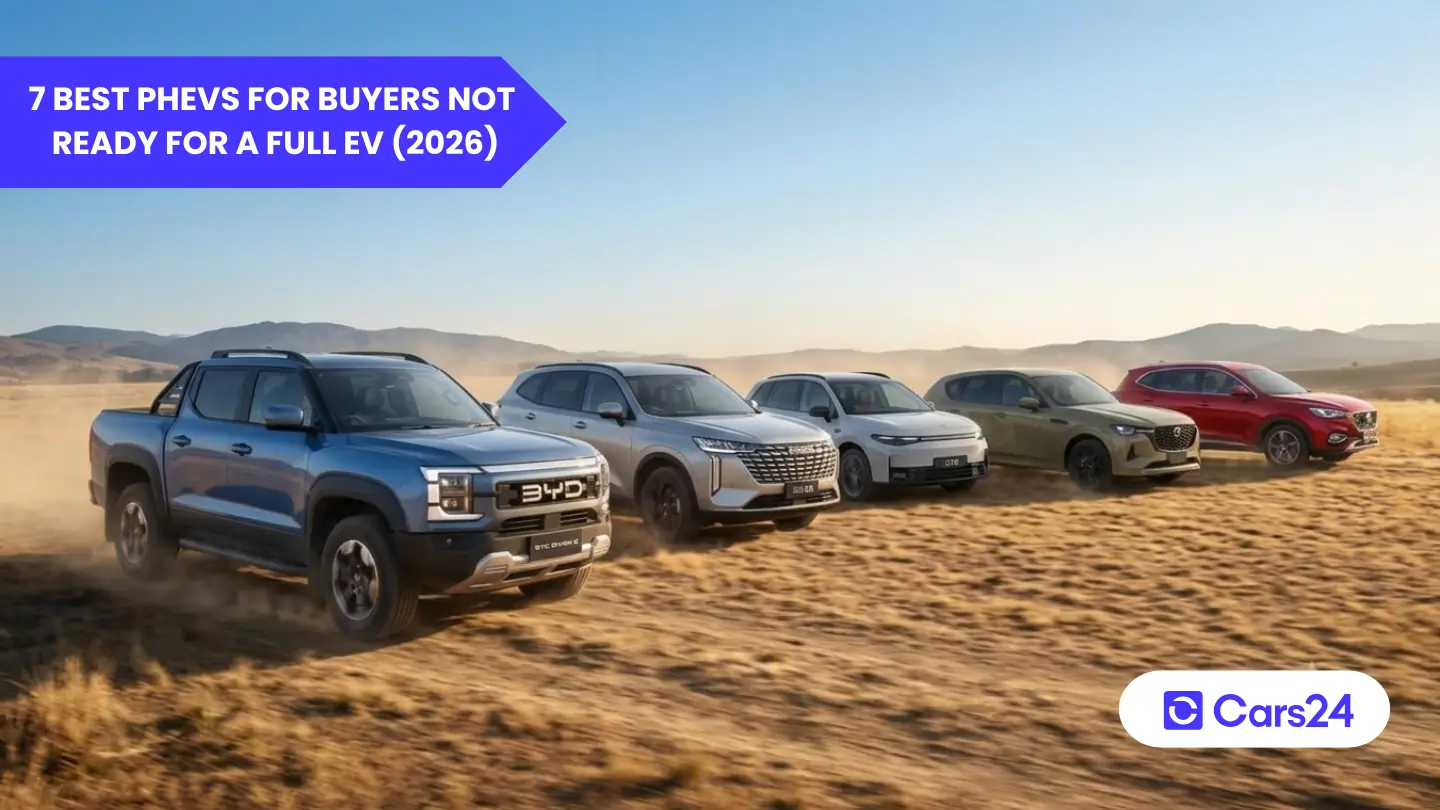
Australia’s transition towards electrified vehicles continues to accelerate, but not every buyer is ready to commit to a full battery-electric vehicle. Concerns around charging infrastructure, regional travel, towing requirements, and long-distance flexibility remain common reasons why many motorists are still hesitant to make the leap.
This is where plug-in hybrid electric vehicles (PHEVs) continue to play an important role. By combining a sizable battery pack with a petrol engine, PHEVs allow owners to complete most daily commuting on electricity while retaining the convenience of traditional refuelling for longer trips.
The latest generation of PHEVs has become increasingly capable. Many now offer electric-only driving ranges that comfortably cover typical daily travel, while improved technology and charging convenience have made ownership easier than ever. Some focus on family SUV practicality, others prioritise performance, while a growing number are designed to appeal to buyers who would otherwise consider a full EV.
The vehicles listed here represent some of the most compelling PHEVs available in Australia in 2026 for buyers wanting lower running costs and reduced emissions without fully abandoning the safety net of a combustion engine.
Here are 7 of the best PHEVS for Australians not ready to switch to a full EV.
| Model | Electric-only range(WLTP) |
|---|---|
| Leapmotor C10 REEV | Up to 145km |
| BYD Shark 6 Ute | Up to 80km |
| MG HS Plus EV | Up to 63km |
| Mitsubishi Eclipse Cross PHEV | Up to 55km |
| Mazda CX-60 PHEV | Up to 76km |
| GWM Haval H6 PHEV | Up to 106km |
| Cupra Leon VZe | Up to 121km |
GWM Haval H6 PHEV
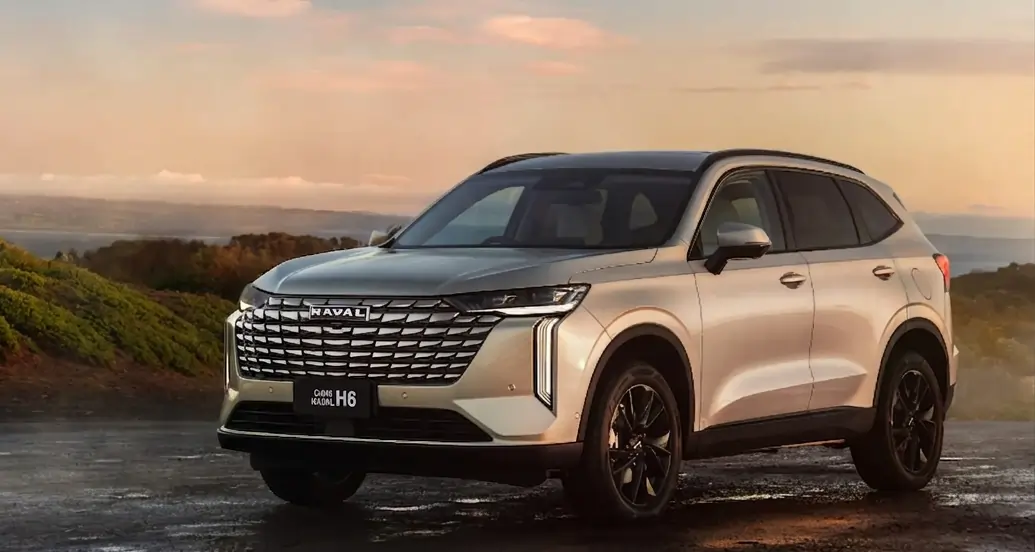


The GWM Haval H6 PHEV appeals directly to buyers who want to maximise electric driving without fully committing to a battery-electric vehicle. As charging infrastructure continues to expand across Australia, many motorists are discovering that a long-range plug-in hybrid can cover the vast majority of their daily driving while still offering the convenience of a petrol engine for weekends away and interstate travel.
Among the vehicles featured here, the Haval stands out for its impressive electric-only driving capability. While models such as the Mitsubishi Eclipse Cross PHEV and MG HS Plus EV provide enough range for shorter commutes, the Haval pushes much closer to EV territory, making it particularly attractive for buyers who want to minimise fuel use without changing their driving habits.
Compared with the premium-focused Mazda CX-60 PHEV, it offers a more value-oriented proposition, while buyers considering the Leapmotor C10 REEV may appreciate the familiarity of a conventional PHEV setup.
For Australians seeking the strongest balance between electric driving capability, SUV practicality and value, the Haval H6 PHEV has become one of the most compelling options in the segment.
| Specifications | GWM Haval H6 PHEV |
| Engine | 1.5L turbo-petrol plug-in hybrid + dual-electric motors (130kW +150kW) |
| Battery capacity | 34kWh |
| Combined power | 240kW |
| Combined torque | 540Nm |
| Drivetrain | Front-wheel drive/ All-wheel drive |
| Fuel consumption | 1.0-1.1L/100km |
| Electric range (WLTP) | 100-106km |
Leapmotor C10 Reev
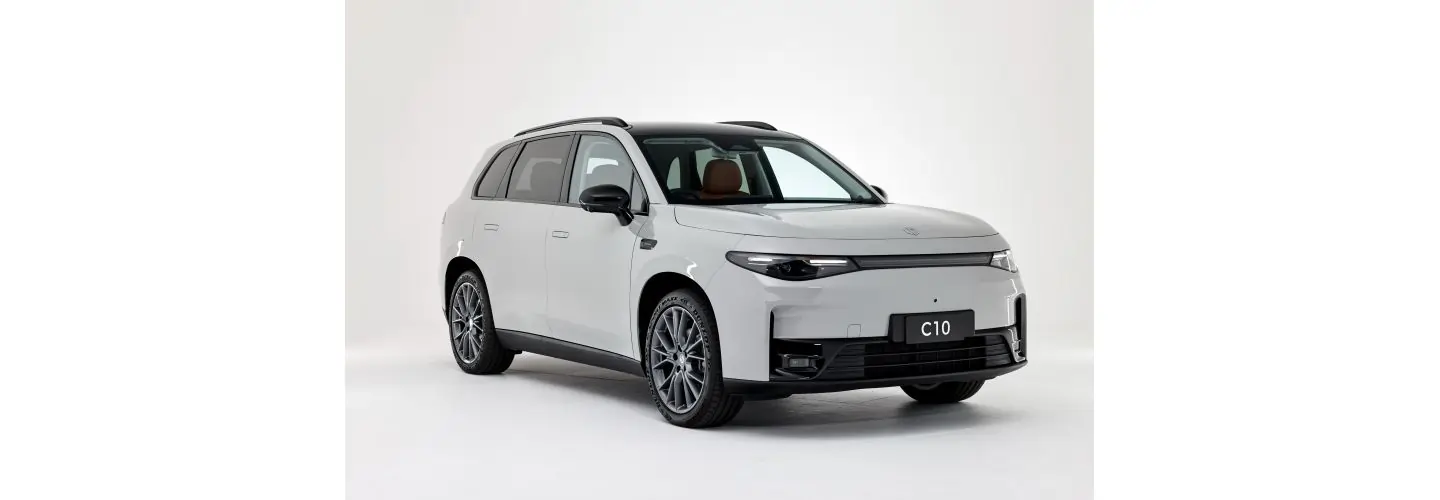
While technically a range-extender electric vehicle (REEV) rather than a traditional plug-in hybrid, the Leapmotor C10 REEV serves a similar purpose for buyers seeking electric driving with petrol-powered backup.
Unlike most traditional plug-in hybrids, it operates primarily as an electric vehicle, with a petrol engine acting as a generator to recharge the battery rather than directly driving the wheels.
For buyers curious about EV ownership but concerned about charging access, it offers one of the closest experiences to driving a full electric vehicle without the associated range anxiety.
From a buyer’s perspective, the C10 REEV feels like a logical stepping stone between conventional PHEVs and pure EVs. Its electric-first character delivers smoother and quieter driving than rivals such as the Mitsubishi Eclipse Cross PHEV which retains a more traditional hybrid feel.
The spacious SUV packaging also gives it strong family appeal. While the brand lacks the established reputation of Mitsubishi or Mazda, the C10 REEV compensates with advanced technology and a driving experience that may convince hesitant EV shoppers to embrace electrification sooner.
| Specifications | Leapmotor C10 Reev |
| Engine | 1.5L petrol plug-in hybrid + 158kW electric motor |
| Battery capacity | 28.4kWh |
| Combined power | 158kW |
| Combined torque | 320Nm |
| Drivetrain | Rear-wheel drive |
| Fuel consumption | 0.9L/100km |
| Electric range (WLTP) | 145km |
Read more: Top 10 used PHEVs in Australia in 2026
MG HS Plus PHEV
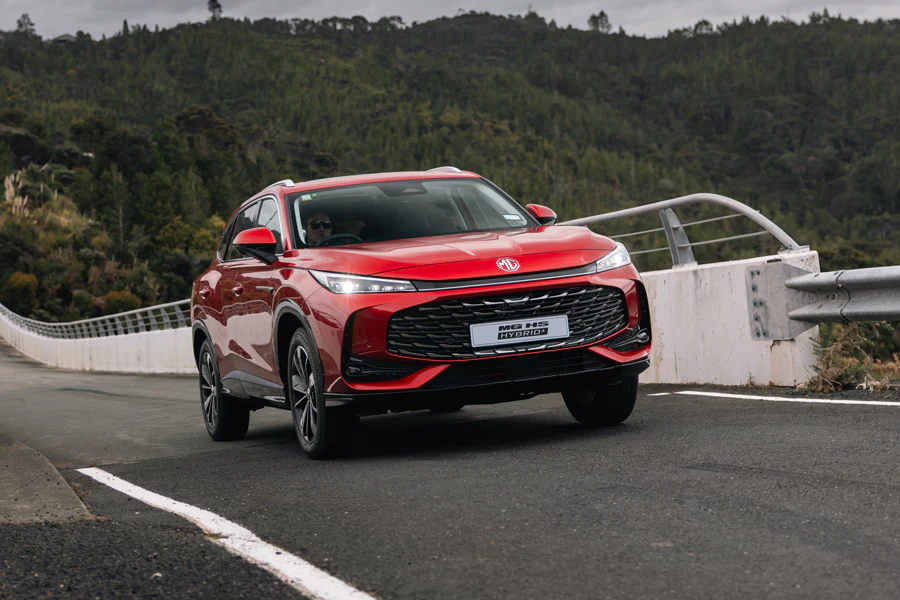
The MG HS Plus PHEV continues to attract buyers seeking an affordable entry point into plug-in hybrid ownership. While some rivals focus on premium positioning or cutting-edge technology, the MG prioritises value, making electrification accessible to a broader range of Australian households.
For many readers comparing ownership costs, the HS Plus EV makes a compelling case. It typically undercuts premium alternatives such as the Mazda CX-60 and Cupra Leon VZe while still offering useful electric-only driving capability for everyday commuting.
The cabin space also compares favourably with several rivals, making it a practical family vehicle. Although it doesn’t deliver the sophisticated driving dynamics of the Cupra or the electric-first experience of the Leapmotor C10 REEV, it succeeds by focusing on affordability and ease of ownership.
The model also carries a five-star ANCAP safety rating, adding further reassurance for family buyers.
| Specifications | MG HS Plus PHEV |
| Engine | 1.5L turbo-petrol plug-in hybrid + 90kW electric motor |
| Battery capacity | 1.83kWh |
| Combined power | 165kW |
| Combined torque | 340Nm |
| Drivetrain | Front-wheel drive |
| Fuel consumption | 5.8L/100 km |
| Electric range (WLTP) | Up to 63km |
Read more: Top 5 PHEVs in Australia under $40,000 in 2026
Mitsubishi Eclipse Cross PHEV
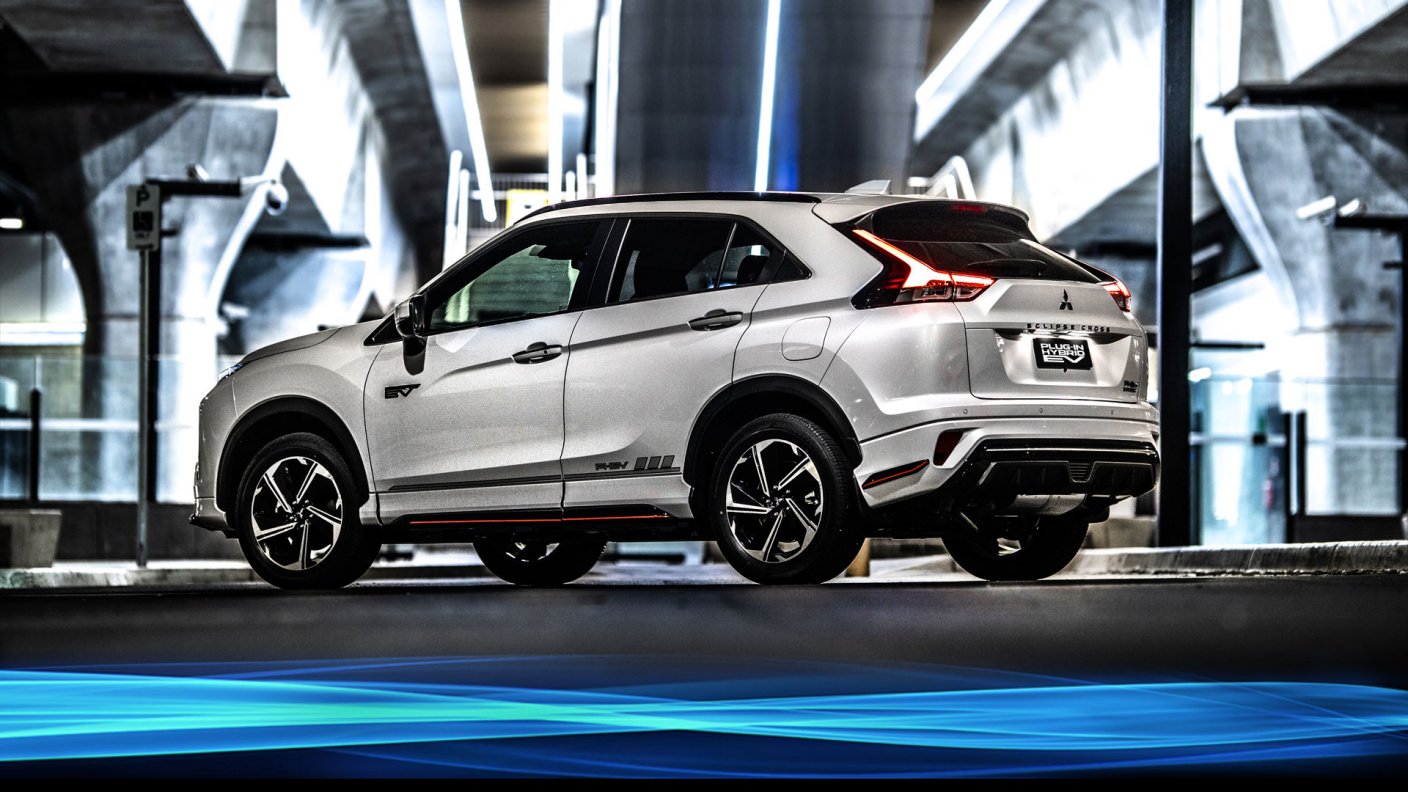
The Mitsubishi Eclipse Cross PHEV remains one of the most proven plug-in hybrid SUVs available in Australia. Having spent years establishing itself in the local market, it offers a level of familiarity and ownership confidence that newer entrants are still working to achieve.
For motorists who place reliability and dealer support high on their priority list, the Eclipse Cross continues to hold significant appeal. Compared with emerging competitors such as the Leapmotor C10 REEV, its technology may appear less ambitious, but its track record provides reassurance that many families value.
It also remains one of the few PHEVs with extensive real-world ownership history in Australia. While the Mazda CX-60 offers a more premium experience and the MG HS Plus PHEV often delivers stronger value, the Mitsubishi strikes a balanced middle ground.
It is particularly well suited to buyers who want to experiment with electric driving without venturing too far from established automotive brands and familiar ownership experiences.
| Specifications | Mitsubishi Eclipse Cross PHEV |
| Engine | 2.4L turbo-petrol plug-in hybrid +150kW electric motor |
| Battery capacity | 13.8kWh |
| Combined power | 154kW |
| Combined torque | 269Nm |
| Drivetrain | All-wheel drive |
| Fuel consumption | 1.9L/100km |
| Electric range (WLTP) | 54km |
BYD Shark 6 Ute
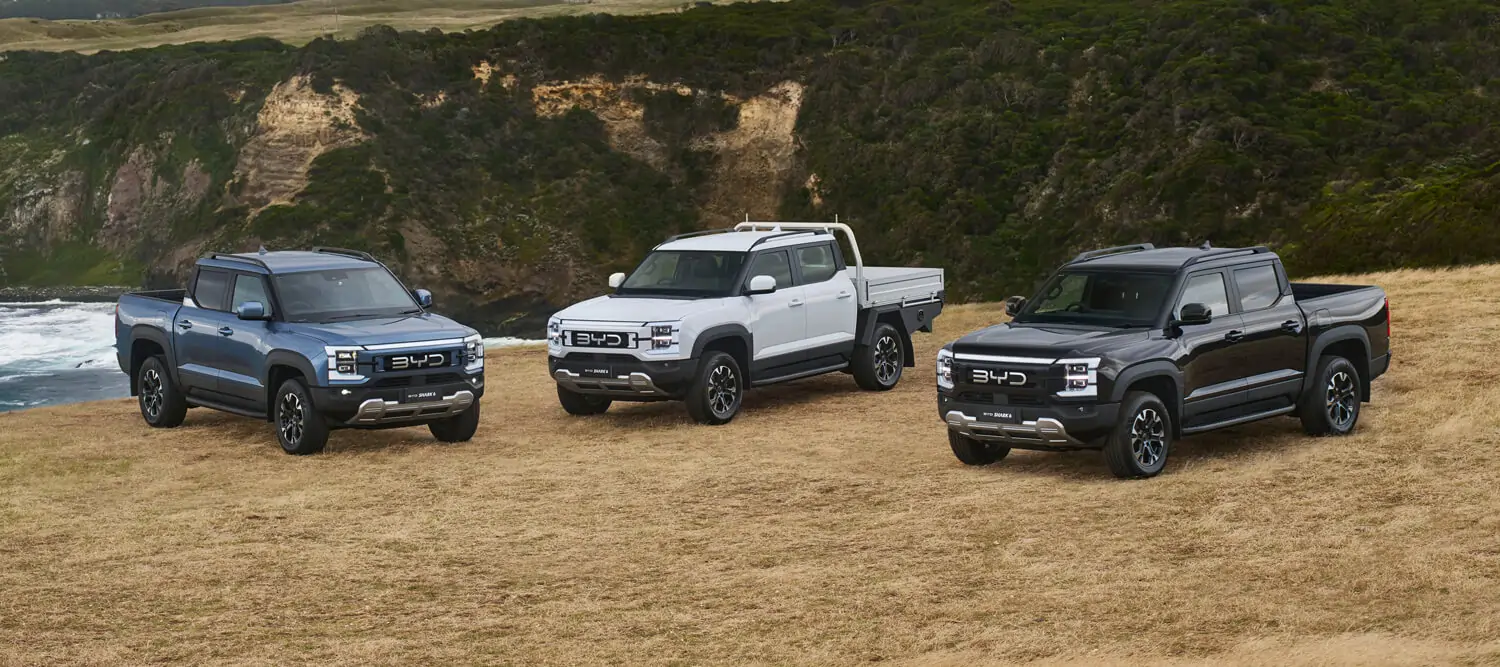
The BYD Shark 6 proves that plug-in hybrid technology is no longer confined to family SUVs. As a dual-cab ute, it offers a compelling alternative for buyers who need towing capability, payload flexibility, and genuine worksite practicality while still wanting significant reductions in fuel consumption.
Compared with the SUV-focused models on this list, the Shark 6 stands out because it caters to a very different audience. Buyers considering a Mazda CX-60 or MG HS Plus for family duties may find the Shark unnecessarily rugged, but tradies, caravan owners, and recreational users gain versatility that most PHEVs simply cannot match.
The ability to complete short commutes on electricity while retaining long-distance touring capability makes it particularly appealing in regional Australia. It also demonstrates how rapidly Chinese manufacturers are expanding the PHEV segment, offering technology and performance that challenge more established brands.
For buyers not ready to commit to an electric ute, the Shark 6 represents one of the strongest transitional options currently available. BYD Shark 6 also carries a five-star ANCAP safety rating, enhancing its appeal for both private and commercial users.
| Specifications | BYD Shark 6 |
| Engine | 1.5L turbo petrol + 321 kW electric motor |
| Battery capacity | 29.58kWh |
| Combined power | 321kW |
| Combined torque | 650Nm |
| Drivetrain | All-wheel drive |
| Fuel consumption | 2.0L/100km |
| Electric range (WLTP) | 70-80km |
Read more: Top 10 most fuel-efficient cars in Australia
Mazda CX-60 PHEV

The Mazda CX-60 PHEV targets buyers seeking premium SUV comfort while embracing electrification. Positioned above mainstream alternatives, it combines upscale cabin materials, strong performance, and impressive technology with the flexibility that plug-in hybrid powertrains provide.
Readers comparing premium family SUVs may find the CX-60 particularly attractive because it delivers a more luxurious ownership experience than most vehicles on this list. The interior quality feels a significant step above value-focused models such as the MG HS Plus EV, while the driving dynamics are noticeably more engaging than the Mitsubishi Eclipse Cross PHEV.
Unlike the Cupra Leon VZe, however, the Mazda focuses on SUV practicality rather than outright sporting character. Its combination of refinement, electric driving capability, and long-distance touring comfort makes it an appealing option for buyers who want many of the benefits of a premium EV but still require the flexibility of petrol-powered backup for regional travel and family road trips. The CX-60’s five-star ANCAP safety rating further strengthens its premium family SUV credentials.
| Specifications | Mazda CX-60 PHEV |
| Engine | 2.5L petrol plug-in hybrid + 100kW |
| Battery capacity | 17.8kWh |
| Combined power | 241kW |
| Combined torque | 500Nm |
| Drivetrain | All-wheel drive |
| Fuel consumption | 2.1L/100km |
| Electric range (WLTP) | 76km |
Read more: Top 10 most affordable hybrids in Australia in 2026
Cupra Leon VZe
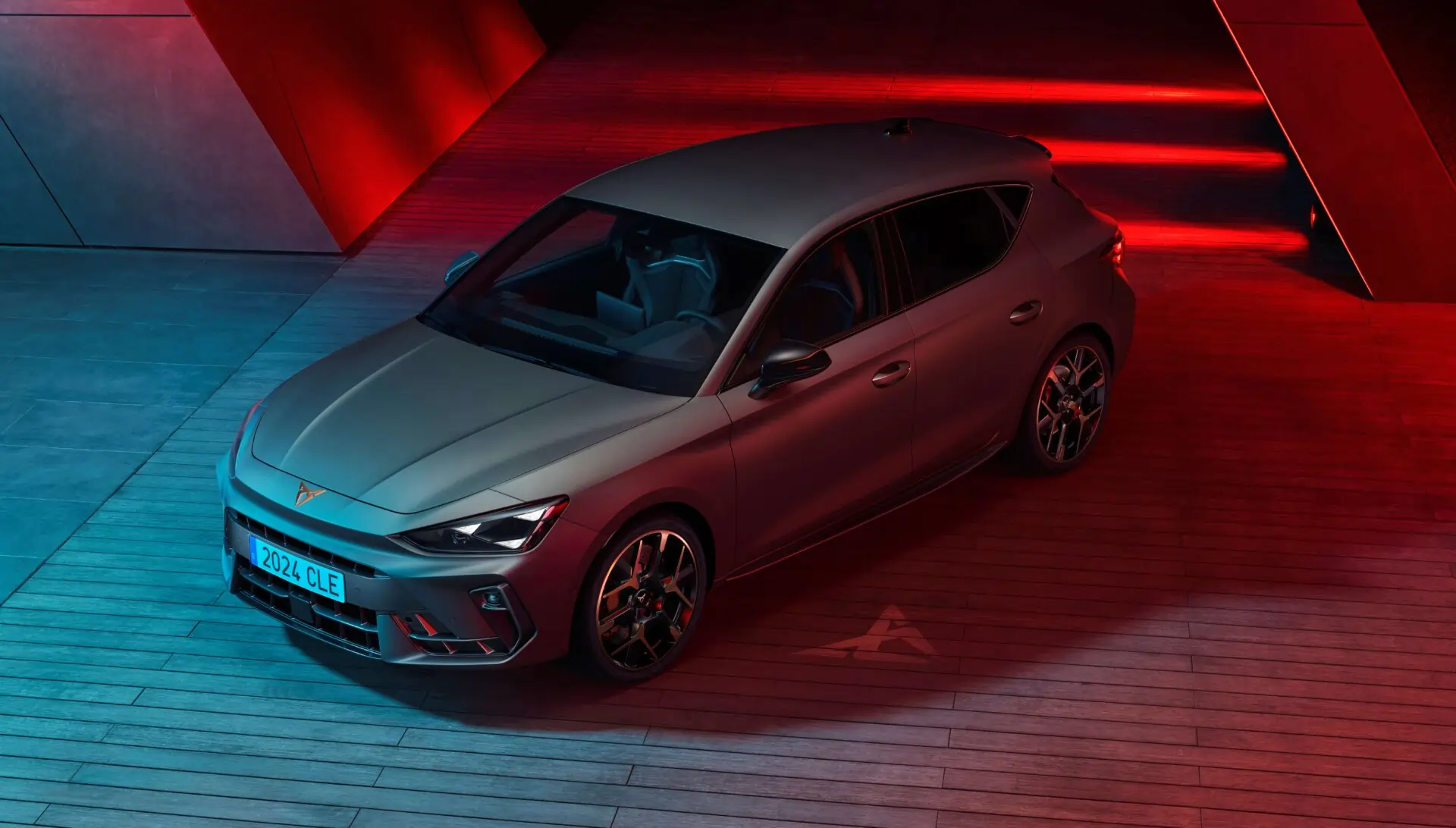
The Cupra Leon VZe demonstrates that plug-in hybrid vehicles can still deliver genuine driving enjoyment. Unlike the SUV-heavy focus of much of the PHEV market, the Leon VZe brings electrification to a sporty hatchback package designed for buyers who value performance as much as efficiency.
Its appeal differs considerably from the other vehicles featured here. While the BYD Shark 6 prioritises utility and the Mazda CX-60 focuses on family luxury, the Leon VZe caters to enthusiasts who want electrified motoring without sacrificing driver engagement.
The combination of electric assistance and turbocharged performance creates strong acceleration, while the lower ride height contributes to sharper handling than any SUV on this list.
Although rear-seat and cargo space cannot match larger family-focused rivals, buyers who spend most of their time commuting or driving solo may find the Leon VZe offers the most rewarding experience. It proves that transitioning away from traditional petrol power does not have to come at the expense of driving enjoyment.
| Specifications | Cupra Leon VZe PHEV |
| Engine | 1.5L turbo-petrol plug-in hybrid + 85kW electric motor |
| Battery capacity | 19.07kWh |
| Combined power | 200kW |
| Combined torque | 400Nm |
| Drivetrain | Front-wheel drive |
| Fuel consumption | 0.8L/100km |
| Electric range (WLTP) | 121km |
Read more: The ultimate list of the best hybrid SUVs in Australia in 2026
Why do PHEVs make sense for hesitant EV buyers in 2026?
For many Australians, plug-in hybrids represent the most practical bridge between conventional petrol vehicles and full electric cars. They allow owners to complete daily commutes using electricity while retaining unrestricted long-distance capability through a petrol engine.
This flexibility remains particularly valuable in regional areas, for apartment dwellers without dedicated charging, and for buyers who frequently undertake interstate travel. Modern PHEVs also offer increasingly competitive electric-only ranges, helping owners significantly reduce fuel consumption without changing driving habits.
As charging infrastructure continues to expand, many buyers view PHEVs as a low-risk way to become familiar with electrified driving before eventually transitioning to a fully electric vehicle.
Final thoughts
The best PHEV for buyers not ready for a full EV ultimately depends on individual priorities. The Leapmotor C10 REEV offers one of the closest experiences to EV ownership, while the BYD Shark 6 brings electrification to the ute segment.
The MG HS Plus PHEV focuses on value, the Mitsubishi Eclipse Cross PHEV emphasises proven ownership credentials, and the Mazda CX-60 PHEV delivers premium appeal.
Meanwhile, the GWM Haval H6 PHEV balances efficiency and practicality, while the Cupra Leon VZe demonstrates that electrification can still be enjoyable for enthusiastic drivers.
For Australians who want lower running costs and electric driving capability without fully committing to a battery-electric vehicle, these seven models represent some of the strongest options available in 2026.

Comments
New Comment