




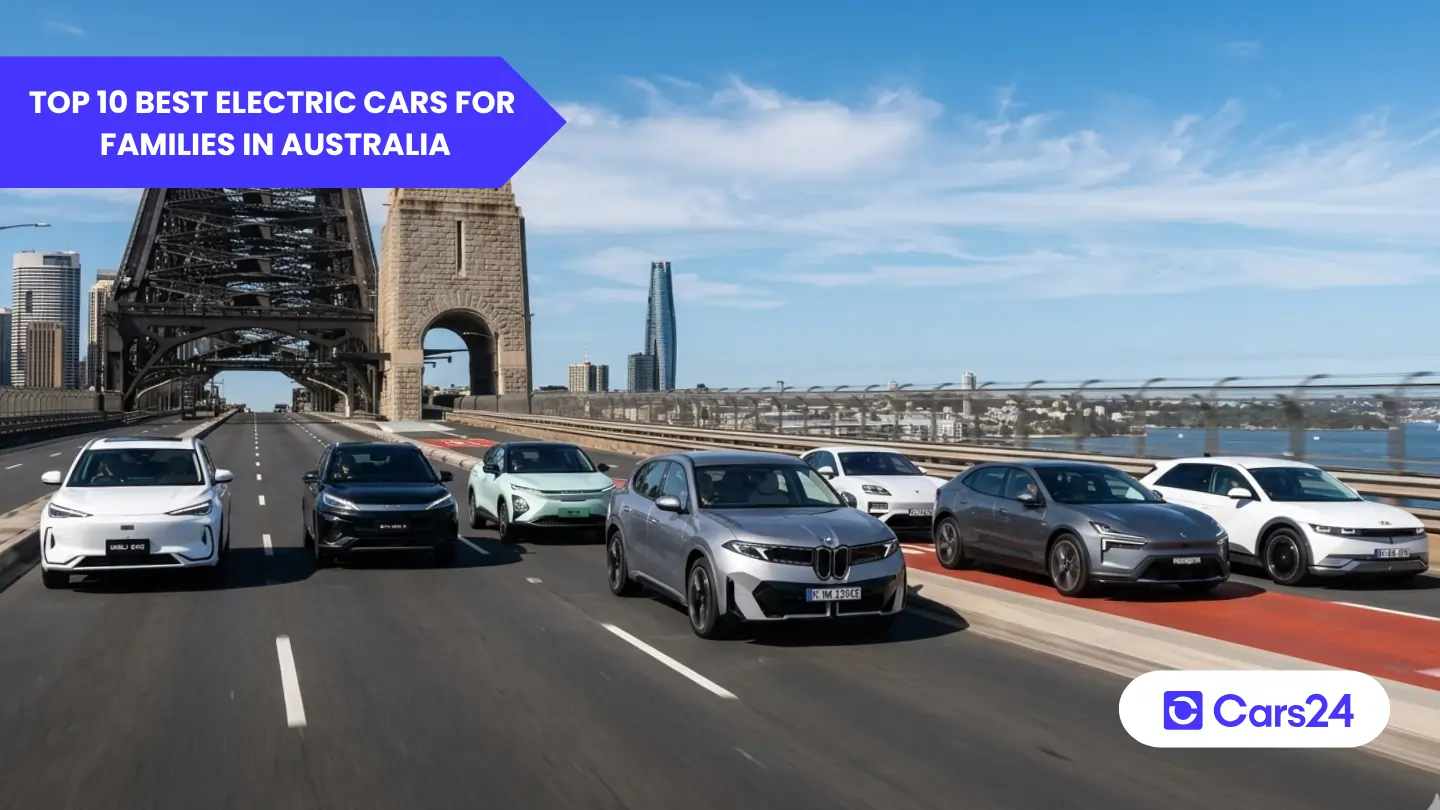
Electric cars are quickly becoming a mainstream choice for Australian families, with buyers now having far more options than just a few expensive early adopters. Better charging infrastructure, longer ranges, and stronger competition have made EV ownership more practical for Australian families than ever.
The latest electric family cars now cover a wide range of needs. Some focus heavily on affordability and low running costs, while others prioritise premium comfort, technology, or outright performance. Spacious SUVs remain the most popular choice for families, though electric sedans and people movers are also proving there’s more than one way to build a practical EV.
What’s particularly interesting in Australia’s EV market is how closely matched many of these vehicles have become. Affordable newcomers from Chinese brands now compete directly with established manufacturers on range, technology, and cabin quality, while premium brands continue pushing refinement and performance further.
If you’re looking for the best electric cars for families in Australia, these are 10 standout options worth considering.
Read more: Top 5 EV vans in Australia in 2026
Tesla Model 3


The Tesla Model 3 remains one of the most convincing electric family cars in Australia because it combines efficiency, practicality, and charging convenience better than most rivals. While SUVs such as the Hyundai Ioniq 5 and Kia EV3 offer a more traditional family shape, the Model 3 counters with impressive range, strong performance, and access to Tesla’s expansive Supercharger network, which still gives it an edge for regional travel.
Its cabin is minimalist compared to the more conventional layouts in the BMW iX3 or BYD Atto 3, though rear-seat space and boot capacity are still family-friendly enough for daily duties. Ride comfort has improved significantly in newer versions, making it more refined than earlier models.
For buyers prioritising technology, charging infrastructure, and long-distance usability, the Model 3 continues to set the benchmark many rivals are still chasing.
Read more: Tesla Australia Model Lineup Explained
| Specifications | Tesla Model 3 |
| Battery capacity | 60/80kWh |
| Power output | 188/343kW |
| Torque output | 350/681Nm |
| Transmission | Single-speed automatic |
| Drivetrain | Rear-wheel drive/All-wheel drive |
| Range | Up to 750km |
| Dimensions (L x W x H) | 4,720-4,724 x 1,850 x 1,431- 1,441mm |
| Seats | 5 |
Polestar 4

Few family EVs spark as much conversation as the Polestar 4, and for good reason. It takes a more premium and design-focused approach than mainstream rivals such as the BYD Atto 3 or Chery Omoda E5, but it still delivers the practicality families expect from a mid-size EV. Its cabin feels more upmarket than the Kia EV3 and noticeably more modern than the BMW iX3, with generous rear-seat space and a strong focus on comfort.
The standout talking point is the lack of a traditional rear window, replaced by a digital rear-view camera system, which may divide opinions among family buyers. In comparison to the Porsche Macan Electric, the Polestar leans more toward comfort than outright sportiness, making it easier to live with daily.
Strong driving range figures and fast charging capability further strengthen its appeal, particularly for buyers wanting something premium without moving fully into luxury-brand pricing territory.
| Specifications | Polestar 4 |
| Battery capacity | 102kWh |
| Power output | 200-400kW |
| Torque output | 343-686Nm |
| Transmission | Single-speed automatic |
| Drivetrain | Rear-wheel drive/All-wheel drive |
| Range | Up to 590km |
| Dimensions (L x W x H) | 4,840 x 2,008 x 1, 534-1,544mm |
| Seats | 5 |
BMW iX3
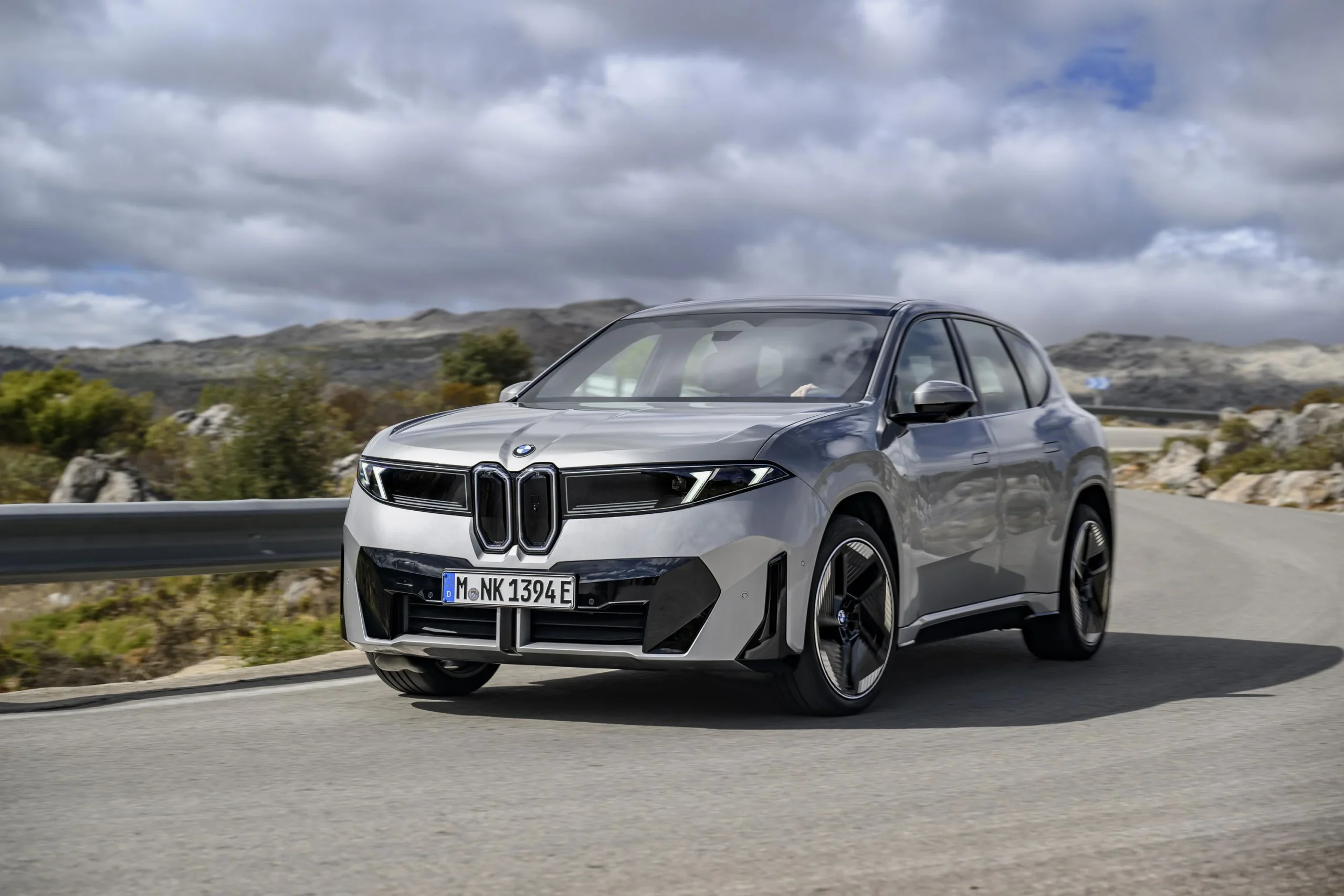
Families already comfortable in a BMW will find the iX3 the least disruptive switch to electric. It feels familiar and straightforward compared to more futuristic alternatives. Unlike the sharply styled Polestar 4 or tech-heavy Tesla Model 3, the iX3 retains the comfort and usability of a conventional BMW SUV, which many family buyers still appreciate.
Interior quality is excellent, and its ride comfort arguably surpasses the firmer Porsche Macan Electric. While it doesn’t offer the longest driving range or fastest charging speeds in this list, the iX3 compensates with balanced road manners and strong practicality. Boot space and rear-seat accommodation are generous enough for growing families, and the cabin ergonomics remain more intuitive than some newer EV rivals.
It’s a sensible option for buyers wanting premium quality without radically changing the driving experience they are already familiar with.
| Specifications | BMW iX3 |
| Battery capacity | 108.7kWh |
| Power output | 345kW |
| Torque output | 645Nm |
| Transmission | Single-speed automatic |
| Drivetrain | All-wheel drive |
| Range | Up to 805km |
| Dimensions (L x W x H) | 4,782 x 1,895 x 1,635mm |
| Seats | 5 |
Porsche Macan
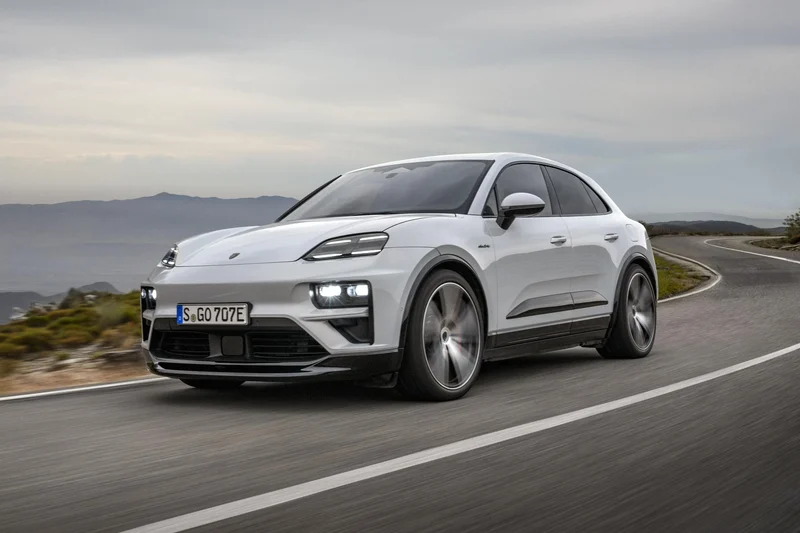
The Porsche Macan brings genuine sports-car character into the family EV space, offering sharper handling and stronger performance than almost every other model here. While the BMW iX3 and Hyundai Ioniq 5 focus more heavily on comfort and practicality, the Macan targets buyers who still want an engaging drive without giving up family usability.
Interior quality is among the best in the segment, and rear-seat space is more accommodating than previous Porsche SUVs. It also benefits from ultra-fast charging capability, making long-distance touring easier than in some cheaper EVs. However, practicality isn’t quite as clever as the Volkswagen ID Buzz or Kia EV3, and pricing pushes it well beyond mainstream territory.
For families wanting a premium EV that feels genuinely rewarding to drive, the Macan stands apart from more comfort-oriented electric SUVs currently available in Australia.
| Specifications | Porsche Macan |
| Battery capacity | 100kWh |
| Power output | 250kW |
| Torque output | 563Nm |
| Transmission | Single-speed automatic |
| Drivetrain | All-wheel drive |
| Range | Up to 613km |
| Dimensions (L x W x H) | 4,784 x 1,938 x 1,623mm |
| Seats | 5 |
BYD Atto 3
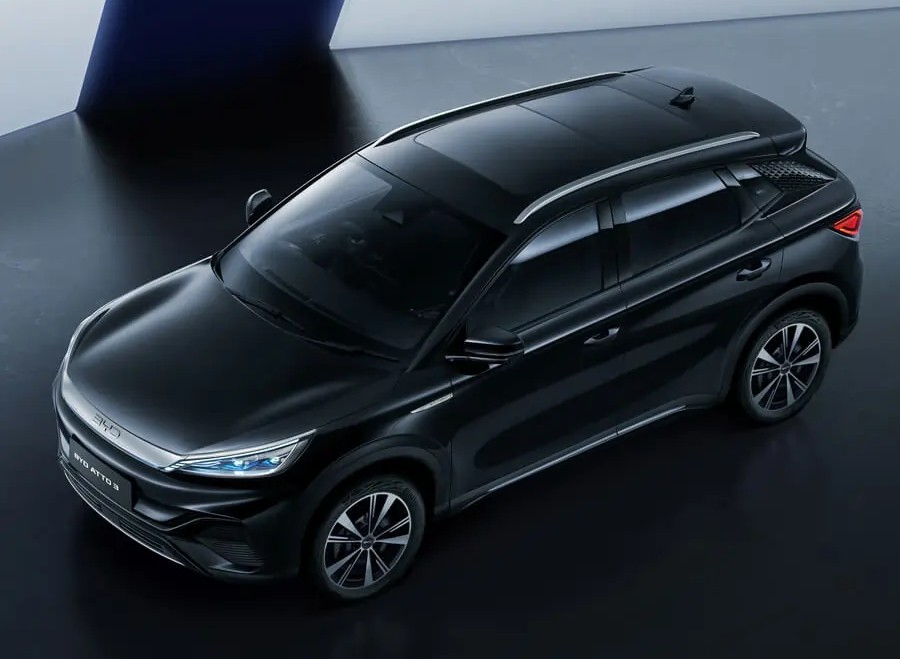
Value is the BYD Atto 3’s strongest argument, and it makes a compelling one. The Atto 3 has not so quietly become one of Australia’s most popular family EVs because it delivers solid practicality at a considerably lower price point than many rivals. Unlike the Polestar 4 or Porsche Macan Electric, the Atto 3 keeps things practical, generous standard equipment and a roomy interior at a fraction of the price
It’s not as refined or dynamically polished as the Tesla Model 3 or Hyundai Ioniq 5, but it remains easy to drive and inexpensive to run. The cabin design is more playful than most competitors, although material quality isn’t quite at the same level as the Kia EV3 or BMW iX3. Range and charging performance are respectable rather than class-leading, though still more than adequate for urban commuting and weekend travel.
For families entering the EV market for the first time, the Atto 3 continues to represent strong overall value.
Read more: BYD Australia Model Lineup Explained
| Specifications | BYD Atto 3 |
| Battery capacity | 49.92/60.48kWh |
| Power output | 150kW |
| Torque output | 310Nm |
| Transmission | Single-speed automatic |
| Drivetrain | Front-wheel drive |
| Range | 345-420km |
| Dimensions (L x W x H) | 4,455 x 1,875 x 1,615mm |
| Seats | 5 |
Kia EV3
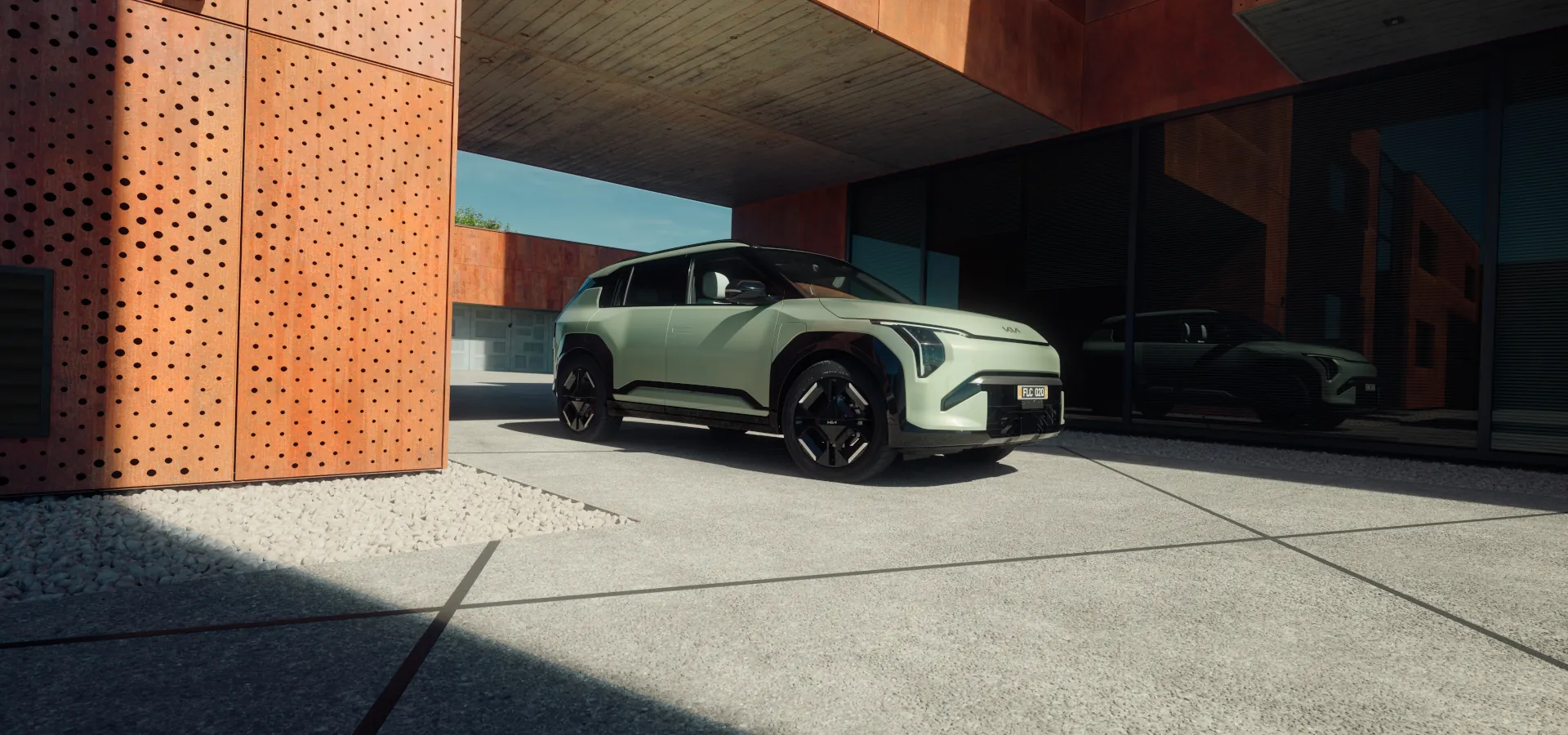
Don’t let the compact footprint fool you, the Kia EV3 punches well above its size. The EV3 enters the market as a smaller and more affordable alternative to larger family EVs like the Hyundai Ioniq 5 and Volkswagen ID Buzz. Despite its compact footprint, the EV3 maximises cabin packaging impressively well, offering interior practicality that feels closer to mid-size SUVs.
In contrast to the BYD Atto 3, the EV3 presents a more polished interior and stronger technology integration, while also delivering competitive driving range figures. Its styling follows the futuristic design language established by the larger EV9, giving it a more premium appearance than many compact EV rivals. While rear-seat space won’t match the cavernous ID Buzz, it remains sufficient for smaller families and urban use.
For Australian buyers wanting a modern electric SUV without stretching into premium pricing, the EV3 could emerge as one of the most well-rounded options in the segment.
Read more: All Kia Electric Cars in Australia: EV3, EV5, EV6, EV9 & Niro EV Explained
| Specifications | Kia EV3 |
| Battery capacity | 58.3kWh / 81.4kWh |
| Power output | 150kW |
| Torque output | 283Nm |
| Transmission | Single-speed automatic |
| Drivetrain | Front-wheel drive |
| Range | 436/ 563-604km |
| Dimensions (L x W x H) | 4,300 x 1,850 x 1,560mm |
| Seats | 5 |
Chery Omoda E5

The Chery Omoda E5 targets budget-conscious families looking for an affordable entry into electric motoring without sacrificing modern features. Positioned against value-focused rivals such as the BYD Atto 3 and Geely EX5, the Omoda E5 offers generous equipment levels and contemporary styling at a comparatively accessible price.
Its cabin presentation is surprisingly modern for the segment, though refinement and driving polish still trail more established competitors like the Hyundai Ioniq 5 or Tesla Model 3. Passenger space is competitive for a small SUV, making it practical enough for school runs and urban family duties. Charging speeds and driving range are respectable rather than class-leading, but likely sufficient for most metropolitan buyers.
Much like the broader rise of Chinese EV brands in Australia, the Omoda E5 demonstrates how quickly newer manufacturers are closing the gap on more established electric rivals.
| Specifications | Chery Omoda E5 |
| Battery capacity | 61kWh |
| Power output | 150kW |
| Torque output | 340Nm |
| Transmission | Single-speed automatic |
| Drivetrain | Front-wheel drive |
| Range | Up to 430km |
| Dimensions (L x W x H) | 4,424 x 1,830 x 1,588mm |
| Seats | 5 |
Volkswagen ID Buzz
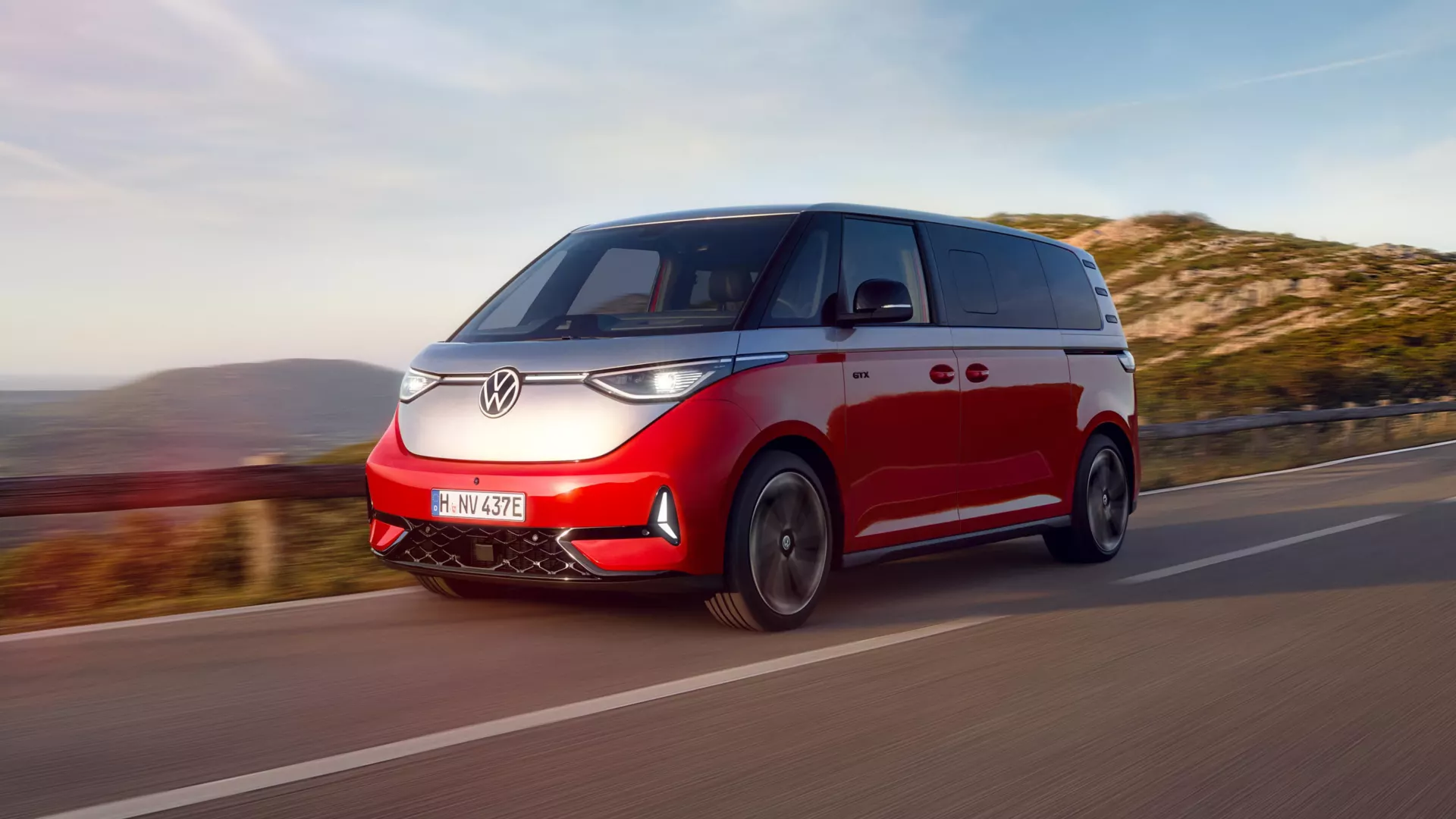
The Volkswagen ID Buzz approaches family transport very differently from the SUV-heavy competition here, prioritising outright space and versatility above all else. While vehicles like the Kia EV3 and Tesla Model 3 suit smaller households, the ID Buzz feels purpose-built for larger families needing flexible seating and substantial cargo capacity.
Its retro-inspired styling gives it far more personality than many modern EVs, while the airy cabin creates a genuinely practical environment for long trips. Compared to the Porsche Macan Electric or Polestar 4, the ID Buzz sacrifices sporty handling for comfort and usability, which is arguably more relevant for family buyers anyway. Range is solid considering its size, though efficiency naturally trails smaller EVs.
For families wanting something spacious, distinctive, and genuinely practical, the ID Buzz stands out as one of the most lifestyle-focused electric vehicles available in Australia.
| Specifications | Volkswagen ID Buzz |
| Battery capacity | 91kWh |
| Power output | 210-250kW |
| Torque output | 560Nm |
| Transmission | Single-speed automatic |
| Drivetrain | Rear-wheel drive/All-wheel drive |
| Range | Up to 431km |
| Dimensions (L x W x H) | 4,962 x 1,985 x 1,927mm |
| Seats | 5-7 |
Hyundai Ioniq 5
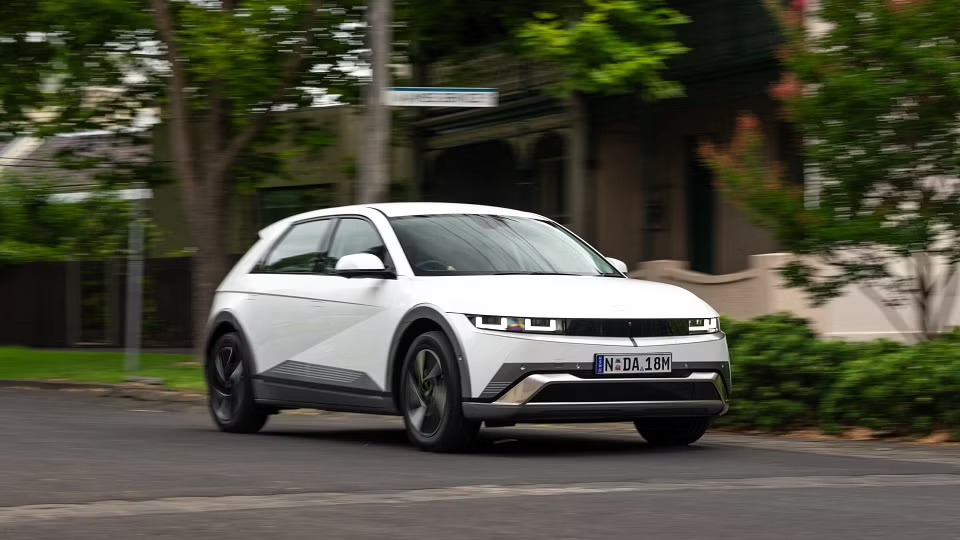
The Hyundai Ioniq 5 remains one of the most complete electric family cars in Australia because it balances comfort, technology, practicality, and charging performance exceptionally well.
Where the Porsche Macan Electric leans sporty and the BYD Atto 3 leans affordable, the Hyundai Ioniq 5 simply leans balanced, and that’s exactly what most families need.
Its spacious cabin and flat floor create excellent passenger room, while the sliding rear seats improve flexibility for growing families. Ultra-fast charging capability remains one of its strongest advantages over rivals such as the BMW iX3 and Chery Omoda E5. The retro-modern styling also helps it stand out without becoming overly polarising.
Although the Volkswagen ID Buzz offers greater outright practicality, the Ioniq 5 arguably delivers the best all-round balance of usability, range, comfort, and everyday drivability for Australian family buyers.
| Specifications | Hyundai Ioniq 5 |
| Battery capacity | 84kWh |
| Power output | 168–239kW |
| Torque output | 350–605Nm |
| Transmission | Single-speed automatic |
| Drivetrain | Rear-wheel drive/All-wheel drive |
| Range | Up to 570km |
| Dimensions (L x W x H) | 4,655 x 1,890 x 1,605mm |
| Seats | 5 |
Geely EX5
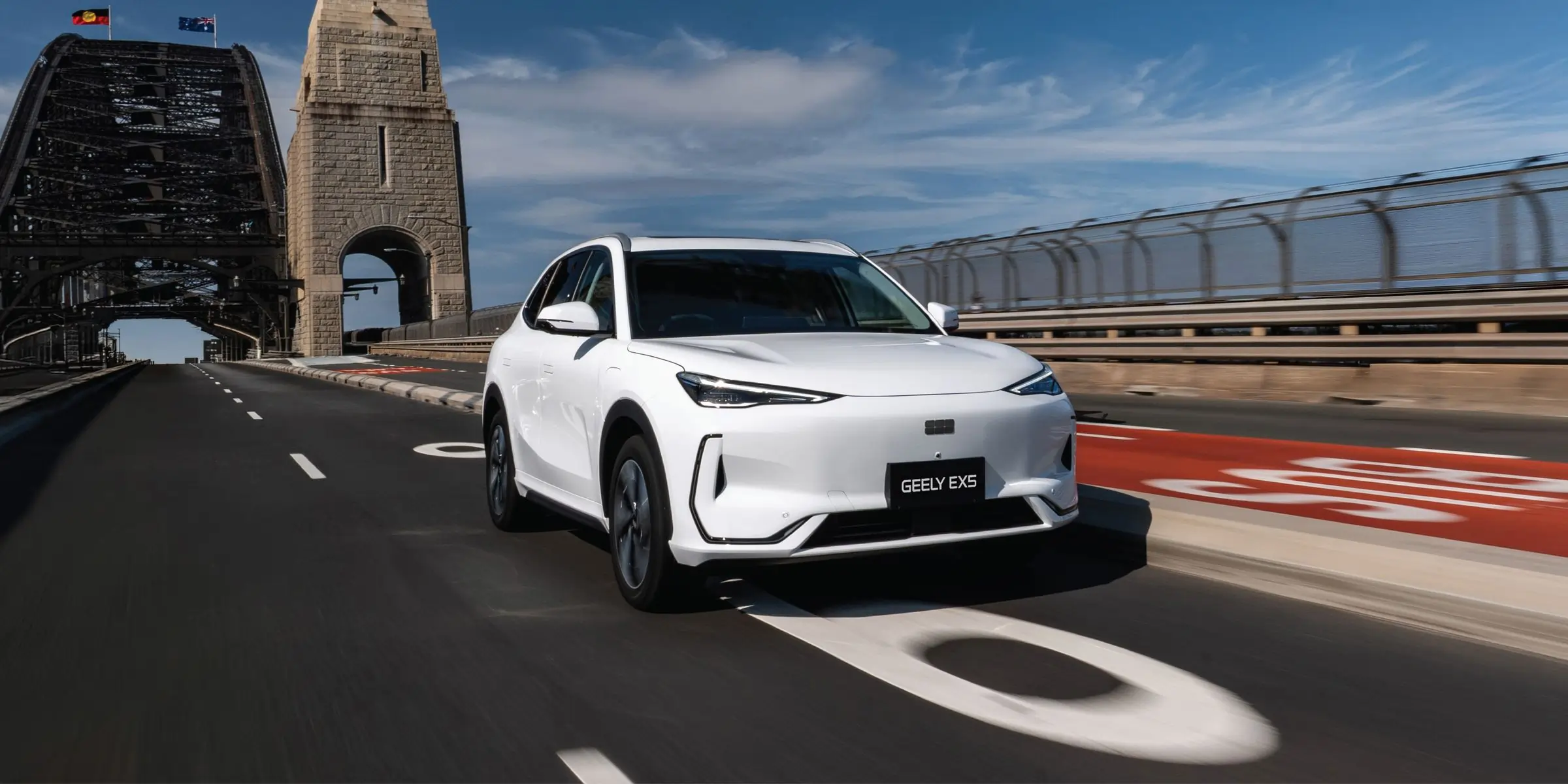
Chinese brands have been raising the bar in Australia’s EV market, and the Geely EX5 is another step in that direction. The EX5 enters the country focused heavily on value, technology, and family usability. Positioned against rivals such as the BYD Atto 3 and Chery Omoda E5, the EX5 aims to offer strong interior space and modern features at a competitive price point.
Early impressions suggest the cabin presentation feels more mature than some budget-focused EV competitors, while ride comfort appears tuned more toward family comfort than sporty handling. It won’t match the performance or premium feel of the Polestar 4 or Porsche Macan Electric, but that’s not really its purpose. Instead, the EX5 focuses on practicality, affordability, and low running costs, which remain major priorities for many Australian households transitioning to EV ownership.
As Chinese brands continue expanding locally, the Geely EX5 could become another strong mainstream option in the growing family EV segment.
Read more: Top 10 Best-selling Chinese cars in Australia for 2025
| Specifications | Geely EX5 |
| Battery capacity | 60.2kWh |
| Power output | 160kW |
| Torque output | 320Nm |
| Transmission | Single-speed automatic |
| Drivetrain | Front-wheel drive |
| Range | Up to 430km |
| Dimensions (L x W x H) | 4,615 x 1,901 x 1,670mm |
| Seats | 5 |
Final thoughts on the best electric family cars in Australia
Electric family cars in Australia are no longer limited to a handful of premium models. Buyers can now choose between affordable compact SUVs, spacious people movers, luxury performance EVs, and practical long-range sedans depending on their priorities and budget.
Vehicles such as the BYD Atto 3, Chery Omoda E5, and Geely EX5 show how accessible EV ownership is becoming, while models like the Hyundai Ioniq 5 and Kia EV3 demonstrate just how balanced modern electric SUVs have become for everyday family life. At the higher end, the Polestar 4, BMW iX3, and Porsche Macan Electric bring genuine luxury appeal without sacrificing practicality.
Meanwhile, the Tesla Model 3 and Volkswagen ID Buzz continue to prove there’s no single formula for a successful family EV. Whether buyers prioritise range, charging convenience, passenger space, or driving enjoyment, Australia’s electric car market now offers a family-friendly option for nearly every type of household.

Comments
New Comment