




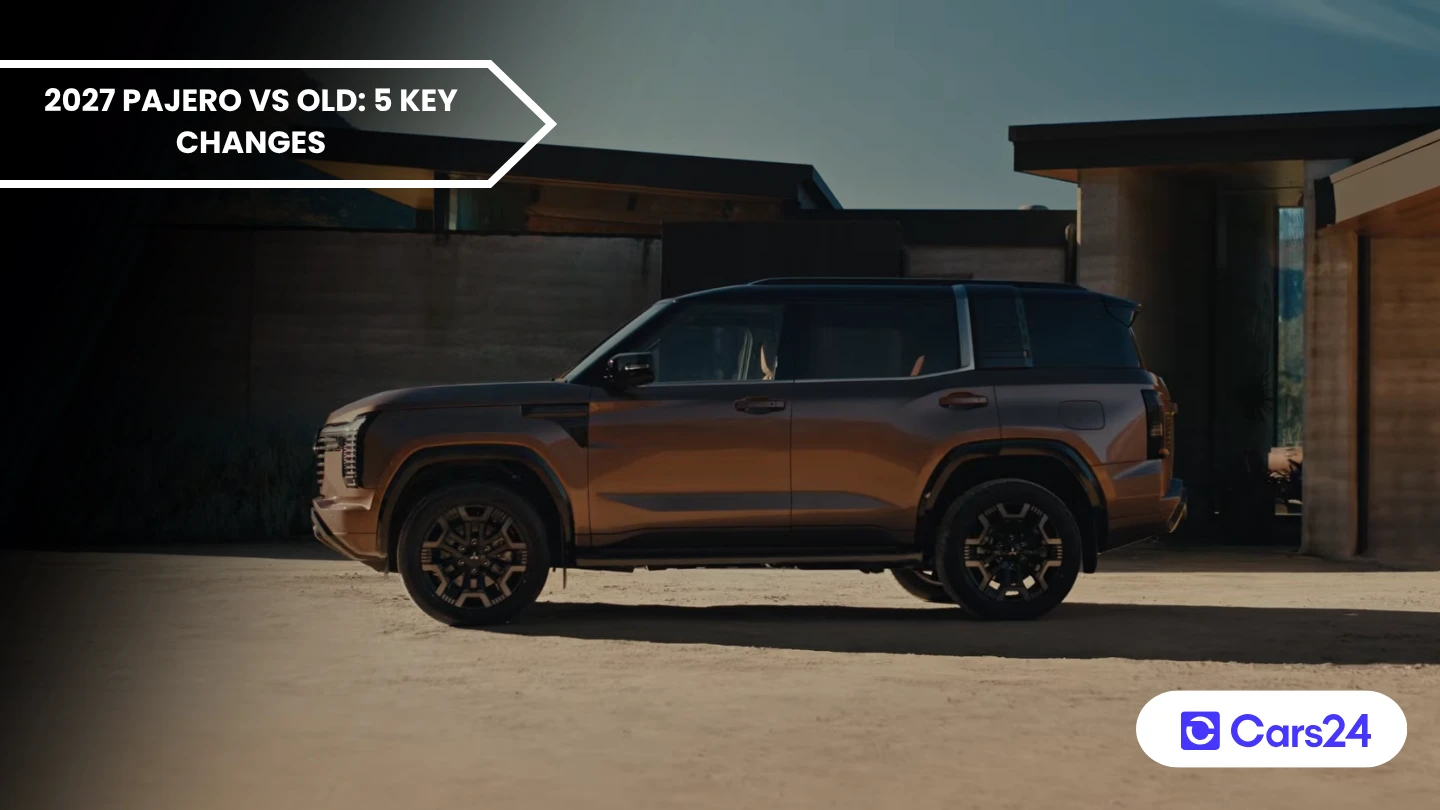
2027 Mitsubishi Pajero has officially debuted globally, and the biggest changes making it “all-new” include a complete philosophical U-turn in its structural engineering, its target audience, and its standard of luxury.
The fifth-generation Pajero isn’t just an evolution of the old vehicle but represents a major tactical shift designed to aggressively rival the Toyota Prado and Ford Everest.
The pricing for the new Pajero is not revealed, but official Australian pre-order books for the new Pajero are confirmed to open in October 2026, and the first deliveries will begin before this Christmas.
Here are the top changes that separate the new and older, fourth-generation Pajero in Australia:
1. Death of the V6 and large-displacement diesel
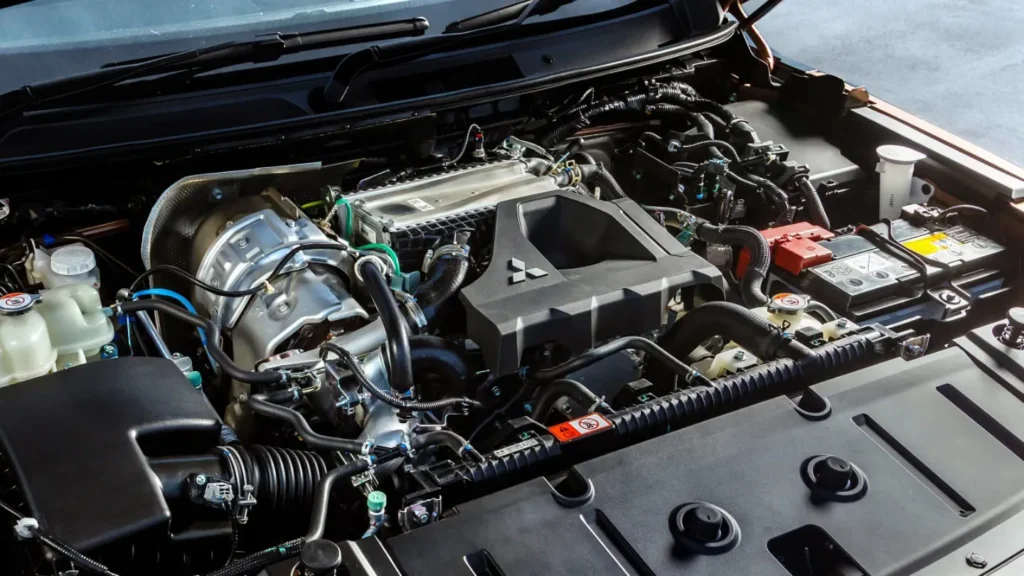
The fourth-generation Pajero was driven by a legendary 3.2-litre four-cylinder “DiD” turbo-diesel and a 3.8-litre petrol V6, and these were famous for their unstressed torque delivery and distinct heavy-diesel soundtrack.
| Specification | Outgoing Pajero | 2027 Mitsubishi Pajero |
|---|---|---|
| Diesel engine | 3.2L 4-cylinder DiD turbo-diesel | 2.4L 4-cylinder clean-diesel |
| Power output | 147kW at 3800rpm | 150kW at 3500rpm |
| Torque output | 441Nm at 2000rpm | 480Nm at 1500-2750rpm |
| Transmission | Antiquated 5-speed AT | New 8-speed AT |
The 2027 generation loses 0.8L of displacement to meet stringent global emission standards but still manages to give a slightly bigger output of 150kW / 480Nm with its 2.4-litre single-turbo four-cylinder clean diesel engine. The new SUV achieves this power using a heavily re-engineered single-turbo setup derived from Triton’s twin-turbo engine.
Moreover, the new model has moved away from the slow-shifting five-speed automatic transmission to the newly developed eight-speed automatic transmission and offers better fuel economy.
There is no six-cylinder petrol engine option in the global pipeline but the brand confirmed that hybrid variants are deeply under consideration; they are not confirmed for the initial launch phase.
2. Unibody to heavy-duty ladder frame
The third (1999) and fourth-generation (2006) Mitsubishi Pajeros pioneered a unibody or monocoque design with integrated subframes, which gave them car-like handling but restricted heavy suspension travel and greater frame durability.
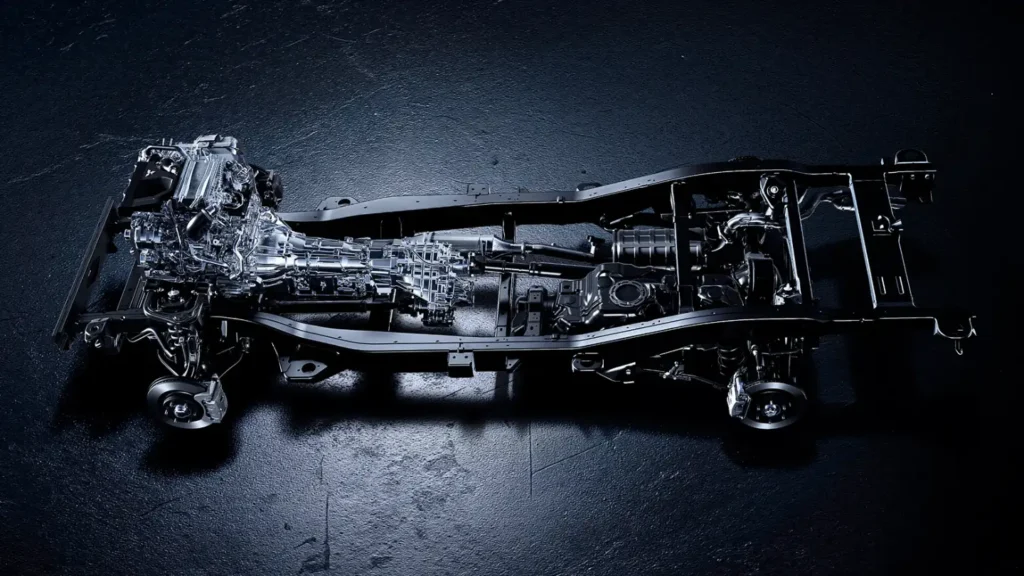
The 2027 Pajero has ditched the monocoque and returned to a heavy-duty ladder-frame chassis heavily modified from the Triton utility platform, reinforced with extra cross-members and larger side members to drastically reduce body flex.
This realigns the Pajero as a true body-on-frame off-roader optimised for extreme outback tracks, heavier towing, lower NVH levels, and long-distance heavy touring. The new Pajero gets a 3.5-tonne maximum braked towing capacity, compared to the previous gen’s 3.0-tonne limit.
The new underpinnings also move the new Pajero to the 4×4 family hauliers battleground already occupied by Toyota Prado and Ford Everest.
Also read: Mitsubishi Pajero officially returns and it’s gone full 4WD again
3. Replaced the Pajero Sport
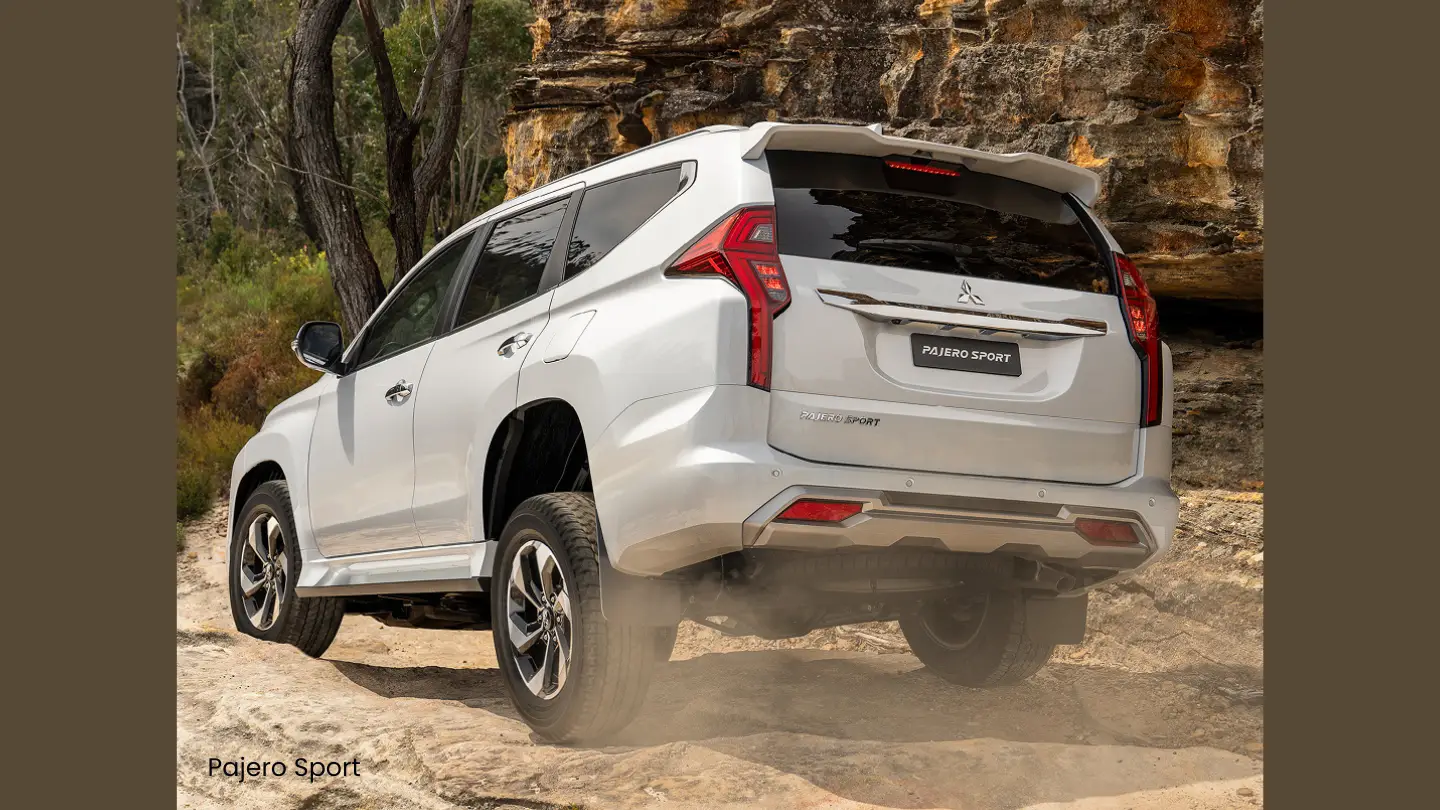
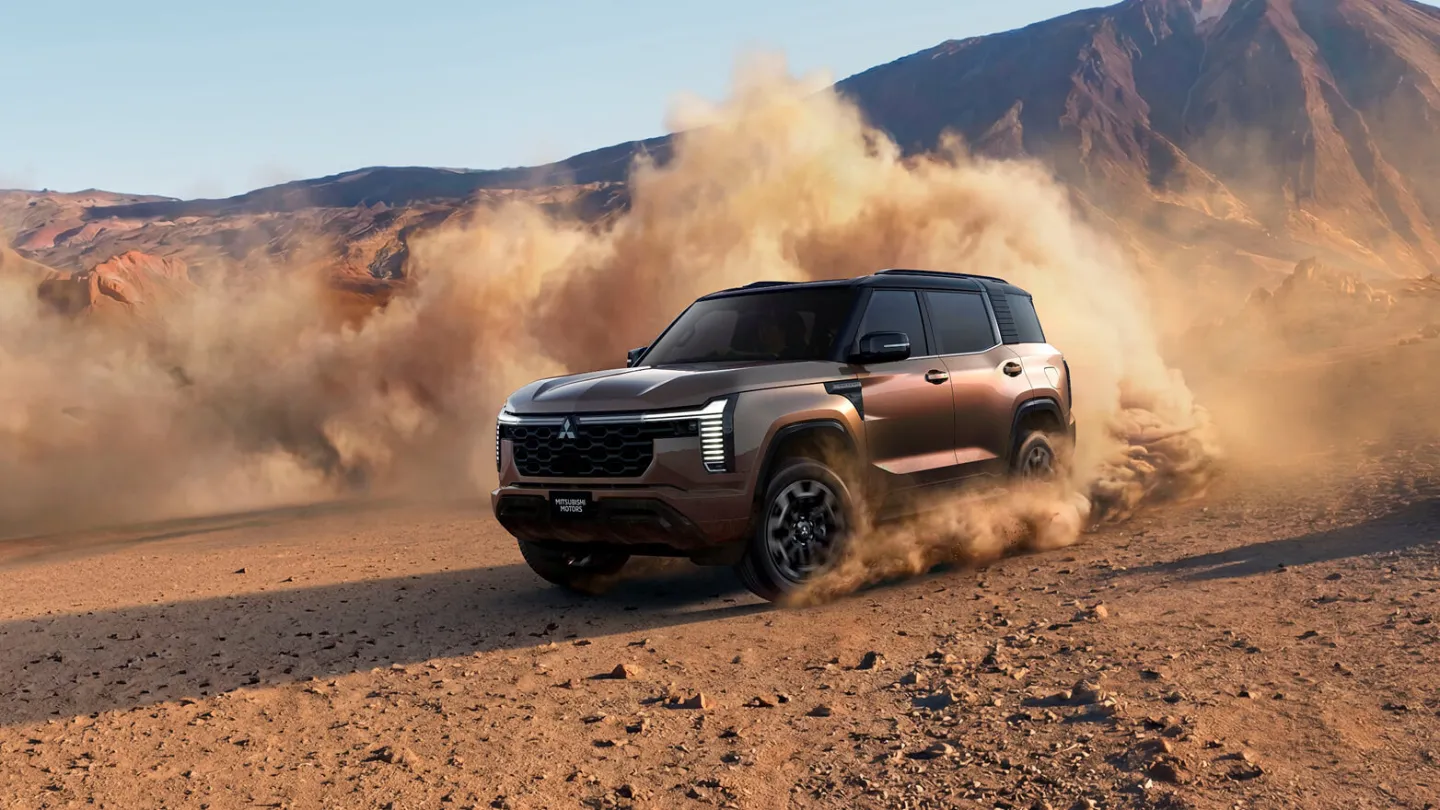
Earlier, the full-size Pajero sat at the top of the lineup while the smaller, Triton-derived Pajero Sport served as the budget alternative.
The 2027 Pajero effectively collapses both bloodlines into one vehicle. It utilises the rugged frame architecture of the Triton range but stretches the body into a larger, wider, three-row package, which removes the budget-built stigma of the old Pajero Sport and builds a premium flagship.
Every new Pajero model from the base GLX to the top-tier GSR now offers a heavy-duty, premium three-row 4×4 from Mitsubishi with the same 150kW/480Nm clean-diesel powertrain.
4. Boxy Grand Charisma styling
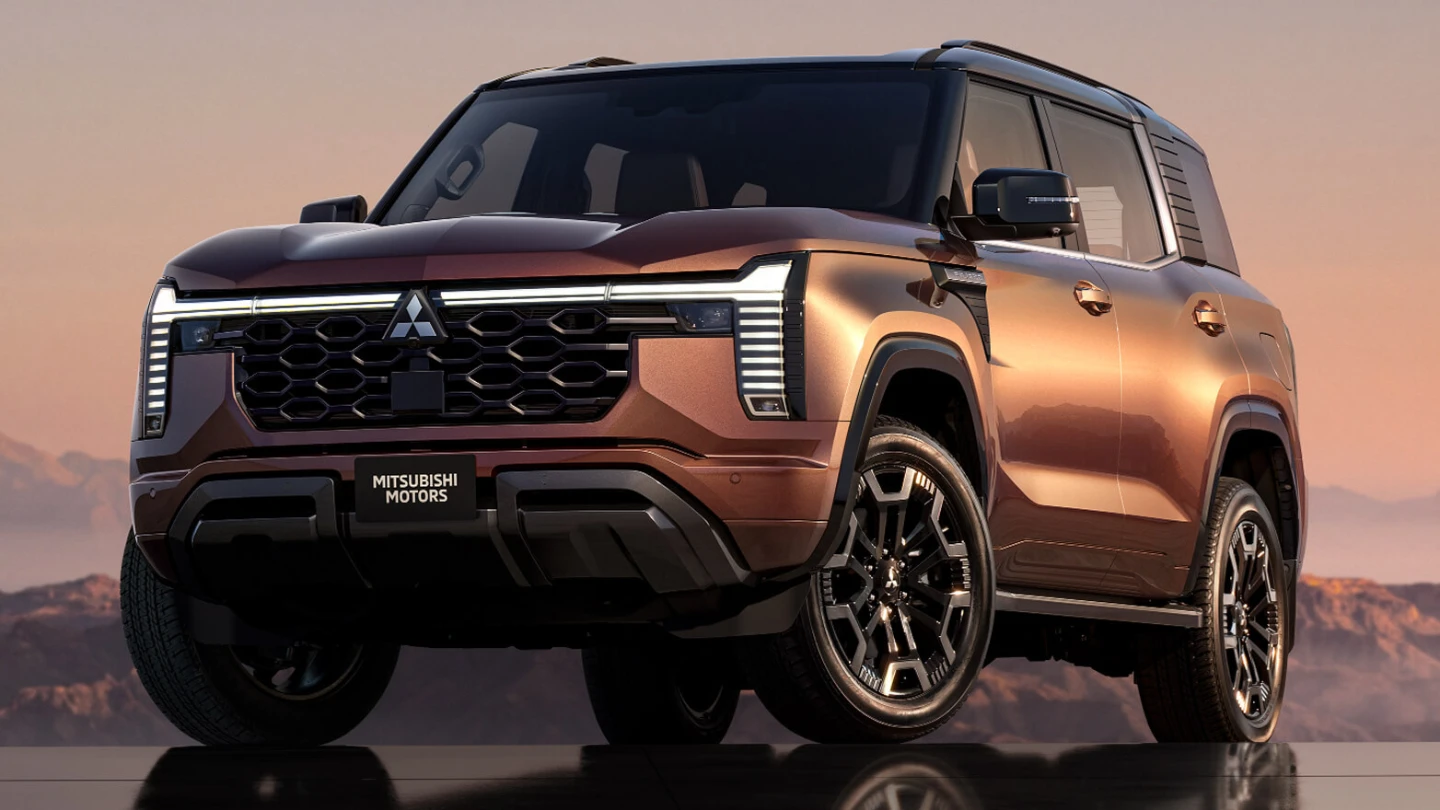
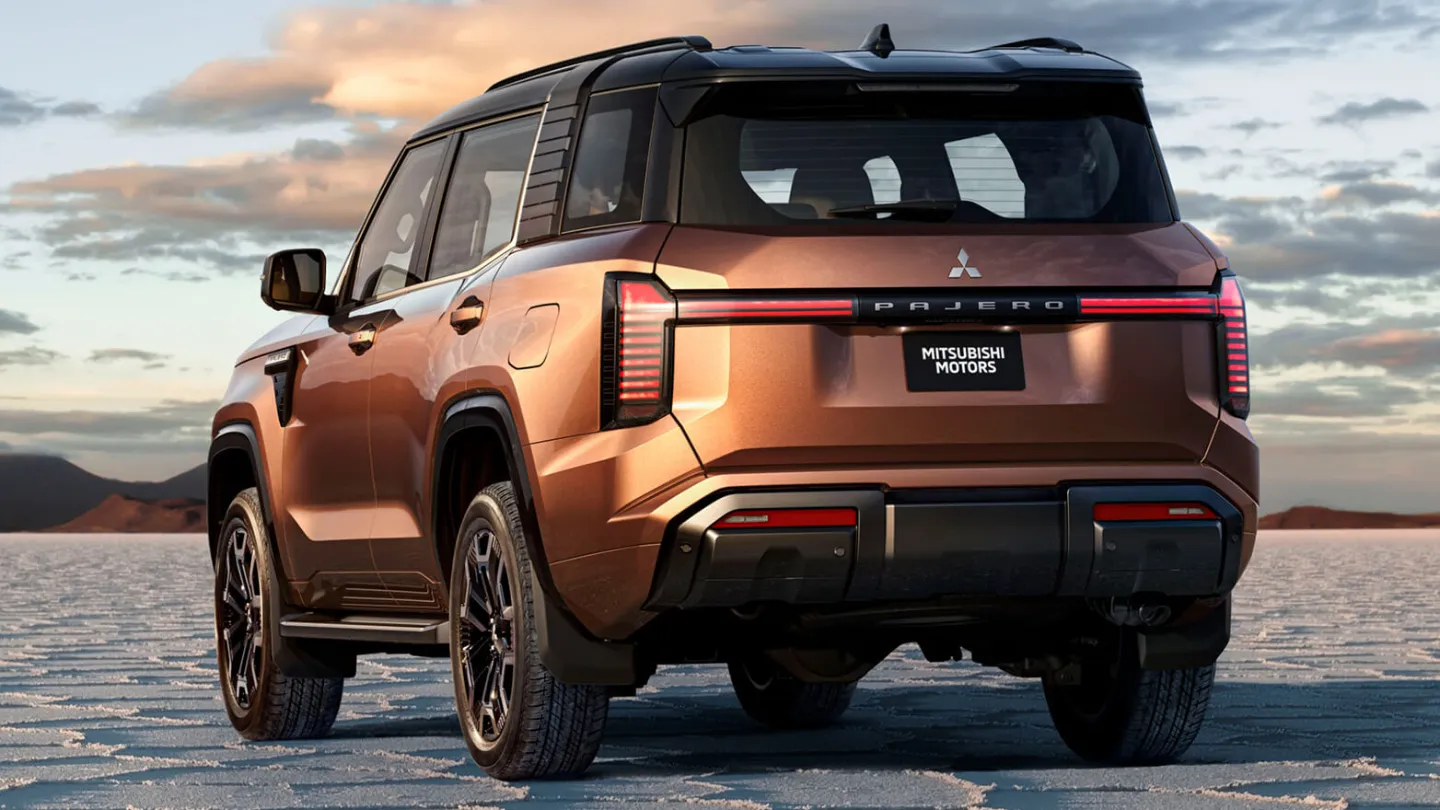
The older Pajero looked a bit rounded with a curvier profile, and styling elements deeply rooted in mid-2000s design language. But the 2027 Pajero shifts to a highly squared-off, imposing, slab-sided silhouette, which utilises Mitsubishi’s new corporate Grand Charisma philosophy,
It adopts a blocky persona with tall T-shaped light signatures, which also brings it visually in line with the boxy retro-futuristic styling trends popularised by its key rivals.
The new Pajero also forgets the heavy, side-opening rear door with a spare wheel and moves to a smooth top-hinged tailgate with the spare wheel relocated underneath the rear floor. This layout also benefits the SUV’s stability and rear departure angle out in the bush.
5. Technology and refinement overhaul
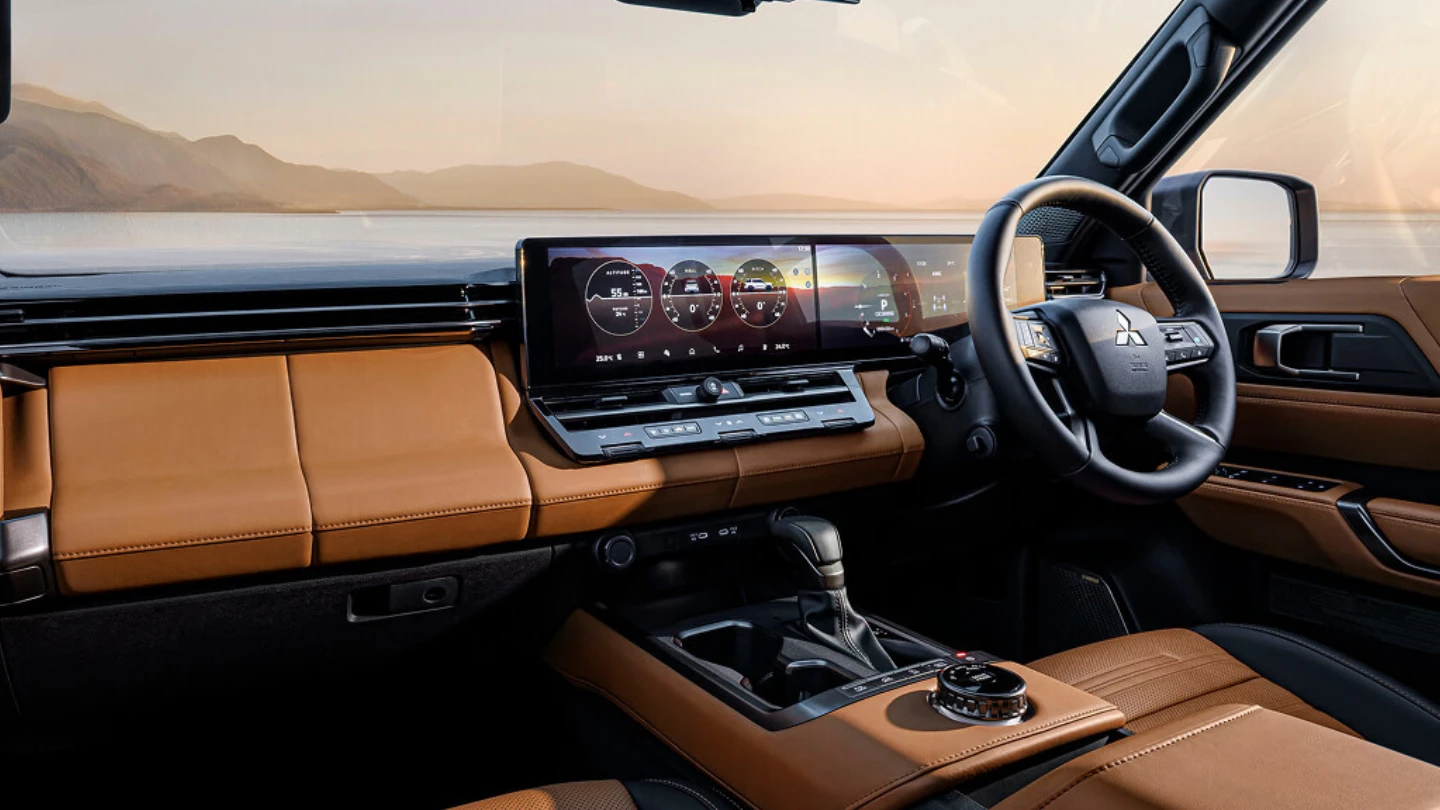
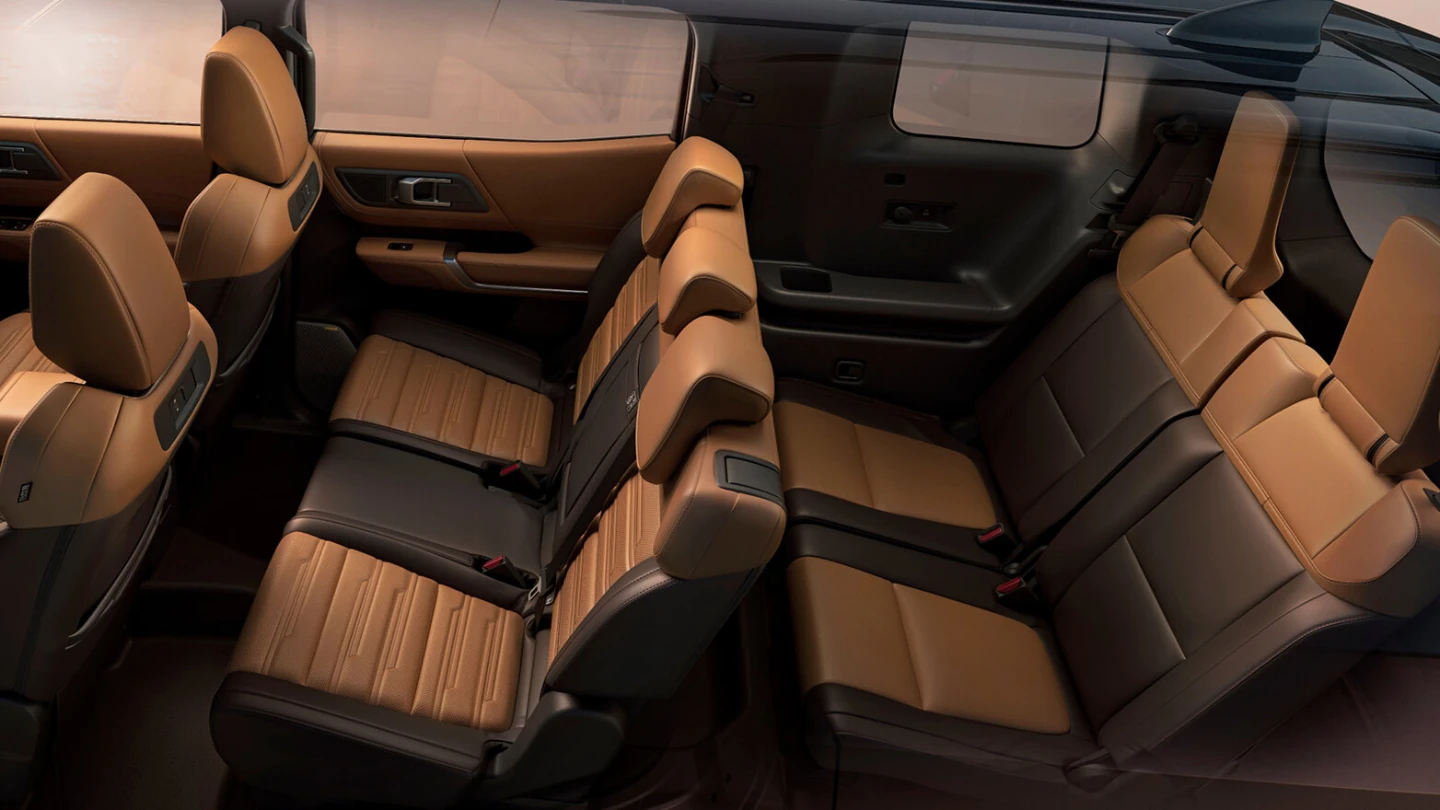
The final iteration of the previous Pajero was often criticised for its outdated, utilitarian interior, basic infotainment, and noisy cabin layout. Mitsubishi has heard the critiques, and the new Pajero’s cabin has been transformed into a genuine luxury SUV experience.
It now includes twin massive 14.3-inch digital screens, a retro-digital triple-gauge cluster, and advanced MI-PILOT active highway lane guidance.
The passengers are now treated to a level of acoustic isolation and material quality never before seen in a Mitsubishi SUV, supported by acoustic glass insulation, a 12-speaker Yamaha Ultimate audio layout, premium leather, second-row climate control, more knee room, and more premium upgrades.

Comments
New Comment