




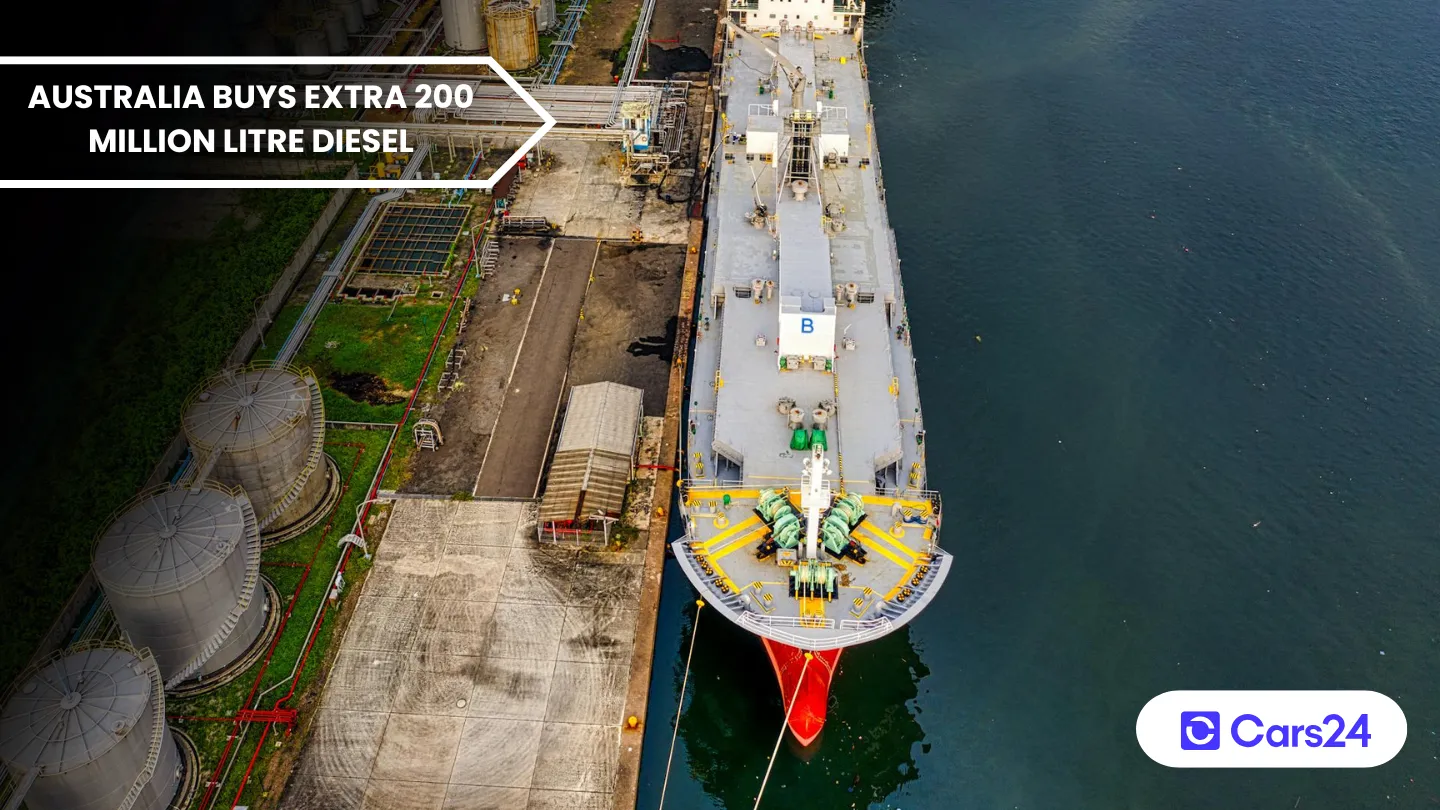
Australia’s diesel supply is set to receive a major boost with more than 200 million litres of diesel secured as the government moves to strengthen its diesel fuel reserves during a volatile global period.
Prime Minister Anthony Albanese confirmed the additional shipments, sourced through the federal government’s export finance scheme. He also assured that stage 3 of the national fuel security strategy is “not imminent.”
Diesel fuel is the “engine room” of the Aussie economy because it powers the primary industries like mining, agriculture, and transport. Australia is one of the highest diesel users in the world per dollar of GDP, consuming roughly twice as much diesel as petrol.
Where the diesel is coming from?
The extra Australian diesel supply will arrive via four cargoes. Two from South Korea, one from Brunei, and one from Malaysia. The diesel fuel shipments are scheduled to land Down Under in late May or early June 2026, providing what Energy Minister Chris Bowen described as an “extra buffer” for Australia’s fuel supply.
The fuel will be delivered to key locations across the country, such as Brisbane, Geelong, Sydney, and Kwinana (Perth). The shipments were secured through contracts with Viva Energy and BP Australia, backed by Export Finance Australia (EFA).
Also read: Australia allows ‘Dirty Fuel’ for 60 days to boost petrol supply
Why this diesel fuel supply matters
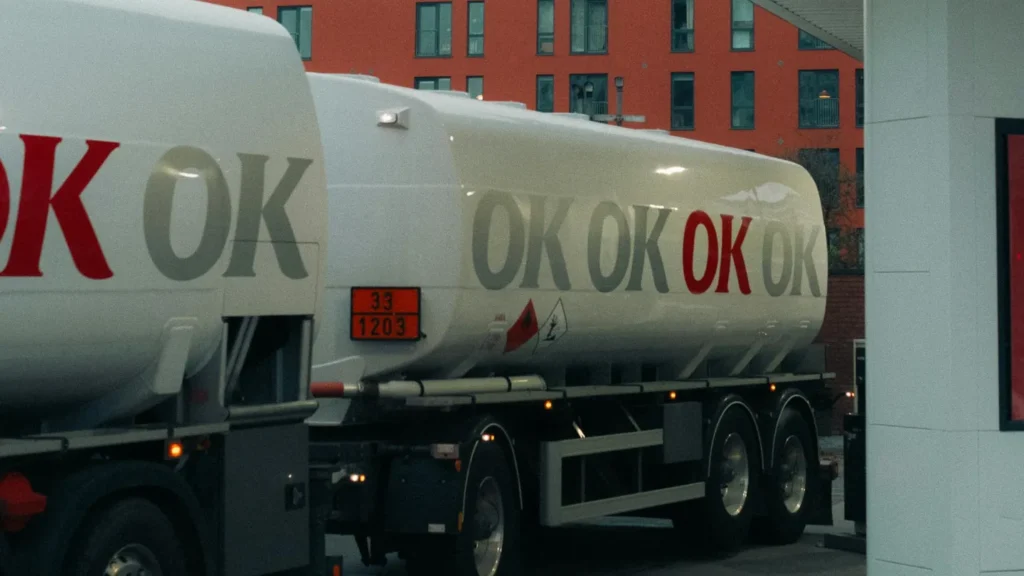
The move comes as global fuel markets remain unstable due to ongoing Middle East tensions. Aussie PM Anthony Albanese pointed to significant volatility in global energy markets and flow-on impacts for Australia and the Indo-Pacific region.
He also confirmed ongoing diplomatic engagement, including discussions with Indonesian president Prabowo Subianto, with both leaders expressing concern about the broader economic impact of the conflict.
Fuel security plan: where things stand
The government says the situation is currently stable, despite the uncertainty. Fuel shipments remain at normal levels for now. Petrol stock has increased from 36 days to 46 days since the conflict began (February 28).
Stage 3 not imminent
Australia is currently operating at Level 2 (“Keep Australia Moving”) of its staged security plan. The fuel excise cuts and the GST windfall return are part of this plan stage.
The government’s fuel security plan includes escalation measures, but Stage 3 is not imminent. Advanced decisions will depend on factors such as the ongoing Middle East conflict, access through the Strait of Hormuz, supply from refining countries like Singapore and Brunei, and availability of alternative sources.
Officials say there would typically be 4–6 weeks’ notice before any major supply reduction triggers further restrictions.
Queensland’s long-term strategy
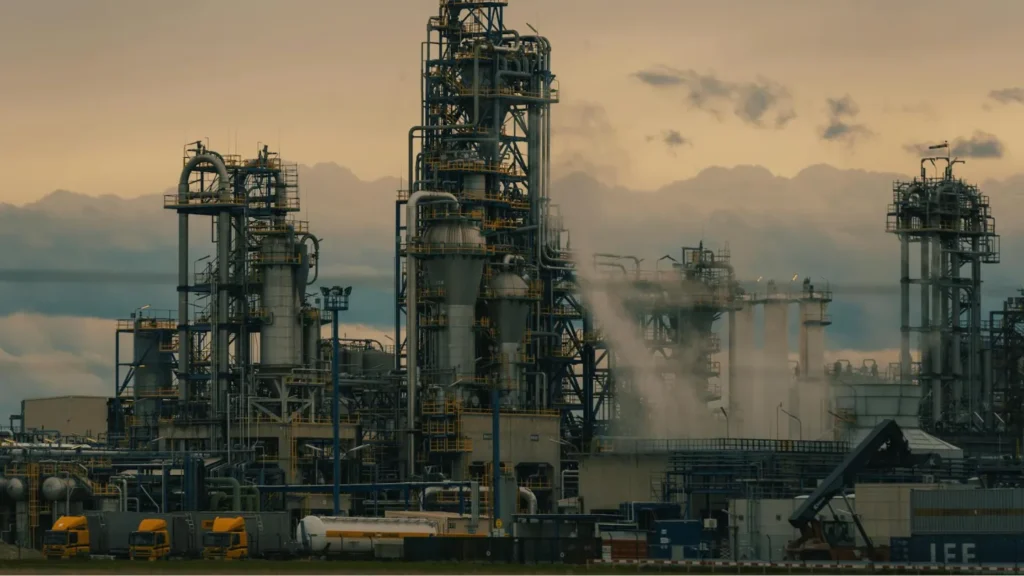
Queensland is investing in future diesel fuel security. Premier David Crisafulli announced a $25 million investment into Ampol’s Lytton Refinery in Brisbane to make renewable diesel.
The planned construction will begin in mid-2027, starting with the initial production of 20 million litres of renewable diesel annually from 2028.
The state aims to build long-term potential of up to 750 million litres of sustainable aviation fuel and renewable diesel by the early 2030s. This will strengthen both fuel security and domestic production capability.
Also read: Used EV market surges in Australia as fuel prices spike
Demand and market trends
The initial fuel demand and price spike has eased significantly since the start of the Middle East conflict, according to the Prime Minister. However, even if the conflict ended immediately, supply and pricing would not normalise straight away, as there is a lag before global disruptions flow through the system.
The bottom line
Australia is actively shoring up its diesel fuel reserves with a significant diesel injection while keeping a close eye on global developments. Diesel fuel supply remains stable for now, but the situation remains fluid.

Comments
New Comment