




Key highlights
- Nearly one in three Australian drivers surveyed experienced a critical moment behind the wheel because of a touchscreen.
- Allianz analysed 34,000 vehicle crashes, finding distraction features prominently in crash reports.
- ANCAP and Euro NCAP introduced updated safety assessment protocols in 2026 that favour physical controls for essential driving functions.
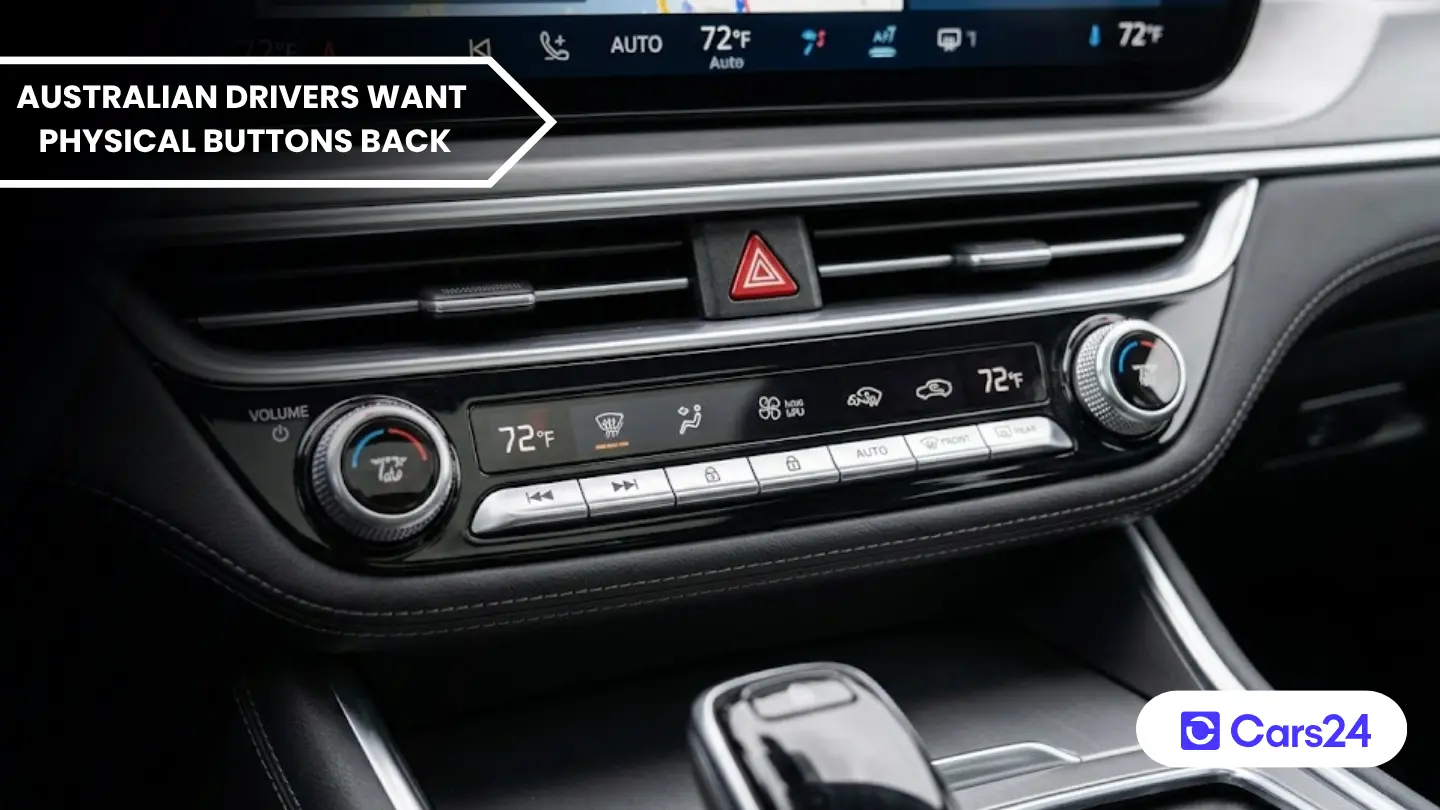
Australian drivers are increasingly questioning the move towards touchscreen-heavy car interiors, with new research suggesting physical buttons remain the preferred option for everyday controls.
A global study by Allianz, published in October 2026, found that 67 per cent of Australian respondents preferred traditional buttons over digital icons. The research also found that 29 per cent had experienced a critical moment while driving because of a touchscreen.
The findings add to growing concerns about how modern car interiors affect driver attention, particularly as manufacturers shift more functions, from climate settings to headlights, into digital menus.
For Australian buyers, the debate is becoming more relevant as touchscreen-based interiors become a common feature of new cars across different price brackets.
Read more: Mazda 6e and CX-6e could get physical buttons
Touchscreens raise concerns about driver distraction
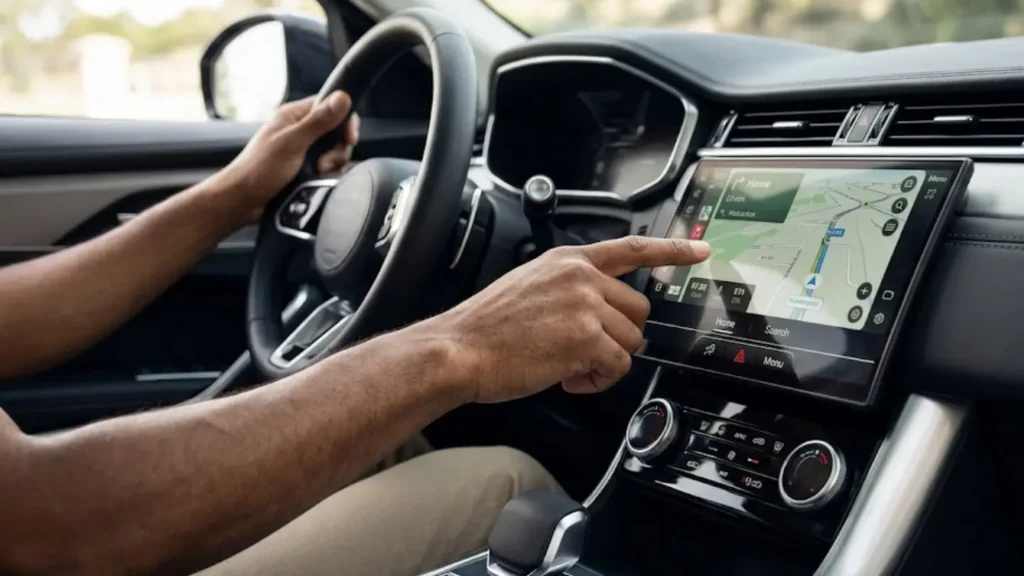
The Allianz Centre for Technology (AZT) examined 34,000 vehicle crashes and surveyed drivers across several countries to understand the role of technology in driver distraction.
Among Australian respondents who had been involved in a collision, 67 per cent identified distraction as a contributing factor in their incident.
The study also found that 75 per cent of Australian respondents believed distraction from in-car technology had increased in recent years. That figure matched the result in the UK, while Brazil recorded the highest proportion among the countries compared, at 86 per cent.
The findings do not establish that touchscreens caused the crashes analysed. However, they highlight concerns about the amount of attention drivers need to divert from the road to operate vehicle systems.
Even a quick glance at a screen can become risky when traffic conditions change unexpectedly. Unlike a physical button, which drivers can often locate by feel, a touchscreen may require them to look away from the road to find the correct icon or navigate through several menus.
Allianz’s report, titled Swipe. Tap. Crash. Driver distraction in the digital car, also argues that the way a vehicle’s controls are designed can influence how much time a driver spends looking away from the road.
That means the issue is not simply about whether a car has a touchscreen. The layout, accessibility and complexity of its controls also matter.
ANCAP wants essential controls to remain physical
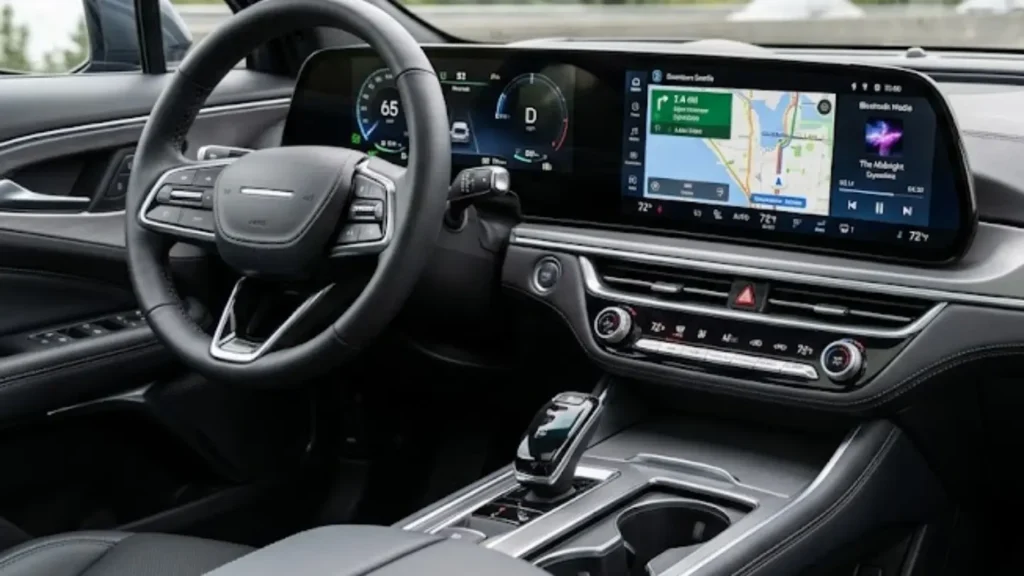
The research comes as Australian safety authority ANCAP pushes carmakers to make important vehicle functions easier to operate without taking drivers’ eyes off the road.
In 2026, ANCAP and its European counterpart, Euro NCAP, introduced updated safety assessment protocols that place greater emphasis on direct physical controls for key functions.
These include indicators, windscreen wipers and washers, hazard warning lights, the horn and the emergency call function.
The reasoning is straightforward. Drivers should be able to activate these features quickly without searching through touchscreen menus, particularly when visibility is poor or an unexpected situation requires an immediate response.
ANCAP has also raised concerns about the controls fitted to some new vehicles, even when they achieve strong overall crash-test results.
The Xpeng X9 electric people mover and GAC Aion UT electric hatchback, for example, received five-star ANCAP safety ratings but lost points for lacking physical switches for certain functions, including headlights, audio and telephone use.
This highlights an important distinction for new-car buyers. A five-star crash safety rating does not necessarily mean every aspect of a vehicle’s interior controls is equally easy to use while driving.
Carmakers face pressure to rethink interior design
The push for physical buttons is not limited to Australia. China is also moving towards tighter requirements for vehicle controls, with regulations mandating physical controls for certain functions scheduled to take effect on 1 July 2027.
For manufacturers, the challenge is finding a balance between modern digital interfaces and controls that drivers can operate intuitively.
Touchscreens can consolidate multiple functions into one display, reducing the need for separate switches and allowing software updates to change the interface. However, these benefits can come at the expense of usability when frequently used features are buried in menus.
Physical controls are particularly useful for functions that drivers regularly adjust without looking, such as the air conditioning, volume and windscreen demister.
For Australian motorists shopping for a new or used car, it is worth checking how easily these features can be accessed before making a decision. A test drive should include adjusting the climate control, operating the wipers and using other everyday functions, rather than focusing solely on the infotainment system.
The Allianz findings do not suggest that every touchscreen is unsafe or that physical buttons eliminate distraction. Instead, they reinforce the importance of thoughtful interior design.
As safety assessments evolve and drivers become more vocal about usability, carmakers may need to reconsider how much of the dashboard should depend on a touchscreen. For buyers, the most useful interior is not necessarily the one with the biggest display, but the one that lets them keep their attention where it belongs, on the road.

Comments
New Comment